Best Cities to Visit in Belgium
If you’re planning a trip to Belgium, you’re about to discover one of the most underrated countries in Europe. I’ll be honest — before my first visit, I thought Belgium was mostly chocolate, waffles, and beer. And yes, those things absolutely live up to the hype. But what surprised me most was how diverse the cities feel despite the country being relatively small. Within just a couple of hours by train, you can go from medieval canals and Gothic towers to trendy fashion districts, buzzing student cities, and elegant European boulevards.
Belgium feels incredibly easy to travel. The train network is excellent, distances are short, and every city has its own personality. Brussels feels international and energetic. Bruges looks like a real-life fairytale. Ghent balances medieval beauty with a cool alternative vibe. Antwerp mixes creativity, fashion, and nightlife. Leuven brings youthful energy thanks to its huge student population and lively beer culture.
What I love most about Belgium is how effortless it feels to explore. You can spend the morning wandering through centuries-old squares, stop for fries and a local Trappist beer at lunch, and end the night in a cozy café beside a canal. It’s one of those countries where slow travel actually works. You don’t need to rush from landmark to landmark to enjoy it.
For this guide, I’ve narrowed it down to five of the best cities to visit in Belgium: Brussels, Bruges, Ghent, Antwerp, and Leuven. These cities give you the perfect mix of history, culture, food, nightlife, architecture, and local atmosphere. If you’re planning your Belgium itinerary, these are the places I’d prioritize first.
Top Cities to Visit in Belgium
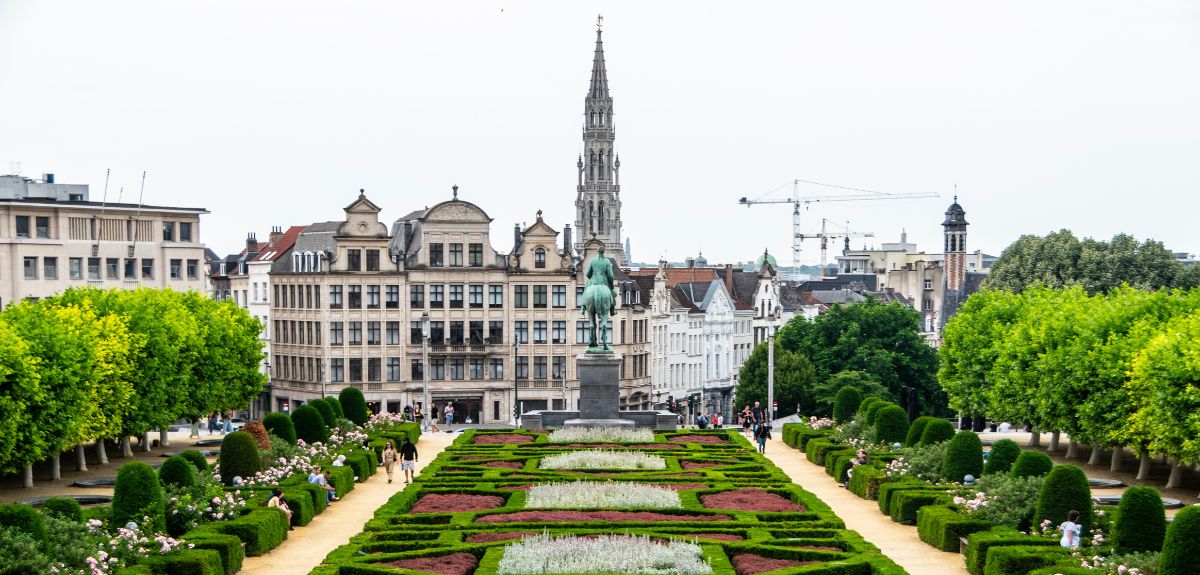
- Brussels: Belgium’s capital is much more than the political center of Europe. Brussels has this chaotic but charming energy that grows on you fast. You’ve got grand architecture around the Grand Place, incredible museums, comic book murals hidden around the city, lively food markets, and neighborhoods that completely change atmosphere from one street to another.
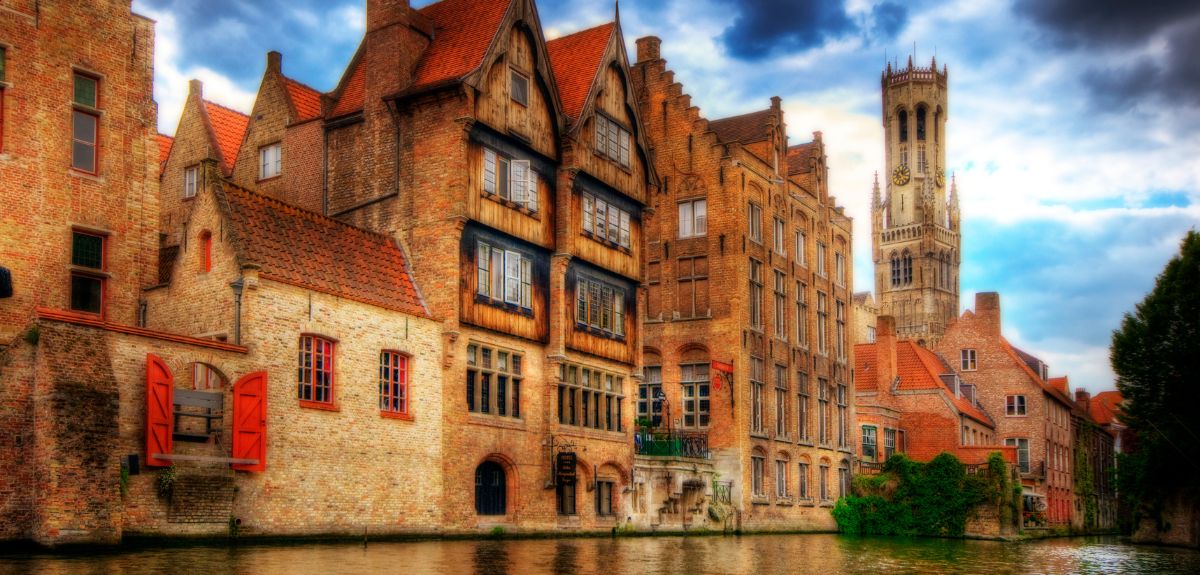
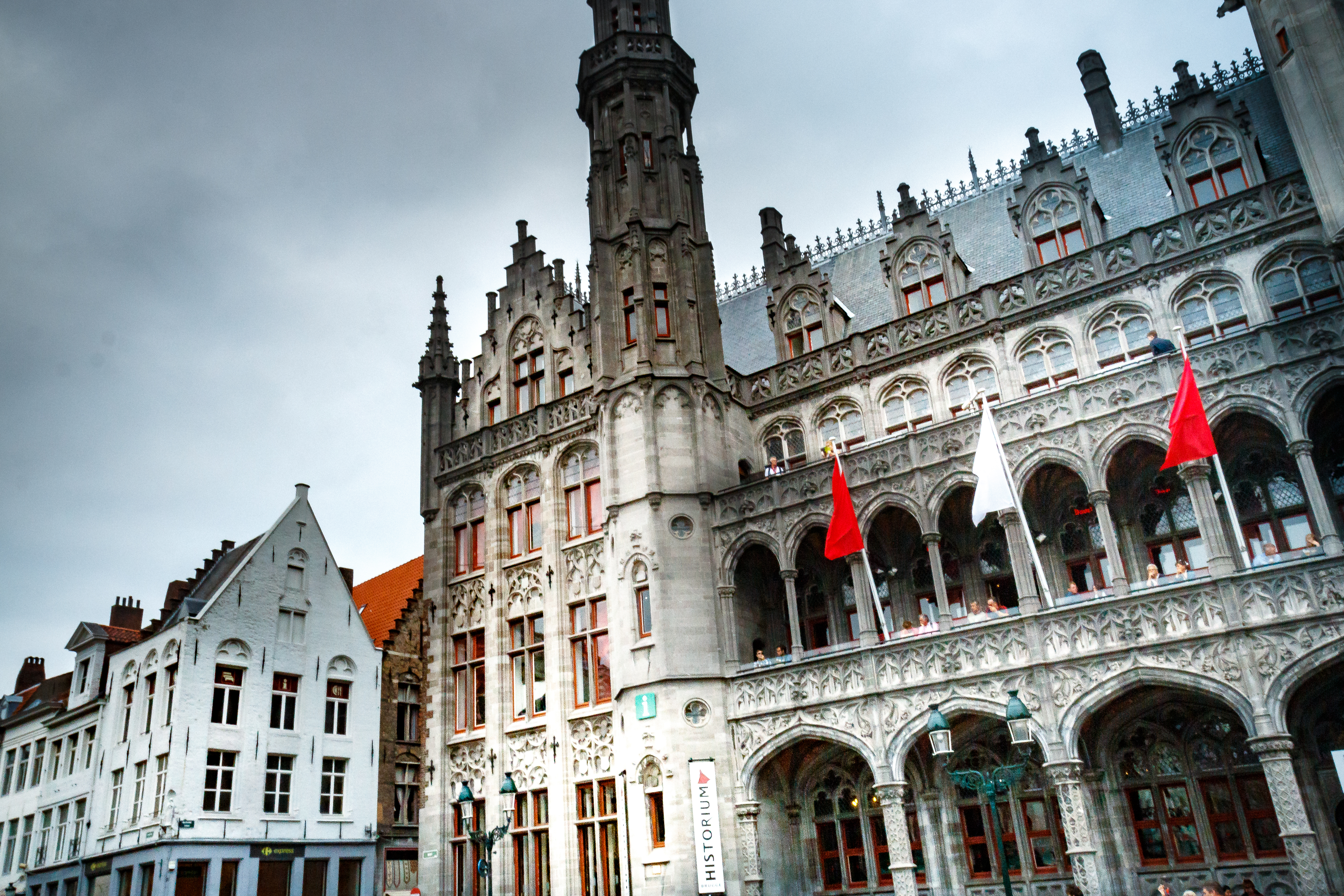
- Bruges: Bruges honestly feels unreal the first time you see it. Cobblestone streets, quiet canals, medieval buildings, horse-drawn carriages — it almost looks too perfect to be real. Yes, it’s touristy, but for good reason. Early mornings and evenings are magical once the day crowds thin out.
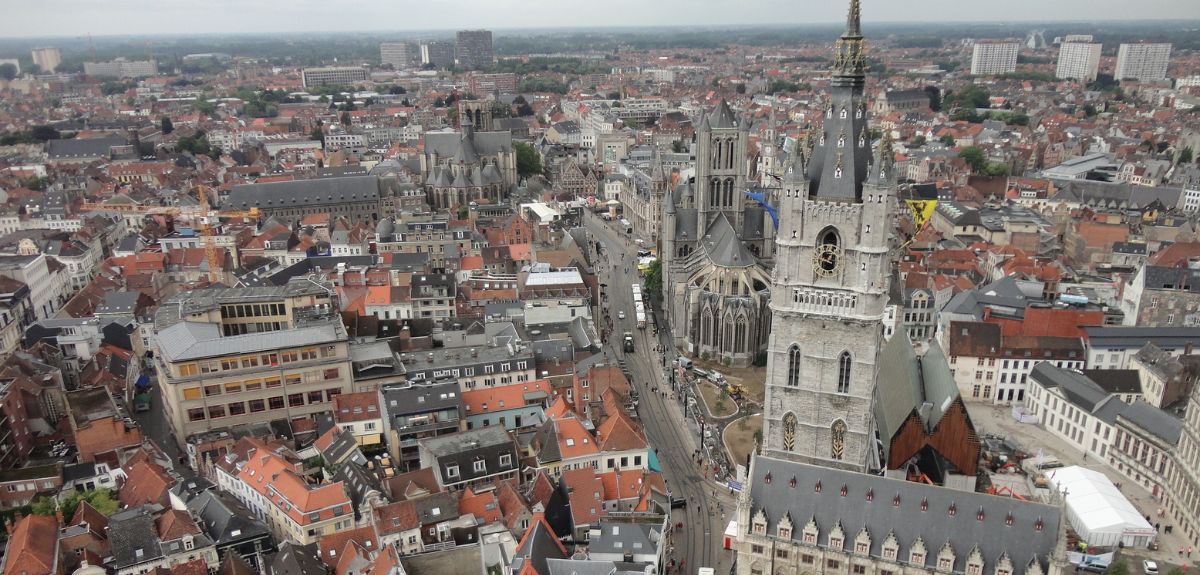
- Ghent: Ghent surprised me more than anywhere else in Belgium. It has the beauty of Bruges but feels younger, livelier, and less crowded. There’s a huge student population here, which gives the city a creative energy. Medieval towers sit beside trendy cafés, street art, and cool bars.
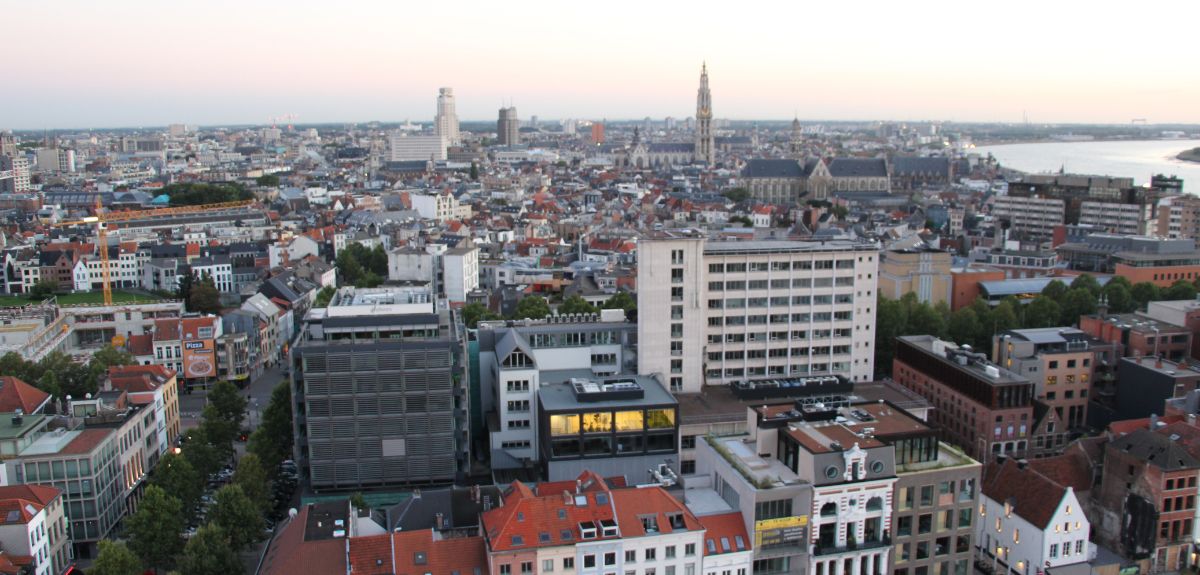
- Antwerp: Antwerp feels modern, stylish, and confident. This is Belgium’s fashion and design capital, and you can feel it everywhere — from concept stores and trendy cafés to art galleries and nightlife spots. But it’s not just modern either. Antwerp still has beautiful historic squares, impressive churches, and one of the most stunning train stations in Europe.
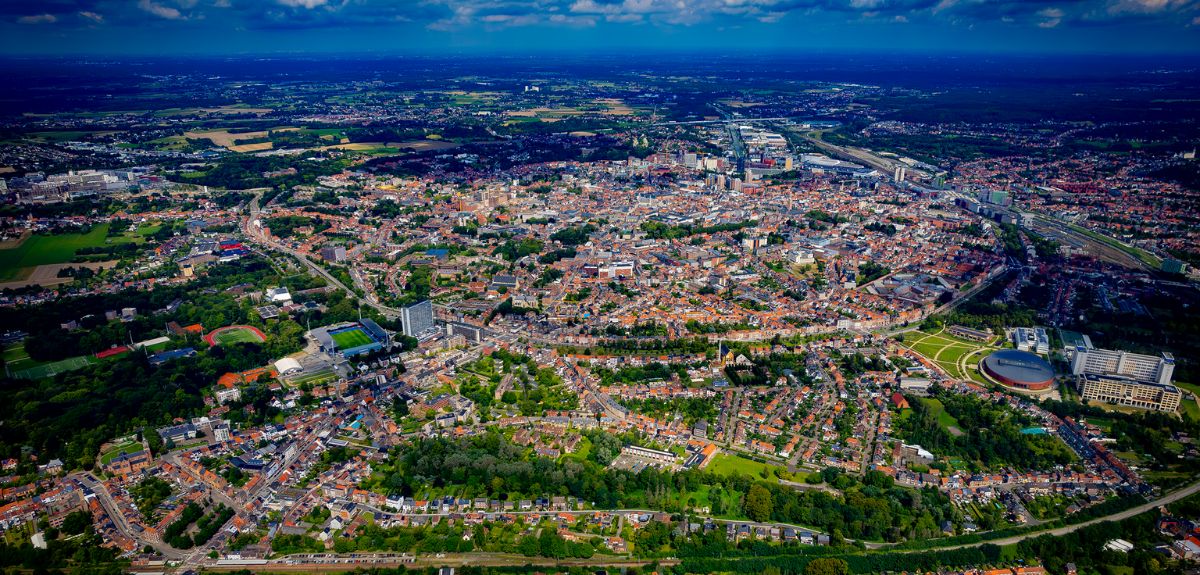
- Leuven: Leuven doesn’t always make the typical Belgium bucket list, but I think it absolutely deserves a spot. It’s smaller than the others, but the atmosphere here is fantastic. Thanks to KU Leuven, one of Europe’s oldest universities, the city feels young and social year-round. Expect lively bars, impressive Gothic buildings, excellent beer culture, and a much more local feel compared to the bigger tourist cities.
Accommodation – Belgium isn’t the cheapest destination in Europe, but it’s manageable if you plan well. Mid-range hotels in cities like Brussels, Bruges, or Antwerp usually cost around $100–160 USD per night for a comfortable double room in a central area. Budget hotels and hostels can bring costs down to around $30–60 USD for dorms or simple private rooms.
Food – Belgium is dangerous if you love comfort food. Waffles, fries, chocolate, beer, pastries — it’s very easy to overspend just eating your way through the country. A casual restaurant meal usually costs around $18–30 USD per person. Moules-frites (mussels and fries), one of Belgium’s classic dishes, often lands around $25 USD. Street waffles cost about $4–8 USD depending on toppings, while fries from local frituurs are surprisingly affordable and incredibly filling.
Transportation – Belgium is one of the easiest countries in Europe for train travel. Honestly, you barely need a car. Trains between major cities are fast and relatively affordable. Weekend train tickets often come with discounts, which is worth checking before booking. Inside cities, public transport is reliable. Metro, tram, and bus rides generally cost around $2.50–4 USD per ticket. Most city centers are walkable, though, especially Bruges and Leuven.
Activities – Belgium has a good mix of free and paid attractions. Wandering historic centers costs nothing, and honestly, some of my favorite moments came from simply exploring side streets and canal paths. Churches and town squares are often free to visit, which helps balance the budget.
Belgium feels like one of Europe’s best “slow travel” destinations. It’s not a country where you rush around ticking landmarks off a list. The real charm comes from wandering through old squares, sitting in cafés longer than planned, discovering hidden beer bars, and soaking up the atmosphere.
The architecture is one of the first things that hits you. Belgium’s cities are packed with Gothic buildings, medieval guild houses, canals, cathedrals, and huge town squares that somehow still feel alive instead of overly touristy. Even train stations can feel like attractions here — Antwerp Central genuinely blew me away the first time I saw it.
Food is a massive part of the experience too. Belgian waffles are great, but honestly, fries surprised me even more. Crispy, salty, covered in sauce, eaten standing outside on cold evenings — perfect. Then there’s the beer culture, which feels deeply rooted in everyday life rather than just tourism.
One thing I appreciated is how easy Belgium feels for travelers. English is widely spoken in tourist areas, public transport works well, and distances are short enough that planning isn’t stressful. You can comfortably build a trip around several cities without spending endless hours moving around.
Weather-wise, expect unpredictable conditions. Belgium can go from sunshine to rain surprisingly fast. Summers are usually mild and pleasant, around 68–77°F, while winters are cold, gray, and atmospheric — especially around Christmas markets. My advice? Always carry a light rain jacket, even if the forecast looks perfect.
Belgium also feels very safe overall. Like anywhere in Europe, you should stay alert around crowded tourist areas and train stations, especially in Brussels, but I generally found the country comfortable and easy to navigate, including at night.
What really stayed with me after traveling through Belgium was the atmosphere. There’s something cozy, authentic, and quietly beautiful about the country. It doesn’t scream for attention like Paris, Rome, or Amsterdam. Instead, Belgium slowly wins you over through small moments — canal reflections at sunset, hidden pubs, medieval streets after rain, and long conversations over local beer.
If you’re looking for a European destination that combines history, food, beautiful cities, and easy travel planning, Belgium absolutely deserves a spot on your list.