Get Inspired

Itineraries

Travel Guides

About Me

Top

Switzerland

BEST CITIES TO VISIT IN SWITZERLAND

If you’re dreaming of a trip to Switzerland, get ready—you’re in for some serious postcard-level magic. I’ve logged serious miles crisscrossing this alpine wonderland, chasing sunrises over jagged peaks, devouring melted raclette that’ll haunt your dreams, and riding those iconic red trains through scenery that feels straight out of a fantasy novel. Switzerland nails that perfect blend of pristine nature, sleek cities, and a culture that’s as precise as their famous watches. Whether you’re an adrenaline junkie craving paraglides, a culture seeker hunting chocolate and history, or just needing those epic mountain views for your feed, its cities (and towns) deliver big time. Let me guide you through my top picks for the best cities to visit, loaded with real-deal tips and a few of my own “wow” moments to help you plan smart and travel better.

Switzerland hits you like a fresh mountain breeze—crystal-clear lakes reflecting snow-capped giants, the chime of cowbells in meadows, and the irresistible smell of fresh bread from every bakery. I’ve boiled it down to five absolute standouts that capture the country’s magic: the vibrant hub of Zurich, fairy-tale Lucerne, adventure-packed Interlaken, sophisticated Geneva, and car-free Zermatt. Each has its own personality, and I’ll link you to our in-depth guides on the best places to visit in each. We’ve packed in the practicals too—like current costs (it’s pricey, but worth it), ways to save, and what it really feels like hitting these streets in late 2025.

Top Cities to Visit in Switzerland

  • Zurich: Switzerland’s buzzing financial heart with a gorgeous lakeside setting, charming old town alleys, and luxury shopping on Bahnhofstrasse.
  • Lucerne: A storybook lakeside gem framed by mountains, famous for its medieval covered bridge and easy access to alpine excursions.
  • Interlaken: The thrill-seeker’s base camp wedged between two turquoise lakes, gateway to the Jungfrau region’s hikes, skis, and paragliding.
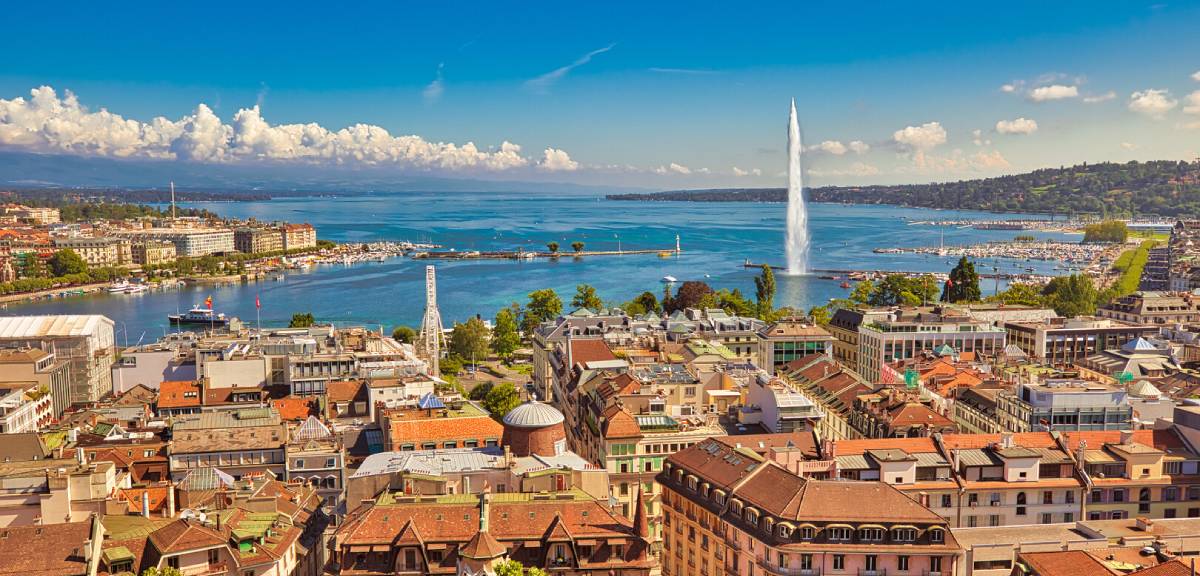
  • Geneva: An elegant international city on Lake Geneva, home to the UN, fountain spectacles, and a cosmopolitan vibe with French flair.
  • Zermatt: A pedestrian-only alpine village dwarfed by the Matterhorn, offering world-class skiing, hiking, and that ultimate Swiss postcard view.

THINGS TO SEE AND DO IN SWITZERLAND

Chapel Bridge (Kapellbrücke), Lucerne
Matterhorn Glacier Paradise, Zermatt
Jet d’Eau Fountain, Geneva
Lake Zurich Cruise & Old Town, Zurich
Mount Pilatus Golden Round Trip, Lucerne
Gornergrat Railway, Zermatt
Harder Kulm Viewpoint, Interlaken
United Nations Office (Palais des Nations), Geneva
Jungfraujoch – Top of Europe

TYPICAL COSTS WHEN TRAVELLING

Accommodation – Mid-range hotels in cities like Zurich or Geneva, with clean modern rooms, lake or mountain views, and perks like breakfast, run $180–280 USD per night for a double. Hostels or budget chains keep it lower at $40–80 USD for a dorm bed, while Airbnbs or apartments start around $120–200 USD. For luxury, think alpine resorts or five-star spots hitting $300–600 USD, especially in peak winter (December–March) or summer (June–August). Shoulder seasons like spring (April–May) or fall (September–October) can drop prices 20–30%.

Food – Switzerland’s eats are top-tier but hit the wallet hard. A casual lunch like rösti or a sausage platter costs $18–30 USD, while fondue or raclette dinners run $30–50 USD per person. Supermarkets (Coop or Migros) are your friend—picnic spreads or breakfast items for $8–15 USD. Coffee and a pastry? $6–10 USD. Fine dining in Geneva or Zurich can climb to $80–150 USD, but street stalls or mountain huts keep it reasonable.

Transportation – The train system is legendary (and pricey without a pass). Single tickets like Zurich to Interlaken cost $60–100 USD one-way, but the Swiss Travel Pass changes the game (more on that below). In cities, day passes for trams/buses are $8–15 USD. Taxis or Ubers for short rides? $15–30 USD. Renting a car runs $60–100 USD per day (plus high gas and parking), but stick to trains for scenery and ease.

Activities – Many highlights are free (hiking, lake strolls), but mountain excursions add up. Jungfraujoch ticket is around $200–250 USD (discounts with passes), Gornergrat in Zermatt $100–130 USD round-trip. City museums or boat cruises? $15–40 USD. Paragliding in Interlaken starts at $150–200 USD.

Discover Switzerland's top cities: Zurich's lakeside vibe, Lucerne's medieval charm, Interlaken's alpine adventures, Geneva's elegant shores, and Zermatt's Matterhorn views. Interactive maps, budget tips, and practical guides for your trip. Explore cities, plan smart, travel better!

Suggested daily budget – $200–300 USD per person. This covers a mid-range hotel, supermarket breakfast plus one restaurant meal, public transport or a short train hop, and one paid activity. Splurge on luxury stays and mountain trains? $350–500 USD. Backpacker mode with hostels, picnics, and free hikes? $100–150 USD is doable.

MONEY SAVING TIPS

1
Grab the Swiss Travel Pass Hands down the best hack. Unlimited trains, buses, boats, and 50% off most mountain railways—plus free museums. I used a 8-day pass on a multi-city loop and saved hundreds compared to point-to-point tickets. Worth it if you’re moving around more than a couple times.
2
Shop and Picnic at Supermarkets Coop and Migros have killer ready-to-eat sections—fresh bread, cheese, salads for $10–15 USD that beat restaurant prices. I loaded up in Zurich, picnicked by Lake Geneva, and felt like a local while saving $30 a meal.
3
Hit the Free Stuff and Hikes So much of Switzerland’s beauty is gratis—walk Lucerne’s old town walls, swim in Interlaken’s lakes, or hike lower trails in Zermatt. Skip some pricey cable cars for scenic train rides covered by the pass. I hiked around Harder Kulm instead of paying extra and got the same jaw-drop views.
4
Travel Shoulder Season Avoid peak summer crowds and winter ski highs; April–May or September–October bring mild weather (50–65°F), blooming valleys or golden larches, and 20–40% off hotels. I timed a Zermatt trip for late September—fewer people, lower rates, and perfect hiking temps.

MY MUST HAVE GUIDES FOR TRAVELING

Everything you neeed to know about traveling.

No products were found!

WHAT CAN I EXPECT FROM SWITZERLAND?

Switzerland’s got this unreal polish—like every lake is filtered, every train runs on the dot, and every mountain peak is begging for a photo. It’s where dramatic Alps crash into serene lakes, modern efficiency meets old-world charm, and four languages swirl together seamlessly. I’ve felt it sipping hot chocolate on a Zermatt terrace watching the Matterhorn glow pink at sunset, then hopping a train to Geneva’s global buzz the next day. Recent travelers are still raving about the pristine hikes around Interlaken and Grindelwald, calling it “life-changing scenery” even in late 2025.

Expect a mix of heart-racing adventure and total zen. Zurich pulses with energy—trendy cafes one block, quiet church courtyards the next. Lucerne feels like stepping into a painting, Interlaken amps the adrenaline with jumps off cliffs, Geneva serves sophisticated diplomacy with a French twist, and Zermatt forces you to slow down in the best way—no cars, just fresh air and epic trails.

  • Zurich is often pinned as just a "stiff" global hub for banking and big money, but let me tell you—that’s only the surface. The first time I stepped out of Zurich HB (the main station) and walked toward the Limmat

  • Lucerne is that classic Swiss postcard come to life—a charming medieval town hugging a crystal-clear lake, with snow-capped mountains rising dramatically in the background. It’s got this perfect mix of old-world charm and epic nature that just hits different. The

  • Geneva is often pegged as just a "serious" city of diplomats and bankers, but honestly? It’s so much more than that. It’s a stunning lakeside escape where the water is so clear you can see the fish swimming, and the

Weather’s a highlight—summers mild (65–75°F, perfect for hiking), winters snowy and magical (20–40°F, ski season peaks). Spring and fall are gold for fewer crowds. Locals are polite and multilingual (English is widespread in tourist spots), but that famous Swiss reserve means smiles come earned—be punctual and respectful. Basic German phrases (“grüezi” for hello) or French in Geneva go far; I mangled a fondue order in Lucerne and the waiter just grinned and hooked me up with extra cheese.

Safety is top-tier—one of the world’s safest spots, even solo or late-night in cities. I’ve wandered Zurich’s streets after dark no problem, but watch bags in crowded trains or Geneva’s tourist zones (pickpockets exist everywhere). Trains are immaculate and reliable—Switzerland’s backbone for hopping cities. Culture runs deep: chocolate and cheese obsession, outdoor everything, and a quiet pride that makes you want to recycle twice. It’s expensive, yes, but the quality and those “pinch me” views make every franc feel earned. So, check out our interactive maps and guides for Zurich, Lucerne, Interlaken, Geneva, and Zermatt. Map your adventure in the world’s top cities—explore smart, travel better!

0

post a comment