If you’re dreaming of a trip to Cuba, man, you’re in for something truly special. I’ve spent a good chunk of time roaming this island, cruising in old classic cars through Havana’s streets, puffing on a cigar in Viñales, chilling on Varadero’s insane beaches, and feeling the rhythm of salsa in Trinidad and Santiago. Cuba hits different—it’s got that raw, timeless vibe with colorful colonial buildings, revolutionary history, killer music everywhere, and people who welcome you like family. Whether you’re into culture, beaches, nature, or just wanting to disconnect from the usual tourist traps, Cuba’s cities and spots deliver big time. Let me walk you through my top picks for the best cities (and areas) to visit, with real talk on what makes each one special, plus practical tips to help you plan smart and travel better.
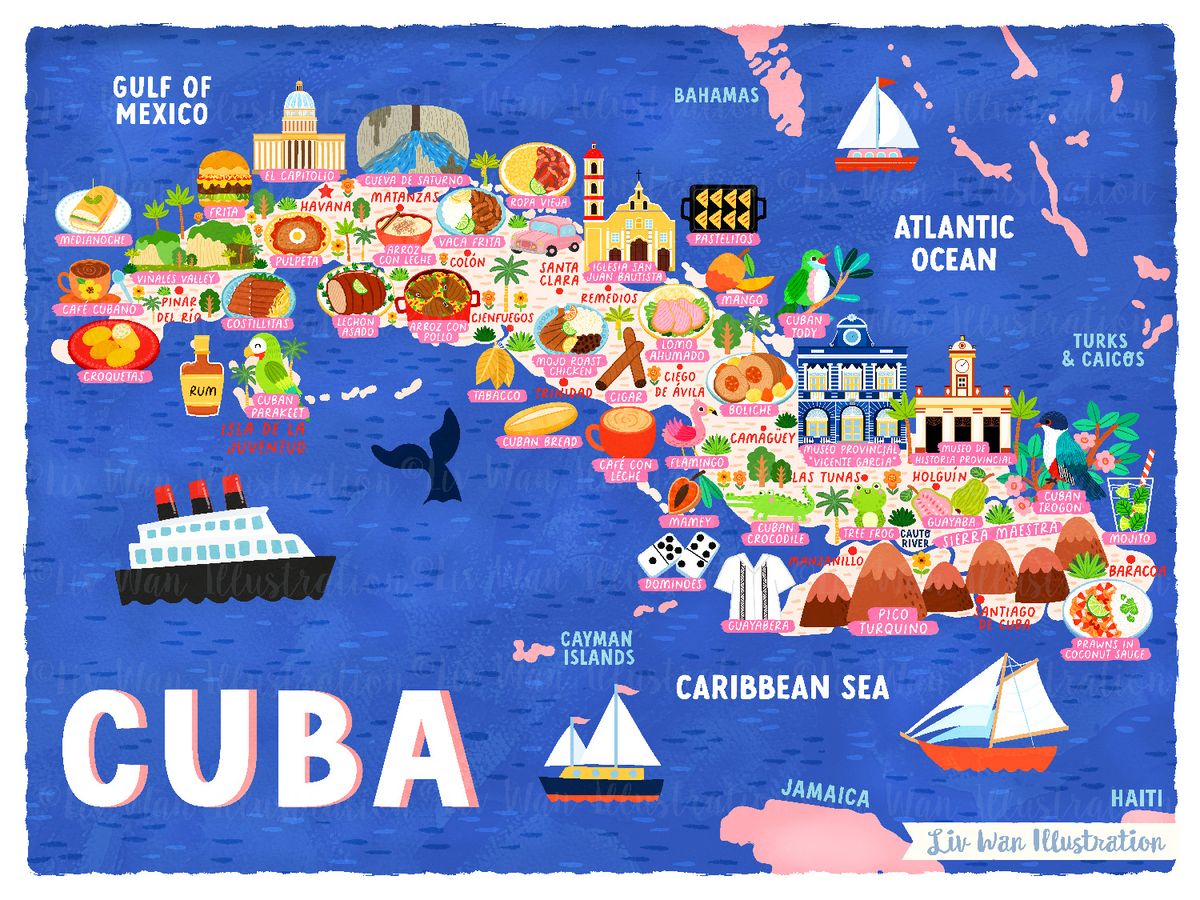
Cuba is a country that grabs all your senses at once. From the chaotic, vibrant energy of Havana’s Malecón at sunset to the lush green valleys of Viñales dotted with tobacco fields, or the laid-back colonial charm of Trinidad where time feels frozen in the 1800s. I’ve zeroed in on five standout spots that capture Cuba’s incredible diversity: Havana, Varadero, Trinidad, Viñales, and Santiago de Cuba. Each has its own unique flavor, and I’ll hook you up with links to deeper guides (like our “Best Places to Visit in [City]” articles) so you can dive in. Plus, I’ve thrown in the real scoop on costs, how to save cash, and what life on the ground actually feels like right now.
Top Cities to Visit in Cuba
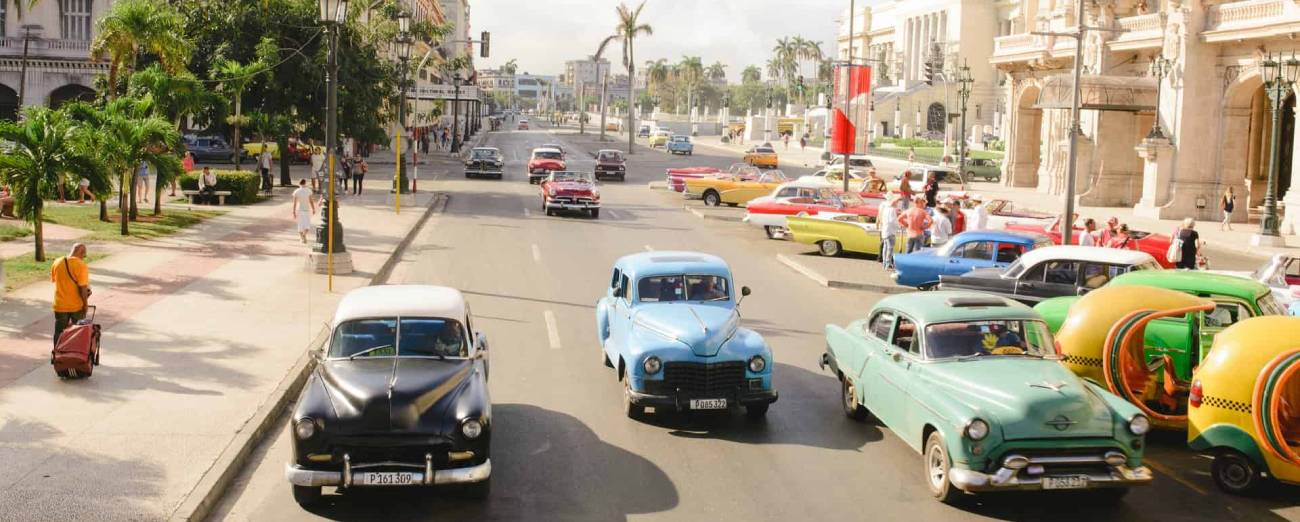
- Havana: The beating heart of Cuba—a chaotic, colorful capital full of vintage cars, crumbling-yet-beautiful colonial architecture, live music on every corner, and that iconic Malecón seawall vibe.
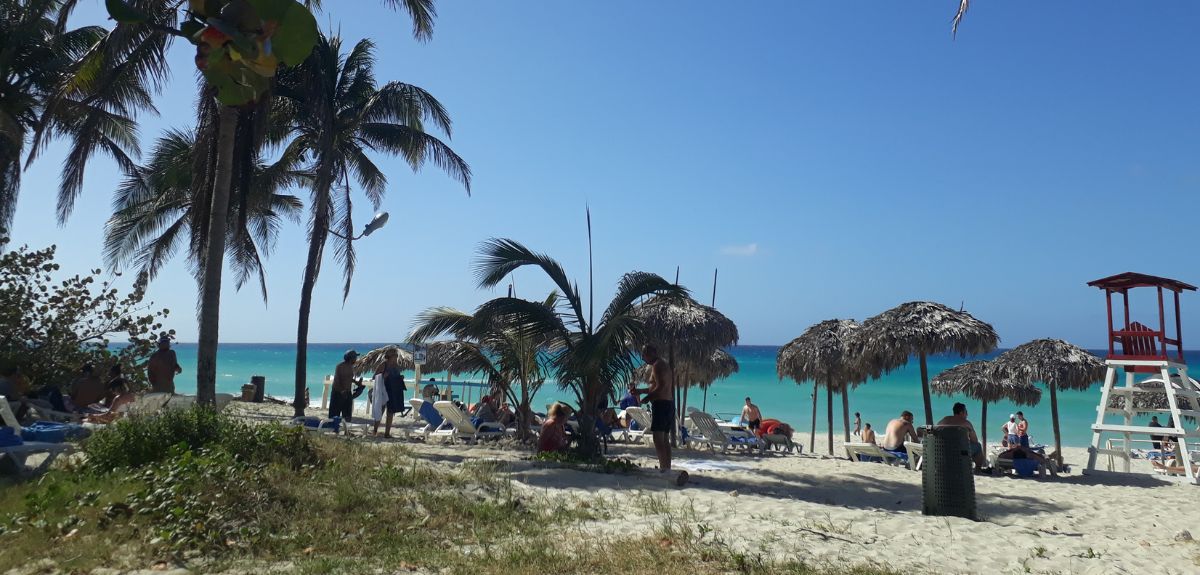
- Varadero: Cuba’s premier beach escape with miles of powdery white sand, turquoise waters, all-inclusive resorts, and easy day trips for a chill beach break.
- Trinidad: A perfectly preserved colonial gem (UNESCO-listed), cobblestone streets, colorful houses, no cars in the center, and a relaxed, artsy feel with nearby beaches and mountains.
- Viñales: Stunning rural valley famous for dramatic limestone mogotes, tobacco plantations, horseback riding, caves, and that classic Cuban countryside charm.
- Santiago de Cuba: The cultural soul of the east—birthplace of the revolution, hot Afro-Cuban rhythms, historic sites like Moncada Barracks, and a more Caribbean, musical energy.
Accommodation – Casas particulares (private homestays) are the way to go for authentic vibes and supporting locals—expect $25–50 USD per night for a nice double room with breakfast often included. In touristy spots like Varadero, all-inclusive resorts can run $100–200+ USD, but mid-range hotels or Airbnbs hover around $50–90 USD. Havana’s central spots might push $40–80 USD. Book ahead, especially in peak season (December–April), or go shoulder (May or November) to save.
Food – Cuban eats are hearty and cheap if you eat local. Street pizza or peso meals cost $1–3 USD, a full meal at a paladar (private restaurant) runs $8–15 USD per person with a drink. Breakfast at your casa? Often $5–8 USD. Mojitos or beers? $3–6 USD. In Varadero resorts, all-inclusives cover food, but outside, a good lobster dinner might hit $20–30 USD. Groceries for self-catering are super affordable if your casa has a kitchen.
Transportation – Getting around is the priciest part. Viazul buses between cities cost $10–30 USD (Havana to Viñales ~$15 USD, Havana to Trinidad ~$25 USD). Colectivos (shared taxis) are similar or a bit more but door-to-door. In cities, taxis or bici-taxis run $5–15 USD for short rides. Renting a classic car with driver for a day? $50–100 USD. No real metro, so walking old towns is free and the best way.
Activities – Many things are budget: wandering old towns is free, entry to museums or forts ~$5–10 USD. Horseback or cave tours in Viñales ~$15–30 USD. Salsa classes or cigar factory visits $10–20 USD. Varadero beach days are free if not in a resort.
Cuba’s got this incredible, almost frozen-in-time magic that pulls you right in. It’s a mix of revolutionary history, Afro-Cuban beats blasting from every doorway, vintage American cars rumbling by, and people who live life with passion despite challenges. You’ll feel the warmth immediately—strangers chat you up, offer coffee, or invite you to dance.
Expect contrasts: Havana’s buzzing with energy, crowds, and some grit (power outages happen, internet’s spotty), but the architecture and nightlife are unreal. Varadero’s all about relaxation—crystal waters and resorts—but head out for real Cuba. Trinidad feels like stepping into a painting: quiet, colorful, walkable. Viñales is pure nature—green valleys, farms, chill vibes. Santiago’s hotter, more Caribbean, with deep musical roots.
Weather’s tropical: hot and humid year-round (80–90°F summers), but December–April is drier and cooler (70–80°F). Hurricane season June–November can bring rain. Locals are super friendly, but English isn’t everywhere—learn basics like “hola,” “gracias,” “cuánto cuesta?” It opens doors. I once got lost in Trinidad, asked for directions, and ended up at a family’s casa for fresh juice and stories.
Safety-wise, Cuba’s one of the safer spots in the region—no big violent crime issues, but petty theft (pickpockets in crowds) happens, especially Havana. Use common sense: don’t flash cash, secure stuff, avoid dark empty streets alone. Power cuts and shortages (fuel, food) pop up, so plan flexible. For Americans, travel under OFAC categories like “support for the Cuban people”—stay in casas, eat private, it’s easy.
Cuba’s culture is alive: late nights, music till dawn, rum flowing, and that sense of community. Whether you’re sipping a mojito on the beach, riding through tobacco fields, or dancing in a casa de la música, it makes you feel connected. So grab our interactive maps for Havana, Varadero, Trinidad, Viñales, and Santiago de Cuba, and start mapping your adventure. Explore cities, plan smart, travel better!