If you’re dreaming of a trip to India, buckle up because you’re in for one wild ride. I’ve spent months bouncing around this massive country, dodging cows in the streets, haggling over chai in chaotic markets, and staring in awe at sunrises over ancient temples. India’s got everything—sprawling cities that never sleep, serene spiritual spots that make you rethink life, mouthwatering street food that’ll ruin your diet forever, and a history so layered it feels like stepping into a living museum. Whether you’re chasing adventure, diving into culture, or just hunting for that epic photo op, India’s cities will blow your mind. Let me walk you through my top picks for the best cities to visit, with some real-talk tips from my own mishaps and wins to help you plan smart and travel better.
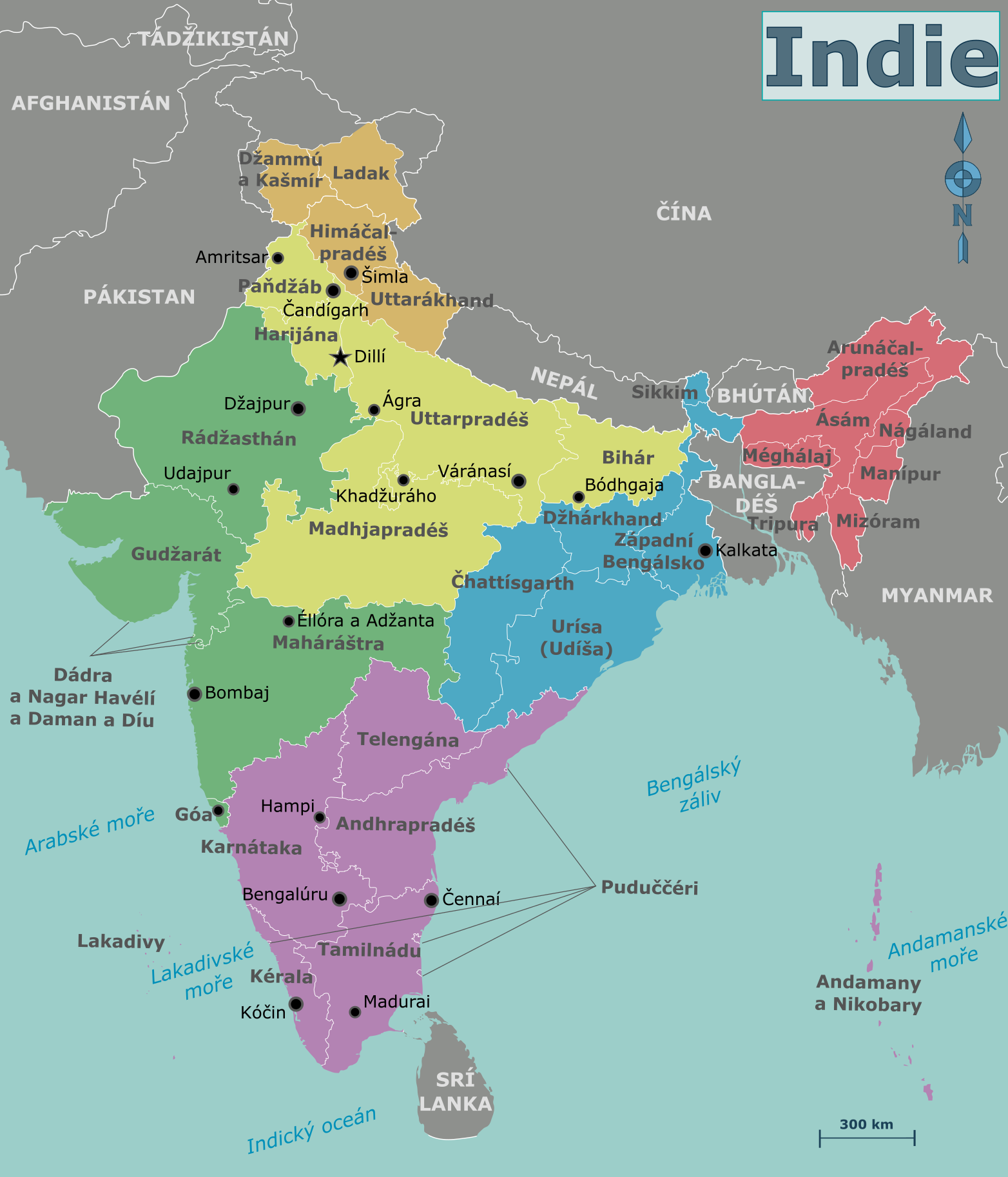
India is a sensory overload in the best possible sense. From the honking horns and spice-laden air of Delhi to the serene ghats of Varanasi at dawn, every city tells its own story. I’ve narrowed it down to five must-visit spots that capture the country’s incredible diversity: Delhi, Agra, Jaipur, Mumbai, and Varanasi. These form a solid backbone for a classic northern India itinerary (think Golden Triangle plus spiritual vibes). I’ll link you to deeper guides for each, plus practical tips on costs, hacks, and what to actually expect on the ground.
Top Cities to Visit in India
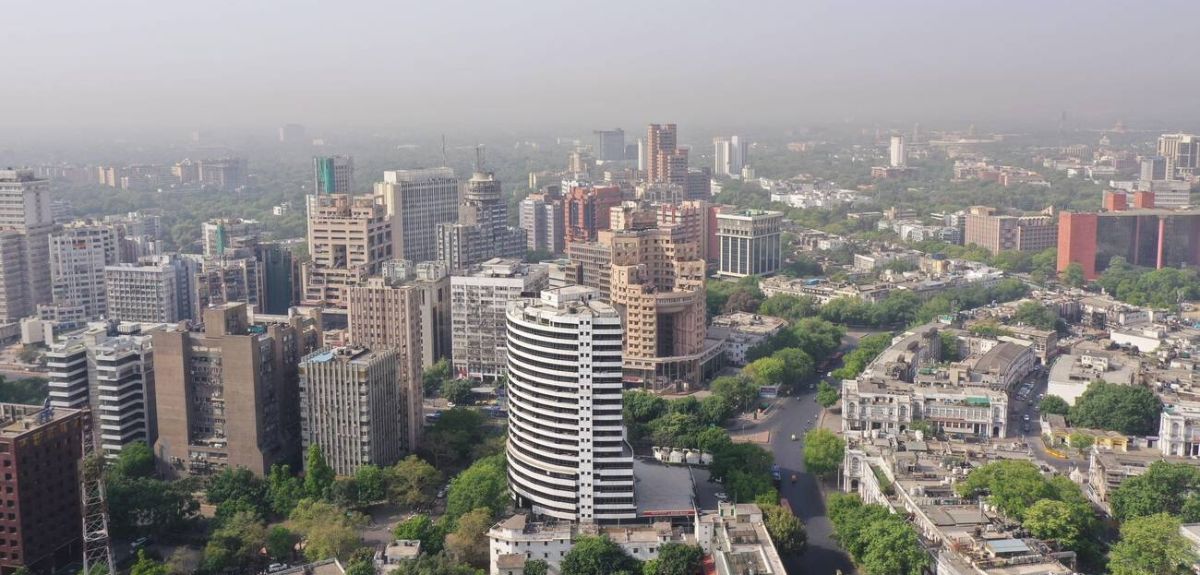
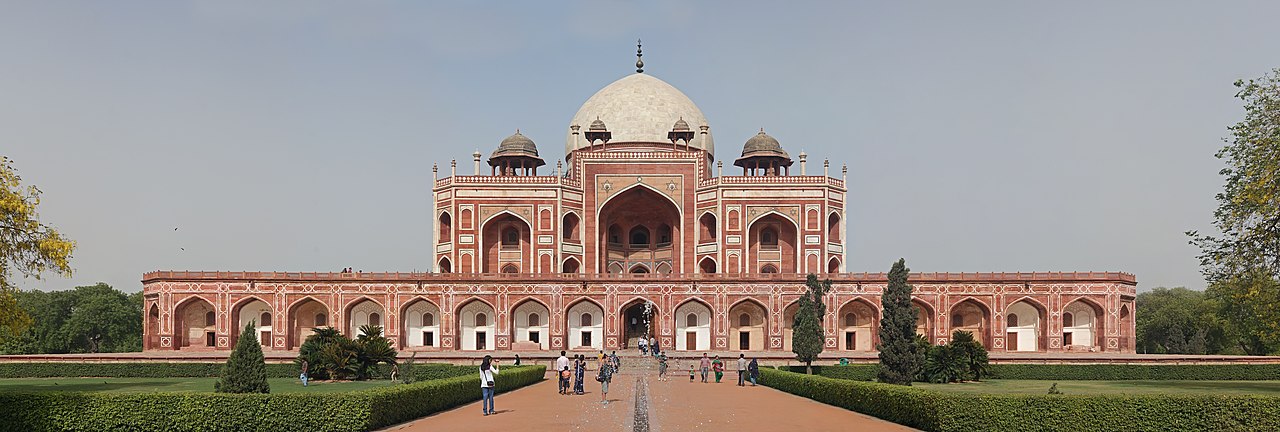
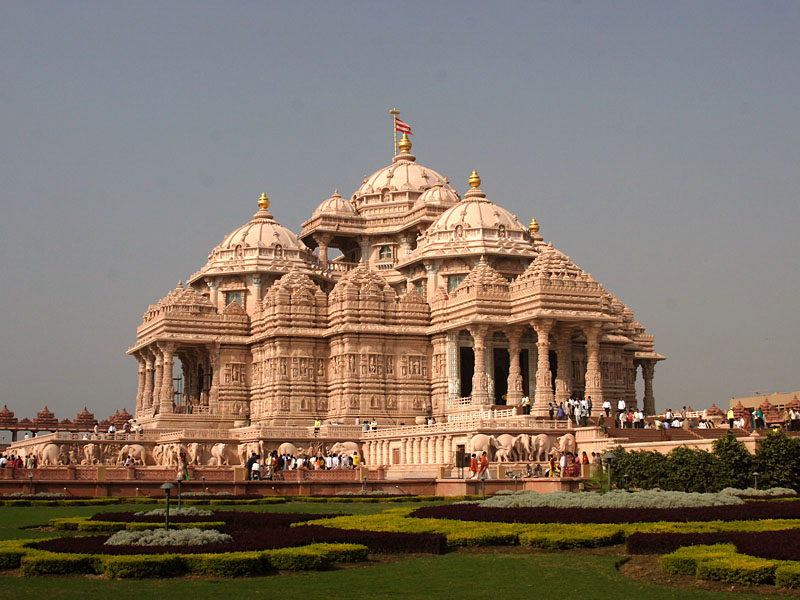
- Delhi: India’s vibrant capital, a whirlwind of ancient monuments, chaotic markets, and mouthwatering street food that blends Mughal history with modern hustle.
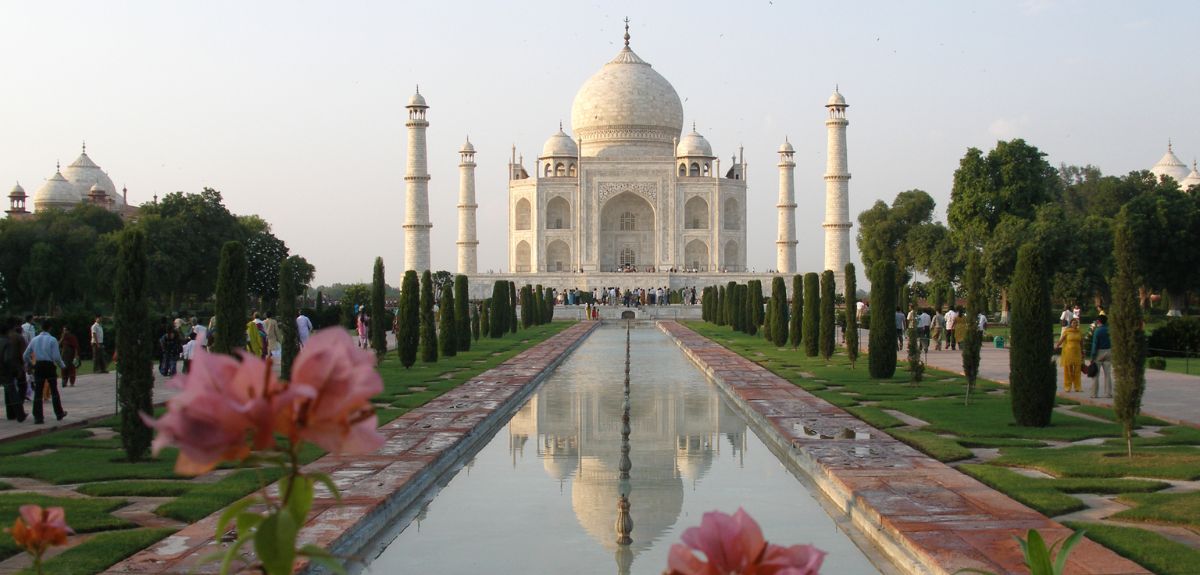
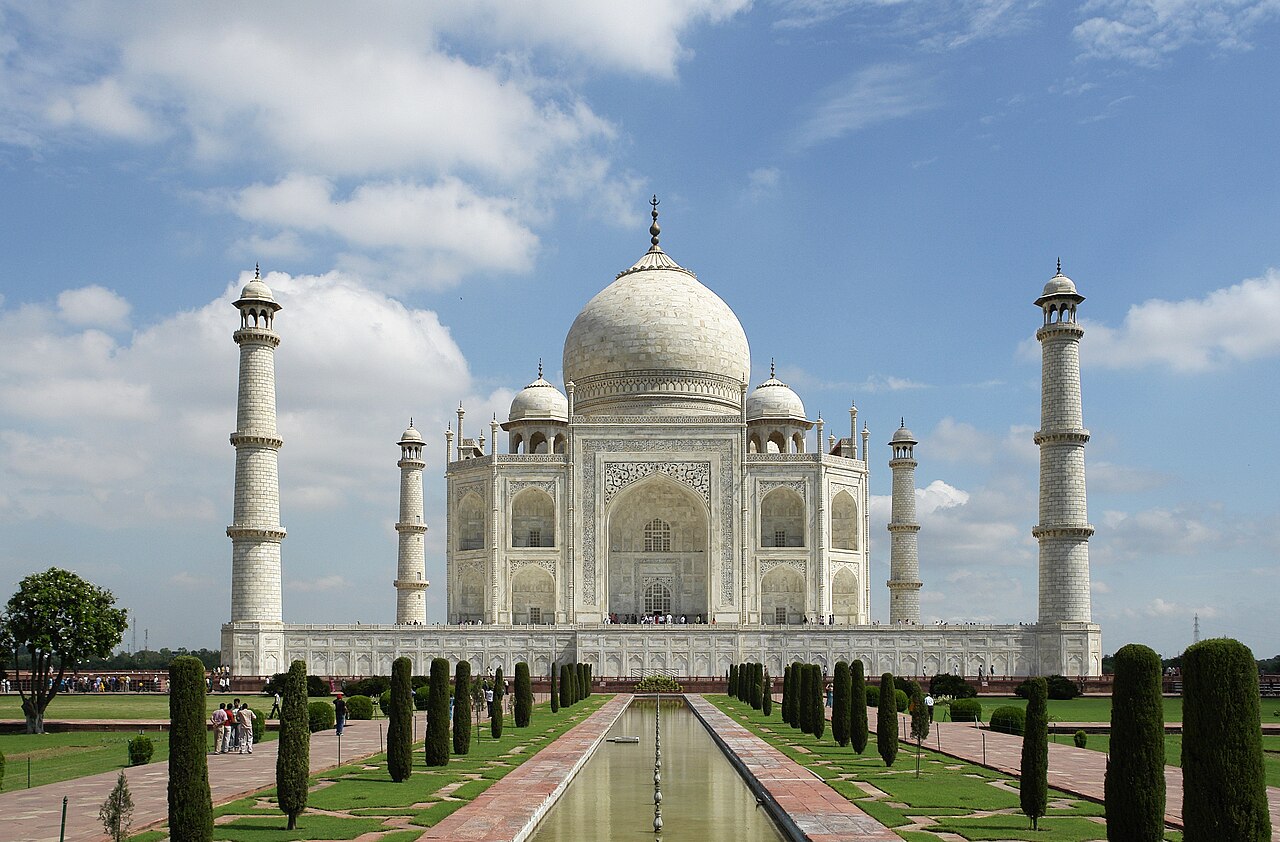
- Agra: Basically Taj Mahal central, with the stunning white marble wonder, plus Agra Fort and gardens that feel straight out of a fairy tale.
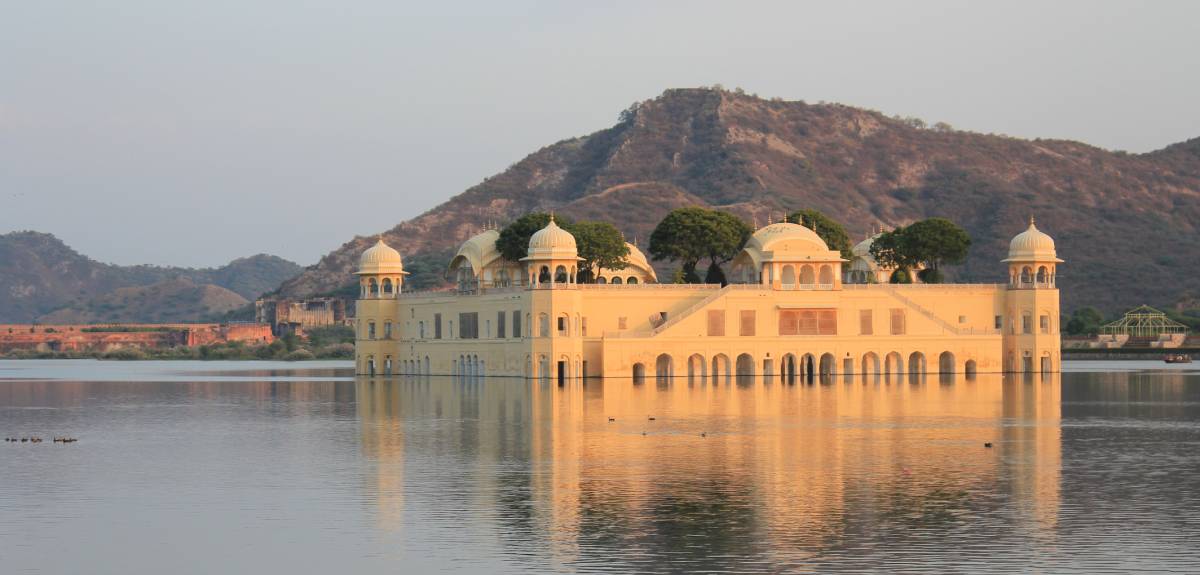
- Jaipur: The Pink City loaded with royal palaces like Amber Fort, colorful bazaars, and hilltop views that scream Rajasthan royalty.
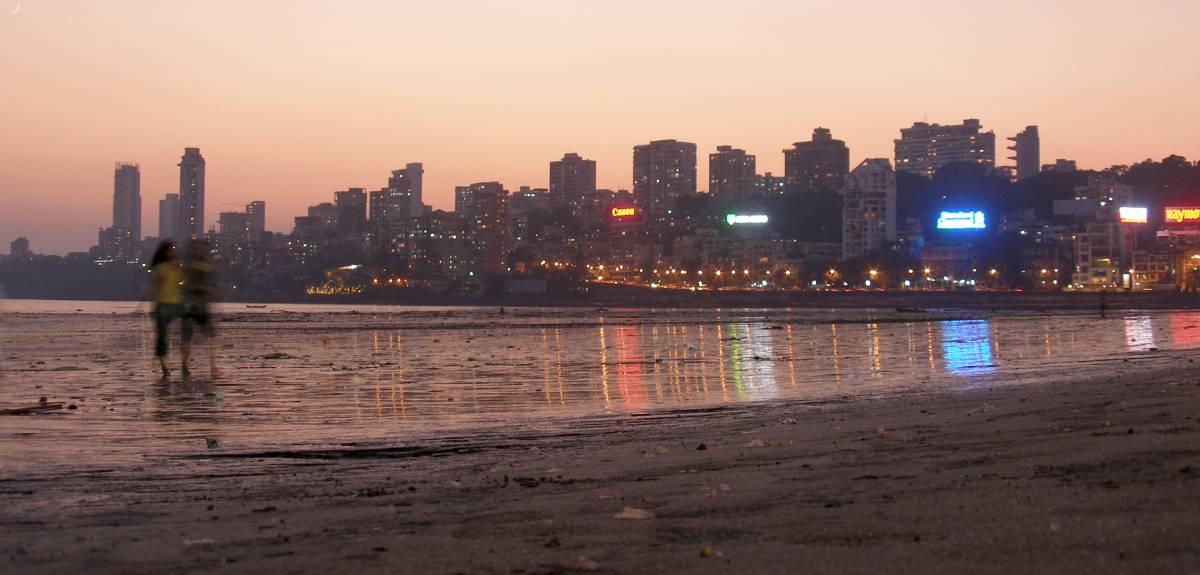
- Mumbai: India’s fast-paced heart, home to the Gateway of India, sunset strolls on Marine Drive, and a Bollywood energy that’s infectious.
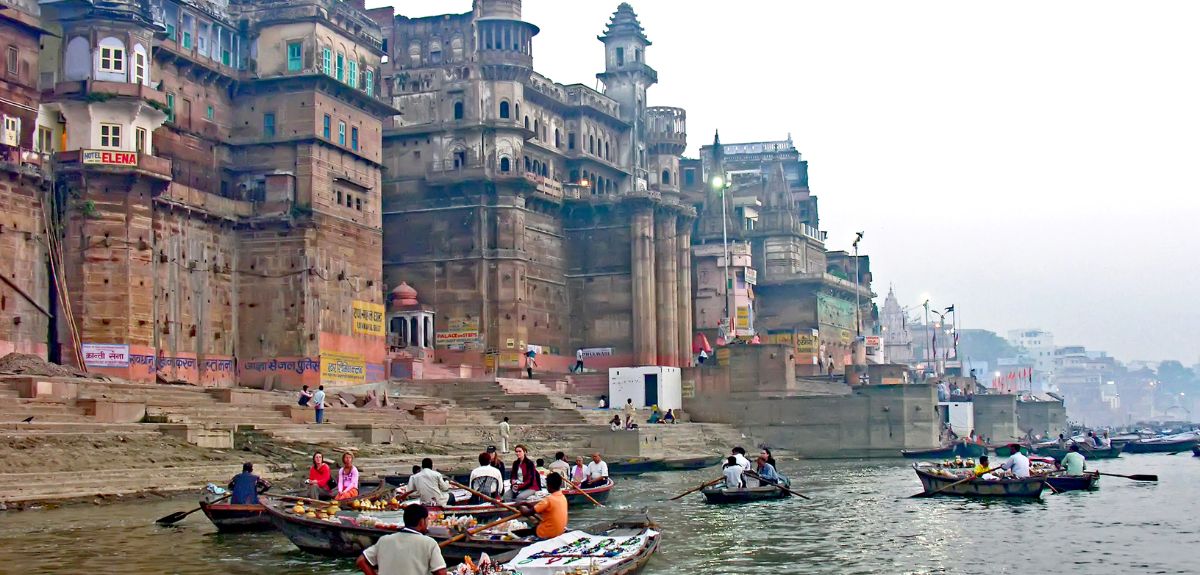
- Varanasi: The spiritual epicenter on the Ganges River, with ancient ghats, boat rides at dawn, and rituals that’ll leave you pondering the universe.
Accommodation – Mid-range hotels or guesthouses in these cities (with AC, clean rooms, and good location) typically run $40–80 USD per night for a double. Budget hostels or simple guesthouses go for $10–25 USD per night. Luxury heritage hotels or upscale spots in Jaipur or Mumbai can hit $150–300+ USD, especially in peak season (Oct–March). Booking ahead or traveling in shoulder seasons (April–May or Sept) saves big.
Food – This is where India shines on a budget. A hearty thali (full meal with rice, dal, veggies, and more) costs $2–5 USD at local spots. Street chaat or vada pav? Under $1. In Mumbai, fresh seafood or a solid restaurant meal runs $8–15 USD. Coffee or chai with snacks is $1–2 USD. Fine dining or tourist-oriented places go $15–40 USD per person, but you can eat amazingly well without splurging. I still dream about those Delhi parathas.
Transportation – Trains are the way to go—book via IRCTC in advance. Delhi to Agra or Jaipur runs $5–20 USD in decent classes. Flights between cities are affordable if booked early ($30–80 USD). In-city, metro or auto-rickshaws cost $1–3 USD per ride; Uber/Ola is convenient and cheap. Taxis for day trips (like Delhi-Agra) can be $50–100 USD shared. Renting a car with driver is common for the Golden Triangle and worth it for comfort.
India’s got this electric vibe that grabs you and doesn’t let go. It’s where ancient traditions slam into modern hustle—picture rickshaws zipping past skyscrapers in Mumbai or sadhus chanting by the Ganges in Varanasi while smartphones light up the night. The people are incredibly welcoming once you break through the initial chaos, and there’s always a festival or street party brewing, from Diwali lights to Holi colors.
Brace for a mix of high-energy crowds and peaceful pockets. In New Delhi, you’ll battle traffic one second and chill in Lodi Gardens the next. Agra’s all about that Taj wow factor, but the touts can be relentless. Jaipur feels like a royal escape with its forts, while Mumbai’s non-stop energy hits like a Bollywood blockbuster. Varanasi? It’s raw and spiritual, with rituals that’ll stick with you forever.
Weather-wise, summers (April–June) are scorching (90–110°F), monsoons (July–September) bring rain and floods, and winters (December–February) are mild (50–75°F) and prime time to visit. Spring and fall are gold for comfy temps (70–85°F). Folks speak English in tourist spots, but Hindi basics like “namaste” or “dhanyavaad” (thank you) earn smiles. I butchered ordering momos in Delhi with my pidgin Hindi, and the vendor laughed while piling on extras—those connections make India magic.
Safety’s solid for most travelers, but stay alert like anywhere. I’ve roamed solo without issues, but pickpockets thrive in crowds like Chandni Chowk or near the Taj. Use ride apps over random taxis, keep valuables hidden, and avoid isolated spots at night. For women, dress modestly (cover shoulders/knees in temples) and team up for evenings—it’s cultural respect that goes far. Public transport’s reliable, but trains can be packed; opt for AC classes. Driving? Forget it unless you’re adventurous—roads are good now, but traffic’s nuts.
India’s culture is its soul—diverse religions, epic food (spicy alert!), and a “jugaad” spirit of making things work. You’ll see late-night chai stalls buzzing, families sharing massive meals, and a passion for cricket or Bollywood that unites everyone. It can overwhelm at first—noise, smells, stares—but lean in, and it’ll change you. From dodging monkeys at Jaipur forts to floating lamps on the Ganges, India makes you feel alive. So, grab our interactive maps for New Delhi, Agra, Jaipur, Mumbai, and Varanasi, and start mapping your adventure. Explore cities, plan smart, travel better!