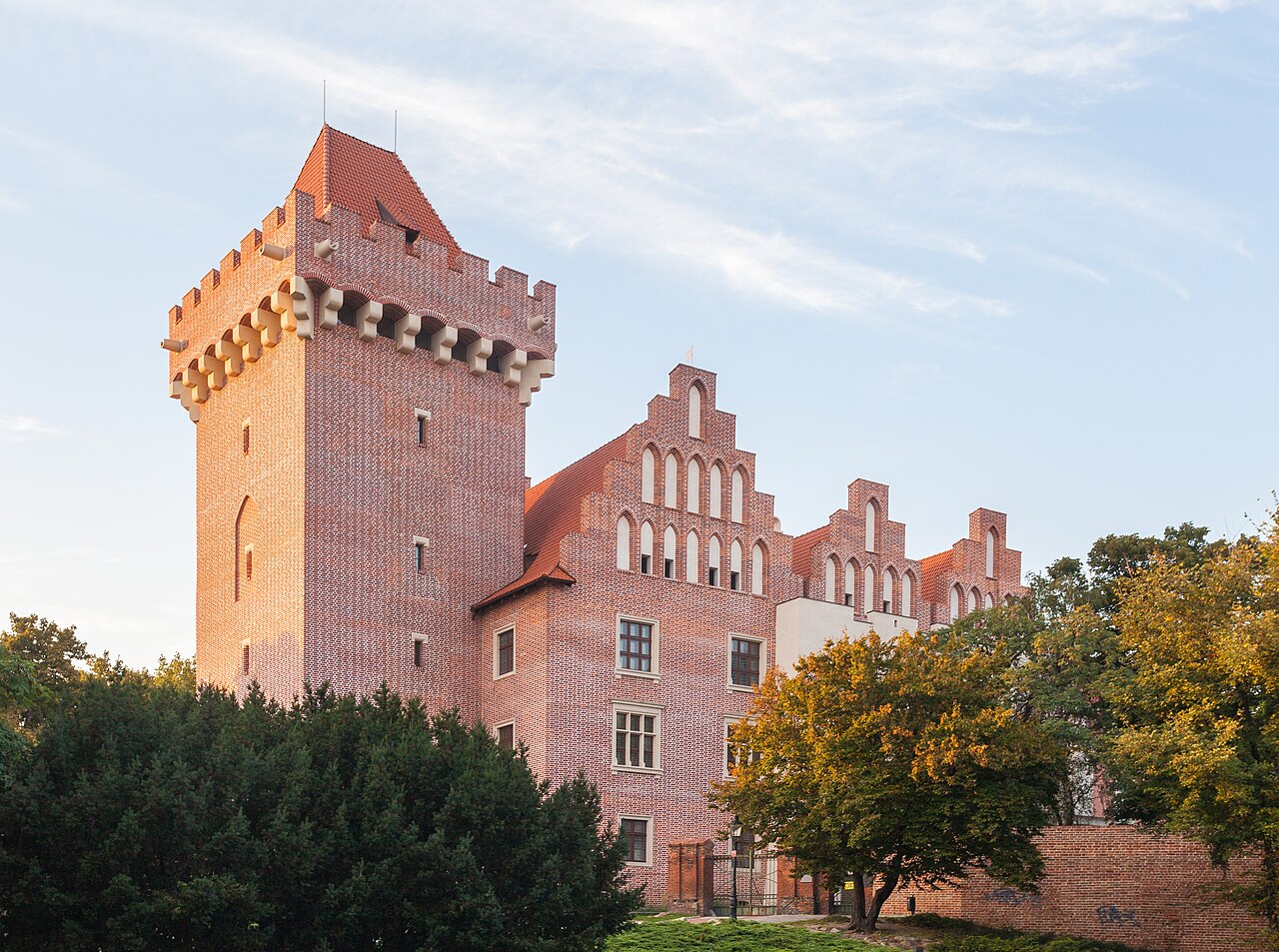






Description
Established in 1902 to house treasures from the 5th-century BC Purification Pit, the Archaeological Museum of Mykonos remains one of Greece’s most significant historical landmarks. Standing before the intricate 7th-century BC Mykonos Pithos, the sheer weight of Aegean history hits different, seamlessly connecting you to the ancient maritime soul of the Cycladic islands.
Why is this experience so famous?
The Archaeological Museum of Mykonos is consistently featured in major travel guides as the definitive, essential cultural stop in the Cyclades, standing as one of the oldest and most prestigious museums in Greece. People rave about its world-famous crowd-pleaser, the 7th-century BC “Mykonos Pithos,” which features the oldest known relief depiction of the Trojan Horse and the Fall of Troy. It is a must-do because it is not just a museum visit; it is an immersive cultural deep dive that acts as the primary custodian for the sacred island of Delos, showcasing a breathtaking collection of ancient jewelry, Cycladic ceramics, and monumental sculptures. Stepping inside this neoclassical gem transforms your island vacation into a powerful journey through thousands of years of maritime history and mythological grandeur.
Is it worth visiting?
Absolutely, especially if you are seeking a profound connection to the ancient soul of the Cyclades beyond the modern glamour of Mykonos. You will be captivated by world-class highlights like the magnificent 7th-century BC Mykonos Pithos, which features one of the earliest depictions of the Trojan Horse, and the exquisite collection of marble figurines and jewelry unearthed from the sacred island of Delos. The atmosphere is serene and intimate, offering a high-quality cultural deep-dive that is considered great value and enhanced by very knowledgeable staff. This museum is consistently recommended as an essential historical stop by countless positive reviews and is a must-visit for any history lover. Skip the hassle of waiting in line, book your tickets or combined tours online today to reserve now and pay later, and benefit from free cancellation.
What’s the best time to visit?
For the best experience, visit during the shoulder seasons of April-May or September-October for pleasant weather and fewer crowds. Peak summer brings intense heat and significant tourist traffic. Savvy travelers should arrive right at opening or late afternoon to avoid the midday cruise ship rush. Note that the museum is typically closed on Tuesdays and can be busier during winter free entry Sundays.
How much time should I allow for this experience?
Allow a total of 1 to 1.5 hours for a basic visit focused on the main masterpieces and the iconic Mykonos Vase. For a more thorough experience, including studying the ancient jewelry and reading all historical plaques, budget for a complete 2 hours. Always allow an extra 15 to 20 minutes of buffer time for the entry process and the short walk from the harbor. This compact experience is an ideal intellectual break to pair with a morning stroll through Mykonos Town or as a quiet activity before an evening meal.
Is it better to go in the morning or afternoon?
This is a great question, and the choice depends on whether you prefer a focused start or a cool mid-day escape. The Archaeological Museum of Mykonos offers two distinct vibes depending on your timing.
The Morning Advantage: Arriving right at opening is for the serious history buff. You benefit from the quietest atmosphere before the large cruise ship excursions descend on Mykonos Town. The air is fresh, your mind is sharp, and you can study the intricate details of the famous 7th-century BC Pithos of Mykonos in near-silence. It is an efficient and serene way to begin your day.
The Afternoon Advantage: On the other hand, the afternoon serves as a perfect refuge from the intense Cycladic sun. As the heat peaks outside, the museum provides a contemplative sanctuary. It is a more relaxed experience that allows you to decompress and synthesize the history of the region after a morning spent at the beaches or exploring the ruins of Delos.
My Recommendation: For a museum of this historical density, my recommendation is the Morning visit. Archaeological collections are best experienced with high energy and a clear head. By completing your cultural deep-dive early, you avoid the mental fatigue that sets in after a day of sun and sightseeing, ensuring you actually absorb the region’s maritime significance rather than just walking past the exhibits.
Insider Tip: To truly have the galleries to yourself, aim for the 1:30 PM to 2:30 PM window. This is the strategic sweet spot because the morning tour groups have moved on to lunch and the afternoon visitors have not yet migrated from the beaches back into town.
This morning visit perfectly prepares you for a leisurely lunch at a traditional taverna in the nearby Old Port. Having grounded yourself in the island’s ancient past, you will find that your afternoon stroll through the labyrinthine streets of Chora feels less like a tourist walk and more like a journey through living history, setting you up ideally for a sunset cocktail at the Windmills.
In summary, this is a must-do, enriching historical experience that offers a deep dive into the ancient maritime and cultural significance of the Cycladic islands. Plan to allow approximately 1 to 2 hours for your visit, with the best seasons to explore being Spring or Fall for the most pleasant weather. Booking your tickets online provides the ultimate flexibility with reserve now and pay later options and free cancellation benefits. Secure your tickets now.
Copyright & Affiliate Notice: Image Credit: Wikimedia Commons – Image licensed under Creative Commons via Wikimedia Commons. This site contains affiliate links. We may earn a commission if you buy through our links – at no extra cost to you.