







Description
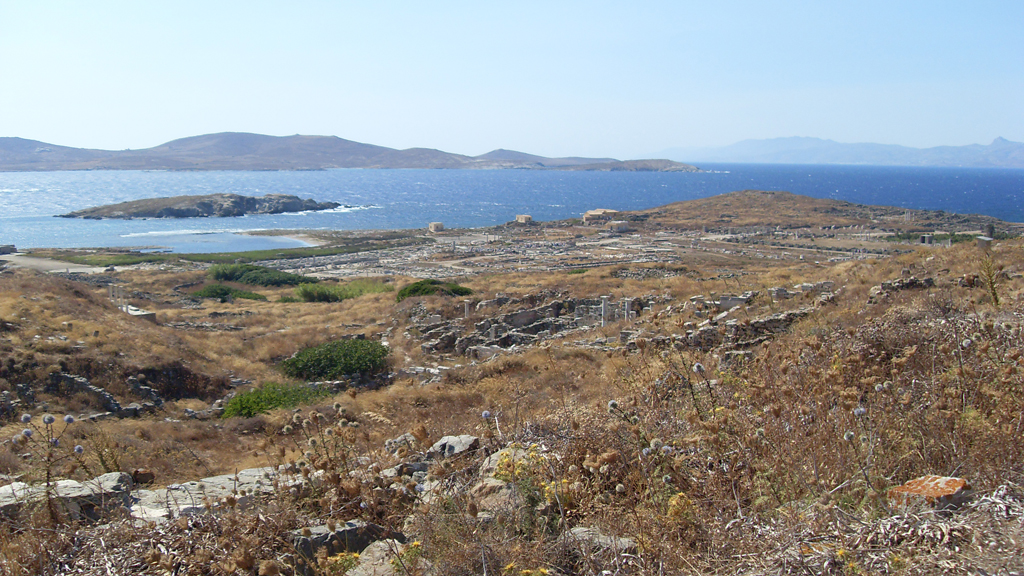
Once home to over 30,000 residents, the sacred island of Delos stands as one of the most extensive and significant archaeological sites in the Mediterranean. Stepping into this UNESCO World Heritage marvel hits different, as you wander through the ruins of an ancient cosmopolitan port that served as the mythical birthplace of Apollo and Artemis.
Why is this experience so famous?
Delos is consistently ranked as a premier UNESCO World Heritage Site and an essential Greek historical experience featured in every major travel guide. People rave about its famous blend of mythological wonder and archaeological grandeur, specifically the iconic Terrace of the Lions and the remarkably preserved House of Dionysus with its stunning mosaics. It is a must-do because it is not just an ancient ruin; it is a profound cultural deep dive into the “most sacred of all islands,” offering a rare, immersive journey through a once-bustling cosmopolitan Mediterranean port that served as the legendary birthplace of the gods Apollo and Artemis.
Is it worth visiting?
Absolutely, especially if you are seeking a profound journey into the heart of Greek mythology and ancient history. You will be mesmerized by the iconic Terrace of the Lions, the remarkably preserved mosaic floors in the ancient villas, and the breathtaking 360-degree views from the summit of Mount Kynthos. The atmosphere is one of serene, open-air exploration, offering a premium cultural deep-dive that is considered great value with knowledgeable guides. This UNESCO World Heritage Site is consistently ranked as a must-visit and a top thing to do by countless positive reviews. Skip the hassle of waiting in line, book online today to reserve now & pay later, and benefit from free cancellation.
What’s the best time to visit?
For the best experience, visit during Spring (April–May) or Fall (September–October) for pleasant temperatures and wildflowers. Summer is high season, bringing extreme heat and dense crowds; if visiting then, take the earliest morning ferry to beat the midday sun and peak tourist arrival. Avoid free entry days like March 6th or September’s last weekend to escape the largest local crowds.
How much time should I allow for this experience?
Allow a total of 2 to 3 hours for a basic visit covering the main archaeological highlights and the museum. If you prefer a thorough exploration, including the climb up Mount Kynthos and more time for photography among the ruins, budget for a complete 4 hours. Always allow an extra 30 to 45 minutes of buffer time for the ferry crossing and potential queues at the ticket office upon arrival. This activity is best scheduled as a half-day trip, ideally starting with an early morning departure from Mykonos to avoid the peak midday heat and crowds.
Is it better to go in the morning or afternoon?
This is a critical question for any visitor to Delos, and the choice between morning and afternoon will completely define your experience of this ancient sanctuary.
The Morning Advantage: Arriving on the first boat (usually around 9:00 AM or 10:00 AM) is the choice for the serious historian and the heat-averse traveler. You benefit from the “freshest” air of the day and significantly fewer crowds, allowing you to walk the Terrace of the Lions and the House of Dionysus in relative silence. Most importantly, since Delos has virtually no shade, the morning sun is far more forgiving as you navigate the extensive ruins.
The Afternoon Advantage: Conversely, the late afternoon offers a more romantic, atmospheric experience. As the midday day-trippers depart, the site becomes incredibly peaceful. The shifting light as the sun begins its descent casts long, dramatic shadows across the marble columns, creating a photographer’s paradise and a deeply evocative “lost city” vibe.
My Recommendation: For a vast, open-air archaeological site of this magnitude, my recommendation is unequivocally the Morning. Delos is an intensive walking experience through a completely exposed landscape. By starting early, you ensure your energy levels are high for the climb up Mount Kynthos and you avoid the punishing Aegean midday heat that can make exploration exhausting rather than enlightening.
Insider Tip: Aim to be on the very first ferry departing from Mykonos. Once you land, head immediately to the furthest points of the site—like the Theatre District or the trek up Mount Kynthos—while most other visitors are still clustered near the entrance. This “reverse route” strategy ensures you stay one step ahead of the groups.
Starting your day with a morning trip to Delos is the perfect cultural foundation. It allows you to complete your exploration by early afternoon, leaving you perfectly timed to head back to Mykonos for a late, relaxed lunch by the water and a well-earned afternoon of beach lounging or exploring the winding streets of Chora.
In summary, this is a must-do, historically significant experience that offers a profound journey into the birthplace of Apollo and one of Greece’s most important archaeological sites. Plan to allow 2 to 4 hours for your visit, and the best seasons are Spring or Fall for the most pleasant weather. Booking online via GetYourGuide offers the convenience of flexibility with reserve now and pay later and free cancellation benefits. Secure your tickets now.
Copyright & Affiliate Notice: Image Credit: Wikimedia Commons – Image licensed under Creative Commons via Wikimedia Commons. This site contains affiliate links. We may earn a commission if you buy through our links – at no extra cost to you.


