




Description
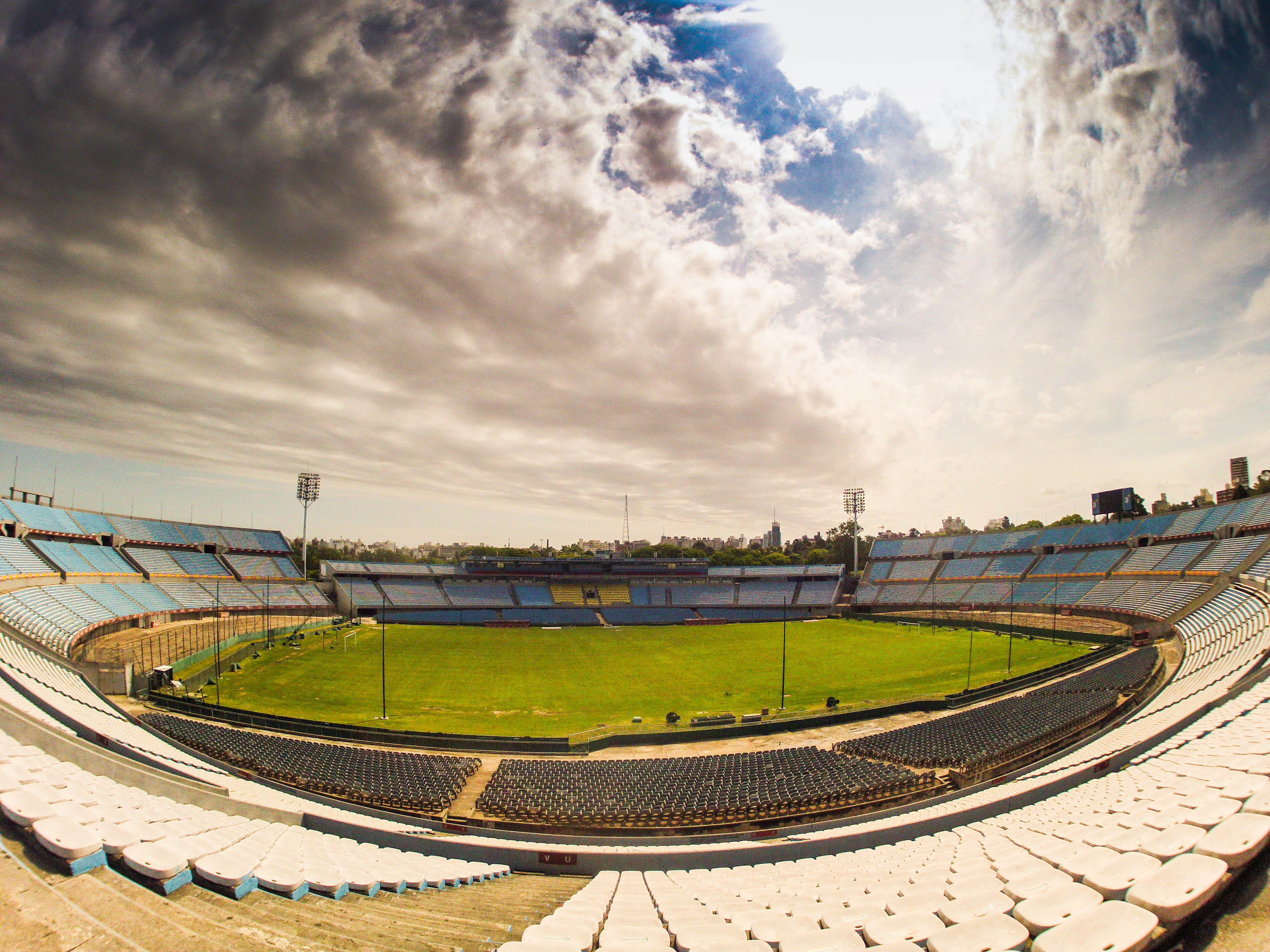
As the only venue globally honored as a Historic Monument of World Football by FIFA, Estadio Centenario is the definitive pilgrimage for any sports fan. Stepping onto the hallowed grounds of the first-ever 1930 World Cup final hits different, immersing you in the legendary soul and architectural grandeur of this iconic Montevideo landmark.
Why is this experience so famous?
Estadio Centenario is consistently ranked as a premier global attraction, celebrated as FIFAs only Historical Monument of World Football and the legendary birthplace of the first-ever World Cup in 1930. People rave about the perfect blend of iconic architecture and the immersive Football Museum, which houses an incredible collection of trophies and memorabilia. It is a must-do because it is not just a tour; it is a heart-pounding cultural deep dive into the spiritual home of Uruguayan football, offering a rare chance to walk the grounds where sporting history was born.
Is it worth visiting?
Absolutely, especially if you are a football enthusiast or a history buff seeking to experience the birthplace of the FIFA World Cup. You will be captivated by the immersive Football Museum housing rare memorabilia from the 1930 tournament, the iconic Torre de los Homenajes, and the chance to step into a stadium designated as a FIFA Historic Monument. The experience offers a profound cultural deep-dive with knowledgeable guides and is considered great value for anyone visiting Montevideo. This legendary landmark is consistently highly rated by visitors for its rich sporting heritage and impressive architecture. Skip the hassle of waiting in lines by booking your tickets online today to reserve now and pay later, and benefit from the flexibility of free cancellation.
What’s the best time to visit?
For the best experience, visit during the mild shoulder seasons of Spring (September-November) or Fall (March-May) for pleasant sightseeing weather. Summer (December-February) brings peak crowds and higher prices, while winter is quieter but cooler. Insider tip: Visit on a weekday morning right at opening to avoid the school groups and local crowds that often gather on weekends and holidays.
How much time should I allow for this experience?
Allow a total of 1 to 1.5 hours for a basic visit focused on the main museum exhibits and a view of the stadium field. If you plan for a more thorough experience, including a guided tour of the stands, the press area, and detailed exploration of the 1930 World Cup memorabilia, budget for a complete 2 to 2.5 hours. Always allow an extra 15 to 20 minutes of buffer time for ticket validation and navigating the stadium grounds. This experience is best scheduled as a mid-morning or afternoon activity, easily combined with a visit to the nearby Parque Batlle for a practical Montevideo itinerary.
Is it better to go in the morning or afternoon?
This is an excellent question for a site as storied as Estadio Centenario. Choosing the right time to visit this “Monument of World Football” can significantly impact your ability to soak in its historic atmosphere.
The Morning Advantage: Arriving in the morning, ideally right when the museum opens at 10:00 AM, is perfect for the focused historian. You’ll beat the larger tour groups and school trips that often arrive midday, giving you quiet, unobstructed access to the museum’s 1930 World Cup memorabilia and the chance to take clean photos of the iconic Olympic Tower and the pitch.
The Afternoon Advantage: Visiting in the afternoon offers a more relaxed, contemplative vibe. As the sun begins to dip lower, the light hitting the concrete stands of this 1930s architectural marvel becomes much more dramatic, highlighting the stadium’s unique textures and scale. However, you must be mindful of the 5:00 PM closing time to ensure you aren’t rushed through the extensive exhibits.
My Recommendation: For a legendary museum and stadium experience like this, I unequivocally recommend a Morning visit. Museums are best tackled when your energy is high and the crowds are thin, allowing you to fully absorb the depth of Uruguay’s football heritage without distraction.
Insider Tip: Aim to arrive by 10:30 AM on a Tuesday or Wednesday. These are statistically the quietest times, ensuring you have the “Museo del Fútbol” almost to yourself. Also, always double-check the schedule if a match is scheduled for that day, as the museum often closes early or remains shut for security.
This morning slot works perfectly for your Montevideo itinerary; after spending two hours exploring the stadium, you’ll be ideally positioned in the Parque Batlle neighborhood for a traditional Uruguayan lunch nearby, leaving your entire afternoon free for a scenic stroll along the Rambla or a visit to the Old Town.
In summary, this is a must-do, historic experience that delivers a deep dive into the heritage of a Monument of World Football. Plan to allow approximately 2 hours for your visit, and while it is accessible year-round, the spring or fall months offer the most pleasant weather for exploring the stadium. Booking online offers flexibility with reserve now and pay later and free cancellation benefits. Secure your tickets now.
Copyright & Affiliate Notice: Image Credit: Wikimedia Commons – Image licensed under Creative Commons via Wikimedia Commons. This site contains affiliate links. We may earn a commission if you buy through our links – at no extra cost to you.