




Description
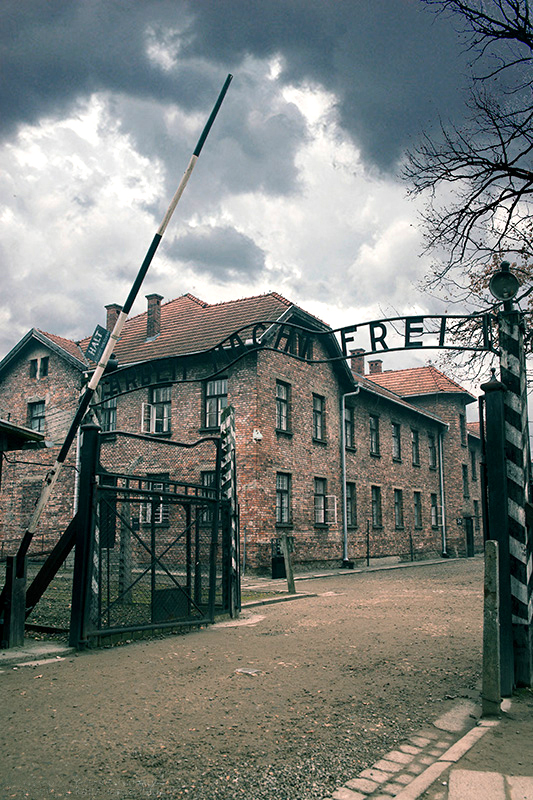
As the largest Nazi concentration and extermination camp, Auschwitz-Birkenau stands as the world’s most emblematic symbol of the Holocaust, where over 1.1 million lives were lost. Walking through the gate of this profound memorial, the weight of history truly hits different, connecting you to the resilience and memory of those who perished.
Why is this experience so famous?
Auschwitz-Birkenau is consistently ranked as one of the most preeminent and essential historical sites in the world, serving as a globally recognized UNESCO World Heritage monument. Visitors are deeply moved by the site’s authentic preservation, from the infamous “Arbeit Macht Frei” gate to the sprawling remains of Birkenau, which offer a profound and unparalleled connection to history. It is a definitive must-do because it transcends a typical museum visit; it is a transformative cultural deep dive and a powerful encounter with the human spirit that provides vital lessons for our contemporary world.
Is it worth visiting?
Definitely, especially if you are seeking a profound, educational, and essential historical experience while in Poland. You will be deeply moved by the preserved barracks of Auschwitz I, the hauntingly vast scale of the Birkenau site, and the convenience of skip-the-line access. The atmosphere is solemn and respectful, with knowledgeable guides providing an intimate and premium cultural deep-dive that is considered great value. This memorial is consistently ranked as a must-visit site and is highly honored by countless positive reviews. Skip the hassle of waiting in line, book online today to reserve now & pay later, and benefit from free cancellation.
What’s the best time to visit?
For a more reflective experience, aim for Spring or Fall when the weather is mild. The high season (April-October) is extremely crowded, so booking months in advance is essential. For fewer crowds, visit during the winter low season. Insider tip: Arrive for the earliest morning slots or late afternoon to avoid the midday rush, and target weekdays to ensure a more intimate, solemn atmosphere.
How much time should I allow for this experience?
Allow a total of 3.5 to 4 hours for a basic guided tour, which covers the primary exhibitions at Auschwitz I and the significant memorial sites at Auschwitz II-Birkenau. If you prefer a more thorough experience, such as a study tour or a self-guided visit that allows for deeper reflection and exploration of the vast Birkenau grounds, budget for 6 to 7 hours. Always allow an extra 30 minutes of buffer time for mandatory security checks and orientation before your scheduled entry. This experience is best scheduled as a dedicated morning activity to ensure you have sufficient time for reflection and can return to Krakow by late afternoon.
Is it better to go in the morning or afternoon?
Deciding between a morning or afternoon visit to Auschwitz-Birkenau is about balancing emotional readiness with the logistical realities of such a vast and profound site.
The Morning Advantage: A morning visit, ideally the first slots between 7:30 AM and 9:00 AM, is the choice for the serious visitor. You benefit from cooler temperatures—crucial for the extensive outdoor walking at Birkenau—and a sense of relative stillness before the largest tour groups arrive from Krakow. It allows you to approach the experience with a clear, focused mind.
The Afternoon Advantage: Afternoon visits can sometimes offer a more solitary atmosphere as the morning crowds begin to depart. The late light over the tracks at Birkenau provides a somber, reflective backdrop, though you must be mindful of the museum’s closing hours to ensure you are not rushed through the second half of the site.
My Recommendation: For a site of this immense historical and emotional weight, my recommendation is unequivocally the Morning. This is a demanding four-to-five-hour experience that requires significant mental and physical energy. Starting early ensures you have the necessary stamina and prevents the fatigue that can set in after a full day of other sightseeing.
Insider Tip: Book your entry for as early as possible and arrive at the main Auschwitz I gate at least 30 minutes before your scheduled time to clear the mandatory security. If you prefer a self-guided pace, look for the specific time windows very early in the morning when the museum allows entry without a mandatory educator-led group.
This schedule allows you to return to Krakow by mid-afternoon, providing much-needed time for quiet reflection or a somber walk through the Kazimierz Jewish District in the evening, connecting the history you have seen with the resilient culture that remains today.
In summary, this is a profound and essential historical experience that serves as a moving tribute to the victims of the Holocaust. Plan to allow approximately 3.5 to 6 hours for your visit, and while the memorial is open year-round, visiting during the Spring or Fall offers the most pleasant weather for exploring the extensive grounds. Booking your tickets online provides the flexibility of reserving now and paying later along with free cancellation benefits. Secure your tickets now.
Copyright & Affiliate Notice: Image Credit: Wikimedia Commons – Image licensed under Creative Commons via Wikimedia Commons. This site contains affiliate links. We may earn a commission if you buy through our links – at no extra cost to you.