




Description
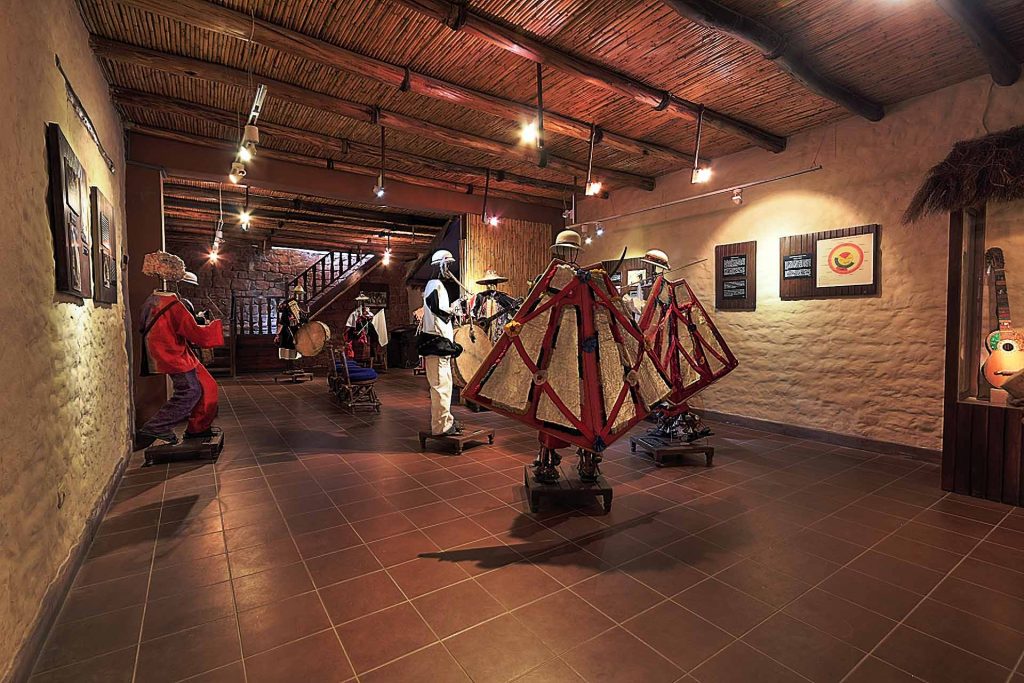
As a vital center for preserving Bolivia’s artistic heritage, the Museo de Arte Indígena showcases the world-renowned textile traditions of the Jalq’a and Tarabuco cultures. Stepping into this space, the vibrant intricate hand-woven masterpieces and ancient ceramics hit different, connecting you directly to the living soul of the Andes’ most significant ancestral craft.
Why is this experience so famous?
Why is it famous? The Museo de Arte Indígena is consistently ranked as the premier cultural experience in Sucre and is featured in every major travel guide for its unparalleled prestige. Visitors rave about the stunning, world-renowned textile collection, specifically the intricate hand-woven masterpieces of the Jalq’a and Tarabuco cultures that showcase breathtaking artistry and ancient ceramics. It is an absolute must-do because it isn’t just a museum visit; it’s an immersive cultural deep dive that connects you directly to the living soul of Bolivia’s indigenous heritage, transforming a simple tour into a powerful, heart-pounding journey through preserved tradition.
Is it worth visiting?
Definitely, especially if you are seeking to immerse yourself in the rich cultural soul of Bolivia and its stunning textile traditions. You will be captivated by the intricate hand-woven masterpieces of the Jalq’a and Tarabuco cultures and the impressive collection of ancient ceramics that showcase a vital artistic heritage. The atmosphere is deeply educational and respectful, offering a high-quality experience that is considered a great value for those wanting to understand the preservation of indigenous arts. This museum is consistently highlighted as a top-rated cultural destination in Sucre and is a must-visit according to numerous positive traveler reviews. Skip the hassle of waiting in line, book online today to reserve now and pay later, and benefit from free cancellation.
What’s the best time to visit?
For the best experience, visit during Sucre’s dry season from May to October for pleasant weather. High season offers a vibrant atmosphere, while the low season provides quieter galleries and lower prices. Insider tip: Visit on a weekday morning right at opening (9:00 AM) to enjoy the intricate textiles in a more intimate setting and avoid the larger afternoon tour groups.
How much time should I allow for this experience?
Allow a total of 1 to 1.5 hours for a basic visit focused on the primary textile galleries and ceramic displays. If you plan for a more thorough experience, including observing live weaving demonstrations and browsing the detailed cultural exhibits in the museum shop, budget for a complete 2 hours. Always allow an extra 20 minutes of buffer time to account for the steep walk up to the museum’s location near La Recoleta. This experience is best scheduled as a morning activity to take advantage of the natural light on the textiles before heading to a nearby viewpoint for lunch.
Is it better to go in the morning or afternoon?
This is a fantastic question, and for a specialized cultural gem like the Museo de Arte Indígena, the timing significantly impacts your appreciation of the intricate artistry on display.
The Morning Advantage: Arriving right at opening (typically 9:30 AM) is for the focused culture seeker. You benefit from the quietest environment and the freshest mental energy, which is essential for truly absorbing the complex symbolism and storytelling woven into the Jalq’a and Tarabuco textiles. It is a peaceful, intellectual way to begin your exploration of Sucre.
The Afternoon Advantage: Afternoon visits offer a more relaxed, contemplative pace. As the day winds down, the museum’s courtyard setting takes on a serene quality, allowing you to linger over the ancient ceramics and hand-woven masterpieces without feeling the rush of a morning itinerary.
My Recommendation: For a museum centered on such detailed, high-quality indigenous heritage, my recommendation is unequivocally the Morning. The level of detail in these textiles is staggering, and you want your eyes and mind at their sharpest to appreciate the “khuru” patterns and intricate weaves before the midday sun or travel fatigue sets in.
Insider Tip: Aim to arrive between 10:00 AM and 11:00 AM. This window avoids any early opening rush while ensuring you have ample time to explore before the museum typically closes for the traditional midday break, which is common in Sucre.
Starting your day here provides a profound cultural foundation for your time in Bolivia’s white city. This enriching morning experience connects seamlessly to the rest of your day, setting you up perfectly for a traditional Bolivian lunch at a nearby local restaurant or a scenic walk to the Recoleta viewpoint to reflect on the artistic history you’ve just witnessed.
In summary, this is a must-do cultural experience that offers a profound look into Bolivia’s indigenous textile heritage and artistic traditions. Plan to allow 1 to 2 hours for your visit, and the best seasons to explore Sucre are Spring or Fall. Booking online through GetYourGuide offers the convenience of reserving now and paying later with free cancellation benefits. Secure your tickets now.
Copyright & Affiliate Notice: Image Credit: Soysucre.Info – Image licensed under Creative Commons via Wikimedia Commons. This site contains affiliate links. We may earn a commission if you buy through our links – at no extra cost to you.