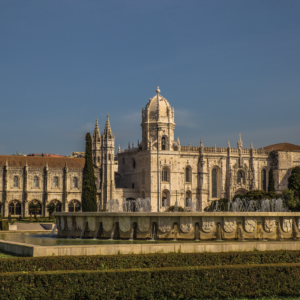






Description
As the only circular building in Machu Picchu, the Temple of the Sun is a masterclass in Inca engineering, featuring stones fitted so precisely that not even a blade of grass can pass between them. Stepping into this sacred solar observatory hits different, connecting you instantly to the ancient celestial rhythms of the Andes.
Why is this experience so famous?
The Temple of the Sun is consistently ranked as the crown jewel of Machu Picchu, famously recognized as a UNESCO World Heritage site and featured in every major travel guide as a premier archaeological wonder. People rave about its unique, semi-circular design and the absolute precision of its stonework, which allowed Inca astronomers to track the solstices with breathtaking accuracy. It is a must-do because it offers far more than just a photo opportunity; it is a profound cultural deep dive into the spiritual heart of the empire, where you can witness the incredible harmony between ancient engineering and the cosmos. This sacred sanctuary is not just a building—it is a powerful testament to the Inca’s celestial mastery that continues to captivate the world.
Is it worth visiting?
Absolutely, especially if you are seeking a profound connection to Inca history and are fascinated by ancient astronomy. You will be captivated by the temple’s unique semi-circular design—the only one in Machu Picchu—and the incredible precision of its trapezoidal windows, which perfectly align with the winter and summer solstices to illuminate sacred interior stones. The atmosphere is deeply spiritual and awe-inspiring, offering an intimate look at the religious heart of the citadel through knowledgeable guided tours that provide exceptional value. This iconic sanctuary is consistently highlighted as a must-see archaeological marvel in top travel guides and is backed by countless positive traveler reviews. Skip the hassle of long queues at the site, book online today to reserve now and pay later, and benefit from the flexibility of free cancellation.
What’s the best time to visit?
For the best experience, visit during the dry season from May to September. While June and August offer clear skies, they are high season with heavy crowds and higher prices. For a savvy balance, aim for the shoulder months of April, May, or October. Insider tip: Arrive at sunrise (6 AM) or after 3 PM to avoid peak midday groups and capture the best light.
How much time should I allow for this experience?
Allow a total of 1.5 to 2.5 hours for a basic visit focused on the Temple of the Sun and its immediate ceremonial surroundings within the urban sector. If you plan for a more thorough experience, including detailed guided explanations of the astronomical alignments and exploration of the adjacent Royal Tomb and Sacred Plaza, budget for a complete 3 to 4 hours. Always allow an extra 30 to 60 minutes of buffer time for the shuttle bus journey from Aguas Calientes and the entry validation process at the Machu Picchu main gate. This experience is best scheduled for an early morning slot to witness the specific light alignments on the temple walls or as the centerpiece of a focused afternoon archaeological circuit.
Is it better to go in the morning or afternoon?
This is a fantastic question, and for a site as spiritually and astronomically significant as the Temple of the Sun, your timing is everything.
The Morning Advantage: Arriving for a morning slot (6 AM to 9 AM) is for the dedicated explorer. You experience the citadel at its most ethereal, often with mist clinging to the peaks, and you beat the intense midday heat. However, the early morning is also the peak time for large tour groups arriving from Cusco, which can make the narrow viewing areas around the temple feel congested.
The Afternoon Advantage: The afternoon (2 PM to 5 PM) offers a completely different, more contemplative energy. As the day-trippers head back to the train station, the crowds thin out significantly, allowing you to appreciate the precision of the Inca stonework in relative peace. The light also softens, casting dramatic shadows across the trapezoidal windows that were designed to track the sun.
My Recommendation: For a sacred archaeological site of this caliber, my recommendation is unequivocally the Morning, but with a specific strategy. This is a site designed to honor the sun; seeing the first light hit the granite walls is a spiritual experience that simply cannot be replicated in the late afternoon.
Insider Tip: Aim for an 8 AM entry. This is the “sweet spot” where the early morning mist has usually cleared, providing perfect visibility for the temple’s celestial alignments, but it is just before the massive wave of mid-morning trains arrives from Aguas Calientes.
Starting your journey in the morning ensures you have the peak mental and physical energy required to absorb the complex history of the Royal Tomb and the Hanan neighborhood. It sets you up perfectly for a leisurely lunch in Aguas Calientes afterward, where you can toast to your adventure before your return train journey.
In summary, this is a must-do, awe-inspiring experience that highlights the incredible architectural and astronomical mastery of the Inca civilization through its unique circular design. Plan to allow 1 to 2 hours for a detailed guided visit, and aim for the dry season between May and October for the clearest views. Booking online provides excellent flexibility with reserve now and pay later options and free cancellation benefits. Secure your tickets now.
Copyright & Affiliate Notice: Image Credit: Wikimedia Commons – Image licensed under Creative Commons via Wikimedia Commons. This site contains affiliate links. We may earn a commission if you buy through our links – at no extra cost to you.