


Get Inspired

Itineraries

Travel Guides

About Me

Top
  >  China   >  Best Places to Visit in Guilin
best places to visit in guilin

Rising like emerald monoliths from a blanket of morning mist, the limestone karsts of Guilin look less like a real city and more like a masterpiece painted by a celestial hand. For centuries, poets and emperors have been captivated by this mystical landscape where water and dramatic stone spires intertwine to create China’s ultimate romantic escape, where every viewpoint feels like stepping into a living scroll of classic art.

Why Visit Guilin?

From the soothing rhythms of winding rivers to caves illuminated like neon palaces, Guilin promises a sensory adventure that perfectly blends ancient majesty with breathtaking natural artistry. Here is why this legendary destination deserves a place on your bucket list:

  • Li River: Embark on a glamorous cruise along this iconic waterway, passing through a dreamscape of dramatic peaks, fishing bamboo rafts, and views so stunning they are immortalized on China’s 20-yuan bill.
  • Elephant Trunk Hill: Admire the striking natural wonder at the confluence of the rivers, perfectly resembling a giant elephant dipping its trunk into the water.
  • Reed Flute Cave: Step into a surreal underground wonderland where dazzling multi-colored lighting illuminates a breathtaking palace of ancient stalactites and stalagmites.
  • Sun and Moon Twin Pagodas: Witness the night sky light up as these gorgeous lakeside towers glow in gold and silver, casting brilliant, shimmering reflections across the water.
  • Longji Rice Terraces: Venture just outside the city to see mountains sculpted into cascading ribbons of brilliant green and gold, engineered by generations of local tribes.

Whether you are sipping tea by a tranquil lake or capturing the sunset from a hidden mountain peak, Guilin leaves an indelible mark on your soul long after the mist clears.

GUILIN KEY INFO

Everything you need to hit the ground running.

WHEN TO VISIT

September to October for mild weather and hiking; Spring for misty river scenery and flooded terraces.

HOW TO GET THERE

Fly into Guilin Liangjiang International Airport (KWL). It’s a taxi or airport bus to the city center (~40-50 min).

HOW TO GET AROUND

Taxi! It is the most convenient way to navigate the city and reach spread-out attractions. Use the DiDi app for hassle-free booking and automatic English translation.

IDEAL TRIP LENGTH

1-2 days for the city itself, but 4-5 days if you want to include day trips to Yangshuo, Xingping, or the Longji Rice Terraces.

What is Guilin Mainly Known For?

Guilin is famous for its dramatic limestone karst mountains, resembling an ancient Chinese ink painting brought to life. It’s also known for the Sun and Moon Twin Pagodas, stunning lakeside towers that glow in gold and silver [cite: F329]. Beyond the sights, it’s known as a dreamscape of scenic rivers and mystical hidden caves.

Is Guilin a Walkable City?

Mostly, but it depends on the area. The city center is compact and safe with wonderful pedestrian streets like Zhengyang Road, allowing you to enjoy the lively lakeside vibe without traffic noise.

Is it safe to walk in Guilin at night? Absolutely. It’s a very safe destination for travelers. I felt completely at ease exploring the illuminated pagodas after dark, though standard traveler’s common sense always applies.

What Is the Best Neighborhood to Walk Around?

Zhengyang Pedestrian Street is the winner, a bustling historic center nestled near Elephant Trunk Hill and the Li River. Its vibrant pathways are packed with classic architecture, local shops, and neon-lit street food stalls pulsing with life. For something completely different, walk over to Lujia Village, a bohemian district boasting blue-tiled roofs, white walls, and a tranquil riverside farmhouse vibe.

What Are the Best Things to Do in Guilin? (For Your First Visit)

I visited Guilin without a strict day-by-day plan. I wanted to take my time, enjoy the mystical limestone karsts and ancient natural artistry, and see where the streets took me. I wrote down a few highlights and hit the ground running. Here are the spots I definitely recommend checking out:

Elephant Trunk Hill

Guilin’s iconic landmark resembles a giant elephant drinking from the river. Marvel at the Water Moon Cave and cliffside inscriptions. Price: Free. Pro tip: Head to Gate 2’s platform for the perfect uncrowded photo shot. Check availability and explore popular experiences.

Elephant Trunk Hill
Credit: Wikimedia Commons

Li River

Cruise through a real-life Chinese painting of mystical karst peaks. Spot Nine-Horses Fresco Hill and the iconic 20-yuan view. Price: ~78 USD+ for cruises. Pro tip: Upgrade to a 4-star boat for better views, less crowding, and a buffet. Check availability and explore popular experiences.
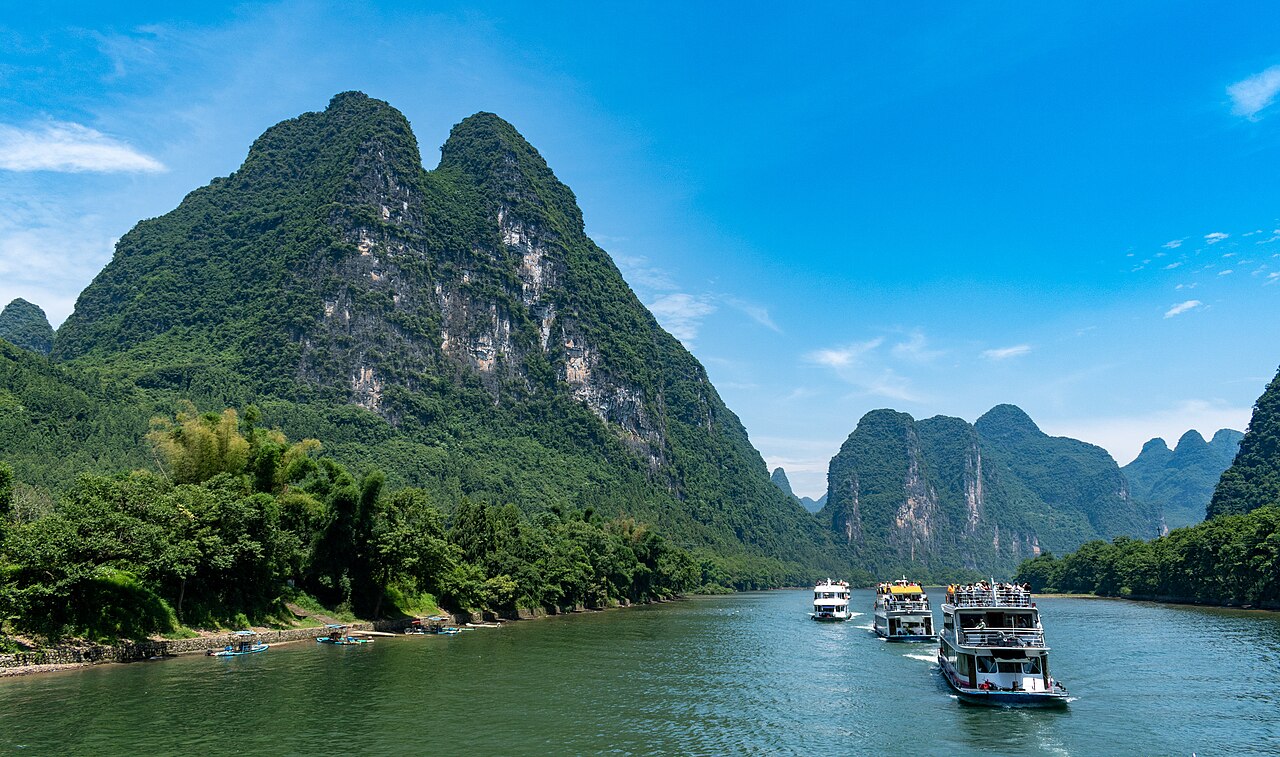
Li River
Credit: Wikimedia Commons / xiquinhosilva

Two Rivers and Four Lakes

Cruise through an illuminated watery dreamscape of glowing bridges and ancient architecture. Highlights: Sun and Moon Twin Pagodas and musical fountains. Price: ~$25–35 USD. Pro tip: Board during twilight for epic night views. Check availability and explore popular experiences.

Two Rivers and Four Lakes
Credit: Wikimedia Commons

Reed Flute Cave

Step into a surreal underground wonderland of neon-lit karst limestone. Highlights include giant stalactites and ancient ink inscriptions. Price: ~90 RMB. Pro tip: Avoid big public holidays to escape the massive crowds. Check availability and explore popular experiences.

Reed Flute Cave
Credit: Wikimedia Commons / Fremantle99

Seven-star Cave

Dive into an underground wonderland of brilliant stalactites and mystical karst formations. Highlights include the stunning Natural Fresco and massive chambers. Price: ~30 RMB. Pro tip: Stick close to your guide so the lights don’t shut off behind you. Check availability and explore popular experiences.

Seven-star Cave
Credit: Wikimedia Commons

Solitary Beauty Peak

Scale a lone limestone tower rising straight out of an ancient Ming palace. Highlights: 306 stone steps and epic panoramic city views. Price: ~100 RMB. Pro tip: Climb during morning golden hour for the best uncrowded photos. Check availability and explore popular experiences.

Solitary Beauty Peak
Credit: Wikimedia Commons

Longji Rice Terraces

Mountains sculpted into cascading ribbons of green and gold. Catch the iconic Seven Stars Accompany the Moon view. Price: ~100 RMB. Pro tip: Stay overnight in a wooden house for an epic misty sunrise. Check availability and explore popular experiences.

Longji Rice Terraces
Credit: Wikimedia Commons / severin.stalder

Sun and Moon Twin Pagodas

These stunning lakeside towers glow in gold and silver, casting brilliant reflections across the water [cite: F329]. Highlights: the copper Sun Pagoda and an underwater tunnel. Price: ~$4–8 USD. Pro tip: Board a twilight cruise for epic night views [cite: AH329]. Check availability and explore popular experiences.

Sun and Moon Twin Pagodas
Credit: Wikimedia Commons / King of Hearts

Xianggong Mountain

Scale this mist-shrouded karst peak for dramatic ink-painting vibes. Highlights: 360° bird’s-eye views of the Li River loop. Price: 60 RMB. Pro tip: Hike up 45 minutes before dawn to beat the crowds for a mind-blowing sunrise. Check availability and explore popular experiences.

Xianggong Mountain
Credit: Wikimedia Commons

Yulong River

A peaceful, engine-free paradise of misty karst peaks. Highlights: traditional hand-poled bamboo rafts and historic stone bridges. Price: ~¥200–320/raft. Pro tip: Go in the morning to beat the crowds and summer heat. Check availability and explore popular experiences.

Yulong River
Credit: Wikimedia Commons / Qeqertaq

Must-Do Activities in Guilin

To really get the most out of your trip, I recommend checking out these experiences:

No products were found!

What Part of Guilin is Best for Tourists?

Stay in the City Center. Everything will be within a 15-minute walk. If you want something a bit more local but still close, the Lujia Village is lovely—it offers a quieter vibe near nature and the famous Reed Flute Cave.

What to Know Before Going to Guilin

  • Stick to Bottled: Tap water in Guilin is not potable; always drink bottled or boiled water to stay safe.
  • Limited English: English is not widely spoken, though staff in major tourist spots and hotels usually know basic phrases.
  • Guilin Public Transport Card: This card makes navigating local transit affordable and convenient, though multi-attraction sightseeing passes are limited.
  • Open Seven Days: Unlike Europe, major shops and supermarkets remain open throughout Sunday for your convenience.
  • No Tipping: Tipping is not customary in China and can sometimes cause confusion or offense.

How Many Days Do I Need in Guilin?

4 to 5 days is the ideal duration to fully experience the city’s dramatic limestone karst scenery and include essential regional day trips.

  • Day 1: Guilin City Highlights (Karst Wonders & Lakes) Elephant Trunk Hill (city symbol – great for photos, especially the Water Moon Cave). Reed Flute Cave (illuminated limestone formations – a highlight cave experience). Seven Star Park / Seven-star Cave (largest park with peaks, caves, and gardens). Evening: Two Rivers and Four Lakes cruise + Sun and Moon Twin Pagodas (beautiful night views with lights).
  • Day 2: i River Cruise to Yangshuo Full-day Li River cruise from Guilin to Yangshuo (the classic 4-hour scenic boat trip through stunning karst peaks – one of China’s most iconic experiences; book a mid-range boat for comfort). Afternoon/evening in Yangshuo: Stroll West Street (Xijie) for food, shops, and atmosphere. Enjoy the lively vibe and karst backdrop.
  • Day 3: Yangshuo Countryside & Yulong River Explore Yangshuo’s rural charm: Bike or e-bike through the Ten-mile Gallery (Shili Gallery) countryside. Yulong River – bamboo rafting (more peaceful than the main Li River) or a short scenic activity.
  • Day 4: Day Trip to Longji Rice Terraces Scenic drive (about 2–2.5 hours from Guilin or Yangshuo) to the Longji (Dragon’s Backbone) Rice Terraces. Visit Ping’an Village (Zhuang minority) or Dazhai (Red Yao), hike the terraces for panoramic views, and experience ethnic culture (long-hair Yao village optional).

Suggested daily budget – 75-160 EUR / 79-169 USD (Note: This covers mid-range hotels, diverse dining at local restaurants, and a mix of taxis and major attraction tickets. You can go cheaper if you stay in hostels, eat street food like Guilin rice noodles, and use public buses or shared bikes).

MONEY SAVING TIPS

  1. Slurp on the Street: Head to the area around the train station or Zhengyang Pedestrian Street to find authentic Guilin Rice Noodles for as little as ¥5–¥15, or look for local stalls serving Roast Duck for a cheap and filling meal.
  2. Tip-Based Trekking: Join a GuruWalk or a local free walking tour starting at the iconic Elephant Trunk Hill to explore the city’s highlights and tranquil atmosphere without the high cost of private guides.
  3. Tap and Travel: Skip the expensive taxis and grab a Guilin Public Transport Card for a ¥20 deposit to ride the extensive bus network for just ¥1–¥2 per trip; look for buses beginning with the number 5 as they are completely free.
  4. Picnic with a View: Instead of a pricey rooftop bar, grab a local beer from a convenience store and head to the banks of the Li River or the Guihai Qinglan lakeside area to enjoy the sunset against the karst peak forest for free.

What’s the Best Month to Visit Guilin?

September and October are the sweet spots for visiting Guilin. During these months, you’ll enjoy mild weather perfect for hiking and cruising the Li River while avoiding the intense summer heat and heavy crowds. However, Spring is a magical alternative, as the mist-shrouded karst peaks and flooded rice terraces create an authentic ink-painting atmosphere.

How to Get to Guilin

Most international travelers fly into Guilin Liangjiang International Airport (KWL), typically connecting through major Asian hubs like Hong Kong, Guangzhou, or Shanghai.

  • From the airport: The city center is a 40–50 minute journey [cite: I329]. Airport shuttle buses cost around ¥20–25, while a taxi or DiDi costs approximately ¥80–150.
  • By Train: Guilin’s railway stations offer high-speed bullet train connections to major Chinese hubs, including Guangzhou, Shenzhen, Hong Kong, Shanghai, and Beijing.

How to Get Around Guilin

Take a taxi – it is the absolute best way to navigate and reach spread-out sights.

  • Car Rental: Not recommended. Driving is hectic for tourists; use DiscoverCars only if you plan to venture deep into the wider region on your own.
  • Walking: Great for the compact city center and pedestrian paths like Zhengyang Road, but impossible for the whole area.
  • Uber/Bolt: Not available. Use the DiDi app instead for seamless ride-hailing with automatic English translation.
  • Tours: Excellent for hassle-free day trips to regional highlights like the Longji Rice Terraces.

Tips for first-timers: Avoid driving yourself—Heavy traffic, navigation issues, and limited parking can completely ruin your schedule. Use the DiDi app to easily book taxis with convenient, automatic English translations instead!

Guilin is the kind of place that lingers in your memory. It is a city where mystical limestone karsts and ancient natural artistry intertwine, defined by its emerald monoliths, winding rivers, and a timeless, poetic grace. This breathtaking wonderland invites you to slow down, leaving you with a renewed sense of wonder.

Note: This article contains affiliate links. If you purchase something I’ve recommended, I’ll earn a small commission at no extra cost to you. I really appreciate your support and I hope this guide helps you ♡

post a comment