

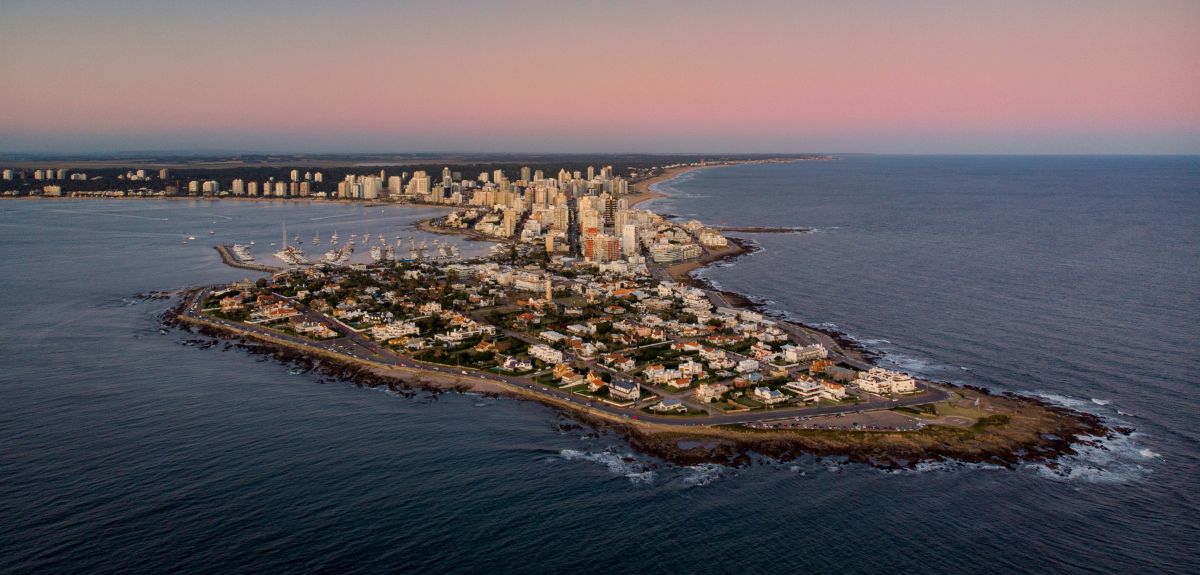
Gleaming under the golden South American sun, Punta del Este is the undisputed crown jewel of Uruguay’s coastline, where the jet-set lifestyle meets the rhythmic pulse of the Atlantic. Known as the Saint-Tropez of the South, this shimmering peninsula invites you to a world of sleek yachts, high-fashion boutiques, and sunsets that paint the sky in hues of liquid gold.
Why Visit Punta del Este?
Whether you are seeking the high-octane energy of a world-class beach club or a serene escape into avant-garde architecture, Punta del Este offers a sophisticated blend of natural beauty and urban elegance. Here are five reasons why this glamorous retreat should be your next destination:
- Casapueblo: Wander through the whimsical, whitewashed labyrinth of artist Carlos Páez Vilaró’s “habitable sculpture,” where the famous Sun Ceremony serenades the ocean every evening.
- La Mano: Snap a photo with the iconic stone fingers emerging from the sands of Playa Brava, a surreal landmark that has become the universal symbol of this coastal paradise.
- Isla de Lobos: Embark on a nautical adventure to meet one of the world’s largest colonies of sea lions, basking on a rugged island just a short boat ride from the glitzy harbor.
- Leonel Viera Bridge: Experience the playful thrill of Uruguay’s famous wavy bridge, an engineering marvel that offers a roller-coaster-like drive with stunning views of the Maldonado River.
- Playa Mansa: Indulge in the ultimate relaxation along these calm, bay-side waters, where the afternoon ritual of sharing mate perfectly complements the legendary, fire-hued sunsets.
From its vibrant marinas to its secret pinewood villas, Punta del Este is more than a destination; it is an intoxicating lifestyle that promises a sophisticated escape into the very heart of South American luxury.
PUNTA DEL ESTE KEY INFO
Everything you need to hit the ground running.
WHEN TO VISIT
December to February for vibrant beach weather and nightlife; October to November for whale watching and fewer crowds.
HOW TO GET THERE
Fly into Capitán de Corbeta Carlos A. Curbelo International Airport (PDP). It’s a taxi or transfer to the city center (~20-25 min).
HOW TO GET AROUND
Drive! Exploring the peninsula and nearby beaches like La Barra is easiest by car. Use the Uber app or local rentals for maximum flexibility and coastal views.
IDEAL TRIP LENGTH
3-4 days for the city itself, but 5-7 days if you want to include day trips to Cabo Polonio, José Ignacio, or Piriápolis.
What is Punta del Este Mainly Known For?
Punta del Este is famous for La Mano, a giant stone hand emerging from the sand that symbolizes a warning to swimmers. It’s also known for Casapueblo, a stunning whitewashed “habitable sculpture” and museum. Beyond the sights, it’s known as the Saint-Tropez of South America for its glamorous nightlife and luxury beach culture.
Is Punta del Este a Walkable City?
100% yes. Punta del Este is exceptionally walkable, especially around the Peninsula and main beaches. I loved strolling through the compact center and along the scenic rambla, soaking in the coastal breeze without the constant hum of traffic.
Is it safe to walk in Punta del Este at night? Absolutely. It is one of South America’s safest cities. I felt completely at ease wandering after dark, though I always recommend using standard traveler’s common sense.
What Is the Best Neighborhood to Walk Around?
The Old Town (Casco Viejo) is the winner, a historic peninsula where the river meets the sea. Its breezy streets are lined with colonial architecture, the iconic red-roofed lighthouse, and the sky-blue Candelaria Church. For something completely different, walk over to La Barra, a bohemian district featuring a roller-coaster bridge, vibrant art galleries, and a high-energy surf scene that defines the city’s trendy coastal edge.
What Are the Best Things to Do in Punta del Este? (For Your First Visit)
I visited Punta del Este without a strict day-by-day plan. I wanted to take my time, enjoy the chic coastal glam and laid-back surf vibes, and see where the streets took me. I wrote down a few highlights and hit the ground running. Here are the spots I definitely recommend checking out:
Casapueblo
Uruguay’s cliffside “habitable sculpture” is a whitewashed labyrinth of art and ocean views. Explore the museum and terraces for ~$10 USD. Pro tip: Arrive before sunset for the moving “Sun Ceremony” poem and golden hour magic. Check availability and explore popular experiences.
La Mano
Snap a selfie with Punta del Este’s iconic stone fingers emerging from the sand. This beachside landmark is a must-see for surreal coastal vibes. Price: Free. Pro tip: Visit at sunrise to beat the selfie-seeking crowds. Check availability and explore popular experiences.

Punta del Este Lighthouse
A maritime icon since 1860, this volcanic-ash tower marks where the river meets the sea. Gaze at the classic red-and-white stripes and sky-blue church nearby. Price: Free. Pro tip: Visit in October for rare interior access. Check availability and explore popular experiences.

Credit: Wikimedia Commons
Candelaria Church
A serene, sky-blue gem offering a tranquil escape from the beach buzz. Admire the striking facade and intricate mosaic floors. Price: Free. Pro tip: Visit at sunset when the blue walls glow against the fading coastal light. Check availability and explore popular experiences.

Leonel Viera Bridge
Experience the thrill of Uruguay’s iconic wavy bridge. This engineering marvel offers a roller-coaster-like drive with stunning river views. Price: Free. Pro tip: Drive across at sunset for the most atmospheric photos and a “wheeee” inducing ride. Check availability and explore popular experiences.

Playa Brava
Punta del Este’s high-energy surf spot. Feel the Atlantic’s roar alongside the famous “La Mano” sculpture and golden dunes. Price: Free. Pro tip: Stick around for a sunset bonfire—the vibes are unmatched as the sky turns purple. Check availability and explore popular experiences.

Playa Mansa
Punta del Este’s chill side. Enjoy calm, shallow waters perfect for swimming and family fun. Highlights: serene bay vibes and waterfront dining. Price: Free. Pro tip: Stick around for the golden hour—the sunsets here are legendary. Check availability and explore popular experiences.
Isla de Lobos
Sail to this rugged island paradise, home to one of the world’s largest sea lion colonies. Highlights: the iconic lighthouse and diverse marine life. Price: ~$50 for boat tours. Pro tip: Bring binoculars for incredible close-up wildlife spotting. Check availability and explore popular experiences.

Isla Gorriti
Escape to this pine-fringed natural reserve for ultimate island chill. Explore 18th-century fortress ruins and sunbathe on Playa Honda’s golden sands. Price: ~$13 USD for the ferry. Pro tip: Pack a picnic; it’s the perfect spot for a DIY lunch. Check availability and explore popular experiences.

Puerto de Punta del Este
A vibrant marina where luxury yachts meet local fishing culture. Watch cheeky sea lions beg for scraps and browse the fresh fish market. Price: Free. Pro tip: Visit in the morning to see the daily catch arrive. Check availability and explore popular experiences.

Must-Do Activities in Punta del Este
To really get the most out of your trip, I recommend checking out these experiences:
What Part of Punta del Este is Best for Tourists?
Stay in the Peninsula. Everything will be within a 15-minute walk. If you want something a bit more local but still close, La Barra is lovely—it offers a bohemian vibe with unique boutiques, vibrant street art, and trendy beach bars.
What to Know Before Going to Punta del Este
- The Tap Water is Gold: Tap water is safe to drink and meets high quality standards throughout the city.
- English is Common: Younger generations and those in the tourism sector generally speak good English.
- The Montevideo/Punta Card: No specific city-wide pass exists; however, booking individual attraction tickets in advance is recommended.
- Sundays are Busy: Unlike other cities, major shops and malls like Punta Shopping typically remain open on Sundays.
- Tipping is Expected: It is customary to leave a 10% tip in restaurants and round up for taxi fares.
How Many Days Do I Need in Punta del Este?
3 days is the ideal duration for first-time visitors to balance iconic coastal landmarks, world-class art galleries, and upscale beach relaxation.
- Day 1: La Mano, Punta del Este Lighthouse, Candelaria Church, Puerto de Punta del Este, Playa Brava.
- Day 2: Casapueblo, Ralli Museum, Leonel Viera Bridge, Gorlero Avenue, Fundación Pablo Atchugarry.
- Day 3: Take a scenic boat tour to Isla de Lobos to see the sea lion colony or relax on the sands of Playa Mansa.
Suggested daily budget – 135-215 EUR / 150-240 USD (Note: This covers mid-range 3 or 4-star hotels, two meals at local restaurants, and local bus transport or shared tours. You can go cheaper if you visit during the off-season, eat at supermarkets, or enjoy free coastal attractions like La Mano and the local beaches).
MONEY SAVING TIPS
- Dine Like a Local: Seek out small restaurants offering a Menu del Día for a budget-friendly lunch, or head to Fa fú in nearby Maldonado for healthy and affordable bites away from the overpriced peninsula.
- Tip-Based Trekking: Join a Free Walking Tour with We Walk Experiences, which typically meets at the La Mano sculpture or Esquina de los Cuatro Mares, to see the sights for just a voluntary tip.
- Ride for Less: Skip the taxis and use the local bus system for under $1 per ride, or look into the city’s emerging bike-share options like Tembici to navigate the flat coastal streets on a budget.
- Sunset at the Marina: Avoid pricey beach clubs by grabbing a cold beer from a local supermarket and heading to the Puerto de Punta del Este or Playa Mansa to watch the sunset with the sea lions for free.
What’s the Best Month to Visit Punta del Este?
November and March are the sweet spots for visiting Punta del Este. These months offer pleasant temperatures and a tranquil ambiance, perfect for exploring beaches while avoiding peak summer crowds. However, January is a vibrant alternative, as the city comes alive with high-energy nightlife, international DJs, and a buzzing high-season atmosphere.
How to Get to Punta del Este
Most international travelers fly into Capitán de Corbeta Carlos A. Curbelo International Airport (PDP). It serves as a regional hub with seasonal connections from Buenos Aires, São Paulo, and Santiago de Chile.
- From the airport: The city center is a 20-minute drive. Taxis and private transfers are available for approximately $30–$50 USD.
- Inter-island/Regional: Buquebus ferries connect Buenos Aires to Colonia del Sacramento in one hour, followed by a five-hour bus ride to Punta del Este. Frequent buses also run from Montevideo ($7 USD).
How to Get Around Punta del Este
Rent a car—it is the best way to explore the peninsula and surrounding beaches.
- Car Rental: Highly recommended for flexibility; use DiscoverCars to compare local and international rates.
- Walking: Great for the downtown area and the main port, but top attractions like Casapueblo require wheels.
- Uber/Bolt: Uber is available and reliable for short trips between the main beaches and city center.
- Tours: A smart choice for visiting Isla de Lobos or taking a sunset trip to Casapueblo without driving.
Tips for first-timers: Avoid visiting without a car—Taxi costs are astronomical and public transit is limited between distant attractions like Casapueblo. Rent a car to explore the peninsula and surrounding beaches at your own pace and much lower cost!
Punta del Este is the kind of place that steals your heart. It is a coastal sanctuary where sophisticated elegance meets the raw, untamed power of the Atlantic. From its sun-drenched beaches to its surrealist art, the city pulses with a vibrant, rhythmic energy. As the golden sun dips below the horizon, it leaves you with a renewed sense of wonder.
Note: This article contains affiliate links. If you purchase something I’ve recommended, I’ll earn a small commission at no extra cost to you. I really appreciate your support and I hope this guide helps you ♡