If you’re dreaming of a trip to Serbia, you’re in for a real adventure. I’ve spent plenty of time roaming this underrated Balkan gem, diving into its chaotic history, chowing down on grilled meats and rakija shots, and just soaking up the raw energy that pulses through its streets. Serbia’s got this perfect mix—ancient fortresses looming over modern nightlife, rolling hills dotted with monasteries, and a food scene that’s hearty, affordable, and always paired with a story. Whether you’re chasing Ottoman ruins, hiking in misty mountains, or partying till dawn in a riverside club, Serbia’s cities (and one killer resort town) hit hard. Let me walk you through my top picks for the best spots to hit, with some practical hacks and my own mishaps thrown in to help you plan smart and travel better.
Serbia is a country that grabs you by the senses. From the gritty buzz of Belgrade’s street art to the serene vibes of Zlatibor’s pine forests, every place has its own rhythm. I’ve boiled it down to five must-visit spots that showcase Serbia’s wild diversity: Belgrade, Novi Sad, Niš, Subotica, and Zlatibor. Each one’s got its unique charm, and I’ll hook you up with links to detailed guides so you can dive deeper. Plus, I’ve got the lowdown on costs, money-saving tricks, and what it’s really like wandering Serbia’s paths—think friendly locals who’ll insist on sharing a drink, but watch your step on those uneven sidewalks.
Top Cities to Visit in Serbia
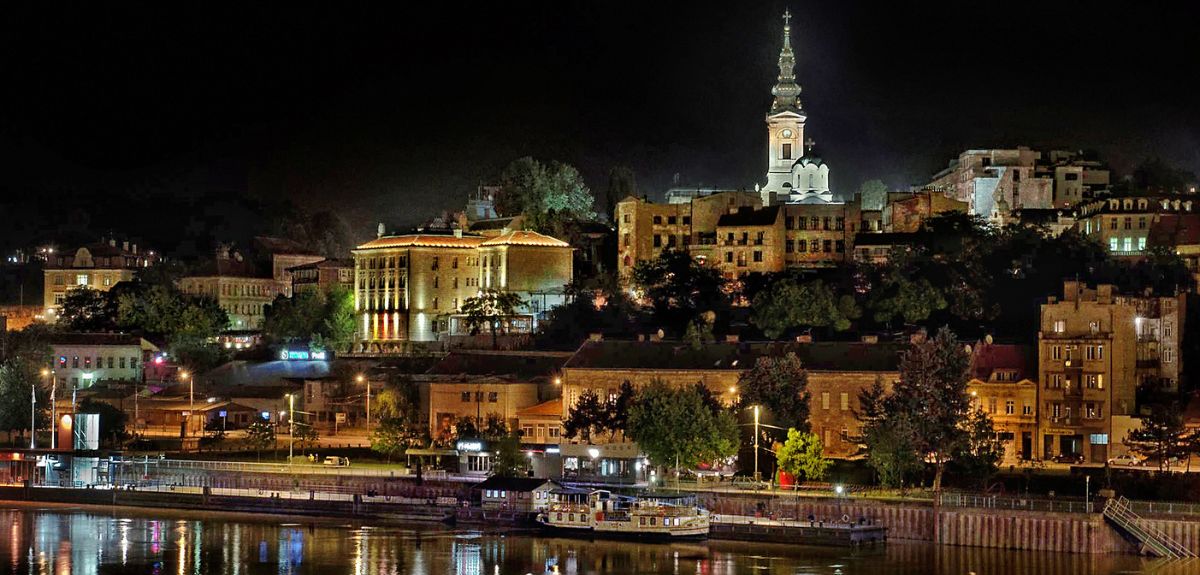
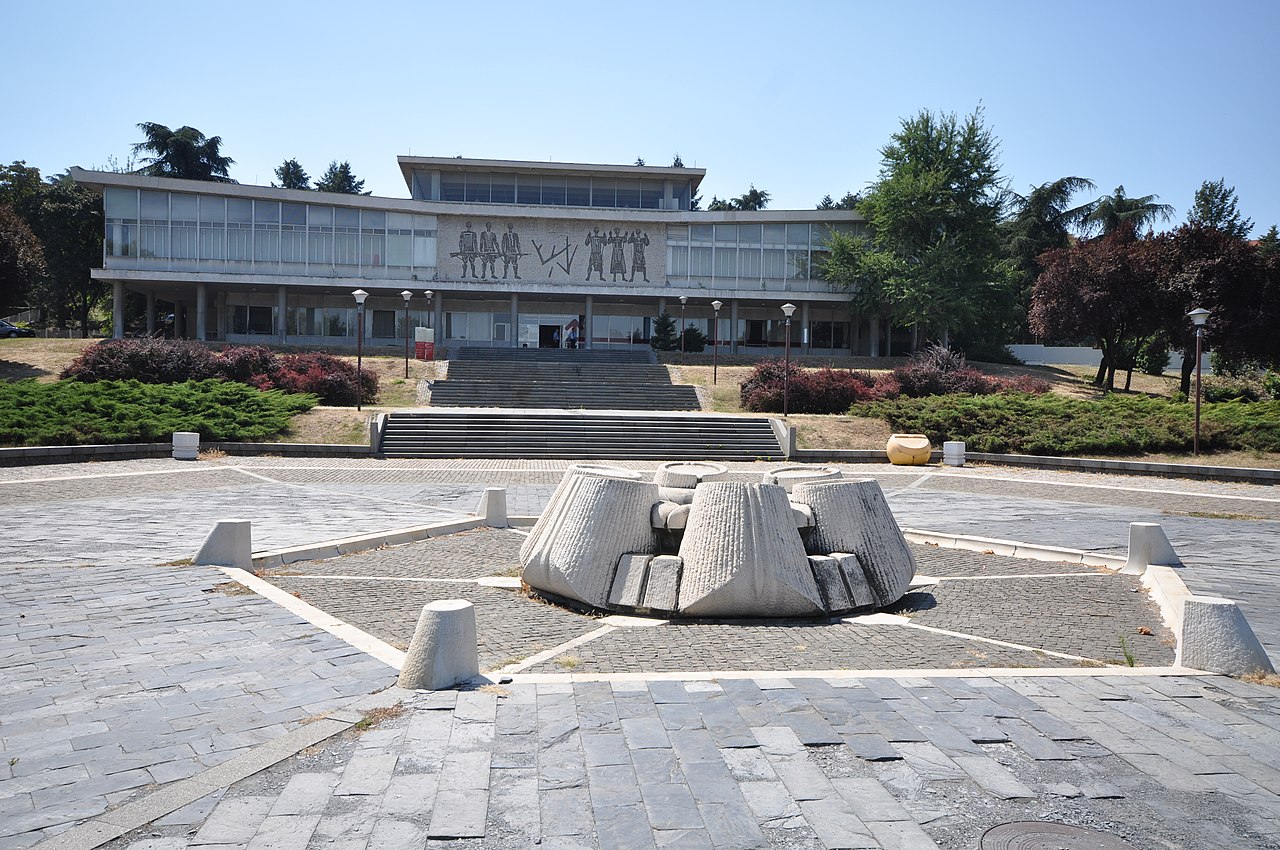
- Belgrade: The pulsating capital where the Danube and Sava rivers meet, blending Ottoman fortresses like Kalemegdan with epic nightlife and street food stalls serving cevapi.
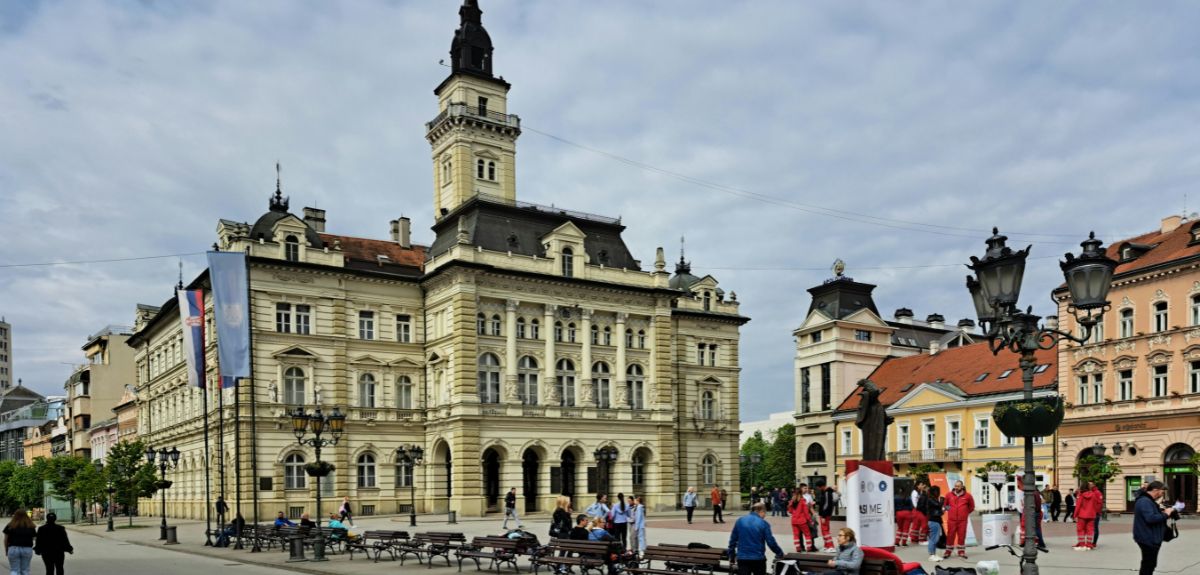
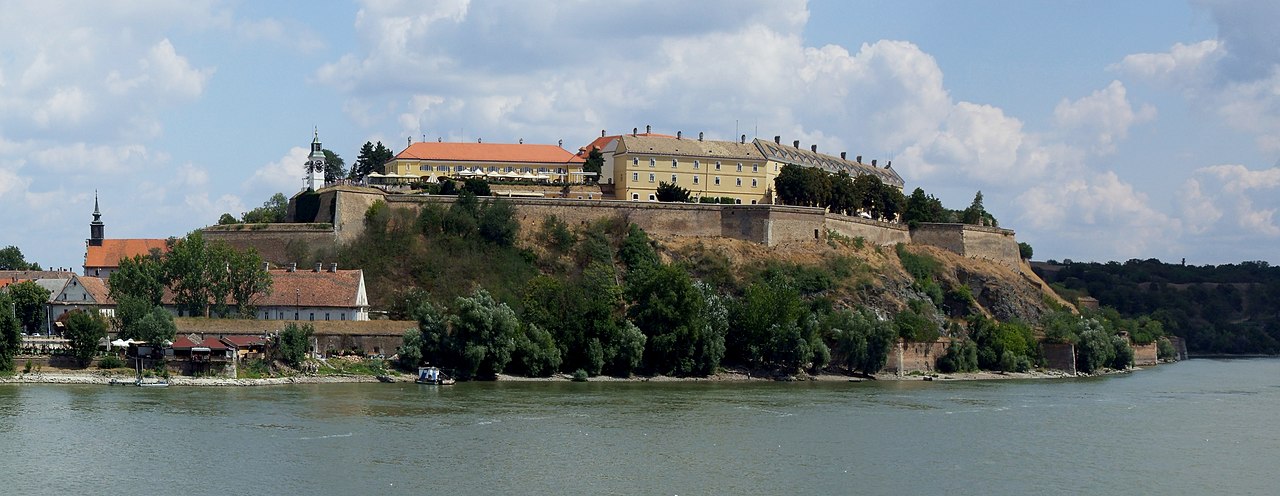
- Novi Sad: A chill riverside city famous for the Petrovaradin Fortress and the massive Exit Festival, plus colorful street art and a vibe that’s equal parts relaxed and cultural.
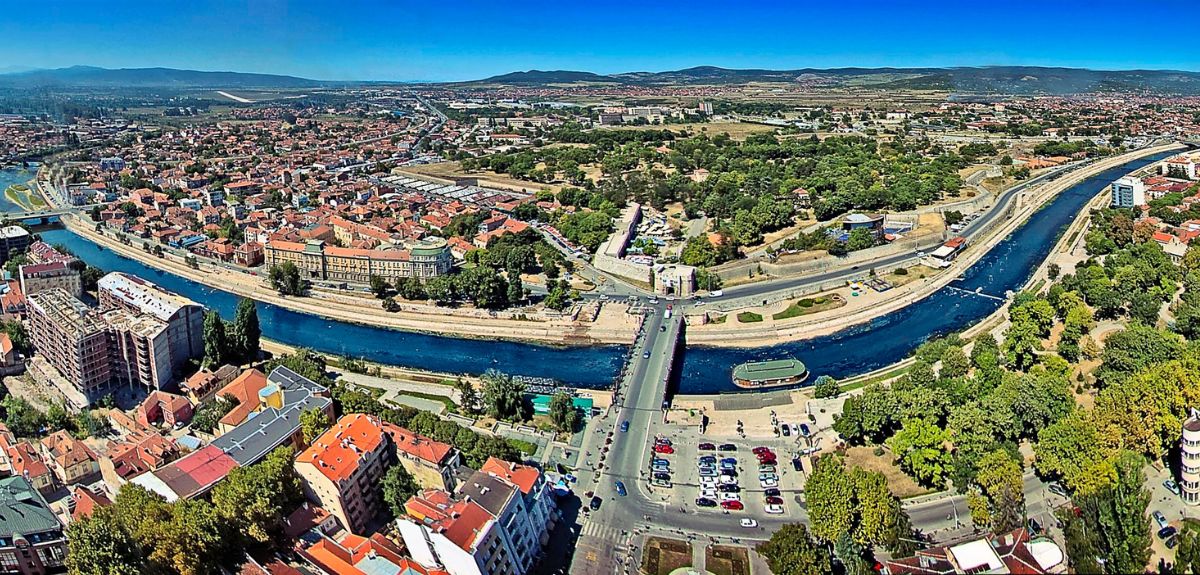
- Niš: An ancient hub with a massive fortress, the eerie Skull Tower from Ottoman times, and ties to Roman Emperor Constantine—perfect for history nerds.
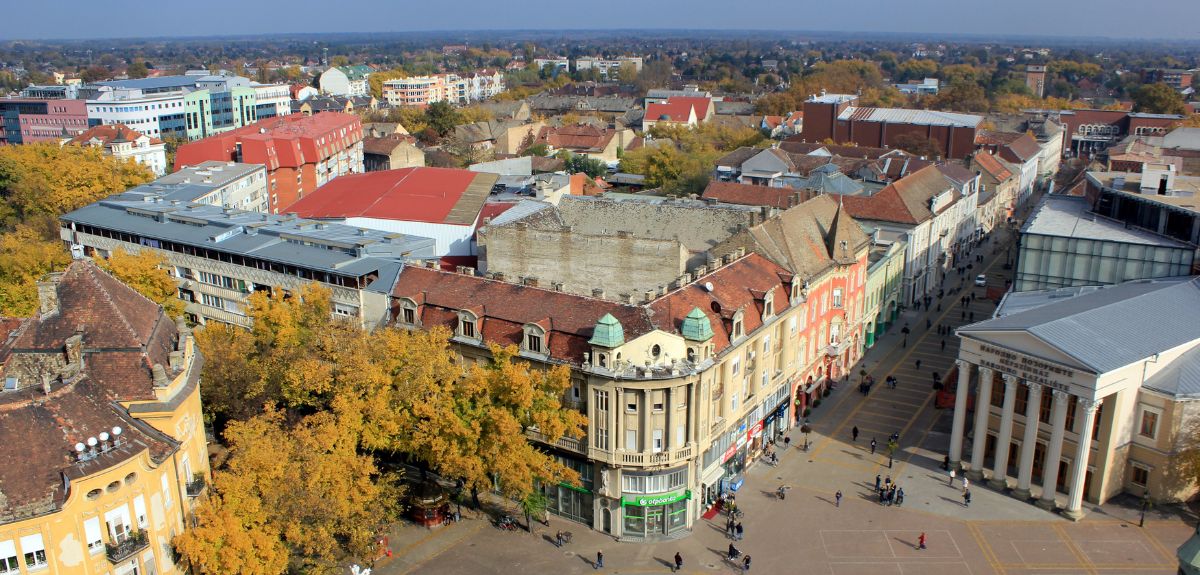
- Subotica: A northern gem loaded with Art Nouveau architecture, like the stunning City Hall, and nearby Lake Palić for a touch of serene nature.
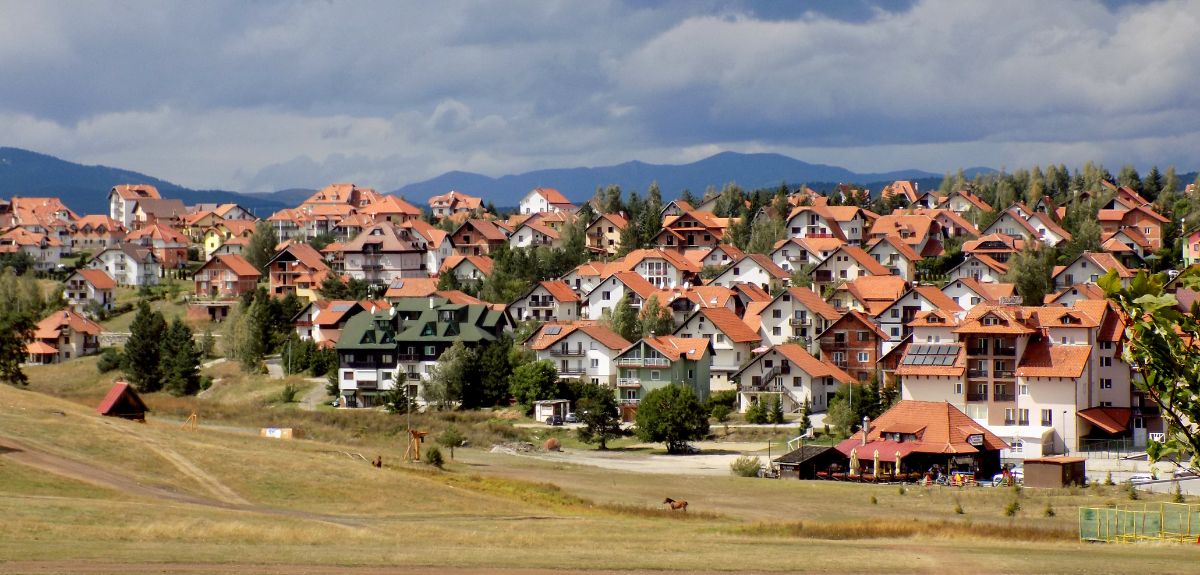
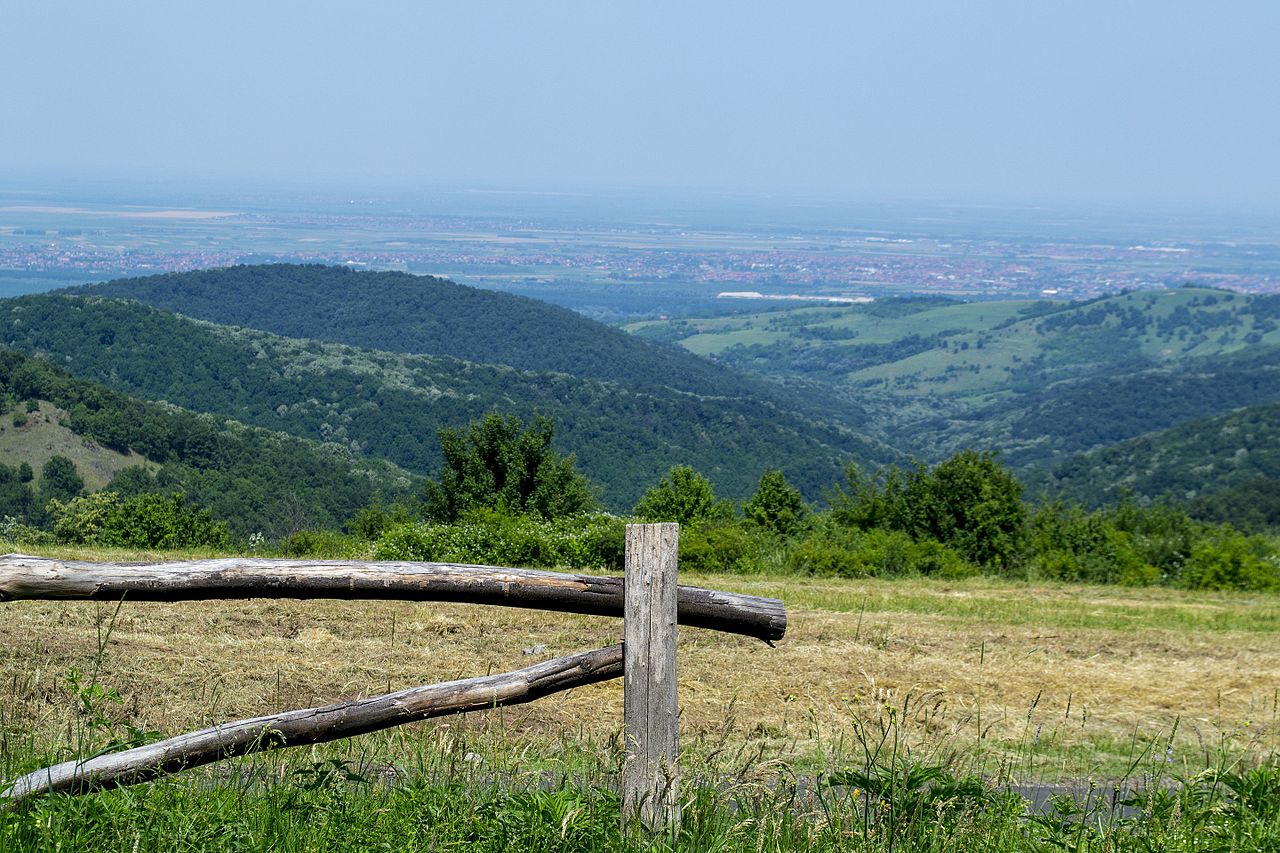
- Zlatibor: A mountain resort town (yeah, it’s more of a region, but treat it like a city hub) with fresh air, hiking trails, and local specialties like kajmak cheese and pršut ham.
Accommodation – Mid-range hotels in big spots like Belgrade or Novi Sad, with comfy beds, private baths, and central spots, go for about $50–80 USD per night for a double. Hostels are a steal at $15–30 USD for a dorm bed, and budget Airbnbs start around $30–50 USD. For luxury, think boutique spots or mountain lodges in Zlatibor at $100–150 USD, especially in summer (June–August). Book ahead or hit shoulder seasons like spring (April–May) or fall (September–October) to score deals.
Food – Serbia’s eats are budget heaven if you eat local. A hearty lunch like grilled cevapi with kajmak and ajvar runs $5–8 USD in most cities. In Niš, I snagged a massive portion of burek for $3 USD. Coffee and a pastry? $2–4 USD. Fancy dinners, like in Belgrade’s Skadarlija quarter, might hit $20–40 USD per person, but you can feast like a king without breaking the bank.
Transportation – Getting around is cheap and straightforward. High-speed trains from Belgrade to Novi Sad cost $5–10 USD, buses even less at $3–7 USD for similar routes. City buses or trams are $0.50–1 USD per ride, or grab a day pass for $2–4 USD. Taxis or rideshares in cities run $5–10 USD for short hops. Renting a car? $20–40 USD per day, plus gas (around $6/gallon).
Activities – Attractions won’t drain your wallet. Entry to Belgrade Fortress is free, while Niš Fortress or Skull Tower is about $3–5 USD. Museums like the Nikola Tesla one in Belgrade go for $5–8 USD (skip lines by booking online). Guided tours or boat rides on the Danube range from $10–25 USD.
Serbia’s got this electric pull that mixes grit and warmth in the best way. It’s where East meets West—think Roman ruins in Niš rubbing shoulders with Soviet-era blocks in Belgrade, or Subotica’s Hungarian-flavored architecture next to Orthodox monasteries. The people are straightforward and hospitable; I’ve had strangers in Zlatibor share homemade rakija and stories about their grandma’s recipes. Streets buzz with life, from Belgrade’s non-stop cafes to Novi Sad’s festival energy.
Expect a blend of chill and intensity. In Belgrade, you’ll dodge crowds on Knez Mihailova one second and find a quiet park bench overlooking the rivers the next. Novi Sad feels more laid-back, with Danube beaches and wine trails nearby. Niš dives deep into history with its Ottoman vibes, while Subotica’s got that elegant, almost fairy-tale feel with its colorful buildings. Zlatibor’s your escape—crisp mountain air, hiking, and zero rush.
Weather’s a highlight—summers hit 75–90°F in July, ideal for lakeside hangs, but spring and fall (60–75°F) are gold for exploring without sweat. Winters get chilly (30–50°F), with snow in Zlatibor for skiing, though cities like Belgrade can be foggy. Locals are welcoming but English isn’t everywhere, so pick up basics like “hvala” (thanks) or “jedno pivo, molim” (one beer, please). I botched ordering in Niš with my shaky Serbian, and the waiter ended up recommending the best local grill—those connections make Serbia stick with you.
Safety’s solid, even solo; I’ve roamed nights in Belgrade without hassle, but petty theft happens in touristy spots like Kalemegdan—keep your bag close. Public transport’s reliable, trains connect cities easily, but driving means navigating winding roads (skip if you’re not comfy). Serbia’s culture is its soul: late dinners (8 PM starts), coffee chats that last hours, and a passion for life in every plaza. Whether you’re sipping slivovitz, gazing at a fortress sunset, or getting lost in mountain trails, Serbia wakes you up. So, snag our interactive maps for Belgrade, Novi Sad, Niš, Subotica, and Zlatibor, and kick off your trip. Explore cities, plan smart, travel better!