Hey there! If you’re thinking about hitting up Romania, you’re in for something special. I’ve wandered a bunch of this country myself—got lost in medieval squares, stuffed my face with hearty sarmale, and hiked up hills with killer views of the Carpathians. Romania punches way above its weight: you’ve got epic history, vampire legends (yeah, Dracula vibes are real), stunning architecture, vibrant student scenes, and it’s still super affordable compared to Western Europe. It’s got that perfect mix of old-world charm and modern energy, without the massive crowds you find in places like Prague or Budapest.
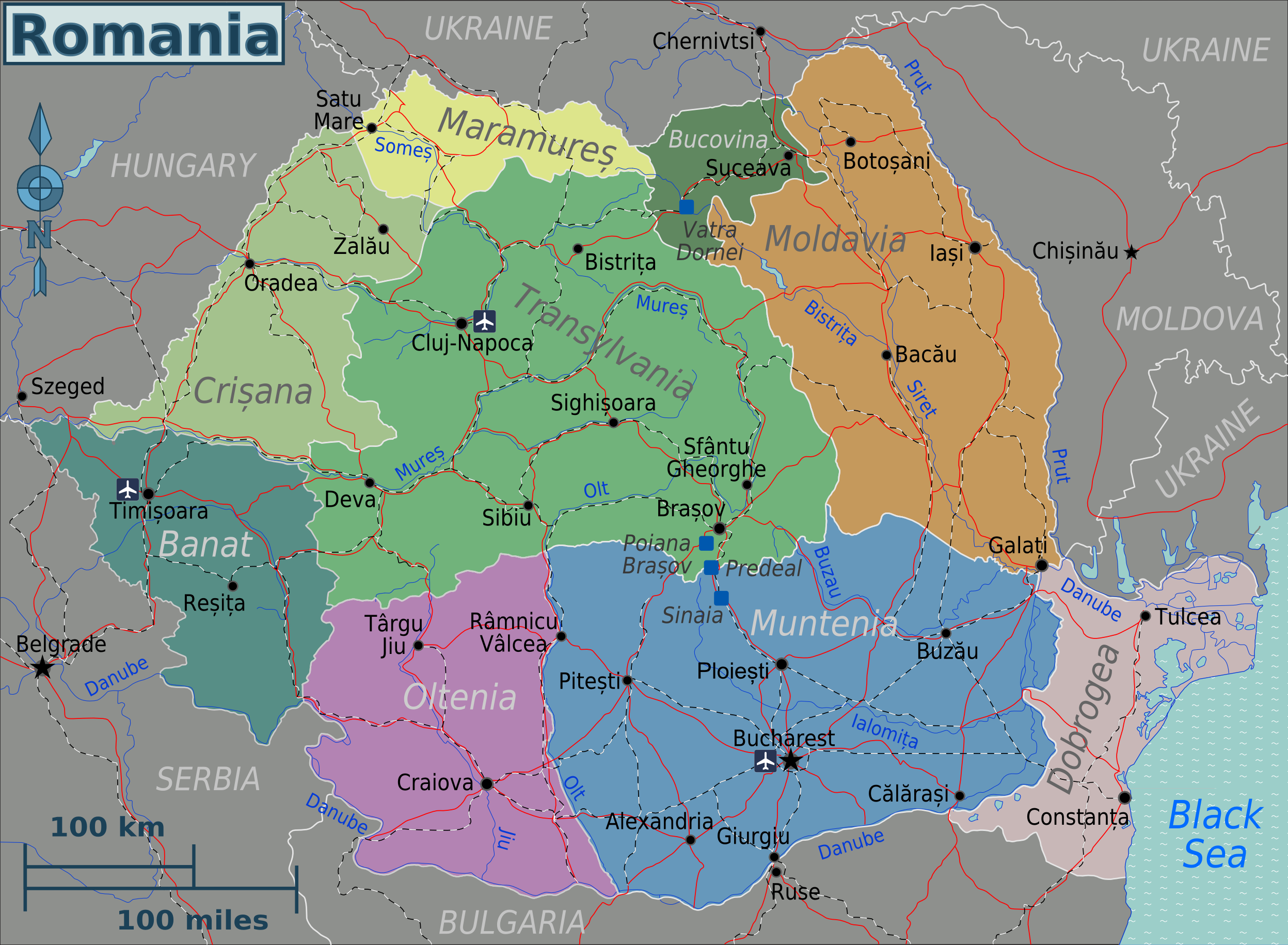
Romania hits all the right notes for travelers who want real experiences—whether you’re into Gothic churches, colorful markets, mountain adventures, or just chilling in cool cafes. I’ve picked five standout cities that give you the best snapshot of what makes Romania awesome: Bucharest, Brașov, Sibiu, Cluj-Napoca, and Timișoara. Each one’s got its own personality, and I’ll link you straight to deeper guides so you can plan smart with our interactive maps and practical tips. Explore cities, plan smart, travel better!
Accommodation – Mid-range hotels or nice Airbnbs in cities like Bucharest or Brașov go for about $50–90 USD per night for a double room with private bath and central location. Hostels are cheap at $15–30 USD for a dorm bed, and budget privates or guesthouses start around $30–50 USD. Luxury or peak summer spots can push $120–200 USD, but shoulder seasons (spring or fall) drop prices big time.
Food – Eating here is a steal. A solid three-course local lunch menu (meniu zilei) runs $6–12 USD with soup, main, and drink. Street food or hearty Romanian dishes like mici or sarmale cost $4–8 USD. Coffee and pastry breakfast? $2–5 USD. In Cluj or Timișoara, I grabbed amazing craft beer and snacks for under $10 USD total. Fine dining or touristy spots hit $20–50 USD, but you can eat like royalty on the cheap.
Transportation – Trains between cities (like Bucharest to Brașov) are comfy and affordable—$10–30 USD one-way if you book ahead. Buses are even cheaper for shorter hops. In cities, metro/bus tickets are $0.50–1.50 USD per ride, or grab day passes for $2–4 USD. Taxis/Uber short trips run $5–10 USD. Renting a car for Transylvania loops? Around $20–40 USD/day plus gas (about $6/gallon).
Activities – Most sights are budget-friendly. Palace of the Parliament tour is about $15 USD, Black Church entry around $5 USD, museums like Brukenthal in Sibiu $5–10 USD. Many churches and squares are free. Day trips to castles (like Bran or Peles near Brașov) cost $20–40 USD including transport.
Suggested daily budget – $50–80 USD per person for mid-range travel: decent guesthouse, mix of local eats and cafes, public transport, and a couple paid sights. Splurge on nicer stays or tours? $90–140 USD. Shoestring style (hostels, street food, walking)? $30–50 USD easy.
These are the experiences I consider absolute non-negotiables.
Romania feels alive and welcoming—history slams into modern life in the coolest ways. You’ve got ancient fortresses next to hip cafes, bear-filled mountains, and cities where people stay out late chatting over beer. The energy shifts: Bucharest has that big-city buzz with chaotic traffic and grand buildings, while Brașov and Sibiu wrap you in cozy medieval magic. Cluj feels young and creative, Timișoara elegant and revolutionary.
Weather-wise, summers (June–August) are warm to hot (70–90°F), perfect for outdoors but pack light layers. Spring and fall are mild (50–75°F) and ideal—fewer crowds, blooming landscapes. Winters can be cold and snowy (30–50°F), great for Christmas markets in Sibiu or Brașov.
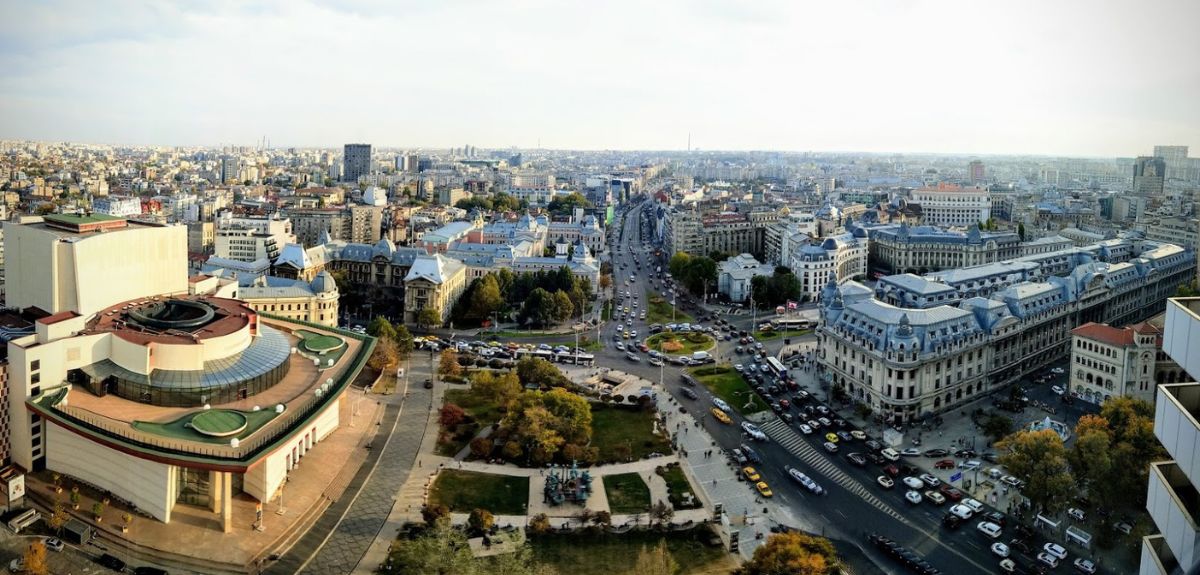
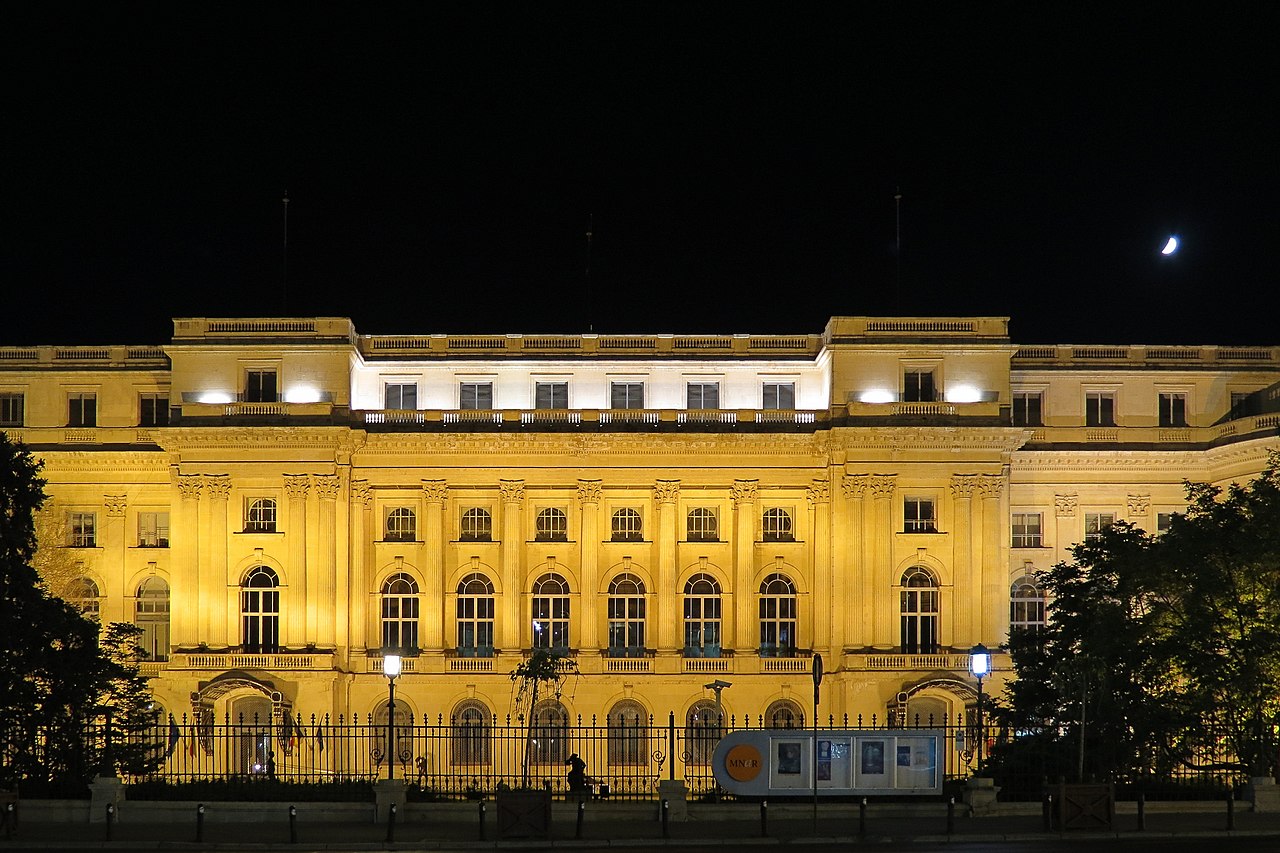
Bucharest is a city of captivating contrasts, where the gilded echoes of its "Little Paris" heyday dance alongside the monumental shadows of a complex communist past. Strolling through its eclectic boulevards, you will find Belle Époque palaces nestled against trendy
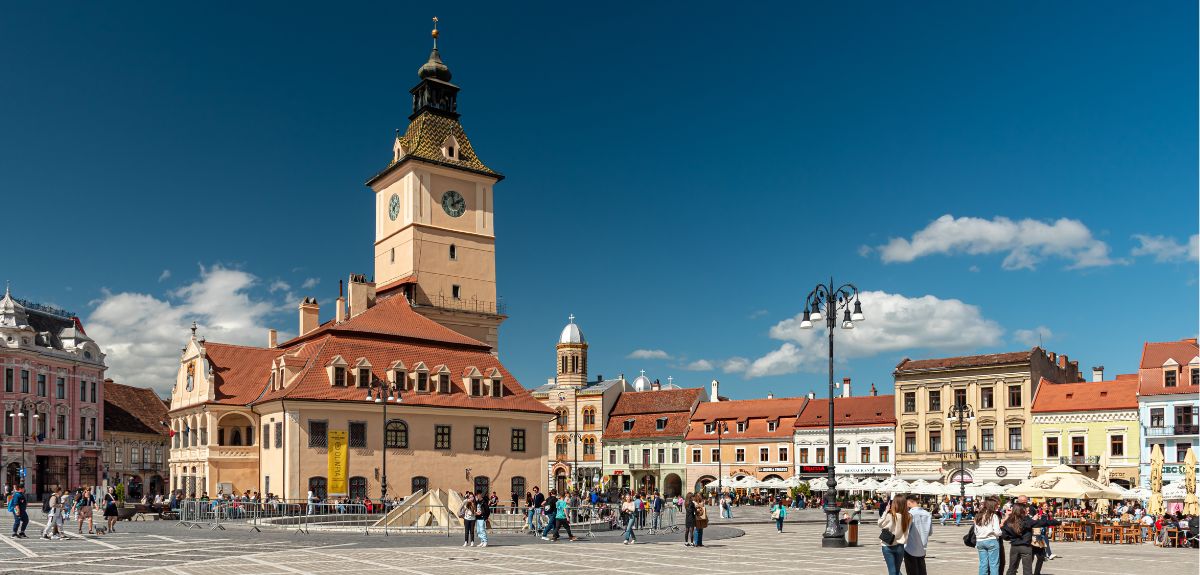
Brașov is a city where medieval mystery meets Transylvanian elegance, nestled deep within the emerald embrace of the Carpathian Mountains. As you wander through its sun-drenched squares and winding alleys, the air hums with the whispers of centuries past, inviting
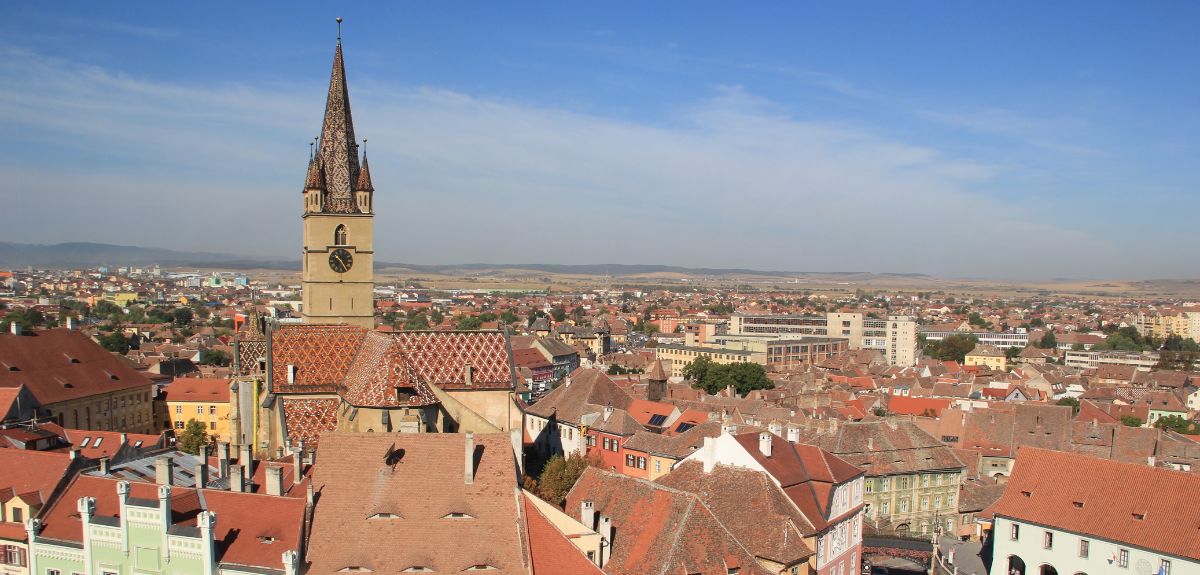
Sibiu is a medieval treasure tucked away in the heart of Transylvania, where the houses seem to watch you with curious eyes and the air is thick with the romance of centuries past. This former European Capital of Culture radiates
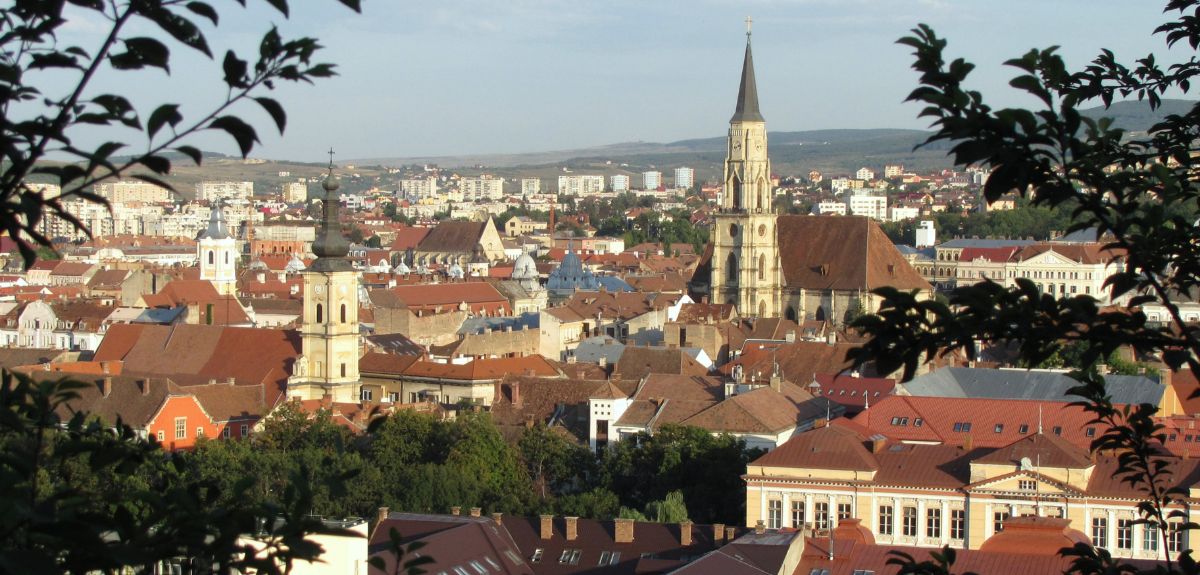
Cluj-Napoca is the unofficial capital of Transylvania, where ancient history dances with a youthful, high-tech energy. Nestled in the heart of Romania, this vibrant city lures you in with its bohemian charm, Gothic spires, and a culinary scene that rivals
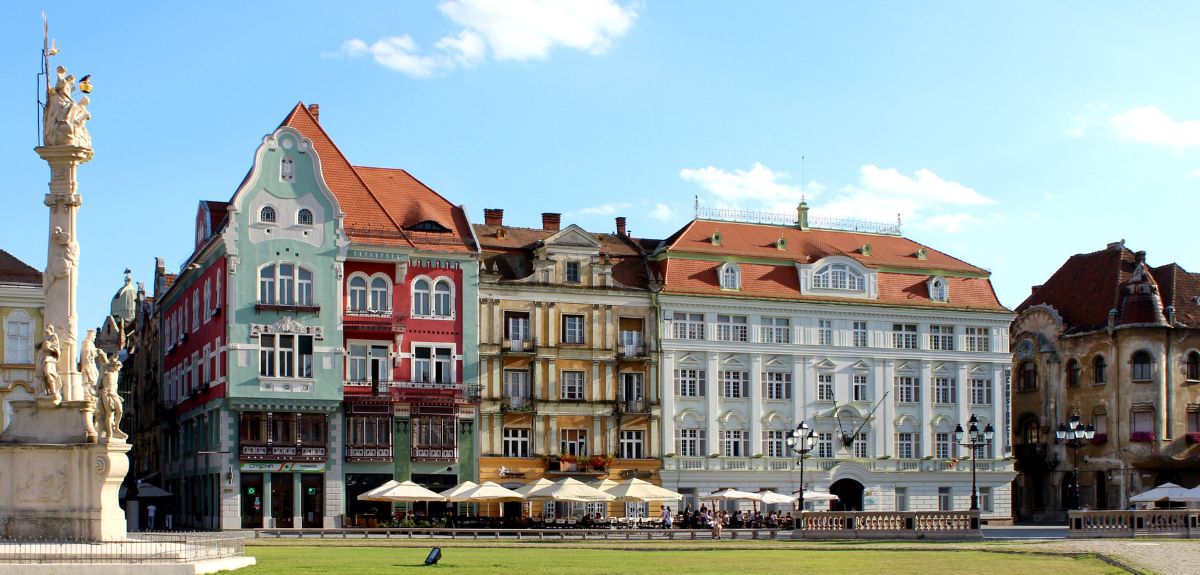
Timișoara is a city where every sun-drenched facade tells a story of revolution, elegance, and the enduring spirit of the Banat region. Often called 'Little Vienna,' this vibrant cultural hub sparkles with Baroque architecture and sprawling pedestrian squares that invite
People are friendly and helpful—English is common in tourist spots and among younger folks, but a “bună” (hello) or “mulțumesc” (thanks) goes far. Food’s hearty (think soups, grilled meats, polenta), portions big, and portions of hospitality even bigger. Safety’s solid—Romania feels safer than many big European cities. Petty theft happens in crowded Bucharest spots (watch pockets like anywhere), but violent stuff is rare. Use common sense at night, stick to well-lit areas.
Public transport rocks for city-hopping (trains are scenic and reliable), roads are improving but mountain drives need care. Culture’s passionate—late dinners, festivals, strong coffee, and a love for storytelling. Whether you’re snapping pics of “eyes” in Sibiu rooftops, hiking near Brașov, or wandering Timișoara’s squares, Romania pulls you in and makes you want to stay longer.
So fire up our interactive maps for Bucharest, Brașov, Sibiu, Cluj-Napoca, and Timișoara—grab those guides and start plotting. You’ve got this. Safe travels!