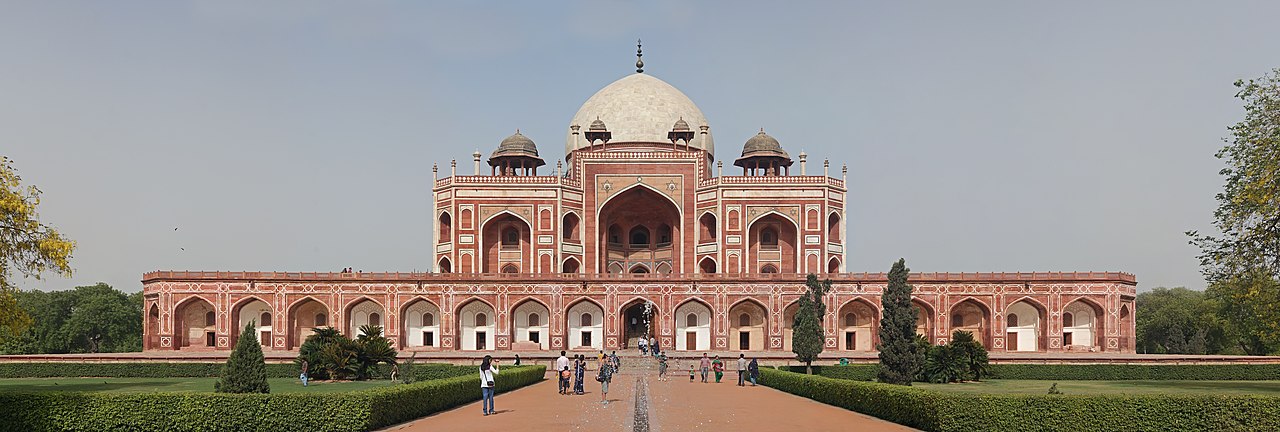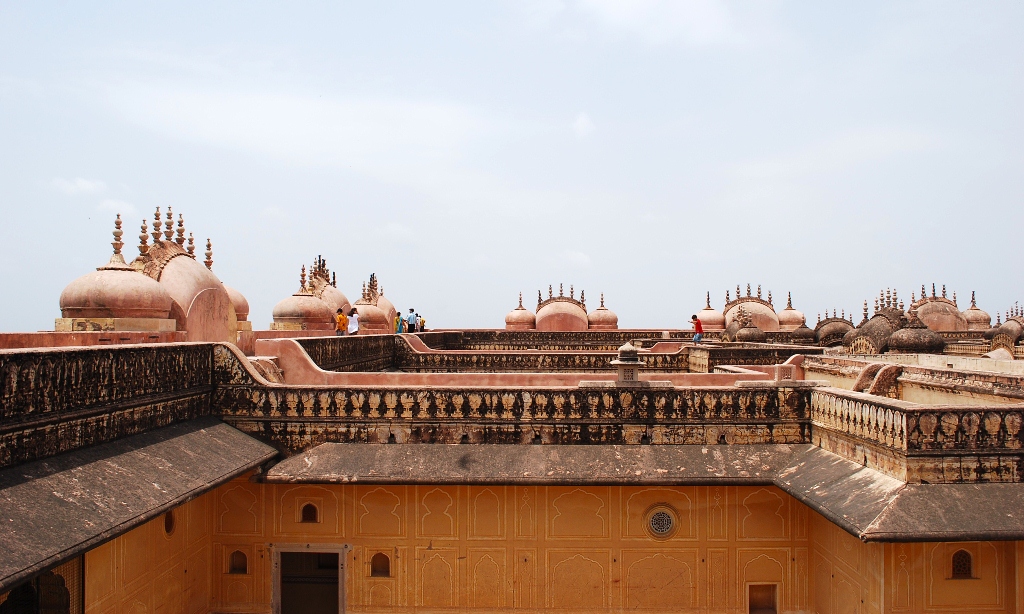






Description
Serving as the seat of the Mughal Empire for generations, the massive 94-acre Agra Fort is a premier UNESCO World Heritage Site steeped in royal history. Walking through its monumental red sandstone gates and intricate marble palaces, the grandeur of ancient India hits different, offering breathtaking distant views of the nearby Taj Mahal.
Why is this experience so famous?
Agra Fort is consistently featured in global travel guides as an essential, top-ranked experience in India, standing proud as a majestic UNESCO World Heritage Site. People rave about its crowd-pleasing features, especially the famous, perfect blend of imposing red sandstone battlements and exquisite white marble palaces that showcase the absolute pinnacle of Mughal grandeur. It is an unmissable must-do because walking through this massive walled city isn’t just a simple sightseeing tour; it is a captivating cultural deep dive into royal history where you can stand in the footsteps of emperors and enjoy breathtaking, unparalleled views of the nearby Taj Mahal.
Is it worth visiting?
Absolutely, especially if you love rich history and stunning architecture. You will be amazed by the grand red sandstone palaces, intricate marble design, and the breathtaking views of the nearby Taj Mahal. The atmosphere is majestic and offers great value, perfectly suited for exploring this historic walled city with knowledgeable guides. This landmark is highly rated by travelers and a must-see in India. Skip the hassle of waiting in line, book online today to reserve now & pay later, and benefit from free cancellation.
What’s the best time to visit?
For the most comfortable sightseeing weather, visit during the winter months from October to March. The high peak season brings pleasant temperatures but maximum crowds and longer wait times. Alternatively, the low summer and monsoon seasons offer empty monuments and discounted rates but trade comfort for extreme heat or humidity. Insider tip: Visit early in the morning at sunrise on weekdays to completely beat the intense midday heat and weekend crowds.
How much time should I allow for this experience?
Allow a total of 1.5 to 2 hours for a basic visit focused on the main palaces and the key Taj Mahal viewpoints. If you prefer a more thorough experience to explore the intricate architecture of the entire walled city, the audience halls, and take extensive photos, plan to budget 2.5 to 3 hours. Always allow an extra 30 minutes of buffer time for security lines at the entrance. This experience fits perfectly into a morning slot right after a sunrise visit to the Taj Mahal or as a late afternoon activity to see the red sandstone during the golden hour.
Is it better to go in the morning or afternoon?
This is an excellent question, and the ideal time depends on the kind of experience you want to craft.
The Morning Advantage: Visiting in the early morning is for the savvy traveler who wants to beat the intense Indian heat and high humidity. The morning offers significantly lower temperatures, shorter lines at security, and a peaceful atmosphere to wander the massive red sandstone complex. Plus, the mid-morning light hits the fort’s intricate red façades beautifully, creating crisp, clear conditions for photography.
The Afternoon Advantage: On the other hand, the late afternoon delivers a more relaxed, cinematic vibe. As the day cools down, the golden hour light creates a dramatic, warm glow over the palaces, and it’s the perfect time to capture the distant silhouette of the Taj Mahal framed by the fort’s marble windows.
My Recommendation: For a massive historical landmark and outdoor walking activity of this caliber, my recommendation is unequivocally the Morning. Exploring this sprawling walled city requires a lot of walking, and starting early ensures you maintain your physical energy before the sun becomes draining.
Insider Tip: Plan your entry for exactly 8:30 AM to 9:00 AM on a weekday. This sweet spot allows you to completely bypass the early sunrise rush of tourists coming straight from the Taj Mahal, giving you a window of relative tranquility.
This ideal morning slot perfectly structures your day, allowing you to wrap up your 2-hour exploration just in time to head into the center of Agra for a relaxed, authentic North Indian lunch, setting you up seamlessly for a late afternoon visit to the nearby Mehtab Bagh gardens for sunset.
In summary, this is a must-do historical experience that showcases the majestic architecture and grand heritage of the Mughal Empire. Plan to allow 2 to 3 hours for your visit, and the best seasons to explore are Autumn or Winter for pleasant weather. Booking your entry tickets online offers great flexibility with free cancellation benefits. Secure your tickets now.
Copyright & Affiliate Notice: Image Credit: Wikimedia Commons – Image licensed under Creative Commons via Wikimedia Commons. This site contains affiliate links. We may earn a commission if you buy through our links – at no extra cost to you.