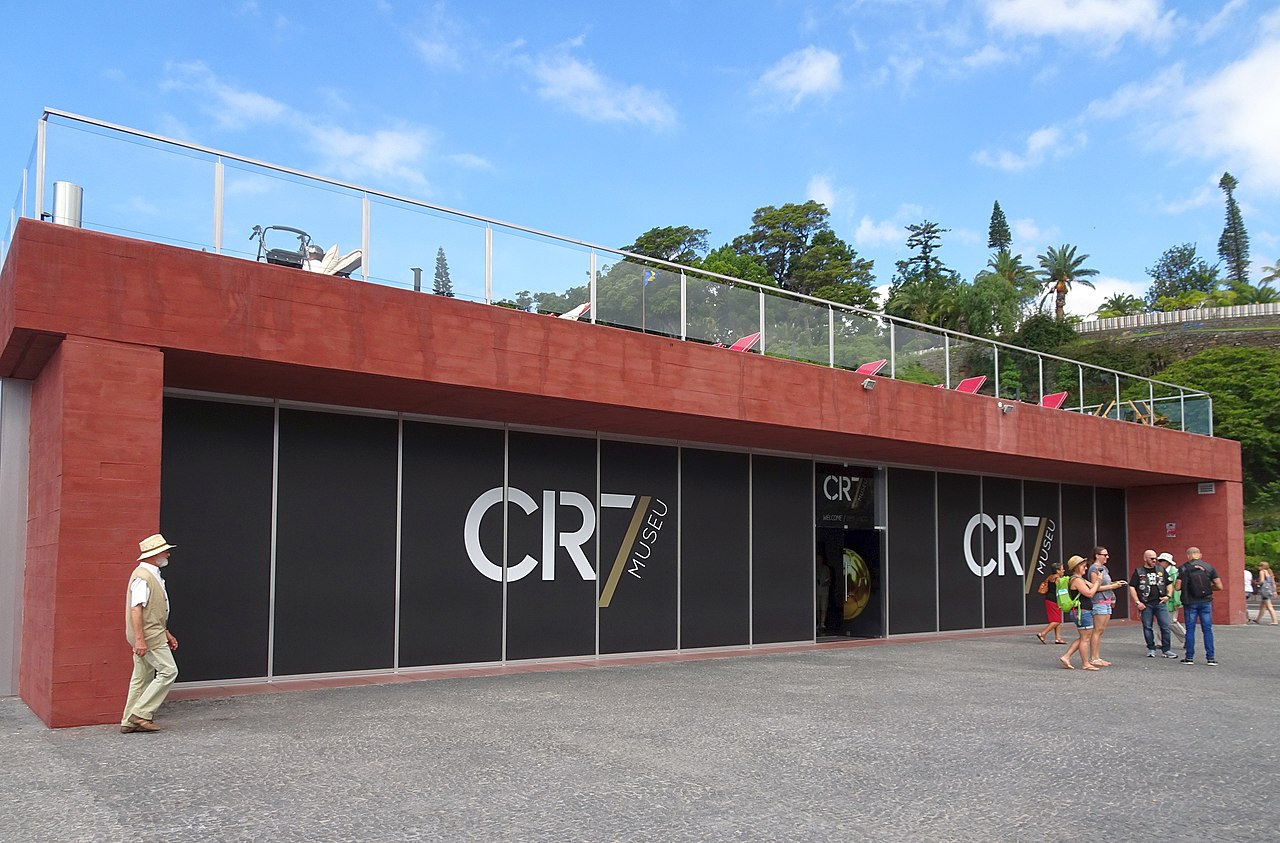






Description
Home to over 34 million specimens and artifacts, the American Museum of Natural History is one of the world’s preeminent scientific institutions. Stepping into the soaring Theodore Roosevelt Rotunda or standing beneath the 94-foot blue whale hits different, instantly connecting you to the epic wonders of our natural world and the vast reaches of the universe.
Why is this experience so famous?
The American Museum of Natural History is consistently ranked as one of the world’s premier scientific and cultural landmarks, featured as a top-tier “must-visit” in every major New York City travel guide. People rave about its legendary crowd-pleasers, from the awe-inspiring, 94-foot blue whale in the Hall of Ocean Life to the world-famous Fossil Halls housing the towering Titanosaur and T. rex. It’s a definitive must-do because it’s not just a museum visit; it’s a high-energy, cultural deep dive that transports you from the depths of the prehistoric past to the furthest reaches of the cosmos at the state-of-the-art Hayden Planetarium. This is the ultimate journey of discovery, blending cinematic history with cutting-edge science to create an unforgettable experience for all ages.
Is it worth visiting?
Absolutely, especially if you are seeking a profound journey through the wonders of the natural world and the cosmos in the heart of New York City. You will be captivated by iconic highlights like the massive 94-foot blue whale in the Milstein Hall of Ocean Life, the world-renowned fossil halls featuring towering dinosaur skeletons, and the cutting-edge space shows at the immersive Hayden Planetarium. The atmosphere is one of awe and discovery, offering a sophisticated and educational experience that provides immense historical value for visitors of all ages. This legendary institution is consistently ranked as a must-visit NYC landmark and is highly rated by millions of explorers for its unparalleled collections. Skip the hassle of waiting in long lines by booking your tickets online today to reserve now and pay later, while benefiting from the flexibility of free cancellation.
What’s the best time to visit?
Aim for Spring or Fall to combine your visit with a stroll through adjacent Central Park. For a quieter atmosphere, visit during the low season from January to March. Tuesday through Thursday is the savvy choice; arrive right at 10 AM or after 2 PM to dodge school groups and peak midday crowds. Avoid holiday weekends and the busy summer rush for the most peaceful experience.
How much time should I allow for this experience?
Allow a total of 3 to 4 hours for a basic visit focused on major highlights like the dinosaur halls and the blue whale. If you plan for a more thorough experience, including the Hayden Planetarium, special exhibitions, and the Gilder Center, budget for a complete 5 to 8 hours. Always allow an extra 30 to 45 minutes of buffer time for security checks and entry lines, which can be significant on weekends. This experience is best fit as a central anchor for your day, ideally starting at opening to beat school groups or in the late afternoon for a quieter atmosphere.
Is it better to go in the morning or afternoon?
Deciding between a morning or afternoon visit to the American Museum of Natural History is a matter of strategy, as this massive institution requires both stamina and smart timing.
The Morning Advantage: Arriving right at the 10:00 AM opening is the gold standard for the organized traveler. You get first crack at the most popular halls—like the fourth-floor dinosaurs—before the midday school groups and tourist peak hit. Starting early ensures your mental energy is at its peak for the immersive exhibits and guarantees you can secure preferred showtimes for the Hayden Planetarium.
The Afternoon Advantage: A late afternoon visit (starting around 3:00 PM) offers a different, more relaxed vibe. As the morning crowds and school field trips begin to filter out, the museum takes on a quieter, more contemplative atmosphere, which is ideal if you prefer wandering the dimly lit halls of the North American Mammals in peace.
My Recommendation: For a world-class museum of this scale, my recommendation is unequivocally the Morning. Because the AMNH comprises 28 interconnected buildings and millions of square feet, you need the “fresh legs” and full-day flexibility that only a morning start provides. You don’t want to be rushed through the Gilder Center or the Blue Whale hall because the 5:45 PM closing time is looming.
Insider Tip: Arrive at least 20 minutes before opening and use the 81st Street/Rose Center for Earth and Space entrance instead of the main Central Park West steps. It is often less crowded and places you directly next to the planetarium, allowing you to book your showtimes immediately before the kiosks get swamped.
This morning-heavy schedule works perfectly for your New York itinerary; it allows you to complete your cultural deep-dive by mid-afternoon, leaving you perfectly positioned for a restorative late-afternoon stroll through Central Park right across the street, followed by a premier dinner on the Upper West Side.
In summary, this is a must-do, profound historical experience that offers an essential journey through the wonders of the natural world and human history. Plan to allow 3 to 4 hours for your visit, with the winter months or late afternoons being ideal for avoiding the largest crowds. Booking online provides the benefit of flexibility with reserve now and pay later options and free cancellation. Secure your tickets now.
Copyright & Affiliate Notice: Image Credit: Wikimedia Commons – Image licensed under Creative Commons via Wikimedia Commons. This site contains affiliate links. We may earn a commission if you buy through our links – at no extra cost to you.