




Description
Welcoming over 6.5 million visitors since its debut, the European Solidarity Centre is the only Polish museum ever awarded the prestigious Council of Europe Museum Prize. Stepping into the towering, ship-like interior, the energy of the peaceful revolution that collapsed the Iron Curtain hits different, immersing you in the soul of the place where modern history was written.
Why is this experience so famous?
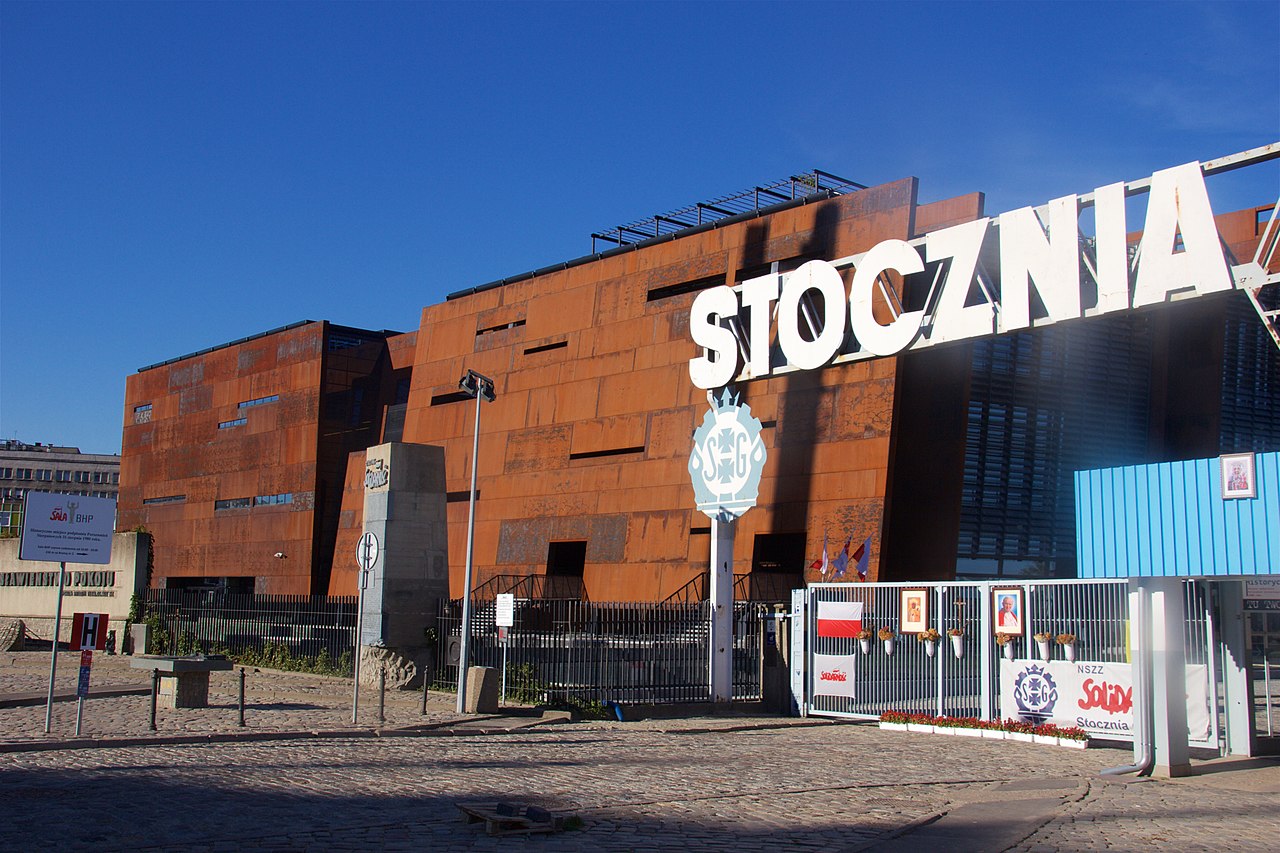
The European Solidarity Centre is a globally recognized, award-winning institution that recently made history as the first Polish museum to receive the prestigious Council of Europe Museum Prize. People rave about its striking, rust-colored architecture—designed to evoke the hulls of ships from the historic Gdańsk Shipyard—and the high-tech, multimedia permanent exhibition that brings the struggle for freedom to life. It is a must-do because it is not just a museum; it’s a profound cultural deep dive into the very site where the Solidarity movement sparked the peaceful revolution that brought down the Iron Curtain. Standing before the original 21 Demands at this epic monument to human courage and resilience is an unforgettable experience that hits different.
Is it worth visiting?
Definitely, especially if you are interested in modern European history and striking contemporary architecture. You will be moved by the powerful museum exhibits detailing the fall of the Iron Curtain and impressed by the building’s award-winning design located at the heart of the historic shipyards. The atmosphere is deeply immersive and educational, offering a poignant and high-quality experience that provides great value. This site is consistently highly rated and receives exceptional reviews for its profound emotional impact and historical significance. Skip the hassle of long queues and book online today to reserve now & pay later, all while benefiting from free cancellation.
What’s the best time to visit?
For the best experience, visit during the shoulder seasons of spring or autumn for pleasant weather and fewer crowds. Summer is peak tourist season, bringing longer wait times and a busier atmosphere. To beat the rush, arrive on a weekday morning right at opening or late in the afternoon. Avoid weekends and holidays, as the centre becomes significantly more congested during these times.
How much time should I allow for this experience?
Allow a total of 2 to 3 hours for a basic visit focused on the permanent exhibition. For a more thorough experience that includes the viewing terrace, the children’s section, and a break at the cafe, you should budget for 4 to 5 hours. Always allow an extra 30 minutes of buffer time for the entry process and security checks. This experience is best scheduled as a major morning activity when your energy is highest for the detailed historical displays, or as a mid-afternoon visit to finish your day of sightseeing.
Is it better to go in the morning or afternoon?
Choosing between a morning or afternoon visit to the European Solidarity Centre depends on your preferred pace for absorbing history.
**The Morning Advantage:** A morning visit (around 10 AM) is ideal for the focused historian. You benefit from a fresh perspective and significantly quieter galleries, allowing you to engage deeply with the powerful, multi-sensory exhibits before the midday tour groups arrive. It is a time for quiet reflection and uninterrupted study of the artifacts that shaped the fall of the Iron Curtain.
**The Afternoon Advantage:** An afternoon visit offers a more relaxed, contemplative atmosphere. The striking modern architecture of the building, designed to resemble a ship’s hull, is bathed in a warm, dramatic light as the day progresses. It is a perfect way to wind down while still engaging with a profound narrative.
**My Recommendation:** For a museum of this depth and emotional weight, my recommendation is unequivocally the **Morning**. This is a comprehensive, world-class museum that requires significant mental energy; visiting early ensures you aren’t rushed and can fully appreciate the intricate storytelling without the distraction of peak-hour crowds.
**Insider Tip:** Aim to arrive **15 to 20 minutes before your scheduled entry** to explore the permanent exhibition’s impressive “Winter Garden” and the Monument to the Fallen Shipyard Workers 1970 just outside. This prepares your mindset for the historical journey within.
Starting your day here sets a meaningful tone for your visit to Gdańsk, placing you in the heart of the historic shipyard district. A morning session concludes perfectly in time for a thoughtful lunch at one of the nearby riverside cafes, leaving your afternoon free to explore the charming Old Town with a newfound understanding of Poland’s journey to freedom.
In summary, this is a must-do, profound historical experience that offers a powerful look into the movement that changed Europe. Plan to allow 2 to 3 hours for your visit, and the best time to explore is during the spring or fall for the most comfortable experience. Booking online provides the benefit of securing your entry with flexibility and free cancellation options. Secure your tickets now.
Copyright & Affiliate Notice: Image Credit: Wikimedia Commons – Image licensed under Creative Commons via Wikimedia Commons. This site contains affiliate links. We may earn a commission if you buy through our links – at no extra cost to you.