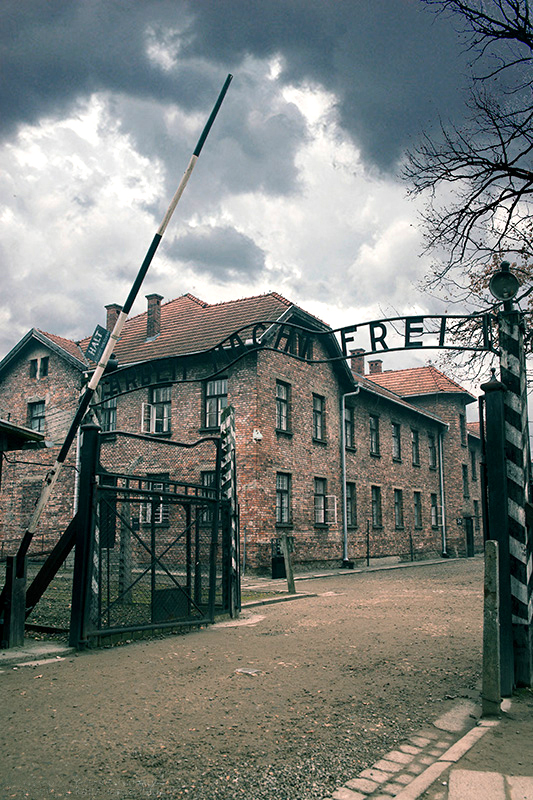






Description
Commemorating the mid-19th-century arrival of 6,000 German families, the Frutillar German Colonial Museum meticulously preserves a complete settlement on the edge of Patagonia. Wandering through the 1889 farmhouse and authentic watermill against a backdrop of snow-capped volcanoes hits different, instantly transporting you into the soul of Chile’s unique European heritage.
Why is this experience so famous?
The Frutillar German Colonial Museum is consistently featured in major travel guides as the premier historical attraction in the Lake District, famously preserving the enchanting 19th-century legacy of the area’s first settlers. People rave about its meticulously landscaped seven-acre grounds and the iconic, functioning watermill that serves as a stunning backdrop against the Osorno Volcano. It is a must-do because it is not just a collection of buildings; it is an immersive cultural deep dive that allows you to step directly into the lives of the pioneers, exploring authentic period-furnished farmhouses and blacksmith forges in a setting that feels like a European alpine village transported to the edge of Patagonia.
Is it worth visiting?
Absolutely, especially if you are seeking a captivating journey into the 19th-century history of southern Chile. You will be enchanted by the beautifully landscaped grounds and authentic highlights like the traditional watermill, the masterfully preserved farmhouse, and the scenic views overlooking Lake Llanquihue. The atmosphere is peaceful and educational, offering a high-quality cultural experience that provides great value for history buffs and families alike. This open-air museum is consistently highly rated by visitors who appreciate its immersive storytelling and stunning architectural details. Skip the hassle of waiting in line by booking your tickets online today; you can reserve now and pay later, and benefit from the flexibility of free cancellation.
What’s the best time to visit?
The best time to visit is during the Chilean summer (December to February) for warm weather and local festivals, or spring (October to November) for blooming gardens. High season brings vibrant energy but larger crowds. For a savvy experience, visit on a weekday morning right at opening to enjoy the serene landscapes and historic structures before day-trip groups arrive from Puerto Varas.
How much time should I allow for this experience?
Allow a total of 1 to 1.5 hours for a basic visit focused on exploring the main historical buildings like the watermill, forge, and farmhouse. If you plan for a more thorough experience, including a leisurely stroll through the extensive gardens and taking time to study the 19th-century artifacts and machinery in detail, budget for a complete 2 to 2.5 hours. Always allow an extra 15 to 30 minutes of buffer time for ticket purchasing and navigating the uphill walk to the main house. This experience is best scheduled as a morning activity, allowing you to enjoy the gardens in the best light before heading to the Frutillar waterfront for lunch and a visit to the Teatro del Lago.
Is it better to go in the morning or afternoon?
This is an excellent question, as the timing of your visit to the Frutillar German Colonial Museum significantly shifts the atmosphere of the experience.
The Morning Advantage: Arriving in the morning, ideally right when the gates open, is for the traveler who values peace and photography. You benefit from the softest light hitting the antique watermill and the perfectly manicured gardens, all while avoiding the tour groups that typically arrive mid-day. It is a crisp, quiet, and intellectually stimulating way to begin your day.
The Afternoon Advantage: However, visiting in the afternoon offers a more relaxed, “Old World” charm. As the sun begins to dip lower over Lake Llanquihue, the wood-shingled colonial houses take on a warm, golden glow. This timing is perfect for those who want to wander the grounds at a slower pace and soak in the pastoral, Bavarian-inspired atmosphere.
My Recommendation: For a beautifully landscaped open-air museum like this, my recommendation is unequivocally the Morning. Starting your day here allows you to fully appreciate the historical details of the farmhouse and blacksmith shop without the distraction of large crowds, ensuring a more intimate connection with the region’s heritage.
Insider Tip: Aim to arrive 15 minutes before opening. Being the first person to walk through the gardens allows you to see the watermill in action without anyone else in your photos, providing a truly timeless “19th-century” perspective.
A morning visit to the museum perfectly sets you up for the rest of your day in Frutillar Bajo. You can finish your tour just in time for a lakeside lunch or a traditional “Kuchen” (German cake) at one of the many charming cafes along Arturo Prat Avenue, followed by a stroll to the Teatro del Lago.
In summary, this is a must-do, culturally rich experience that offers a charming glimpse into 19th-century settler life. Plan to allow 1 to 2 hours for your visit, with the best seasons being Spring or Fall for pleasant weather. Booking online via GetYourGuide provides the flexibility of reserving now and paying later, along with free cancellation benefits. Secure your tickets now.
Copyright & Affiliate Notice: Image Credit: Wikimedia Commons – Image licensed under Creative Commons via Wikimedia Commons. This site contains affiliate links. We may earn a commission if you buy through our links – at no extra cost to you.