





Description
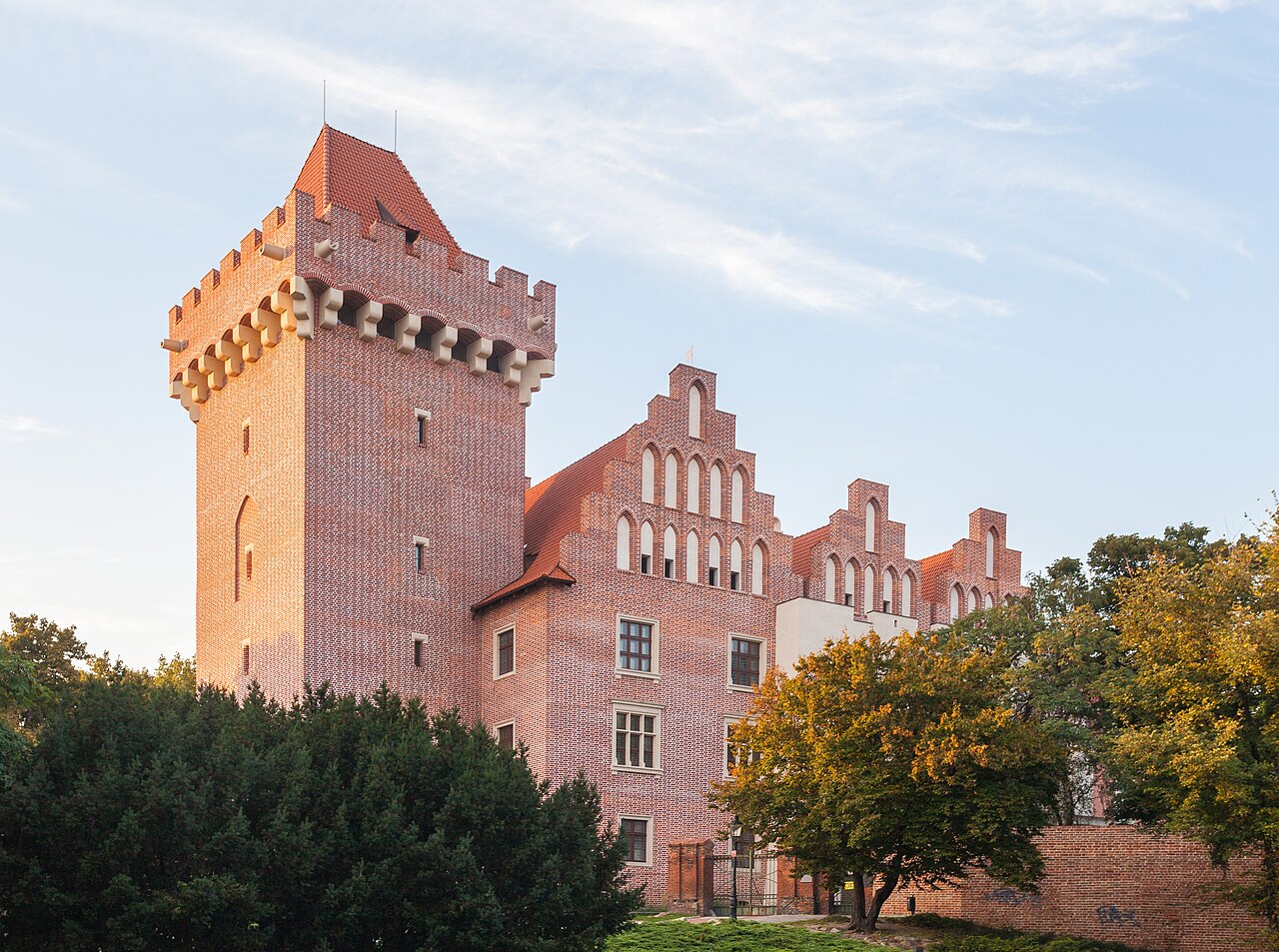
Home to the world’s best-preserved Inca mummies discovered at a staggering 22,000 feet, MAAM is a global archaeological phenomenon. Stepping into this 19th-century Neo-Gothic treasure, the weight of the sacred Capacocha ceremony hits different, offering an intimate, spine-tingling connection to the soul of a lost civilization.
Why is this experience so famous?
MAAM is consistently ranked as a top experience and featured in major travel guides as the definitive cultural landmark of Salta. People rave about its perfect blend of history and science, most notably the world-renowned Children of Llullaillaco, three remarkably preserved Inca mummies, and the sacred artifacts from the Capacocha ceremony. It’s a must-do because it’s not just a museum visit; it’s a profound archaeological treasure and a cultural deep dive that connects you to the heart of the ancient Inca Empire, all housed within a stunning 19th-century Neo-Gothic masterpiece.
Is it worth visiting?
Absolutely, especially if you are seeking a profound and world-class archaeological experience in the heart of Salta. You will be mesmerized by the world-renowned Children of Llullaillaco, the best-preserved Inca mummies ever found, and the incredible collection of over 140 gold and silver miniature artifacts from the sacred Capacocha ceremony. The atmosphere is solemn and sophisticated, housed in a stunning 19th-century Neo-Gothic building that offers a high-tech, educational deep-dive into the secrets of the High Andes. This museum is a two-time TripAdvisor Travelers Choice Award winner and is consistently ranked as one of the most important cultural highlights in South America. Skip the hassle of waiting in line by booking your tickets or combined tours online today to reserve now and pay later, and benefit from free cancellation.
What’s the best time to visit?
Aim for autumn (March–April) or spring (September–November) for ideal weather. Summer brings heavy rain, while winter is clear but cold. For a peaceful experience, visit on weekday mornings right at opening to avoid peak crowds and long queues. Steer clear of mid-September during the Milagro procession, as the city becomes extremely crowded, making museum entry and finding local accommodation difficult.
How much time should I allow for this experience?
Allow 45 minutes to 1 hour for a basic visit focused on the Children of Llullaillaco mummies and the primary gold and silver offerings. For a more thorough experience that includes studying the detailed archaeological reports, viewing the temporary exhibitions like Queen of the Hill, and browsing the specialized gift shop, budget for a complete 1.5 to 2 hours. Always allow an extra 15 to 30 minutes of buffer time for potential entry queues, as the museum uses visitor flow management due to its compact size and delicate conservation requirements. This visit is easily integrated into a morning or afternoon exploring Salta’s historic center, ideally scheduled right at the 11:00 AM opening to beat the midday rush.
Is it better to go in the morning or afternoon?
This is a fantastic question, and for an experience as profound and solemn as the MAAM, the timing significantly impacts your emotional connection to the exhibits.
The Morning Advantage: Arriving when the museum opens at 11:00 AM is the strategy for the focused historian. You benefit from your own peak mental freshness and generally thinner crowds, allowing for a quiet, contemplative atmosphere while viewing the Children of Llullaillaco. It is a powerful, reverent way to begin your day in Salta.
The Afternoon Advantage: Afternoon visits offer a more relaxed pace. While the museum can be busier with tour groups, the transition from the dim, climate-controlled galleries back into the warm, golden light of Salta’s main plaza creates a beautiful moment of reflection.
My Recommendation: For a world-class archaeological museum of this caliber, my recommendation is unequivocally the Morning. The somber nature of the Inca sacrifices requires a level of focus and stillness that is best achieved before the midday rush and the distractions of a full day of sightseeing.
Insider Tip: Only one of the three children is on display at a time to ensure their preservation. To make the most of your visit, aim for a 11:30 AM entry; this avoids the very first opening rush but keeps you ahead of the large groups that typically arrive after lunch.
This morning visit perfectly anchors your exploration of Salta’s historic center. After two hours of deep immersion in Inca history, you will emerge directly onto the Plaza 9 de Julio, perfectly positioned for a traditional Salteña empanada lunch at one of the nearby colonial cafes to discuss the incredible craftsmanship you’ve just witnessed.
In summary, this is a must-do, profound archaeological experience that offers a unique glimpse into the sacred rituals of the Inca civilization. Plan to allow approximately 1 to 1.5 hours for your visit, which is available to enjoy year-round. Booking online provides the flexibility of reserving now and paying later, along with the benefit of free cancellation. Secure your tickets now.
Copyright & Affiliate Notice: Image Credit: Wikimedia Commons – Image licensed under Creative Commons via Wikimedia Commons. This site contains affiliate links. We may earn a commission if you buy through our links – at no extra cost to you.