

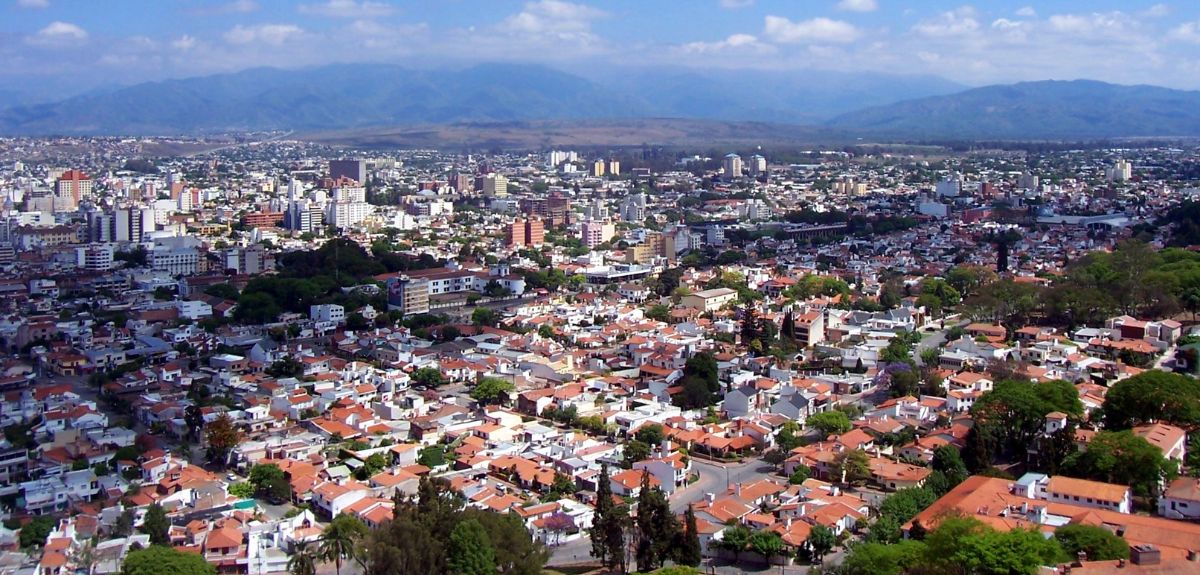
Salta is the epitome of colonial charm and high-altitude romance—known as “Salta la Linda” (Salta the Beautiful), this graceful Andean city sits nestled in the dramatic Lerma Valley, framed by the striking purple and rust-colored peaks of the Andes. With its elegant Spanish colonial architecture, sun-drenched plazas, and rich indigenous and gaucho traditions, Salta offers a sophisticated blend of history, culture, and breathtaking mountain scenery. You can linger over a glass of crisp Torrontés on a café terrace one moment and ride the world’s highest train through cloud-piercing viaducts the next, all while the soft strumming of folk guitars drifts through the crisp air. It strikes a perfect balance: refined Old World beauty paired with the raw majesty of the high desert and a warm, authentic Argentine soul. If you’re looking for a destination that combines colonial elegance, dramatic landscapes, and cultural depth away from the crowds, Salta is the hidden gem of northern Argentina for you. Keep reading for my top tips on discovering its golden plazas and mountain wonders.
Why Visit Salta?
Nestled in the foothills of the Andes in northwest Argentina, Salta is one of the country’s most picturesque and culturally rich cities. Famous for its well-preserved colonial architecture, vibrant folk traditions, world-class museums, and access to some of South America’s most spectacular high-altitude scenery, it offers a sophisticated and soulful experience that feels both timeless and invigorating. Here’s why you need to put Salta on your list:
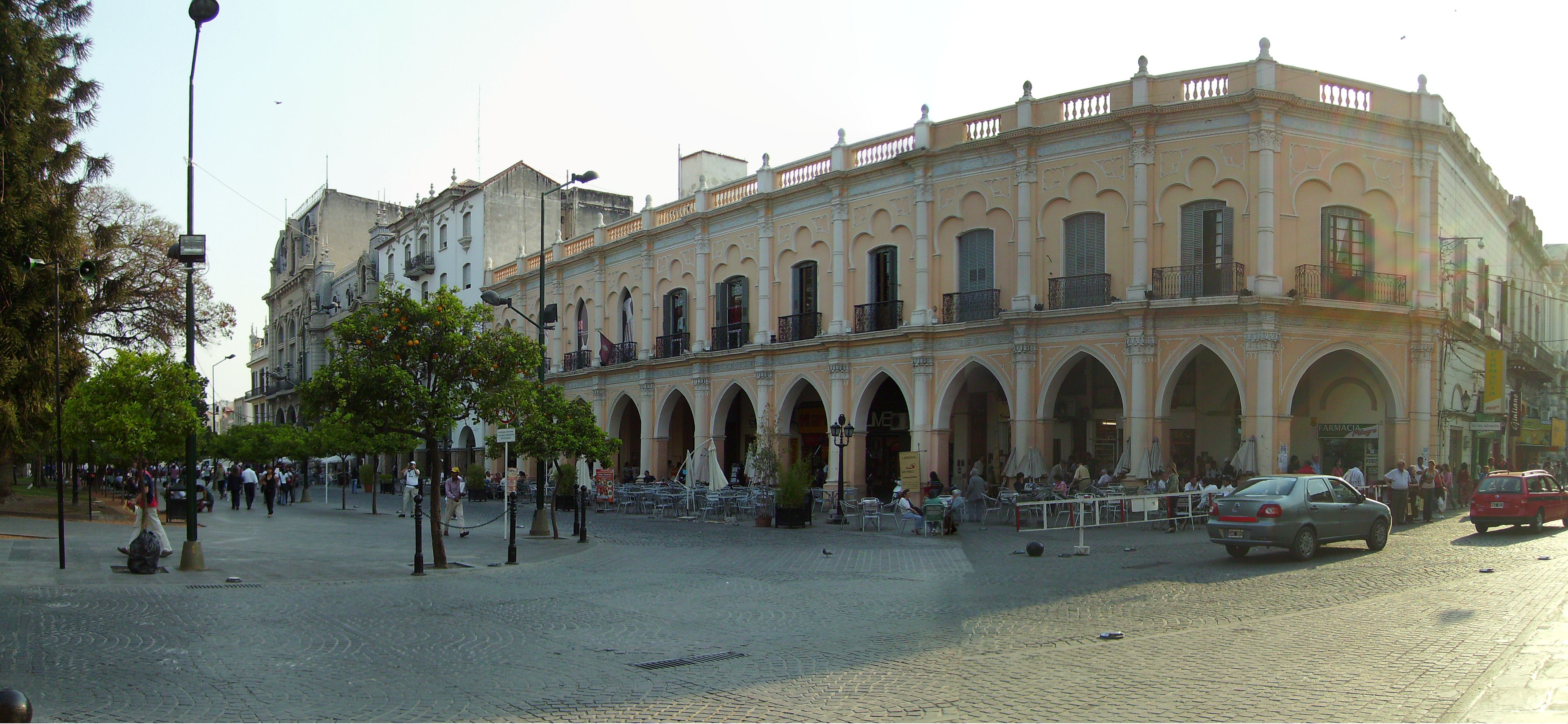
- Plaza 9 de Julio: The beating heart of the city, this palm-shaded main square is surrounded by elegant pastel-colored colonial buildings and the striking pink Cathedral—perfect for people-watching, enjoying a leisurely café terrace, or catching golden-hour sunsets.
- Cathedral of Salta: A neoclassical masterpiece with a soft pink facade and dazzling gold-leaf interiors, this iconic cathedral is one of Argentina’s most beautiful religious buildings and a highlight of the historic center.
- Museo de Arqueología de Alta Montaña (MAAM): A world-class museum dedicated to Inca culture, home to the incredibly preserved mummies of three Inca children discovered on Llullaillaco volcano—haunting, fascinating, and deeply moving.
- Cerro San Bernardo: Ride the cable car to the summit for sweeping panoramic views over Salta’s terracotta rooftops and the surrounding mountains—especially magical at sunset when the city lights begin to sparkle below.
- Tren a las Nubes (Train to the Clouds): Embark on one of the world’s highest railway journeys, climbing through dramatic Andean landscapes, crossing dizzying viaducts, and reaching altitudes of over 4,200 meters for views that truly take your breath away.
From its golden colonial plazas and incense-scented cathedrals to the dramatic high-mountain scenery and the soulful rhythms of northern Argentine folklore, Salta delivers graceful elegance and breathtaking natural drama in a way that’s distinctly, unforgettably Argentine.
SALTA KEY INFO
Everything you need to hit the ground running.
WHEN TO VISIT
March to May for wine harvests and mild weather; September to November for clear skies and outdoor adventures.
HOW TO GET THERE
Fly into Martín Miguel de Güemes International Airport (SLA). It’s a taxi or bus to the city center (~15-25 min).
HOW TO GET AROUND
Walk! Salta’s historic center is compact and best explored on foot to admire the colonial architecture. For longer trips, use a SAETA card for the efficient bus network.
IDEAL TRIP LENGTH
2-3 days for the city itself, but 5-6 days if you want to include day trips to Cafayate, Cachi, or the Salinas Grandes.
What is Salta Mainly Known For?
Salta is famous for the Llullaillaco mummies, three incredibly preserved Inca children sacrificed to the gods on a high-altitude volcano. It’s also known for the pink Cathedral Basilica, a neoclassical gem housing the remains of national hero General Güemes. Beyond the sights, it’s known as Salta la Linda for its stunning colonial elegance and vibrant folklore music scene.
Is Salta a Walkable City?
100% yes. Salta is incredibly compact, with many tree-lined pedestrian streets and plazas that make wandering a joy. I loved soaking in the colonial vibe without the constant hum of traffic.
Is it safe to walk in Salta at night? Mostly, yes. In the central tourist areas, I felt quite at ease, though I always recommend staying alert and using standard common sense as you would in any city.
What Is the Best Neighborhood to Walk Around?
Centro Histórico is the winner. Tucked at the foot of Cerro San Bernardo, this vibrant heart glows with pastel colonial architecture and narrow cobblestone streets. For something completely different, walk over to Balcarce Street, a bohemian district famous for its lively peñas, traditional folk music, and a spirited nightlife that captures the city’s authentic Andean soul.
What Are the Best Things to Do in Salta? (For Your First Visit)
I visited Salta without a strict day-by-day plan. I wanted to take my time, enjoy the colonial charm and laid-back vibe, and see where the streets took me. I wrote down a few highlights and hit the ground running. Here are the spots I definitely recommend checking out:
Plaza 9 de Julio
Salta’s leafy, palm-fringed heart glows with colonial charm. Wander past the pink Cathedral and arcaded sidewalks. Price: Free. Pro tip: Grab a cafe table at sunset for the ultimate people-watching vibe and a taste of the city’s soul. Check availability and explore popular experiences.
Cathedral of Salta
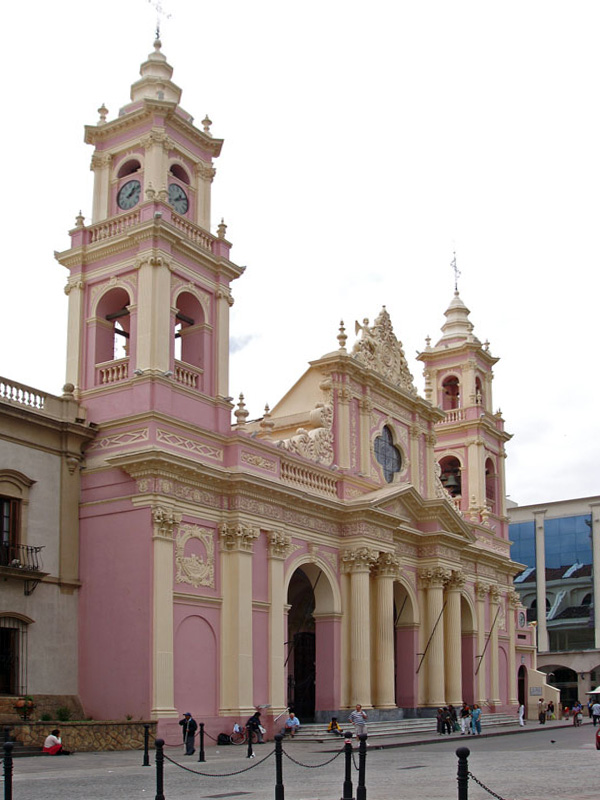
This pink neoclassical stunner is Salta’s soul. Marvel at the gilded altars and the Panteón de las Glorias. Price: Free. Pro tip: Swing by at sunset when the facade glows and the evening illumination kicks in for peak vibes. Check availability and explore popular experiences.
Iglesia San Francisco
Salta’s iconic red-and-gold masterpiece. Marvel at the continent’s tallest bell tower and ornate Italianate details. Entry: Free (museum extra). Pro tip: Visit after sunset when the exterior lighting makes the terracotta walls glow against the night sky. Check availability and explore popular experiences.

Museo de Arqueologia de Alta Montana
Step into Inca history at this hauntingly beautiful museum. Witness the incredibly preserved Llullaillaco mummies and gold artifacts. Price: ~$16 USD (16,000 ARS) for foreigners. Pro tip: Arrive early to beat the crowds; only one child is displayed at once. Check availability and explore popular experiences.
Credit: Wikimedia Commons
Cerro San Bernardo
Salta’s ultimate viewpoint. Take the cable car or conquer 1,070 steps for epic city panoramas and hilltop waterfalls. Price: Free (stairs) or ~$16 (cable car). Pro tip: Go at sunset to see the city lights sparkle. Check availability and explore popular experiences.

Cabildo de Salta
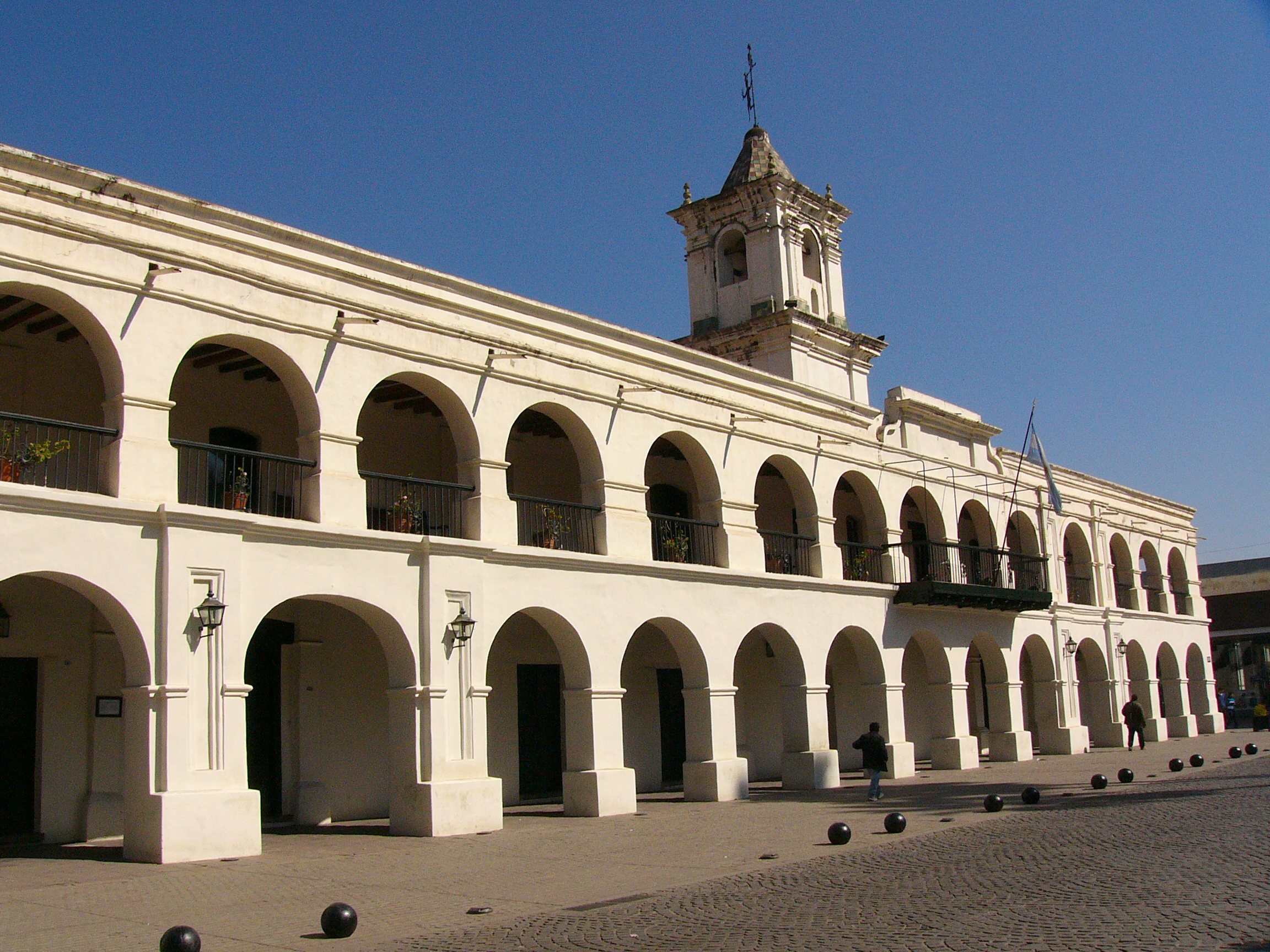
Argentina’s best-preserved colonial gem. Wander through white-arched courtyards and revolutionary history in this 1780s icon. Price: Free. Pro tip: Don’t miss the stunning flower wall in the patio—it’s the ultimate spot for a vintage-vibe photo. Check availability and explore popular experiences.
Tren a las Nubes
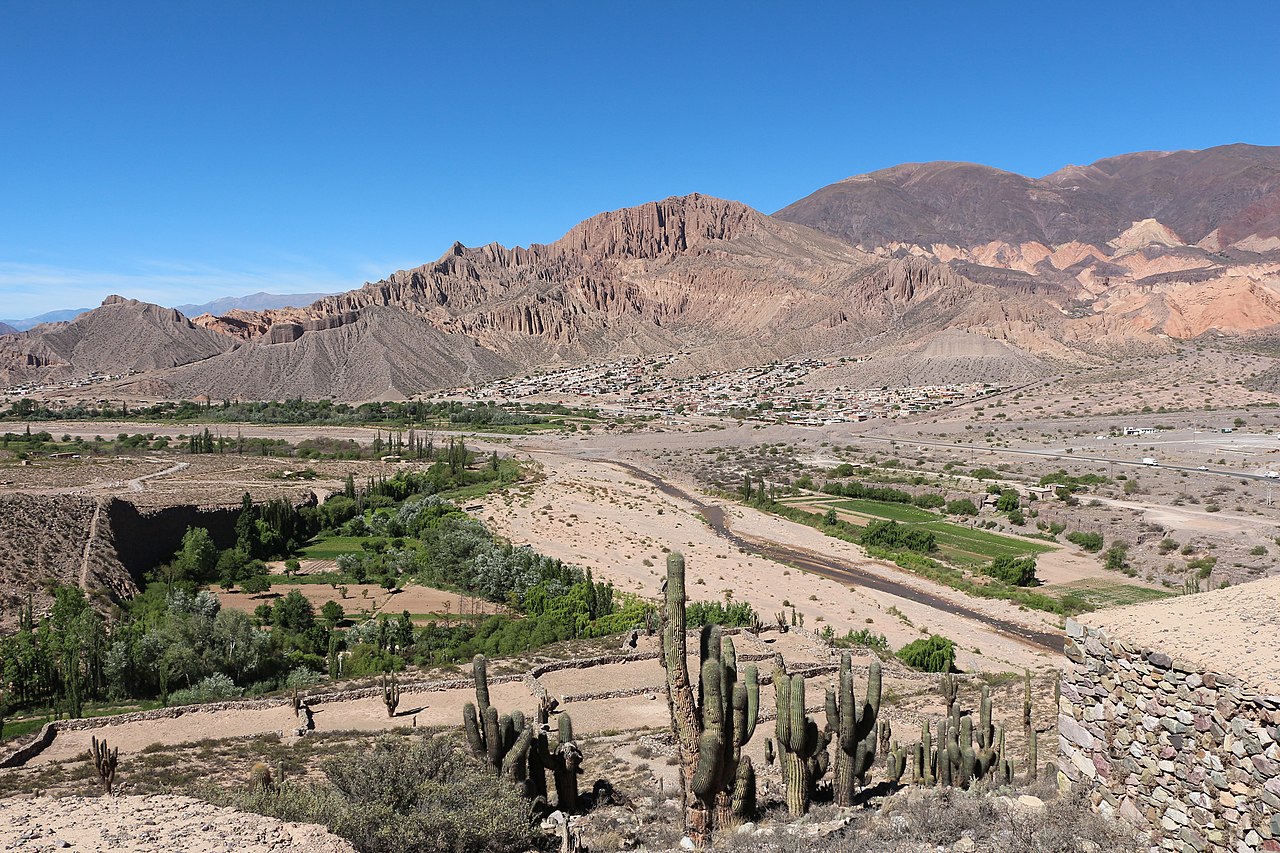
Scale the Andes on this legendary high-altitude rail journey. Highlights: Crossing the dizzying La Polvorilla Viaduct at 4,220m and vast Puna views. Price: ~$176 USD. Pro tip: Sip coca tea to beat the altitude and keep your camera ready. Check availability and explore popular experiences.

Convento de San Bernardo
A colonial relic with a serene, cloistered soul. Highlights: the iconic 1762 hand-carved carob door and baroque architecture. Price: Free (view from outside). Pro tip: Visit the revolving window to buy handmade pastries and crafts from the nuns. Check availability and explore popular experiences.

Iglesia Nuestra Senora de la Candelaria de La Vina
Something went wrong. Try again. Check availability and explore popular experiences.

Monumento a Guemes
Argentina’s gaucho hero stands tall at the foot of Cerro San Bernardo. Highlights: Massive bronze statue and intricate stone reliefs. Price: Free. Pro tip: Visit at night when dramatic lighting makes the hero glow against the mountain backdrop. Check availability and explore popular experiences.
Credit: Wikimedia Commons
Must-Do Activities in Salta
To really get the most out of your trip, I recommend checking out these experiences:
What Part of Salta is Best for Tourists?
Stay in the Downtown area. Everything will be within a 15-minute walk. If you want something a bit more local but still close, the Portezuelo neighborhood is lovely—it offers a laid-back, bohemian atmosphere and easy access to the San Bernardo cable car.
What to Know Before Going to Salta
- Stick to Bottled: Tap water safety is inconsistent; it is highly recommended to drink bottled water to avoid stomach issues.
- Limited English: While tourism staff may speak some English, knowing basic Spanish is essential for navigating the city and local shops.
- The Salta Pass: This prepaid card offers significant savings on airport transfers and major excursions like the Humahuaca Canyon.
- Quiet Sundays: Most shops and supermarkets close on Sundays, though some restaurants and major tourist attractions remain open.
- Tipping Etiquette: Tipping is not mandatory but customary; leave around 10% in restaurants and round up fares for taxi drivers.
How Many Days Do I Need in Salta?
3 days is the ideal duration for first-time visitors to balance colonial architecture, Andean culture, and the region’s stunning natural landscapes.
- Day 1: Plaza 9 de Julio, Cathedral of Salta, Iglesia San Francisco, Cabildo de Salta, Convento de San Bernardo.
- Day 2: Museo de Arqueologia de Alta Montana (MAAM), Cerro San Bernardo, Mercado Artesanal, Monumento a Guemes.
- Day 3: Take a scenic high-altitude rail journey on the Tren a las Nubes or a day trip to the red rocks of Cafayate.
Suggested daily budget – 72-109 EUR / 79-120 USD (Note: This covers mid-range boutique hotels, dining at regional restaurants with wine, and organized day trips to nearby Andean attractions. You can go cheaper if you eat local empanadas at the San Miguel market and explore the historic center on foot).
MONEY SAVING TIPS
- Master the Menu del Día: Head to local favorites like Doña Salta or Calixto for a Menu del Día (daily lunch special) which often includes a starter, main, and drink for around $5–$10 USD, or grab a cheap humita or tamale from a street vendor for a few dollars.
- Tip-Based Trekking: Join a Salta Free Tour to see the city’s colonial gems; these tip-based walks typically meet at Plaza 9 de Julio in front of the Cathedral at 10:00 AM or 6:00 PM and offer an insider’s look at the history for just a small contribution.
- Card Over Coins: Grab a SUBE card at any local “Kiosco” to use the city’s extensive bus network; it is the most cost-effective way to get around the city and to nearby towns like San Lorenzo for just a fraction of the cost of a taxi.
- Sunset at the Summit: Skip the pricey bars and grab a bottle of local Salteña beer from a supermarket, then hike the 1,070 steps up Cerro San Bernardo for a DIY picnic with the best panoramic views of the city at sunset.
What’s the Best Month to Visit Salta?
April and May are the sweet spots for visiting Salta. These months offer mild temperatures and clear skies, perfect for exploring colonial architecture and vineyards without the summer rain or peak crowds. However, August is a magical alternative, as the city comes alive with the traditional Pachamama celebrations and vibrant folk culture.
How to Get to Salta
Most international travelers fly into Martín Miguel de Güemes International Airport (SLA). Key direct connections include Buenos Aires, Córdoba, and Lima, with international links via Panama City and São Paulo.
- From the airport: The city center is a 15–20 minute journey. A taxi or pre-booked transfer typically costs between $10 and $20 USD.
- By Train: The legendary Tren a las Nubes offers a high-altitude tourist circuit to the Polvorilla Viaduct, departing from Salta and returning via bus from San Antonio de los Cobres.
How to Get Around Salta
Walk and use the bus—it is the ultimate way to see the city.
- Car Rental: Highly recommended for the region; use DiscoverCars to compare prices if exploring the Calchaqui Valleys or Salinas Grandes.
- Walking: Perfect and preferred for the compact, colonial historic center.
- Uber/Bolt: Uber is available and a reliable, affordable alternative to local taxis.
- Tours: Excellent for non-drivers to reach high-altitude sights like Tren a las Nubes or Cafayate without a car.
Tips for first-timers: Avoid ascending too quickly—The high altitude in the surrounding Andes can cause severe sickness and exhaustion. Spend a few days acclimatizing in Salta city first and stay hydrated with water or coca tea!
Salta is the kind of place that steals your heart. It is a vibrant tapestry where sun-drenched colonial plazas and the rugged, high-altitude spirit of the Andes converge. From the haunting beauty of ancient history to its rhythmic gaucho soul, the city offers a timeless embrace. As you depart, it leaves you with a renewed sense of wonder.
Note: This article contains affiliate links. If you purchase something I’ve recommended, I’ll earn a small commission at no extra cost to you. I really appreciate your support and I hope this guide helps you ♡