

Valencia is a sun-drenched sanctuary where the whispers of a Gothic past meet the bold silhouette of a futuristic future. Nestled along the shimmering Mediterranean coast, this Spanish gem pulses with an effortless elegance, inviting travelers to lose themselves in citrus-scented plazas and avant-garde architectural wonders.
Why Visit Valencia?
From the rhythmic clatter of flamenco to the golden glow of the afternoon siesta, Spain offers a sensory escape like no other. Here is why Valencia stands as a crown jewel of the Iberian Peninsula:
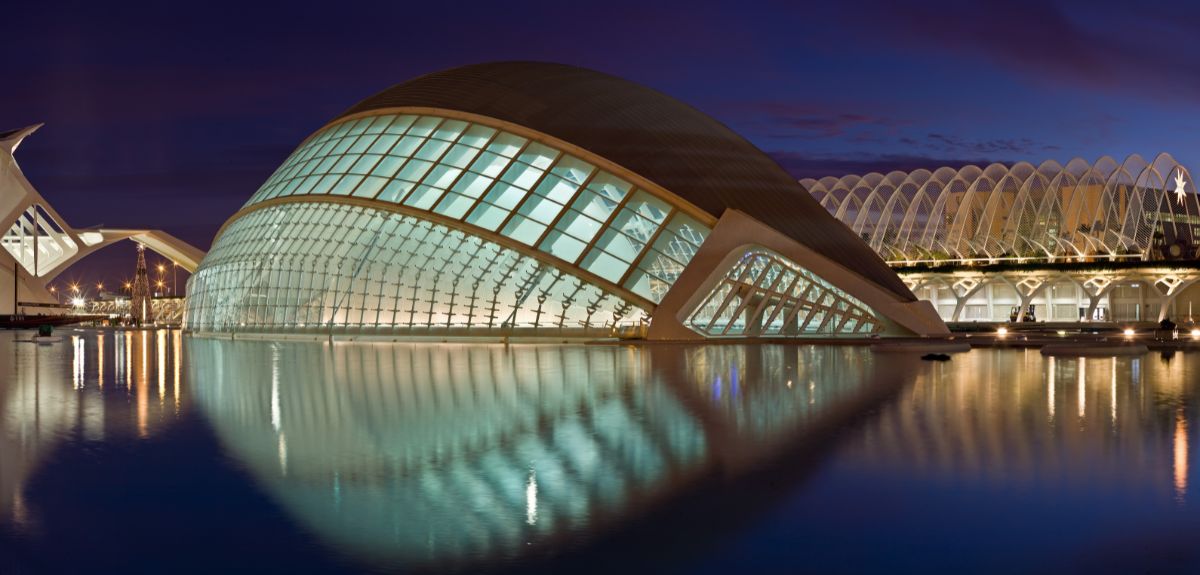
- City of Arts and Sciences: Marvel at the ethereal, bone-white structures of Santiago Calatrava, a futuristic complex that feels like stepping onto a glamorous sci-fi set surrounded by reflecting pools.
- Valencia Cathedral: Discover the legendary Holy Grail housed within this stunning Gothic masterpiece, then climb the Miguelete Tower for a breathtaking panoramic view of the city’s terracotta rooftops.
- Central Market: Experience a modernist temple of gastronomy where stained glass illuminates stalls overflowing with local saffron, artisan cheeses, and the freshest Mediterranean catch.
- Turia Garden: Wander through a lush, nine-kilometer emerald ribbon of parkland reclaimed from a diverted river, perfect for a chic bike ride under the shade of ancient pine trees.
- Albufera Natural Park: Drift across the serene waters of a coastal lagoon at sunset, where the sky turns to liquid gold over the very rice fields that birthed the world’s most authentic paella.
Whether you are sipping horchata in a hidden courtyard or exploring the cutting edge of European design, Valencia promises a vibrant, unforgettable journey that will capture your soul.
VALENCIA KEY INFO
Everything you need to hit the ground running.
WHEN TO VISIT
April to June for mild weather and festivals; September to October for warm sea temperatures and fewer crowds.
HOW TO GET THERE
Fly into Valencia Airport (VLC). It’s the metro (Lines 3 or 5) to the city center (~20 min).
HOW TO GET AROUND
Bike! Valencia is perfectly flat with 200km of lanes and the scenic Turia Garden. Use the Valenbisi bike-share or a SUMA card for seamless travel.
IDEAL TRIP LENGTH
3-4 days for the city itself, but 5 days if you want to include day trips to Albufera Natural Park or the Xàtiva Castle.
What is Valencia Mainly Known For?
Valencia is famous for being the birthplace of paella, a culinary icon rooted in the city’s fertile rice-growing history. It’s also known for the City of Arts and Sciences, a futuristic architectural masterpiece. Beyond the sights, it’s known as a vibrant Mediterranean hub where historic charm meets a laid-back coastal vibe.
Is Valencia a Walkable City?
100% yes. Valencia is remarkably flat and compact, making it a dream to explore on foot. I loved wandering through the extensive pedestrianized zones in the Old Town, soaking in the Mediterranean vibe without any traffic noise.
Is it safe to walk in Valencia at night? Absolutely. It is one of Spain’s safest cities. I’ve always felt completely at ease, though I recommend maintaining standard traveler’s common sense.
What Is the Best Neighborhood to Walk Around?
Ciutat Vella is the winner, a fabled historic center nestled along the Turia River. Its winding cobblestone streets are a tapestry of pastel facades and Gothic monuments. For something completely different, walk over to Ruzafa, a bohemian district filled with eclectic galleries, street art, and a youthful, creative pulse that defines Valencia’s modern hipster scene.
What Are the Best Things to Do in Valencia? (For Your First Visit)
I visited Valencia without a strict day-by-day plan. I just wanted to take my time, enjoy the sun-drenched Mediterranean vibe, and see where the streets took me. I wrote down a few highlights and hit the ground running. Here are the spots I definitely recommend checking out:
City of Arts and Sciences
Experience Valencia’s futuristic soul at this architectural marvel. Explore the massive Oceanogràfic aquarium and interactive Science Museum. Price: Grounds are free; combined tickets ~€40. Pro tip: Visit at sunset when the white structures glow against the reflecting pools. Check availability and explore popular experiences.

Credit: Wikimedia Commons
Valencia Cathedral
Valencia’s gothic soul houses the legendary Holy Grail and a mix of historic styles. Climb the Miguelete Tower for epic city views. Price: ~€10 (includes audio guide). Pro tip: Visit the tower at sunset for a golden-hour glow. Check availability and explore popular experiences.

La Lonja de la Seda
Step into this Gothic masterpiece where twisted columns rise like stone palms. Highlights: the majestic Silk Exchange hall and the serene Orange Garden. Price: €2. Pro tip: Visit on Sunday for free entry and nearby flea markets. Check availability and explore popular experiences.

Central Market
A sensory explosion of modernist architecture and local buzz. Highlights: fresh horchata, Iberian ham, and stunning stained-glass domes. Price: Free entry. Pro tip: Arrive before 10 AM to beat the crowds and see chefs picking the day’s best catch. Check availability and explore popular experiences.
Albufera Natural Park
Escape to this serene wetland where rice fields meet the sea. Highlights: traditional boat rides, birdwatching, and authentic paella. Price: Park is free; boat tours ~€5-10. Pro tip: Arrive an hour before sunset for the most magical mirror-like views. Check availability and explore popular experiences.

Turia Garden
Valencia’s green lung is a 9km riverbed-turned-oasis. Vibe: ultimate chill. Highlights: Gulliver Park, futuristic bridges, and pine-scented trails. Price: Free. Pro tip: Rent a bike to glide from the zoo to the shimmering City of Arts and Sciences. Check availability and explore popular experiences.
Bioparc Valencia
Step into an immersive African safari with invisible barriers. Spot gorillas, rhinos, and lemurs in stunningly recreated habitats. Price: ~€27. Pro tip: Visit the Madagascar zone first to walk among free-roaming lemurs before the midday crowds arrive. Check availability and explore popular experiences.
Oceanogràfic
Dive into Europe’s largest underwater world. Vibe: immersive and awe-inspiring. Highlights: the massive shark tunnel and rare beluga whales. Price: ~€30+. Pro tip: Check the dolphin show schedule early to snag the best seats. Check availability and explore popular experiences.

Quart and Serranos Towers
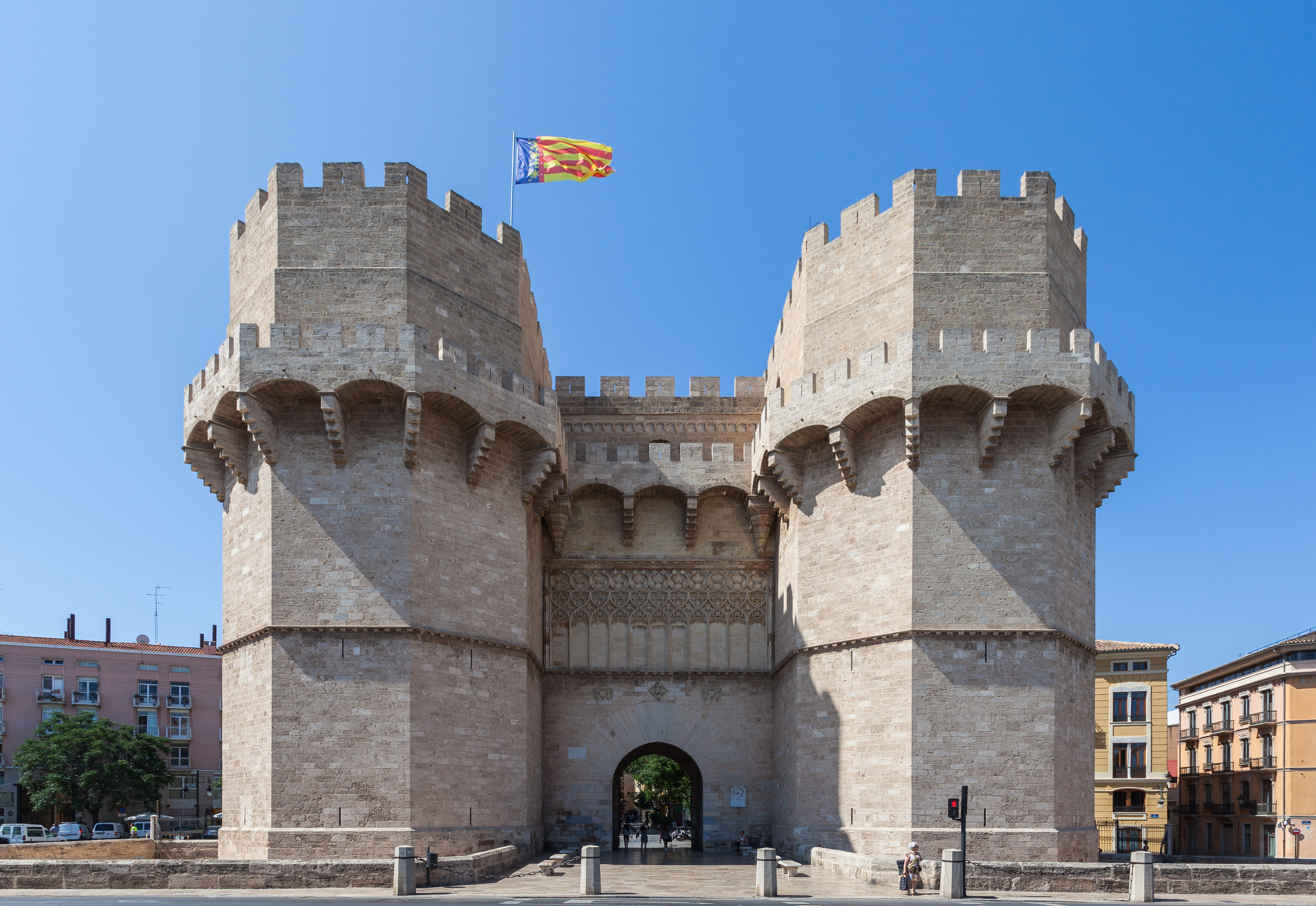
Step into Valencia’s medieval past at these imposing stone gates. Vibe: rugged and historic. Highlights: panoramic city views and authentic cannonball scars. Price: €2 (Free Sundays). Pro tip: Visit at sunset for a golden glow over the old town. Check availability and explore popular experiences.
Palace of the Marqués de Dos Aguas
Step into Rococo luxury at this jaw-dropping palace. Highlights: the ornate marble portal and National Ceramics Museum. Price: €3 (Free Sundays). Pro tip: Visit in the afternoon when the facade catches the perfect golden light. Check availability and explore popular experiences.

Must-Do Activities in Valencia
To really get the most out of your trip, I recommend checking out these experiences:
What Part of Valencia is Best for Tourists?
Stay in the Ciutat Vella. Everything will be within a 15-minute walk. If you want something a bit more local but still close, the Ruzafa neighborhood is lovely—it features a vibrant arts scene, eclectic tapas bars, and a trendy, bohemian atmosphere.
What to Know Before Going to Valencia
- The Tap Water is Gold: Drinkable and safe, though some prefer bottled water for the hard mineral taste.
- English is Common: Widely spoken in tourist areas, though learning basic Spanish or Valencian is highly appreciated.
- The Valencia Tourist Card: Offers free public transport and entry to museums; great value for active sightseers.
- Sundays are for Rest: Most shops and supermarkets close on Sundays; plan ahead for groceries and shopping.
- Small Tips are Plenty: Tipping isn’t mandatory; rounding up or leaving 5-10% for great service is customary.
How Many Days Do I Need in Valencia?
3 days is the ideal duration for first-time visitors to balance futuristic architecture, gothic history, and Mediterranean coastal vibes.
- Day 1: Valencia Cathedral, La Lonja de la Seda, Quart and Serranos Towers, Palace of the Marqués de Dos Aguas.
- Day 2: Central Market, Turia Garden, City of Arts and Sciences, Oceanogràfic, Bioparc Valencia.
- Day 3: Take a scenic trip to Albufera Natural Park for a traditional boat ride and authentic lakeside paella.
Suggested daily budget – 125-205 EUR / 135-220 USD (Note: This covers mid-range hotels or private apartments, three-course lunch menus and nice dinners, and public transportation with some paid attractions. You can go cheaper if you eat at the Central Market or take advantage of free museum days on Sundays).
MONEY SAVING TIPS
- Feast on the Menú del Día: Skip pricey dinners and head to local spots like La Cantina de Ruzafa or Saona for a “Menú del Día,” which typically includes three courses and a drink for €11 to €14.
- Explore with Free Walking Tours: Join a “Free Walking Tour” starting at Plaza de la Virgen or outside River Hostel to see the sights for just a tip, or visit the Museo de Bellas Artes for free and the Lonja de la Seda for free on Sundays.
- Glide with Valenbisi: Use the city’s bike-share system, Valenbisi, where a weekly pass costs just €13.30 and the first 30 minutes of every ride are free, or grab a Valencia Tourist Card for unlimited transit and museum discounts.
- Picnic in Turia Garden: Avoid expensive terrace drinks by grabbing a store-bought beer or local horchata and heading to the Turia Garden, a 9km riverbed park perfect for a scenic sunset picnic.
What’s the Best Month to Visit Valencia?
May, June, and September are the sweet spots for visiting Valencia. These months offer mild weather perfect for outdoor cafes and exploring gardens while avoiding peak heat and crowds. However, March is a vibrant alternative, as the city transforms with the spectacular bonfires and festivities of the legendary Las Fallas festival.
How to Get to Valencia
Most international travelers fly into Valencia Airport (VLC). It serves as a major gateway with direct connections from European hubs like London, Paris, Frankfurt, and Istanbul.
- From the airport: The metro (Lines 3 or 5) reaches the city center in 20-25 minutes for approximately €4.80. Taxis take about 15-20 minutes and cost around €25-30.
- By Train: Joaquín Sorolla and Estación del Norte connect Valencia to Madrid (1h 45m), Barcelona, and Seville via high-speed AVE and Euromed services.
How to Get Around Valencia
Use the Metro and tram – it is the absolute best way to navigate.
- Car Rental: Not recommended for the city due to traffic and parking; use DiscoverCars only for exploring the wider Costa Blanca region.
- Walking: Excellent for the historic center and Turia Gardens, which are flat and pedestrian-friendly.
- Uber/Bolt: Both are available, along with the widely used Cabify and local taxis.
- Tours: Great for guided bike tours through the riverbed or bus excursions to Albufera Natural Park.
Tips for first-timers: Avoid driving in the Old Town—Narrow streets and restricted zones make navigation and parking a total nightmare. Use the efficient metro and bus network or explore the compact, pedestrian-friendly center on foot!
Valencia is the kind of place that steals your heart. It is a city where futuristic avant-garde architecture meets sun-drenched Gothic history, defined by its lush riverbed gardens, vibrant Mediterranean energy, and a timeless, coastal charm. This spirited destination invites you to embrace every moment, leaving you with a renewed sense of wonder and a deep connection to its soul.
Note: This article contains affiliate links. If you purchase something I’ve recommended, I’ll earn a small commission at no extra cost to you. I really appreciate your support and I hope this guide helps you ♡