

Get Inspired

Itineraries

Travel Guides

About Me

Top
  >  South Korea   >  Best Places to Visit in Jeju Island
best places to visit in jeju island

Rising majestically from the emerald waters of the Korean Strait, Jeju Island is a volcanic paradise where raw natural drama meets serene luxury. Often celebrated as the Hawaii of South Korea, this enchanting destination beckons travelers with its mist-shrouded peaks, ancient lava labyrinths, and a distinct, captivating island culture that feels a world away from the neon pulse of Seoul.

Why Visit Jeju Island?

From the sun-drenched paths of its legendary coastal trails to the volcanic wonders that have earned it a UNESCO Triple Crown, Jeju offers an unforgettable escape. Here is why this island oasis deserves a spot on your luxury travel itinerary:

  • Hallasan Mountain: Hike the majestic slopes of South Korea’s highest peak, a shield volcano offering breathtaking alpine vistas and a pristine crater lake at its summit.
  • Manjanggul Cave: Step into a subterranean world of wonder within one of the finest and most expansive lava tunnels on the planet.
  • Seongsan Ilchulbong: Watch the sunrise ignite the sky over this iconic, fortress-like tuff cone rising dramatically from the sea.
  • Jusangjeolli Cliff: Marvel at the spectacular geometric perfection of these striking hexagonal basalt columns carved beautifully by ancient volcanic tides.
  • Haenyeo Culture: Witness the inspiring legacy of Jeju’s famous sea women, who free-dive into the ocean depths with timeless grace and fierce independence.

Whether you are sipping premium matcha overlooking sprawling tea fields or chasing pristine waterfalls hidden in lush forests, Jeju Island promises a soul-stirring journey that will linger in your memory forever.

JEJU ISLAND KEY INFO

Everything you need to hit the ground running.

WHEN TO VISIT

April to June for mild weather and spring blooms; Autumn for colorful foliage and crowd-free hiking.

HOW TO GET THERE

Fly into Jeju International Airport (CJU). It’s a bus or taxi to the city center (~10-25 min).

HOW TO GET AROUND

Drive! Splitting your time across this sprawling volcanic paradise is best done by car. For non-drivers, hail taxis seamlessly using the English-friendly Kakao T app.

IDEAL TRIP LENGTH

3-4 days for the island itself, but 5-7 days if you want to include hiking Mount Hallasan or exploring via public transport.

What is Jeju Island Mainly Known For?

Jeju Island is famous for Hallasan Mountain, a mystical shield volcano offering epic alpine vistas and a pristine crater lake at its summit [cite: 1]. It’s also known for Manjanggul Cave, one of the finest and most expansive lava tunnels on the planet. Beyond the sights, it’s known as the Hawaii of South Korea, where raw natural drama meets serene luxury.

Is Jeju Island a Walkable City?

Not really, no. Jeju is a massive island rather than a compact city, meaning its top natural attractions are highly spread out and best reached by car or bus. However, I loved escaping the traffic noise by strolling along the dedicated coastal Olle walking trails.

Is it safe to walk in Jeju Island at night? Absolutely. It’s incredibly peaceful with very low crime rates. I always felt completely at ease, though sticking to well-lit areas is always standard common sense.

What Is the Best Neighborhood to Walk Around?

Original Downtown of Jeju is the winner, a historic center nestled near the Sanjicheon Stream. Its winding alleyways are steeped in island culture, offering traditional architecture, bustling local markets, and ancient heritage. For something completely different, walk over to Nuwemaru Street, a bohemian, pedestrian-only district packed with trendy shops, vibrant street life, and a modern creative pulse.

What Are the Best Things to Do in Jeju Island? (For Your First Visit)

I visited Jeju Island without a strict day-by-day plan. I wanted to take my time, enjoy the volcanic paradise where raw natural drama meets serene luxury, and see where the streets took me. I wrote down a few highlights and hit the ground running. Here are the spots I definitely recommend checking out:

Hallasan Mountain

Conquer South Korea’s highest peak, a mystical shield volcano offering epic alpine vistas and a pristine crater lake at its summit [cite: 1]. Entry is Free. Pro tip: Start early to secure your trail reservation and catch the morning mist. Check availability and explore popular experiences.
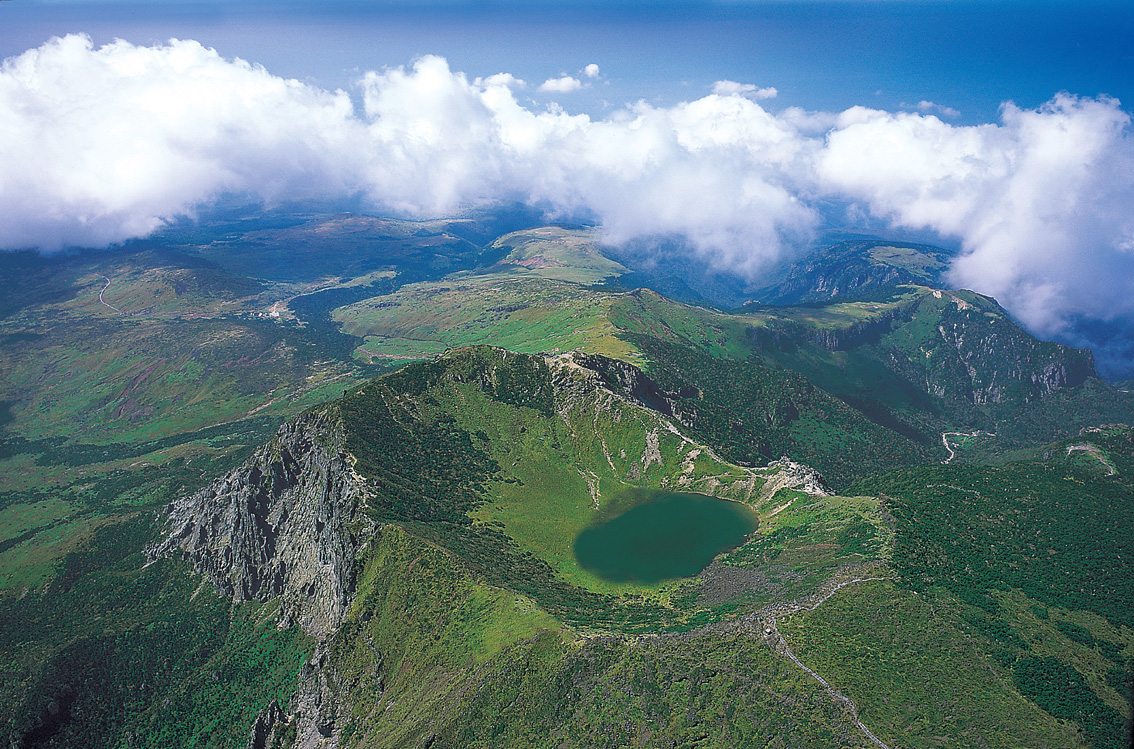
Hallasan Mountain
Credit: Wikimedia Commons

Manjanggul Cave

Step into an underground volcanic wonderland. Marvel at a massive 7.6-meter lava column, the world’s largest. Price: ₩4,000. Pro tip: Bring a jacket, as this subterranean maze stays chilly year-round. Check availability and explore popular experiences.

Manjanggul Cave
Credit: Wikimedia Commons

Seongsan Ilchulbong

Watch the sunrise from this iconic fortress-like volcanic tuff cone. Catch panoramic ocean views from the bowl-like crater rim. Price: ₩5,000. Pro tip: Hike up before dawn for unforgettable morning glows. Check availability and explore popular experiences.

Seongsan Ilchulbong
Credit: Wikimedia Commons / Korea.net / Korean Culture and Information Service

Cheonjeyeon Waterfall

A mystical three-tier waterfall hidden in a lush forest. Vibe with the emerald pools and the iconic Seonimgyo Bridge. Price: ₩2,500. Pro tip: Visit the cave where the cold water originates for ultimate views. Check availability and explore popular experiences.

Cheonjeyeon Waterfall
Credit: Wikimedia Commons / Olga Lipunova

Jeongbang Waterfall

Witness Asia’s only waterfall plunging straight into the ocean. Feel the mist crash against dramatic basalt cliffs. Price: ₩2,000. Pro tip: Wear sturdy shoes for navigating the rocky shores. Check availability and explore popular experiences.

Jeongbang Waterfall
Credit: Wikimedia Commons

Jusangjeolli Cliff

Marvel at spectacular, hand-carved-like hexagonal basalt columns plunging into the ocean. Vibe with dramatic waves crashing against ancient lava pillars. Price: ₩2,000. Pro tip: Catch the golden hour light to highlight the incredible geometric textures. Check availability and explore popular experiences.

Jusangjeolli Cliff
Credit: Wikimedia Commons / Bernard Gagnon

Seopjikoji

Stroll along coastal cliffs where green meadows meet a dramatic volcanic shore. Highlights: an iconic white lighthouse and stunning views of Seongsan Ilchulbong. Price: Free. Pro tip: Visit at dawn to catch an epic, crowd-free sunrise. Check availability and explore popular experiences.

Seopjikoji
Credit: Wikimedia Commons

Oedolgae Rock

Marvel at a majestic, solitary 20-meter rock pillar rising dramatically from the sea. Enjoy breathtaking cliffside vistas along the coastal walking trail. Price: Free. Pro tip: Catch the magic at sunset for epic, golden hour photos. Check availability and explore popular experiences.
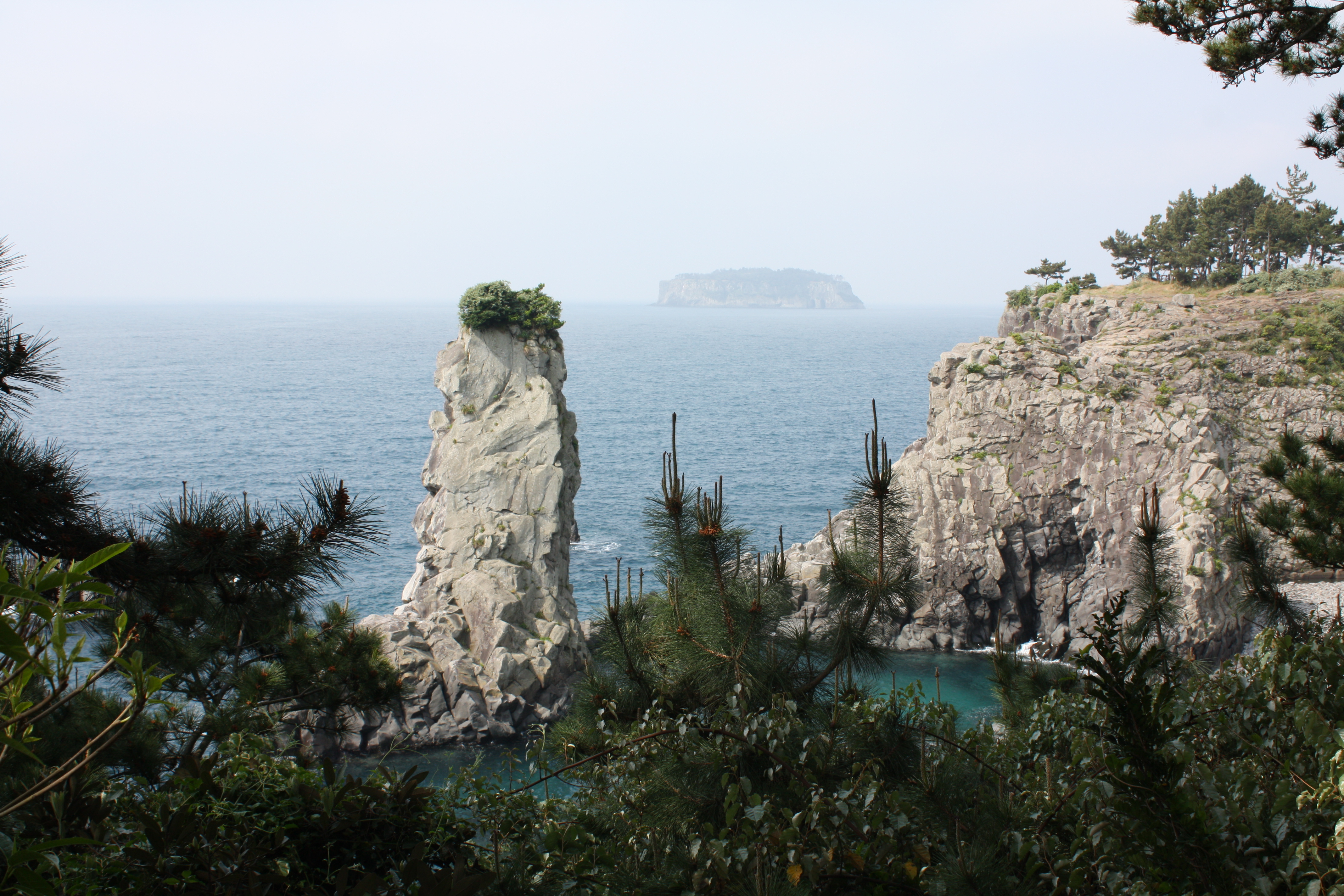
Oedolgae Rock
Credit: Wikimedia Commons

O’Sulloc Tea Museum

Where tradition meets modern zen. Sip iconic green tea desserts surrounded by sprawling emerald plantations. Highlight: Aesthetic observatory views. Price: Free entry. Pro tip: Arrive at morning opening to dodge the busy tour buses. Check availability and explore popular experiences.

O
Credit: Wikimedia Commons

Must-Do Activities in Jeju Island

To really get the most out of your trip, I recommend checking out these experiences:

No products were found!

What Part of Jeju Island is Best for Tourists?

Stay in the Original Downtown of Jeju. Everything will be within a 15-minute walk. If you want something a bit more local but still close, the Aewol neighborhood is lovely—it features clifftop cafés, dramatic coastal scenery, and beautiful sunset views.

What to Know Before Going to Jeju Island

  • The Tap Water is Gold: Jeju’s tap water is high-quality volcanic bedrock water and completely safe to drink straight from the tap.
  • Limited English: English is not widely spoken, especially by elders, so using translation apps is highly recommended.
  • The Jeju Tour Pass: This pass offers great value, granting admission to over 60 major attractions across the island.
  • Sunday Openings: Most shops and cafes remain open on Sundays, though large discount retailers may close twice a month.
  • No Tipping: Tipping is not accustomed or expected anywhere from local restaurants to taxis on the island.

How Many Days Do I Need in Jeju Island?

3 to 4 days is the ideal duration for first-time visitors to fully experience the island’s unique volcanic landscapes and dramatic coastal waterfalls.

  • Day 1: Hallasan Mountain, Seongsan Ilchulbong, Manjanggul Cave, Jusangjeolli Cliff, Oedolgae Rock.
  • Day 2: O’Sulloc Tea Museum, Seopjikoji, Cheonjeyeon Waterfall, Cheonjiyeon Waterfall, Jeongbang Waterfall.
  • Day 3: Take a relaxing day trip to Udo Island or stroll along the historic winding alleyways of Original Downtown.

Suggested daily budget – 105-250 EUR / 127-299 USD (Note: This covers comfortable mid-range accommodations, diverse restaurant dining, and quality experiences like renting a car. You can go cheaper if you stay in hostels, eat street food, and use public transport).

MONEY SAVING TIPS

  1. Street Food Over Sit-Downs: Balance your budget by mixing up your dining experiences with local street food at bustling spots like Dongmun Traditional Market to manage your food expenses instead of doing high-end sit-down meals every day.
  2. Trek the Olle Trails: Join a free foreign-language guided walk with local volunteers through the Walking Mate program on the famous Jeju Olle Trail networks, or explore the completely free coastal and inland routes entirely on your own.
  3. Tap and Transfer: Purchase a T-money card at any convenience store to use on Jeju’s public buses; it gives you discounted fares and allows up to 2 free transfers within 40 minutes of hopping off your first ride.
  4. Picnic at the Port: Skip expensive seaside bars and grab a cold drink from a convenience store to enjoy a scenic sunset picnic at local hidden spots like the Jeju Port Breakwater or Sarabong Peak.

What’s the Best Month to Visit Jeju Island?

April and May are the sweet spots for visiting Jeju Island. During these months, you’ll enjoy mild temperatures perfect for hiking Mount Hallasan and viewing vibrant canola blooms while avoiding the intense summer humidity and heavy crowds. However, October is a magical alternative, offering crisp autumn weather and stunning volcanic foliage.

How to Get to Jeju Island

Most international travelers fly into Jeju International Airport (CJU). While direct international flights arrive from hubs like Singapore, Taipei, and several Chinese cities, travelers from the US or Europe typically connect via Seoul or Busan.

  • From the airport: The city center is a 10–25 minute journey. Local buses cost around ₩1,200, while a taxi typically costs between ₩10,000 and ₩20,000.
  • Inter-island/Regional: Frequent domestic flights connect Jeju to 13 South Korean cities, including Seoul (GMP) and Busan (PUS).

How to Get Around Jeju Island

Rent a car – it is the absolute best way to navigate this sprawling island.

  • Car Rental: Highly recommended and near non-negotiable for flexible exploring; use DiscoverCars to find the best rental deals.
  • Walking: Great for specific historic pockets like the Original Downtown, but completely impossible for traversing the island.
  • Uber/Bolt: Not available; use the local Kakao T app instead to hail taxis seamlessly.
  • Tours: An excellent alternative for non-drivers to reach remote natural highlights like Seongsan Ilchulbong without a car.

Tips for first-timers: Avoid relying on public transport—Jeju is a massive, sprawling island and waiting for buses will waste hours of your day. Rent a car or use the English-friendly Kakao T app to hail taxis seamlessly instead!

Jeju Island is the kind of place that steals your heart. It is a volcanic paradise where raw natural drama and serene luxury intertwine, defined by majestic alpine peaks, mystical lava caves, and cascading waters plunging into the emerald sea. As you leave its dramatic shores, it leaves you with a renewed sense of wonder.

Note: This article contains affiliate links. If you purchase something I’ve recommended, I’ll earn a small commission at no extra cost to you. I really appreciate your support and I hope this guide helps you ♡

post a comment