

Get Inspired

Itineraries

Travel Guides

About Me

Top
  >  South Korea   >  Best Places to Visit in Incheon
best places to visit in incheon

Where the futuristic gleam of tomorrow meets the storied whispers of yesterday, Incheon emerges as a captivating coastal jewel waiting to be discovered. More than just a world-class gateway to South Korea, this dynamic metropolis sparkles with a sophisticated allure, blending neon-lit skylines with rich cultural tapestries.

Why Visit Incheon?

From romantic waterfront strolls to culinary adventures through history, Incheon promises a glamour-filled escape that perfectly balances modern luxury with timeless heritage. Here is why this shimmering port city deserves a top spot on your luxury travel itinerary:

  • Songdo Central Park: Immerse yourself in a futuristic oasis where stunning architectural marvels frame a serene canal, perfect for a glamorous water taxi ride amidst a dazzling skyline.
  • Incheon Chinatown: Step into a vibrant world of heritage and flavor, where historical Sino-Korean facades line the streets and the legendary aroma of authentic Jajangmyeon fills the air.
  • Wolmido Island: Experience a nostalgic yet upscale seaside romance along the vibrant boardwalk, catching breathtaking Pacific sunsets that paint the sky in hues of gold.
  • Open Port Historic District: Wander down charming avenues where elegant 19th-century architecture tells the captivating tale of a city that first welcomed the world into Korea.
  • Jeondeungsa Temple: Retreat to the serene forested mountains of Ganghwa Island to find architectural grandeur and spiritual peace within the ancient walls of Korea’s oldest sanctuary.

Whether you are sipping artisan coffee overlooking an architectural masterpiece or uncovering hidden imperial relics, Incheon delivers an unforgettable journey that elevates the spirit and leaves an enduring mark of wonder.

INCHEON KEY INFO

Everything you need to hit the ground running.

WHEN TO VISIT

April to May for cherry blossoms and mild weather; October to November for autumn foliage and comfortable hiking.

HOW TO GET THERE

Fly into Incheon International Airport (ICN). It’s the AREX train to the city center (~43 min).

HOW TO GET AROUND

Metro! It is incredibly efficient, fast, and seamlessly connects major attractions. Use a T-money card or the Seoul Metro network for cheap and easy travel.

IDEAL TRIP LENGTH

1-2 days for the city itself, but 3 days if you want to include day trips to Ganghwa Island or explore multiple coastal islands.

What is Incheon Mainly Known For?

Incheon is famous for Incheon Chinatown, Korea’s only official Chinatown where the legendary jajangmyeon noodles were born. It’s also known for Songdo Central Park, a futuristic seawater canal oasis framed by skyscrapers. Beyond the sights, it’s known as a high-tech “smart city” and a vibrant coastal gateway.

Is Incheon a Walkable City?

Mostly, but it depends on the neighborhood. While districts like Songdo offer great pedestrian paths and parks, the city is quite spread out. I loved exploring the vibrant pedestrian areas without traffic noise.

Is it safe to walk in Incheon at night? Absolutely. Crime is extremely low, and I felt completely at ease. Just maintain standard traveler’s common sense.

What Is the Best Neighborhood to Walk Around?

The Open Port Historic District is the winner, a historic coastal hub nestled near the yellow sea port and Jayu Park hills. Its winding streets boast a fascinating tapestry of late 19th-century Japanese-style facades and colonial stone banks. For something completely different, walk over to the Incheon Art Platform, a bohemian, creative block where restored red-brick warehouses serve as vibrant galleries and industrial art installations.

What Are the Best Things to Do in Incheon? (For Your First Visit)

I visited Incheon without a strict day-by-day plan. I wanted to take my time, enjoy the futuristic charm and rich cultural heritage, and see where the streets took me. I wrote down a few highlights and hit the ground running. Here are the spots I definitely recommend checking out:

Incheon Chinatown

Dive into a vibrant Korean-Chinese cultural enclave bursting with colorful murals and red lanterns. Hit the Chinatown Gate and Samgukji Mural Street. Price: Free entry. Pro tip: Come hungry and grab authentic Jajangmyeon noodles where they were born. Check availability and explore popular experiences.

Incheon Chinatown
Credit: Wikimedia Commons

Songdo Central Park

A futuristic oasis where skyscrapers meet a serene seawater canal. Cruise on a water taxi or rent a kayak. Price: Free entry. Pro tip: Visit at night to see the dazzling skyline lit up. Check availability and explore popular experiences.

Songdo Central Park
Credit: Wikimedia Commons / José Carioca

Incheon Grand Park

Escape the city noise at this massive green oasis wrapped in mountains. Explore the scenic lake, botanical garden, and children’s zoo. Price: Free entry. Pro tip: Rent a bike to cruise under the epic spring cherry blossom tunnels. Check availability and explore popular experiences.

Incheon Grand Park

Credit: TripAdvisor

Wolmido Island

A retro seaside escape where vibrant neon meets ocean breezes. Hit the nostalgic boardwalk, ride the wild Disco Pang Pang, and catch epic Pacific sunsets. Price: Free entry. Pro tip: Visit at dusk for the best sunset views. Check availability and explore popular experiences.

Wolmido Island
Credit: Wikimedia Commons / Goodwillgames

Wolmi Theme Park

A retro seaside park radiating carnival energy with ocean views. Catch the wild Tagada Disco or the 115m Ferris wheel. Price: Free entry (pay per ride). Pro tip: Visit at dusk for illuminated rides and killer sunset vibes. Check availability and explore popular experiences.

Wolmi Theme Park

Credit: TripAdvisor

Jajangmyeon Museum

A retro, nostalgic tribute to Korea’s ultimate comfort food, housed in a historic building. Check out vintage delivery boxes and realistic kitchen dioramas. Price: ~1,000 KRW. Pro tip: Grab a bowl of authentic jajangmyeon nearby right after. Check availability and explore popular experiences.

Jajangmyeon Museum
Credit: Wikimedia Commons

Incheon Open Port Museum

Step back in time at this former Japanese bank, now a moody museum mapping Korea’s early modern dawn. Check out the country’s first railway relics. Price: ~1,000 KRW. Pro tip: Bring cash for the entry fee. Check availability and explore popular experiences.
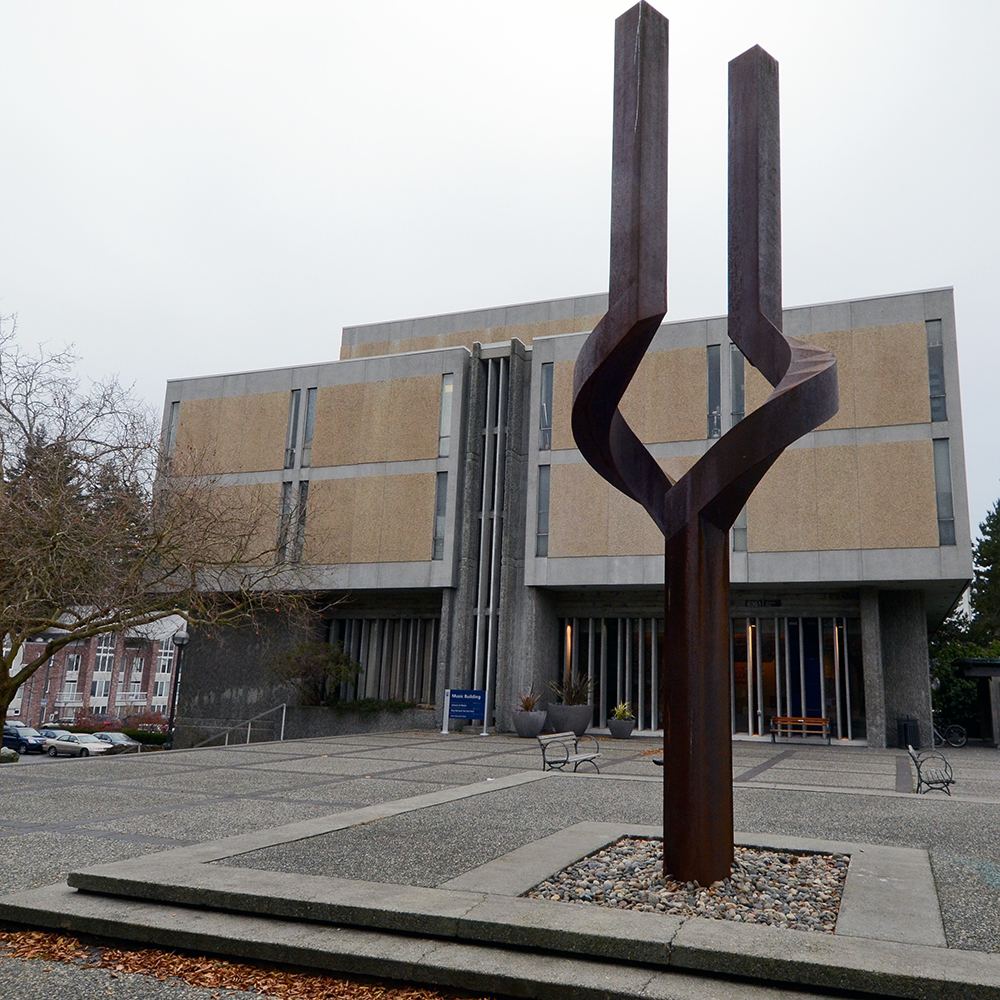
Incheon Open Port Museum
Credit: Wikimedia Commons

Jayu Park

Korea’s first Western-style park blends rich history with sweeping harbor views. Check out the iconic General MacArthur statue and the Centennial Monument. Price: Free. Pro tip: Visit in April for stunning cherry blossom tunnels and romantic night views. Check availability and explore popular experiences.

Jayu Park
Credit: Wikimedia Commons / Mobius6

Jeondeungsa Temple

An ancient sanctuary wrapped in lush mountain peace. Marvel at ornate carvings, historic treasures, and centuries-old architecture. Price: Free. Pro tip: Visit on weekday mornings to escape the crowds and truly soak in the serene forest vibes. Check availability and explore popular experiences.

Jeondeungsa Temple
Credit: Wikimedia Commons / Mobius6

Chojijin Fort

A quiet historic fortress on Ganghwa Island offering scenic coastal views. Marvel at the restored walls and Joseon-era cannons. Price: ~1,100 KRW. Pro tip: Wear a windbreaker, as it gets incredibly breezy near the coast. Check availability and explore popular experiences.

Chojijin Fort
Credit: Wikimedia Commons

Must-Do Activities in Incheon

To really get the most out of your trip, I recommend checking out these experiences:

No products were found!

What Part of Incheon is Best for Tourists?

Stay in the Jung-gu Open Port district. Everything will be within a 15-minute walk. If you want something a bit more local but still close, the Songwol-dong neighborhood is lovely—it features a colorful fairy tale atmosphere with dreamlike murals and unique local treats.

What to Know Before Going to Incheon

  • The Tap Water is Gold: Incheon’s tap water is officially certified safe to drink, though locals culturally prefer bottled water.
  • Moderate English Proficiency: English is moderately understood; using translation apps like Papago helps bridge any communication gaps.
  • The Incheon Tour Pass: This specialized tourist card offers great discounts and is highly worth it for exploring city attractions.
  • Bi-Monthly Sunday Closures: Major supermarkets close on designated Sundays twice a month, but department stores and smaller shops stay open.
  • No Tipping Culture: Tipping is not expected anywhere and can sometimes even be seen as rude or awkward.

How Many Days Do I Need in Incheon?

3 days is the ideal duration for first-time visitors to balance futuristic modern smart cities, unique multicultural enclaves, and rich historic islands.

  • Day 1: Incheon Chinatown, Songdo Central Park, Wolmido Island, Wolmi Theme Park.
  • Day 2: Jajangmyeon Museum, Incheon Open Port Museum, Jayu Park, Incheon Grand Park.
  • Day 3: Take a scenic day trip to Ganghwa Island to visit Jeondeungsa Temple and Chojijin Fort.

Suggested daily budget – 90-205 EUR / 100-220 USD (Note: This covers mid-range boutique hotels, diverse dining at local restaurants, and public transportation like the metro network. You can go cheaper if you eat street food or visit free attractions like Incheon Chinatown and Songdo Central Park).

MONEY SAVING TIPS

  1. Master the Bunsik Feast: Skip the pricey waterfront restaurants and head three streets back to local bunsik joints to find dishes like kimbap or authentic jajangmyeon for 40–60% less than tourist-trap prices.
  2. Free Cultural Trekking: Sign up for a free layover tour at the Incheon Airport tour desk or explore sights like the Open Port Historical District, Jayu Park, and the Jajangmyeon Museum which offer 0 won or very low-cost entry.
  3. Tap and Save with T-money: Grab a T-money card from a convenience store for around ₩2,500–₩4,000 to get automatic transfer discounts between subways and buses, saving you up to 30% compared to buying single tickets.
  4. Sunset Picnic at Songdo: Grab some drinks and snacks from a local convenience store and head to Songdo Central Park for a scenic picnic along the seawater canal with a view of the futuristic skyline.

What’s the Best Month to Visit Incheon?

April and May are the sweet spots for visiting Incheon. During these months, you will enjoy mild weather and stunning cherry blossoms while avoiding the intense summer heat. However, October and November offer a magical alternative, as the city transforms with vibrant autumn foliage perfect for comfortable outdoor exploring and hiking.

How to Get to Incheon

Most international travelers fly into Incheon International Airport (ICN), a major global hub with direct flights from Los Angeles, New York, London, and Paris.

  • From the airport: The AREX All-Stop train reaches Incheon city center in about 56 minutes for approximately 4,200 KRW. Taxis take around 31 minutes and cost roughly 38,000–45,000 KRW.
  • By Train: Incheon is integrated into the Seoul Metropolitan Subway network, connecting seamlessly via the AREX line and local metro routes to KTX high-speed rail services at Seoul Station.

How to Get Around Incheon

Stick to the Metro – it is the absolute best way to navigate.

  • Car Rental: Not recommended. Public transit is world-class and parking is a hassle; use DiscoverCars only if planning regional day trips.
  • Walking: Great for specific pedestrian districts like Songdo or Chinatown, but the city itself is too spread out to explore entirely on foot.
  • Uber/Bolt: Not widely available; use local apps like Kakao T for reliable ride-hailing instead.
  • Tours: Excellent for hassle-free day trips to outer landmarks or coastal islands.

Tips for first-timers: Avoid unlicensed transfer services at the airport—They charge unfair, inflated rates and lack official regulation. Stick to the official AREX platforms or the metered taxi queue for transparent, affordable fares!

Incheon is the kind of place that lingers in your memory. It is a city where futuristic brilliance and deep cultural history seamlessly intertwine, defined by its dazzling seawater canals, historic open port streets, and timeless coastal charm. This mesmerizing destination invites you to explore its unique heritage, leaving you with a renewed sense of wonder.

Note: This article contains affiliate links. If you purchase something I’ve recommended, I’ll earn a small commission at no extra cost to you. I really appreciate your support and I hope this guide helps you ♡

post a comment