If you’re dreaming of a trip to South Korea, you’re in for an epic adventure. I’ve spent plenty of time exploring this dynamic country, from the neon buzz of Seoul’s streets to the serene volcanic landscapes of Jeju, stuffing myself with street food, hiking ancient sites, and soaking up that perfect mix of high-tech modernity and deep-rooted tradition. South Korea packs a punch—blending futuristic skylines, UNESCO treasures, killer beaches, and a food scene that’ll ruin you for anything else. Whether you’re into history, K-culture, nature, or just vibing in vibrant cities, these spots deliver. Let me walk you through my top picks for the best cities (and one incredible island) to visit, with practical tips and some personal stories to help you explore cities, plan smart, and travel better.
South Korea hits you with incredible variety. One minute you’re dodging crowds in Seoul’s bustling markets, the next you’re chilling on Busan’s beaches or wandering Gyeongju’s ancient tombs. I’ve narrowed it down to five standout destinations that capture the country’s essence: Seoul, Busan, Jeju Island, Incheon, and Gyeongju. Each has its own unique flavor, and I’ll link you to deeper guides so you can dive in. I’ve also got the real talk on costs, hacks to save money, and what to actually expect on the ground.
Top Cities to Visit in South Korea
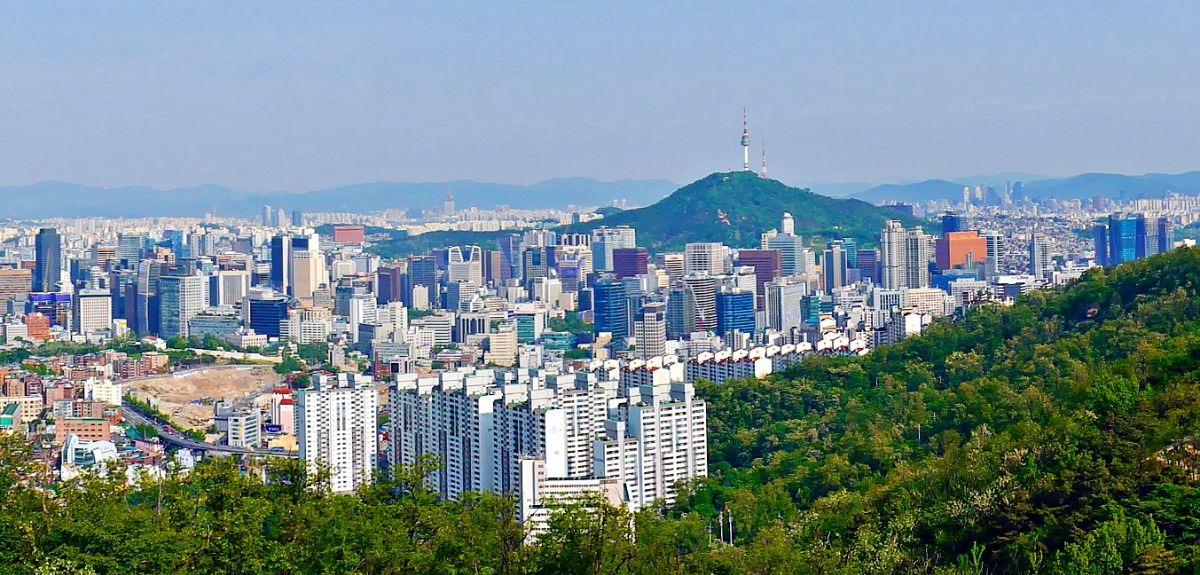
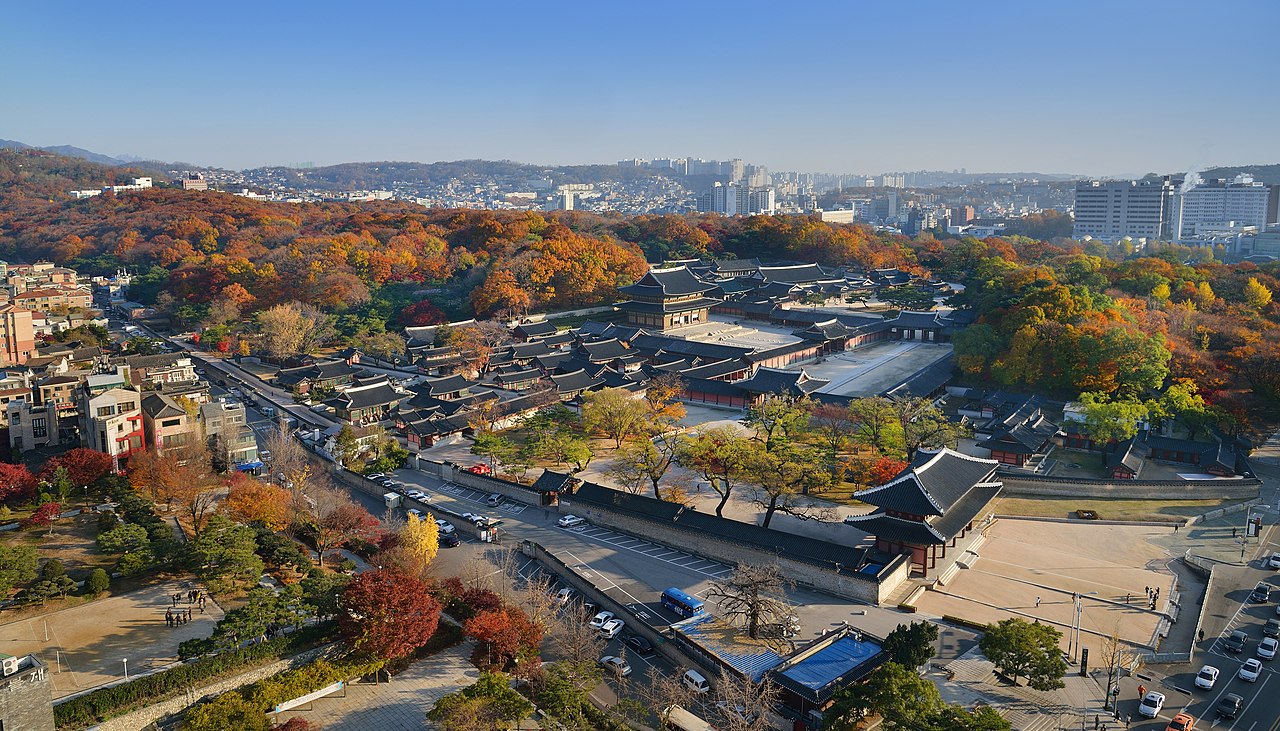
- Seoul: The energetic capital where ancient palaces meet K-pop, skyscrapers, and endless street food. It’s the ultimate hub for culture, nightlife, and day trips.
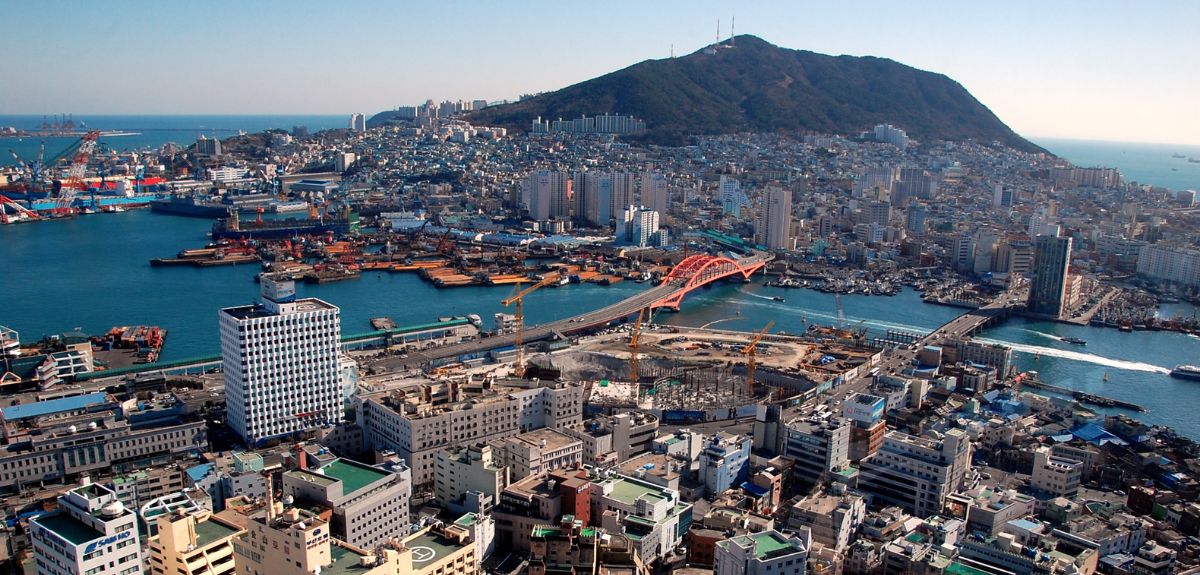
- Busan: A lively coastal city with stunning beaches, fresh seafood markets, and colorful hillside villages—perfect for that maritime vibe.
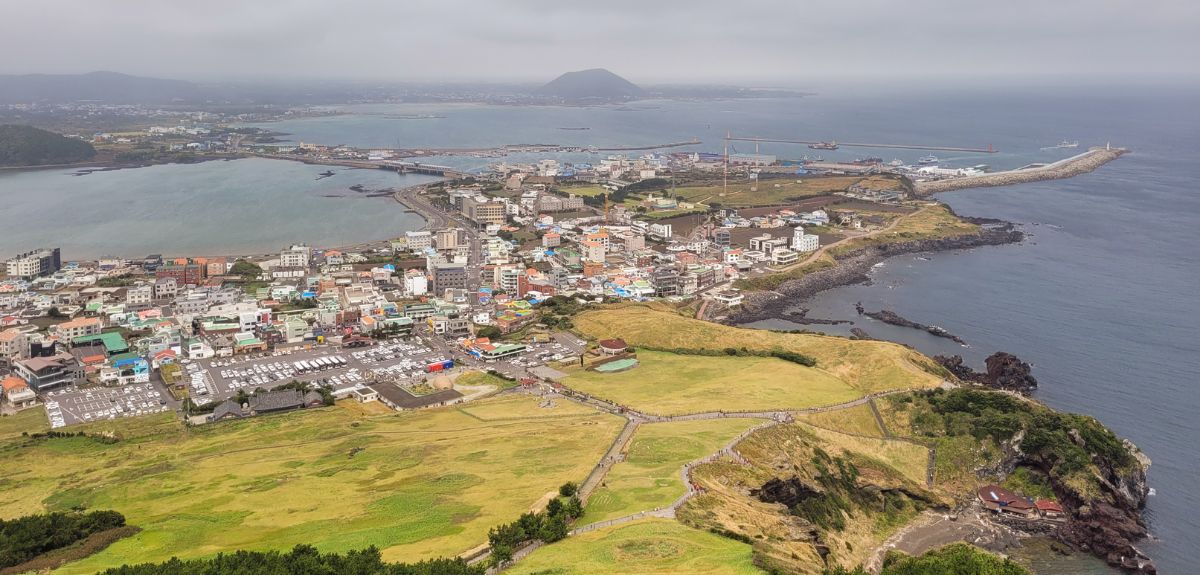
- Jeju Island: South Korea’s volcanic paradise with dramatic landscapes, black-sand beaches, hiking trails, and a distinct island culture.
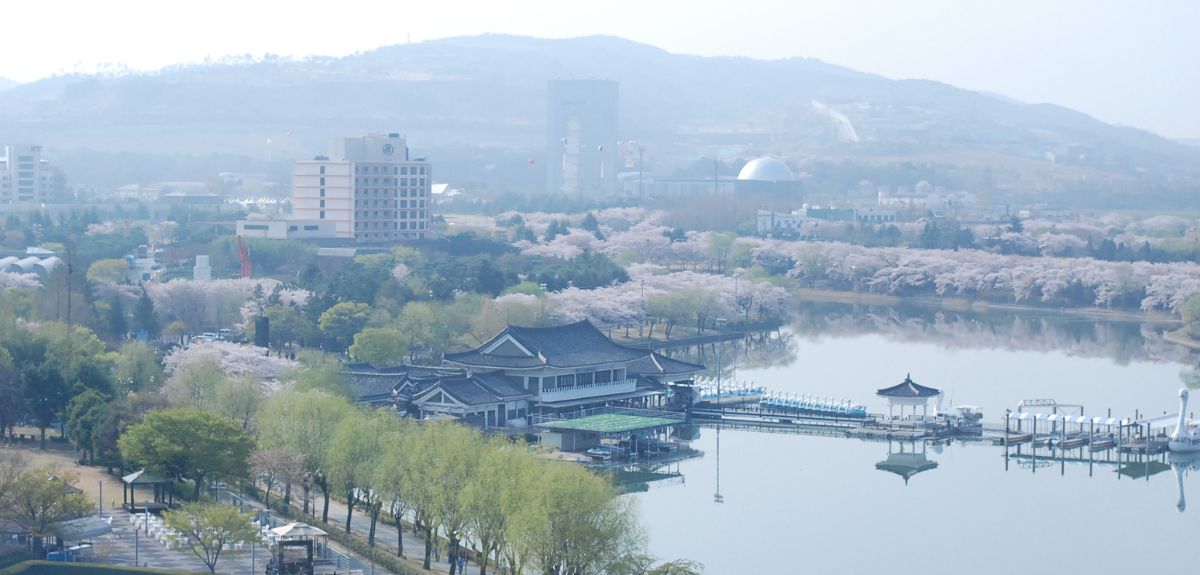
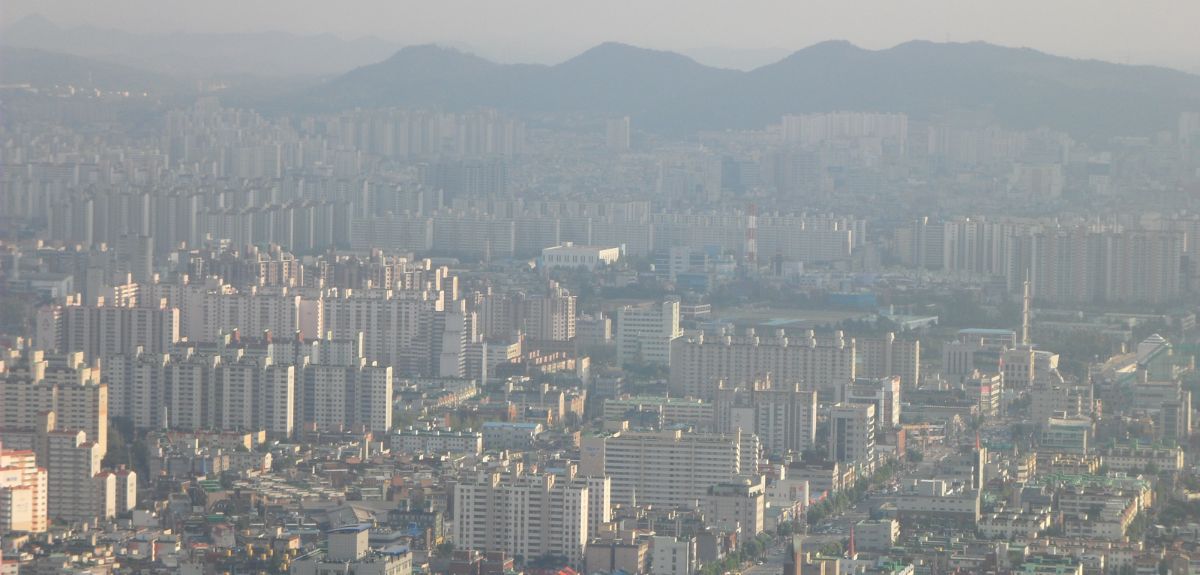
- Incheon: A gateway city blending international flair (think Chinatown and modern ports) with easy access to Seoul and unique coastal spots.
- Gyeongju: Often called a “museum without walls,” this ancient Silla Kingdom capital is packed with royal tombs, temples, and historical wonders.
Accommodation – Mid-range hotels or guesthouses in places like Seoul or Busan, with good locations and amenities, run about $60–120 USD per night for a double room. Hostels and capsule hotels are solid budget options at $20–50 USD for a bed or small room, while Airbnbs or hanok stays start around $50–100 USD. Luxury spots or boutique hotels, especially in peak seasons (spring cherry blossoms or fall foliage), can hit $150–300+ USD. Book ahead or visit in shoulder seasons (late fall or early spring) for big savings.
Food – Korea is a foodie’s paradise on almost any budget. Street eats like tteokbokki, kimbap, or hotteok cost $2–6 USD. A solid local meal or lunch set (with banchan sides) runs $8–15 USD. Fresh sashimi or Korean BBQ in Busan or Jeju might be $15–30 USD per person. Convenience store meals are cheap and surprisingly good ($4–8 USD). Fancy dining or Michelin spots in Seoul can go $50–150+ USD, but you eat amazingly well without splurging. I’ve had unforgettable seafood feasts at Jagalchi Market for under $20.
Transportation – South Korea’s public transit is world-class. Subway or bus rides are $1–2 USD (grab a T-money card for ease and transfers). KTX high-speed trains between Seoul and Busan run $40–80 USD depending on booking. Domestic flights to Jeju are often $30–70 USD one-way. Taxis or KakaoTaxi for short trips: $5–15 USD. Renting a car on Jeju? Around $40–70 USD/day. Intercity buses are a cheaper alternative to trains.
Activities – Many highlights are affordable or free. Palace entries ~$3–10 USD, major temples often free or low-cost. Popular spots like Seongsan Ilchulbong or guided tours: $10–30 USD. Noraebang (karaoke) or cultural experiences add fun without breaking the bank. Book online for skips-the-line deals.
South Korea has this electric energy mixed with profound calm that hooks you fast. It’s a place where 2,000-year-old history sits right next to cutting-edge tech—palaces in the shadow of skyscrapers, Buddhist temples overlooking high-speed rail, and volcanic islands with their own vibe. The people are incredibly helpful and proud of their culture, even if English isn’t universal outside tourist zones (learn basics like “annyeonghaseyo” and “gamsahamnida”—it goes a long way).
Expect efficient, clean, and safe streets. Seoul pulses 24/7 with nightlife, markets, and K-culture, while Busan feels more relaxed and beachy. Jeju offers nature escapes with hiking and ocean views, Incheon bridges the modern and international, and Gyeongju slows things down with its open-air museum feel. Weather is four distinct seasons: hot/humid summers (great for beaches but rainy), colorful autumns (peak season), cold winters (perfect for indoor culture or skiing), and beautiful spring blossoms.
Safety is excellent— one of the safest places I’ve traveled. Petty theft is rare but possible in crowded spots; just use normal precautions. Public transport rocks, and KTX makes city-hopping easy. Etiquette matters: remove shoes indoors, bow slightly when greeting, and respect queues. Food is a highlight—expect generous sides (banchan) and late-night eats.
South Korea pulls you in with its passion for life, whether you’re belting tunes in a noraebang, watching the sunrise over a crater, or wandering lantern-lit streets. Grab our interactive maps for Seoul, Busan, Jeju Island, Incheon, and Gyeongju, and start mapping your trip. Explore cities, plan smart, travel better!