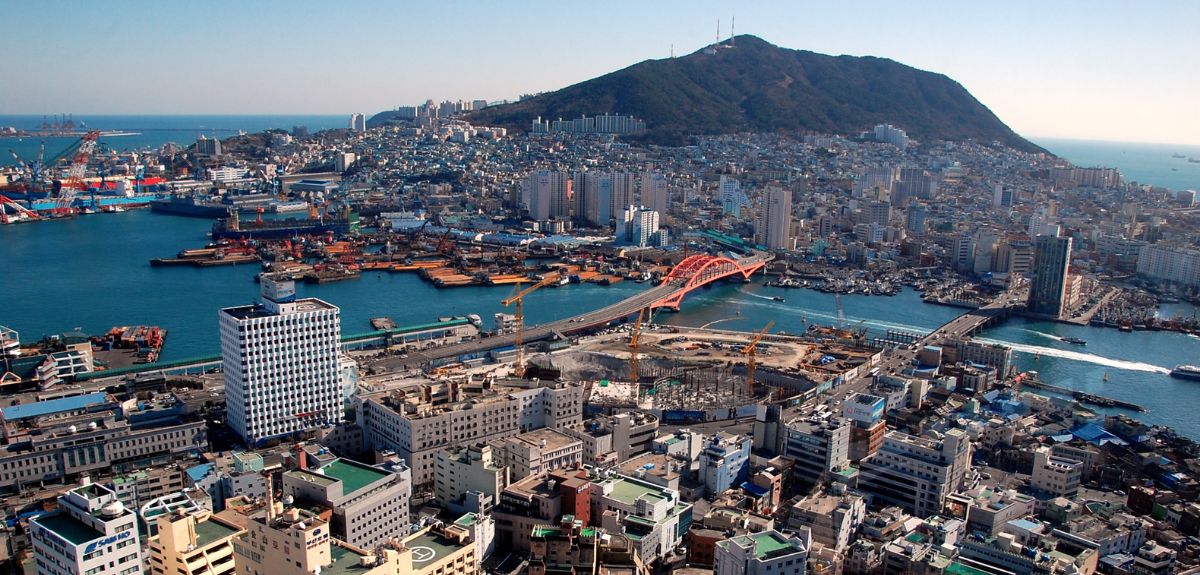


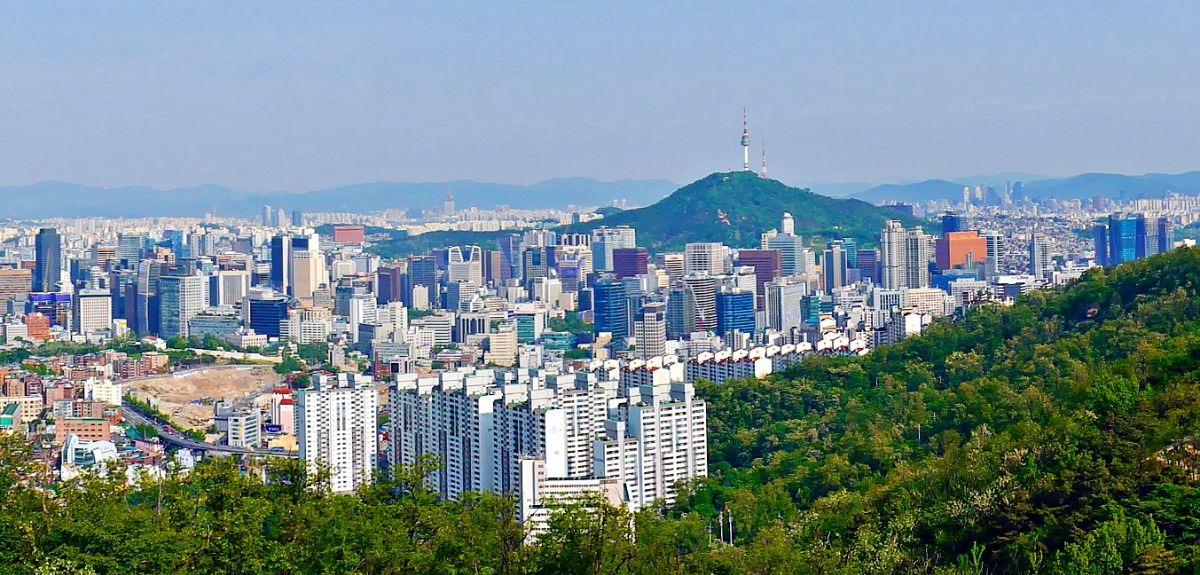
As night falls over a glittering blanket of infinite skyscrapers, Seoul transforms into a mesmerizing maze of neon lights, ancient architecture, and unparalleled energy. In this dynamic mega-city, the grandeur of a 14th-century dynasty embraces the ultra-modern pulse of global pop culture, creating a sensory cocktail that leaves you entirely breathless. Every corner hums with a dramatic contrast, inviting you to step into a world where storied heritage meets cutting-edge glamour.
Why Visit Seoul?
From the rhythmic chants of royal palace guards to the chic, bustling streets dedicated to high fashion and beauty, Seoul offers an enchanting escape that rewrites the rules of modern travel. Here is why this captivating capital belongs at the top of your luxury bucket list:
- Gyeongbokgung Palace: Witness the vibrant pageantry of the royal guard changing ceremony beneath an impossibly blue sky, where meticulously painted pavilions transport you straight into a living K-drama.
- N Seoul Tower: Elevate your evening as you look out over the sprawling, mountainous terrain and gleaming skyscrapers from a sky-high perch that defines the city’s iconic romance.
- Bukchon Hanok Village: Stroll along picturesque cobblestone paths lined with historic traditional houses, where the quiet elegance of the past stands in beautiful contrast to the glass towers beyond.
- Myeong-dong: Immerse yourself in the high-octane glamour of Korea’s premier shopping district, dancing to the beat of K-pop while indulging in world-renowned beauty trends and gourmet street food.
- Insadong Culture: Meander through charming, art-filled alleyways where historic tea houses and trendy eateries are beautifully retrofitted into traditional structures, capturing the very soul of Korean hospitality.
Seoul doesn’t ask you to choose between timeless tradition and the avant-garde; it gives you everything all at once, lingering in your memory long after the final toast of soju.
SEOUL KEY INFO
Everything you need to hit the ground running.
WHEN TO VISIT
April to June for mild weather and cherry blossoms; September to November for autumn foliage and comfortable walking conditions.
HOW TO GET THERE
Fly into Incheon International Airport (ICN). It’s the AREX Express Train to the city center (~43 min).
HOW TO GET AROUND
Metro! The extensive subway network is fast, clean, and incredibly efficient for hitting all major sights. Grab a T-money card for seamless tapping and transfer discounts.
IDEAL TRIP LENGTH
3-5 days for the city itself, but 4-5 days if you want to include a day trip to the DMZ.
What is Seoul Mainly Known For?
Seoul is famous for its dynamic global pop culture and K-beauty trends, driving world-class fashion. It’s also known for Gyeongbokgung Palace, a grand 14th-century royal masterpiece set against majestic mountain backdrops. Beyond the sights, it’s known as a high-octane neon playground where storied ancient heritage beautifully embraces ultra-modern innovation.
Is Seoul a Walkable City?
Mostly, but it’s massive. Seoul is highly walkable within its historic clusters and pedestrian zones, though it can get hilly. I loved soaking in the ancient-meets-modern vibe away from the traffic noise.
Is it safe to walk in Seoul at night? Absolutely. Low crime rates mean I felt completely at ease wandering late, though standard traveler’s common sense always applies.
What Is the Best Neighborhood to Walk Around?
Bukchon Hanok Village is the winner, a fabled historic area nestled against Inwangsan Mountain. Its winding hilly streets are a tapestry of traditional wooden architecture, serene alleys, and tiled rooftops from the Joseon era. For something completely different, walk over to Seongsu-dong, a trendy industrial district filled with repurposed factories, creative spaces, and cutting-edge fashion boutiques.
What Are the Best Things to Do in Seoul? (For Your First Visit)
I visited Seoul without a strict day-by-day plan. I wanted to take my time, enjoy the futuristic neon glow and ancient history, and see where the streets took me. I wrote down a few highlights and hit the ground running. Here are the spots I definitely recommend checking out:
Gyeongbokgung Palace
Seoul’s grandest royal masterpiece blends history with epic mountain backdrops. Catch the vibrant Changing of the Guard ceremony. Entry is ~3,000 KRW. Pro tip: Rent a traditional Hanbok for free admission and stellar photos. Check availability and explore popular experiences.

N Seoul Tower
Seoul’s ultimate skyline romance. Soak in 360-degree sunset views and check out the legendary love locks. Observatory entry is ~29,000 KRW. Pro tip: Ride the scenic Namsan Cable Car up for the full experience. Check availability and explore popular experiences.

Bukchon Hanok Village
Step into Seoul’s living history. Wander quiet paths lined with hundreds of traditional Joseon-era homes. Price: Free. Pro tip: Visit early in the morning to capture serene, crowd-free photos and respect the local residents. Check availability and explore popular experiences.

Myeong-dong
Seoul’s high-octane neon playground. Hunt for K-beauty holy grails, massive street food feasts, and vibrant K-pop shops. Entry: Free. Pro tip: Hit the night market between 4 PM and 10 PM for the ultimate street treats. Check availability and explore popular experiences.

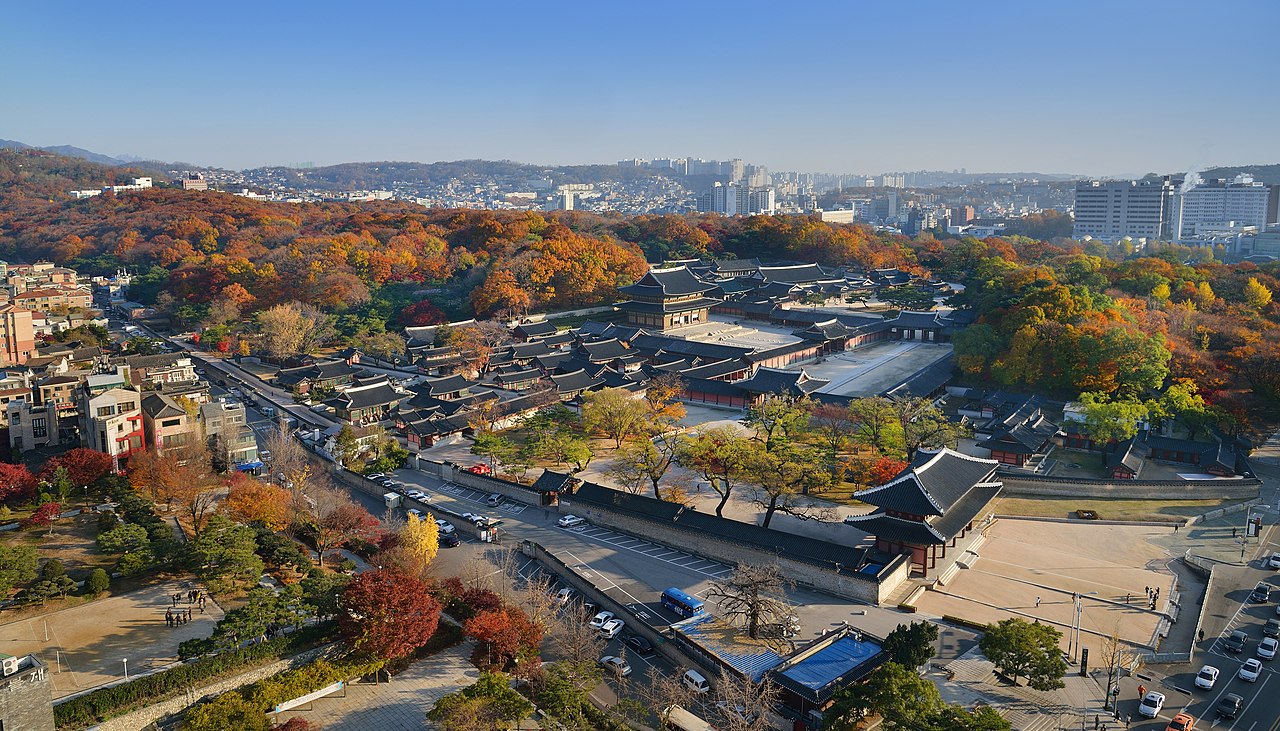
Changdeokgung Palace
Seoul’s most well-preserved royal retreat blends seamlessly into nature. Vibe with the stunning Secret Garden and traditional architecture. Entry: ~3,000 KRW. Pro tip: Book Secret Garden guided tour tickets well in advance online. Check availability and explore popular experiences.
Gwanghwamun Square
Seoul’s iconic urban hub where 600 years of history meets mountain views. Marvel at massive statues of King Sejong and Admiral Yi. Price: Free. Pro tip: Head underground to discover the hidden, free history museum. Check availability and explore popular experiences.

Insadong
Seoul’s soulful cultural heart. Duck into hidden alleys to find historic teahouses, artisan craft shops, and the spiral Ssamziegil complex. Price: Free. Pro tip: Visit on weekends when the main street becomes a lively pedestrian-only zone. Check availability and explore popular experiences.

National Folk Museum of Korea
Step into Korea’s living history right inside Gyeongbokgung Palace. Catch replica historical streets and vibrant folk artifacts. Price: Free. Pro tip: Visit the outdoor Street of Memories for awesome retro 1960s photos. Check availability and explore popular experiences.

National Palace Museum of Korea
Uncover Joseon royal majesty inside Gyeongbokgung. Marvel at 40,000 treasures, imperial clothing, and King Gojong’s seal. Price: Free. Pro tip: Visit Wednesday or Saturday nights when it stays open late until 9 PM. Check availability and explore popular experiences.

Namsangol Hanok Village
Step back in time at this peaceful oasis. Wander among five restored Joseon-era houses, a traditional garden, and a scenic pond. Price: Free. Pro tip: Visit on weekends to catch traditional wedding ceremonies. Check availability and explore popular experiences.

Credit: WIkimedia Commons
Must-Do Activities in Seoul
To really get the most out of your trip, I recommend checking out these experiences:
No products were found!
What Part of Seoul is Best for Tourists?
Stay in Myeongdong. Everything will be within a 30-minute walk. If you want something a bit more local but still close, Insadong is lovely—it features traditional teahouses, antique shops, and a charming cultural vibe.
What to Know Before Going to Seoul
- The Tap Water is Gold: Seoul’s tap water is tested frequently and perfectly safe to drink.
- English is Common: English proficiency in Seoul is generally high, especially compared to neighboring countries.
- Discover Seoul Pass: This all-in-one pass is highly worth it for free entry to over 100 top attractions.
- Bi-Monthly Closures: Large supermarkets and hypermarkets are legally required to close two Sundays every month.
- No Tipping Required: Tipping is not customary in Korea and can sometimes even cause confusion.
How Many Days Do I Need in Seoul?
3 to 5 days is the ideal duration for first-time visitors to experience the perfect mix of ancient history, futuristic landmarks, and global pop culture.
- Day 1: Gyeongbokgung Palace, N Seoul Tower, Changdeokgung Palace, Gwanghwamun Square.
- Day 2: Myeong-dong, Bukchon Hanok Village, Insadong, National Folk Museum of Korea, National Palace Museum of Korea.
- Day 3: Take a fascinating and historic day trip to the DMZ.
Suggested daily budget – 110-185 EUR / 120-200 USD (Note: This covers mid-range 3-star hotels, a mix of casual sit-down restaurants and street food, and public transport or occasional taxis. You can go cheaper if you eat primarily at convenience stores and street market stalls or visit the free palaces wearing a Hanbok).
MONEY SAVING TIPS
- Feast on Street Food: Skip pricey restaurants and head to Myeong-dong or local traditional markets to feast on cheap street food like tteokbokki, hotteok, and gimbap for just a few thousand won.
- Tip-Based Trekking: Join a Free Walking Tour sponsored by the city or volunteer groups, which frequently use major landmarks like Seoul City Hall Station Exit 5 as a meeting point.
- Card Over Coins: Grab a Climate Card for unlimited rides on Seoul’s subways and city buses for a fixed price, saving you money over constant single-journey top-ups.
- Riverside Refreshments: Buy drinks and snacks from a local convenience store and head to Yanghwa Hangang Riverside Park or Yeouido Hangang Park for a scenic picnic with stunning river views.
What’s the Best Month to Visit Seoul?
May and October are the sweet spots for visiting Seoul [cite: 1]. These months offer mild, comfortable weather perfect for exploring historic neighborhoods and outdoor markets while avoiding the summer heat or freezing winters. However, April is a magical alternative, when the city transforms with vibrant cherry blossoms.
How to Get to Seoul
Most international travelers fly into Incheon International Airport (ICN), which serves as a major global hub with direct flights from cities across the US, Europe, and Asia.
- From the airport: The AREX Express Train reaches Seoul Station in 43 minutes for 9,500 KRW, while taxis take 70–100 minutes and cost around 60,000–80,000 KRW.
- By Train: Seoul Station connects to major domestic destinations like Busan, Daejeon, and Gwangju via high-speed KTX services.
How to Get Around Seoul
Stick to the Metro – it is the absolute best way to navigate.
- Car Rental: Not recommended. Public transit is world-class; use DiscoverCars only if planning regional day trips.
- Walking: Great within historic clusters and pedestrian zones, but the city itself is massive and hilly.
- Uber/Bolt: Uber is available (mostly calling local taxis), but Kakao T is preferred locally. Bolt is not available.
- Tours: Excellent for hassle-free day trips to outer landmarks like the DMZ.
Tips for first-timers: Avoid taking taxis during peak hours—Heavy traffic can trap you for hours, and surge pricing makes it highly expensive. Use Seoul’s ultra-modern, clean, and punctual subway network to reach major sights effortlessly!
Seoul is the kind of place that steals your heart. It is a captivating symphony where ancient Joseon dynasty majesty and a hyper-modern neon pulse seamlessly intertwine, defined by its historic palaces, kinetic street life, and a deeply soulful cultural charm. This dynamic metropolis invites you to explore, leaving you with a renewed sense of wonder.
Note: This article contains affiliate links. If you purchase something I’ve recommended, I’ll earn a small commission at no extra cost to you. I really appreciate your support and I hope this guide helps you ♡