

Get Inspired

Itineraries

Travel Guides

About Me

Top
  >  South Korea   >  Best Places to Visit in Busan
best places to visit in busan

Busan is a city where neon-lit skyscrapers kiss the edge of the deep blue ocean, creating a mesmerizing dance of coastal luxury and urban energy. This dynamic South Korean gem invites you to step into a world where historic temples overlook crashing waves and trendy sky rails carry you over golden sands, offering a glamorous escape filled with unforgettable moments.

Why Visit Busan?

From the sun-soaked shores of its world-class beaches to the kaleidoscope of colors hidden within its mountainside alleys, Busan blends glamorous seaside vibes with deep cultural roots. Here is why this breathtaking coastal paradise deserves a spot at the absolute top of your itinerary:

  • Haeundae Beach: Lounge along this iconic crescent of white sand, where upscale boutique hotels meet a shimmering shoreline that truly comes alive at golden hour.
  • Gamcheon Culture Village: Wander through a vivid, pastel-colored labyrinth of artistic alleys and whimsical murals that climb gracefully up the mountain slopes.
  • Gwangalli Beach: Watch the night ignite with pure magic as the majestic Gwangan Bridge illuminates the bay in a spectacular symphony of colorful lights.
  • Beomeosa Temple: Discover a serene sanctuary nestled in the mountains, where ancient architecture and peaceful nature offer a soulful retreat from the bustling city.
  • Jagalchi Market: Indulge in an authentic culinary adventure at the country’s largest seafood market, where the freshest ocean delicacies are transformed into masterfully prepared dishes.

Whether you are sipping artisan cocktails by the sea or exploring hidden mountain treasures, Busan weaves a story of modern luxury and timeless charm that stays with you forever.

BUSAN KEY INFO

Everything you need to hit the ground running.

WHEN TO VISIT

April to June for mild weather and cherry blossoms; September to October for autumn foliage and fewer crowds.

HOW TO GET THERE

Fly into Gimhae International Airport (PUS). It’s the light rail and subway to the city center (~33 min).

HOW TO GET AROUND

Metro! It is incredibly fast, clean, and avoids city traffic to reach all top beaches. Use a T-money card or the Subway Korea app for seamless navigation.

IDEAL TRIP LENGTH

3-4 days for the city itself, but 5 days if you want to include a day trip to Gyeongju.

What is Busan Mainly Known For?

Busan is famous for Haeundae Beach, its iconic crescent of white sand where skyscrapers meet golden shores. It’s also known for Gwangan Bridge, a majestic double-decker marine bridge illuminating the bay. Beyond the sights, it’s known as South Korea’s bustling port city, where vibrant coastal luxury meets rich maritime culture.

Is Busan a Walkable City?

Mostly, but it depends on the area. While its beautiful coastal trails and beach boardwalks are perfect for wandering without traffic noise, the city is quite spread out and hilly.

Is it safe to walk in Busan at night? Absolutely. It’s an incredibly safe city with low crime rates. I felt completely at ease exploring well into the late hours, though standard traveler’s common sense always applies.

What Is the Best Neighborhood to Walk Around?

Nampo-dong is the winner, a historic market hub nestled between the busy harbor and Yongdusan hill. Its winding streets pulse with authentic coastal energy, historic charm, and a vibrant street food scene. For something completely different, walk over to Gamcheon Culture Village, a colorful hillside labyrinth defined by vibrant pastel houses, quirky street art, and whimsical murals.

What Are the Best Things to Do in Busan? (For Your First Visit)

I visited Busan without a strict day-by-day plan. I wanted to take my time, enjoy the coastal luxury and urban energy, and see where the streets took me. I wrote down a few highlights and hit the ground running. Here are the spots I definitely recommend checking out:

Haeundae Beach

Busan’s ultimate beach vibe, where skyscrapers meet golden sands. Catch vibrant sunsets, ocean-side street eats, and glittering night views. Price: Free. Pro tip: Grab food at Haeundae Traditional Market for an easy beachfront picnic. Check availability and explore popular experiences.

Haeundae Beach
Credit: Wikimedia Commons / Brit in Seoul

Gwangalli Beach

Busan’s trendy coastal hotspot where city neon meets the ocean. Catch the dazzling Gwangan Bridge lights and Saturday drone shows. Price: Free. Pro tip: Snag a beachfront cafe seat for the ultimate sunset view. Check availability and explore popular experiences.

Gwangalli Beach
Credit: Wikimedia Commons / Chelsea Hicks

Gamcheon Culture Village

Busan’s vibrant hillside labyrinth of pastel houses and quirky street art. Snap a photo with the Little Prince overlooking the colorful roofs. Price: Free. Pro tip: Grab a stamp map at the entrance for a fun alley tour. Check availability and explore popular experiences.

Gamcheon Culture Village
Credit: Wikimedia Commons

Beomeosa

Discover ancient charm and tranquil mountain vibes at this storied sanctuary. Explore historic wooden pagodas and serene forested trails. Price: Free. Pro tip: Visit early for a quiet, misty walk and deep Zen headspace. Check availability and explore popular experiences.

Beomeosa
Credit: Wikimedia Commons

Busan Tower

Busan’s iconic skyline staple offering killer panoramic harbor views and a nightly fireworks mapping show. Price: ~12,000 KRW. Pro tip: Ride the Nampo-dong escalator up to avoid climbing 150 steps to the park. Check availability and explore popular experiences.

Busan Tower
Credit: Wikimedia Commons / Mobius6

Jagalchi Market

Dive into South Korea’s largest seafood haven, buzzing with authentic coastal energy. Pick ultra-fresh catches downstairs and have them prepped right on the spot. Price: Free entry. Pro tip: Head upstairs for an epic sashimi feast. Check availability and explore popular experiences.

Jagalchi Market
Credit: Wikimedia Commons / Mobius6

Gwangan Bridge

Korea’s iconic marine double-decker bridge lighting up the bay. Catch thousands of LED lights and Saturday drone shows. Price: Free. Pro tip: Hop a night cruise to see the glittering skyline up close. Check availability and explore popular experiences.

Gwangan Bridge
Credit: Wikimedia Commons / Glabb

Taejongdae Park

Busan’s rugged seaside escape featuring towering coastal cliffs and wide-open ocean views. Catch the iconic lighthouse and sweeping observatory vistas. Price: Free entry. Pro tip: Walk the loop trail on weekdays to beat the crowds. Check availability and explore popular experiences.

Taejongdae Park
Credit: Wikimedia Commons

Songdo Yonggung Suspension Bridge

A thrilling walkway over the sea offering 360-degree panoramic ocean views. Highlights: walking above crashing waves on a wire mesh floor. Price: 1,000 KRW. Pro tip: Arrive via the Busan Air Cruise cable car for a scenic entrance. Check availability and explore popular experiences.
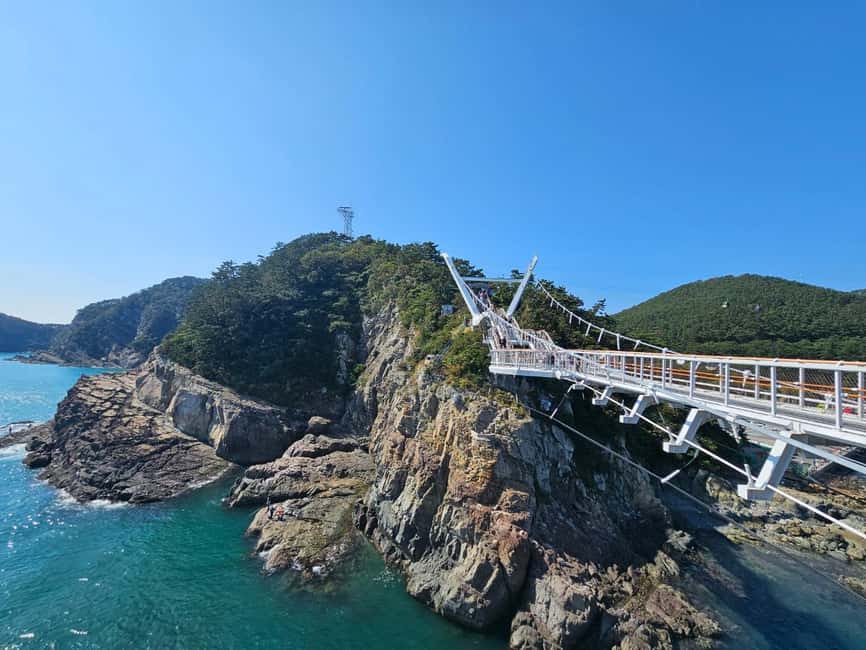
Songdo Yonggung Suspension Bridge
Credit: Wikimedia Commons

Yongdusan Park

A hilltop haven of breezy paths and rich history in central Busan. Highlights: the floral clock and the iconic Busan Tower. Price: Free entry. Pro tip: Ride the Gwangbok-ro escalator up for scenic harbor views. Check availability and explore popular experiences.

Yongdusan Park
Credit: Wikimedia Commons / Mobius6

Must-Do Activities in Busan

To really get the most out of your trip, I recommend checking out these experiences:

No products were found!

What Part of Busan is Best for Tourists?

Stay in the Nampo-dong district. Everything will be within a 15-minute walk. If you want something a bit more local but still close, Gwangalli Beach is lovely—it offers a trendy coastal hotspot where city neon meets the ocean.

What to Know Before Going to Busan

  • The Tap Water is Gold: Tap water is entirely safe to drink, though many locals prefer using water filters or dispensers.
  • Language Barrier: Major tourist spots are fine, but hospitality staff outside main hubs may have limited English proficiency.
  • Visit Busan Pass: This time-limited pass offers incredible value, covering entry to top high-cost attractions across the city.
  • Varying Sunday Closures: Many large supermarkets traditionally close on select Sundays, though some are shifting mandatory closures to Mondays.
  • No Tipping Culture: Tipping is not expected or customary anywhere in Korea, including restaurants and taxis.

How Many Days Do I Need in Busan?

3-4 days is the ideal duration for first-time visitors to balance beautiful coastal scenery, urban energy, and rich cultural landmarks.

  • Day 1: Haeundae Beach, Gwangalli Beach, Gwangan Bridge, Songdo Yonggung Suspension Bridge.
  • Day 2: Gamcheon Culture Village, Beomeosa, Jagalchi Market, Taejongdae Park, Yongdusan Park.
  • Day 3: Take a scenic day trip to Gyeongju.

Suggested daily budget – 130-140 EUR / 140-150 USD (Note: This covers mid-range business or boutique hotels, dining at casual sit-down restaurants, and metro travel with a T-money card. You can go cheaper if you eat street food at Jagalchi or Gukje Market and visit free beach attractions).

MONEY SAVING TIPS

  1. Snack on Ssiat Hotteok: Skip pricey sit-down spots and fill up on famous local street food like the sweet, nut-filled Ssiat Hotteok or cheap fish cakes (Eomuk) at BIFF Square for just a few dollars.
  2. Tip-Based Trekking: Look up a Free Walking Tour in Busan or download self-guided GPS route maps online to explore historic neighborhoods like Gamcheon Culture Village or Nampo-dong on a budget.
  3. Tap with T-money: Avoid expensive taxis by grabbing a rechargeable T-money card to get seamless, discounted access to Busan’s incredibly fast metro network and local city buses.
  4. Sunset at Gwangalli: Skip the beachfront bars and grab a cheap beer or snack from a local convenience store, then head right onto the sand at Gwangalli Beach to watch the glittering Gwangan Bridge light show for free.

What’s the Best Month to Visit Busan?

May and October are the sweet spots for visiting Busan. These months offer mild weather and fewer crowds, perfect for exploring coastal trails, lively food markets, and hillside villages. However, August is a vibrant alternative if you want to experience the city’s famous beaches at their peak, festive best.

How to Get to Busan

Most international travelers fly into Gimhae International Airport (PUS). Direct flights connect via major Asian hubs like Tokyo, Osaka, Taipei, and Shanghai; travelers from the US or Europe typically connect through Seoul.

  • From the airport: The city center is a 33-minute journey via the light rail and metro. A T-money transit card fare costs around 2,000 KRW, while a taxi takes roughly 30 minutes for 20,000–30,000 KRW.
  • By Train: Busan Station connects to Seoul via high-speed KTX trains in about 2.5 hours.

How to Get Around Busan

Stick to the Metro – it is the absolute best way to navigate.

  • Car Rental: Not recommended. Public transit is world-class; use DiscoverCars only if planning regional trips.
  • Walking: Great for specific beach boardwalks and market districts like Nampo-dong, but the city is too spread out and hilly to walk entirely.
  • Uber/Bolt: Uber is available and reliable for point-to-point travel, while Bolt is not widely used.
  • Tours: Excellent for hassle-free visits to distant coastal landmarks and temples without navigating public transit.

Tips for first-timers: Avoid driving in the city—Heavy traffic and hilly, spread-out roads make navigating a stressful nightmare. Use Busan’s fast, clean metro to easily reach all the top beaches and major landmarks instead!

Busan is the kind of place that steals your heart. It is a mesmerizing harmony of neon-lit skyscrapers, tranquil ancient temples, and the raw, rhythmic energy of the deep blue ocean. As you leave its golden shores and colorful hillside labyrinths, the city leaves you with a renewed sense of wonder and a deep connection to its coastal soul.

Note: This article contains affiliate links. If you purchase something I’ve recommended, I’ll earn a small commission at no extra cost to you. I really appreciate your support and I hope this guide helps you ♡

post a comment