

Get Inspired

Itineraries

Travel Guides

About Me

Top
  >  South Korea   >  Best Places to Visit in Gyeongju
best places to visit in gyeongju

Known as the “museum without walls,” Gyeongju is a captivating city where South Korea’s ancient soul beautifully unfolds. As the historic capital of the thousand-year Silla Kingdom, this enchanting destination seamlessly pairs rich imperial heritage with lush natural scenery, creating an atmosphere that feels like a living fairy tale.

Why Visit Gyeongju?

Beyond its peaceful and scenic ambiance, Gyeongju offers travelers a sophisticated journey through time filled with breathtaking architectural treasures and vibrant cultural landmarks. Here is why this timeless city deserves a premier spot on your bucket list:

  • Bulguksa Temple: Marvel at the delicate wood and stonework of this 8th-century Buddhist masterpiece nestled perfectly on the mist-covered slopes of Mount Toham.
  • Donggung Palace and Wolji Pond: Witness real magic after sunset when the beautifully illuminated royal pavilions cast dramatic, glowing reflections over the historic waters.
  • Seokguram Grotto: Trek to a serene stone Buddha housed within a spectacular granite-carved sanctuary that stands as an unrivaled apex of historic artistry.
  • Daereungwon Tomb Complex: Stroll past the monumental green hills of the royal burial mounds rising elegantly from manicured landscapes right in the heart of the city.
  • Hwangnidan Street: Experience a trendy revival where modern boutiques and chic cafes fill traditional hanok houses, offering the perfect blend of past and present.

Whether you are admiring ancient relics or exploring mountain trails, Gyeongju promises an evocative and unforgettable escape that leaves you profoundly connected to Korea’s majestic roots.

GYEONGJU KEY INFO

Everything you need to hit the ground running.

WHEN TO VISIT

April to May for cherry blossoms and mild weather; October for vibrant autumn foliage and pleasant temperatures.

HOW TO GET THERE

Fly into Gimhae International Airport (PUS). It’s an intercity bus to the city center (~1h 24m).

HOW TO GET AROUND

Bike! The city is flat and historic sites are scattered but accessible. Rent a public bicycle using the Tasila bike-share service to explore easily.

IDEAL TRIP LENGTH

2-3 days for the city itself, but 4 days if you want to include a day trip to Pohang or a mountain hike.

What is Gyeongju Mainly Known For?

Gyeongju is famous for being the capital of the ancient Silla Kingdom for nearly a thousand years. It’s also known for Bulguksa Temple, a spectacular 8th-century Buddhist masterpiece nestled on Mount Toham. Beyond the sights, it’s known as the “museum without walls” due to its incredible concentration of open-air historic treasures.

Is Gyeongju a Walkable City?

Mostly, but with a catch. The historic center is flat and incredibly compact, making it easy to stroll between ancient tombs and palaces without any traffic noise. However, you’ll need a bus for further spots like Bulguksa.

Is it safe to walk in Gyeongju at night? Absolutely. It is exceptionally safe with low crime rates. I felt completely at ease, though standard common sense applies.

What Is the Best Neighborhood to Walk Around?

The Tumuli Park area is the winner, a fabled historic center nestled next to lush hills and the Namcheon Stream. Its winding lanes are a tapestry of green royal burial mounds and traditional wooden hanok architecture. For something completely different, walk over to Hwangridangil, a bohemian district filled with social media-worthy cafes, unique boutique shops, and a youthful, creative pulse.

What Are the Best Things to Do in Gyeongju? (For Your First Visit)

I visited Gyeongju without a strict day-by-day plan. I wanted to take my time, enjoy the ancient soul and rich imperial heritage, and see where the streets took me. I wrote down a few highlights and hit the ground running. Here are the spots I definitely recommend checking out:

Bulguksa Temple

Silla’s crowning glory delivers mystical mountain vibes and next-level ancient architecture. Don’t miss the iconic Dabotap pagoda and stone bridges. Price: Free entry. Pro tip: Arrive before 10 AM to beat the tour crowds. Check availability and explore popular experiences.

Bulguksa Temple
Credit: Wikimedia Commons

Seokguram Grotto

Trek through misty mountain woods to this ancient stone sanctuary housing a legendary granite Buddha. Don’t miss the sunrise over the East Sea. Price: Free. Pro tip: Visit at daybreak to catch the magical views. Check availability and explore popular experiences.
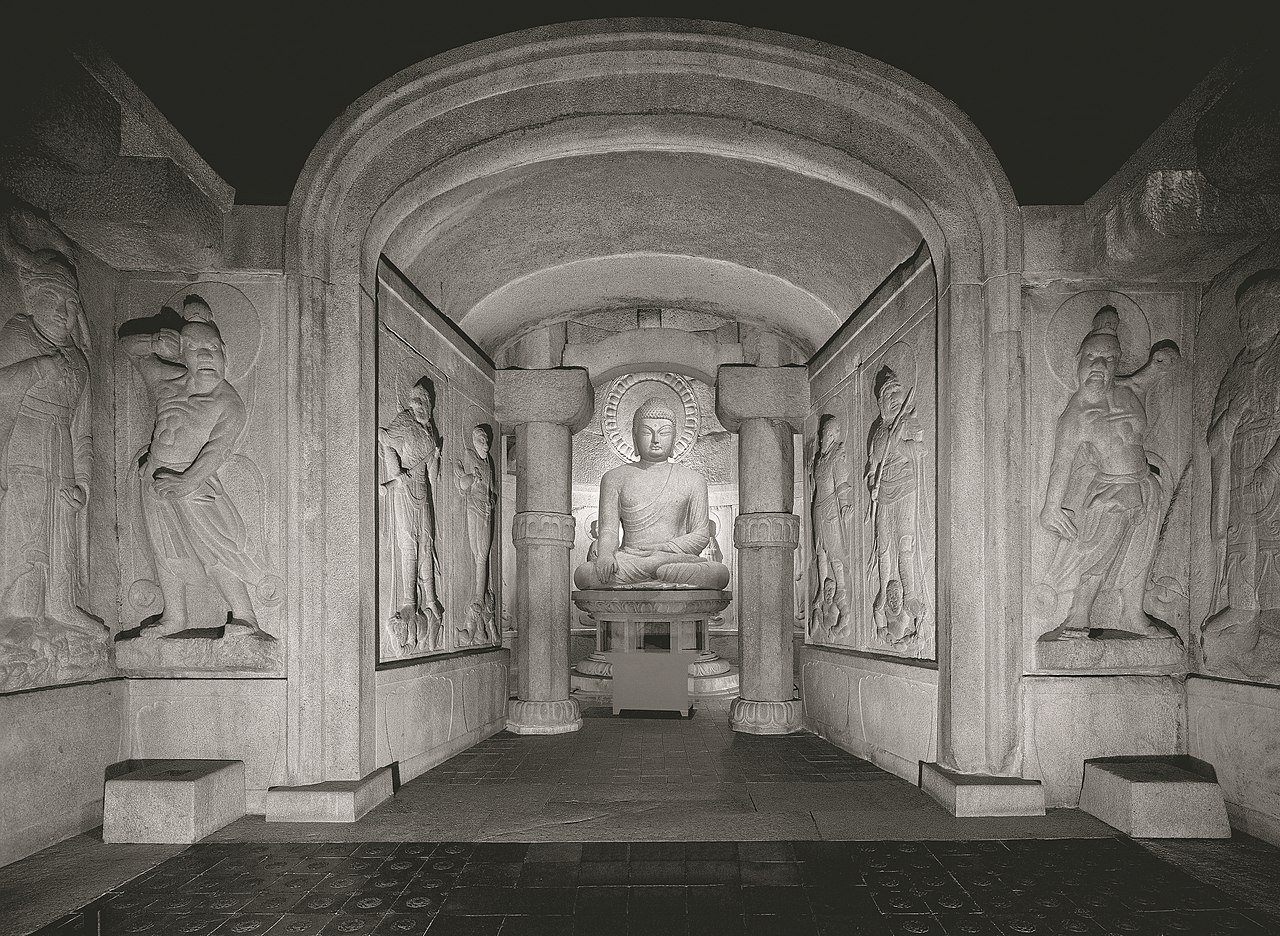
Seokguram Grotto
Credit: Wikimedia Commons / Seok-Hong, Han

Donggung Palace and Wolji Pond

Witness real magic at this Silla royal complex, where illuminated pavilions cast glowing reflections on the historic lake. Price: ~3,000 KRW. Pro tip: Arrive at sunset to watch the epic nighttime illuminations turn on. Check availability and explore popular experiences.

Donggung Palace and Wolji Pond
Credit: Wikimedia Commons / Basile Morin

Cheomseongdae

Asia’s oldest astronomical observatory delivers ancient sci-fi vibes. Marvel at its symbolic, bottle-shaped granite brickwork. Price: Free. Pro tip: Visit at sunset to watch it light up against the night sky. Check availability and explore popular experiences.

Cheomseongdae
Credit: Wikimedia Commons / Basile Morin

Daereungwon Tomb Complex

Stroll past giant, mystical green burial mounds rising right in the heart of the city. Don’t miss Cheonmachong’s interior treasures. Price: Free entry (Cheonmachong ~3,000 KRW). Pro tip: Visit at sunset for fewer crowds and magical lighting. Check availability and explore popular experiences.

Daereungwon Tomb Complex
Credit: Wikimedia Commons / dokaspar

Gyochon Traditional Village

Step back in time at this living hanok village. Rent a hanbok, explore the historic Choi Clan House, and watch rice cake pounding. Price: Free entry. Pro tip: Visit at dusk for magical sunset views. Check availability and explore popular experiences.

Gyochon Traditional Village
Credit: Wikimedia Commons / Christophe95

Woljeonggyo Bridge

This magnificent reconstructed wooden bridge delivers majestic, starlit vibes over the river. Marvel at its glowing Silla-era architecture. Price: Free. Pro tip: Visit after dark for the ultimate illuminated views. Check availability and explore popular experiences.

Woljeonggyo Bridge
Credit: Wikimedia Commons /

Gyeongju National Museum

Step into the ancient soul of Silla with quiet, majestic vibes. Marvel at dazzling gold crowns and the massive bronze Emille Bell. Price: Free. Pro tip: Arrive early on weekday mornings to beat the crowds and enjoy peaceful wandering. Check availability and explore popular experiences.

Gyeongju National Museum
Credit: Wikimedia Commons / by martinroell

Yangdong Folk Village

Step back into the Joseon Dynasty at this living UNESCO village. Wander past hillside hanoks and thatched roofs. Highlights: Mucheomdang and sweeping rice-field views. Price: ~4,000 KRW. Pro tip: Visit on weekday mornings for ultimate tranquility. Check availability and explore popular experiences.

Yangdong Folk Village
Credit: Wikimedia Commons / Bernard Gagnon

Bunhwangsa Temple

Unearth serene Silla vibes at this ancient sanctuary. Marvel at the unique black andesite stone pagoda and a mystical dragon well. Price: Free entry. Pro tip: Visit at sunset for stunning seasonal flower views. Check availability and explore popular experiences.
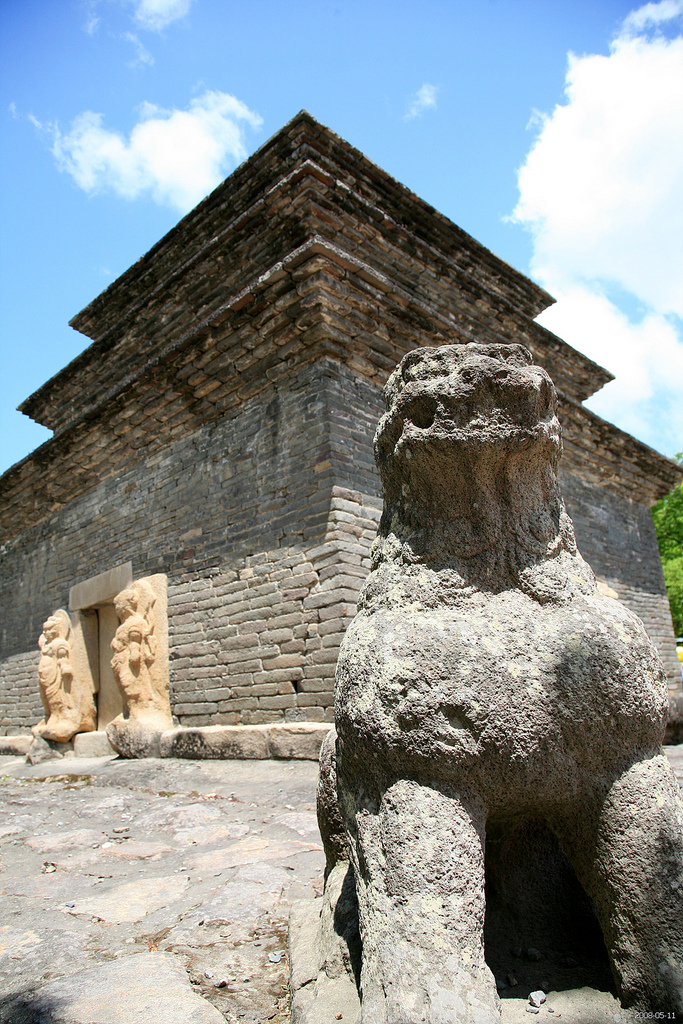
Bunhwangsa Temple
Credit: Wikimedia Commons

Must-Do Activities in Gyeongju

To really get the most out of your trip, I recommend checking out these experiences:

No products were found!

What Part of Gyeongju is Best for Tourists?

Stay in the Old Town. Everything will be within a 15-minute walk. If you want something a bit more local but still close, the Gyochon Traditional Village is lovely—it offers traditional hanok architecture and slow, scenic streets.

What to Know Before Going to Gyeongju

  • The Tap Water is Gold: Korean tap water is drinkable and safe, meeting international standards, though locals often prefer filters or bottles.
  • Limited English Proficiency: English is not widely spoken, so use translation apps or simple phrases to communicate with locals effectively.
  • The Gyeongbuk Tour Pass: This essential mobile pass offers free entry to major sites and transportation, providing significant savings for tourists.
  • Supermarkets Close Bi-monthly: Large supermarkets close on the second and fourth Sundays; smaller convenience stores remain open daily for essentials.
  • Tipping is Not Customary: Tipping is not expected and can even be considered rude; simply say thank you to show appreciation.

How Many Days Do I Need in Gyeongju?

2-3 days is the ideal duration for first-time visitors to fully immerse themselves in the ancient capital’s rich Silla heritage and scenic historic parks.

  • Day 1: Bulguksa Temple, Seokguram Grotto, Donggung Palace and Wolji Pond, Cheomseongdae, Woljeonggyo Bridge.
  • Day 2: Daereungwon Tomb Complex, Gyochon Traditional Village, Gyeongju National Museum, Bunhwangsa Temple.
  • Day 3: Take a scenic day trip to the traditional Yangdong Folk Village or nearby Pohang.

Suggested daily budget – 110-220 EUR / 121-239 USD (Note: This covers mid-range accommodations, diverse dining options, and quality experiences with local transit. You can go cheaper if you stick to street food markets or rent a public bicycle to explore free landmarks).

MONEY SAVING TIPS

  1. Snack on Street Food: Skip pricey sit-down dinners and fill up on cheap local street food at Jungang Market or look for budget-friendly bites along Hwangnidan Street.
  2. Free Heritage Hikes: Join the free Gyeongju Namsan Cultural Heritage Tours on weekends, which meet right at Namsan Mountain and are led by expert guides completely free of charge.
  3. Two-Wheeled Transit: Download the local app and use Tasila, Gyeongju’s official city bike-share system, to get a 1-day pass for just 1,000 won with unlimited 90-minute rides.
  4. Picnic by the Mounds: Avoid expensive bars and grab a cheap beer from a convenience store to enjoy a peaceful sunset picnic near the giant ancient burial mounds at Tumuli Park.

What’s the Best Month to Visit Gyeongju?

May and September are the sweet spots for visiting Gyeongju. These months offer mild temperatures and lush scenery, perfect for exploring ancient temples and royal tombs without the peak summer humidity or intense crowds. However, April is a magical alternative when the city transforms into a pink wonderland during the Cherry Blossom Festival.

How to Get to Gyeongju

Most international travelers fly into Gimhae International Airport (PUS), which connects to major Asian hubs like Tokyo and Shanghai.

  • From the airport: Direct intercity buses run hourly to Gyeongju city center. The journey takes about 1 hour and 24 minutes and costs approximately 9,000 to 13,000 KRW.
  • By Train: Gyeongju Station connects the city to Seoul (2 hours) and Busan (30 minutes) via high-speed KTX and SRT services.

How to Get Around Gyeongju

Rent a bike – it is the absolute best way to explore easily.

  • Car Rental: Not recommended for the flat historic center, but check DiscoverCars if planning regional trips.
  • Walking: Excellent for the compact, historic town center, but a bus or taxi is required for outer temples.
  • Uber/Bolt: Not available; use local Kakao T to hail reliable city taxis.
  • Tours: Great for hassle-free visits to distant highlights like Bulguksa Temple and Seokguram Grotto.

Tips for first-timers: Avoid relying on buses for the historic center—Traffic and waiting times can eat into your limited sightseeing hours. Rent a public bicycle to navigate the flat, compact sites quickly and enjoy the scenic views!

Gyeongju is the kind of place that lingers in your memory. It is a city where ancient imperial majesty and serene nature beautifully intertwine, defined by its mystical green burial mounds, illuminated palaces, and timeless spiritual sanctuaries. This captivating museum without walls invites you to step back in time, leaving you with a renewed sense of wonder [cite: 1].

Note: This article contains affiliate links. If you purchase something I’ve recommended, I’ll earn a small commission at no extra cost to you. I really appreciate your support and I hope this guide helps you ♡

post a comment