

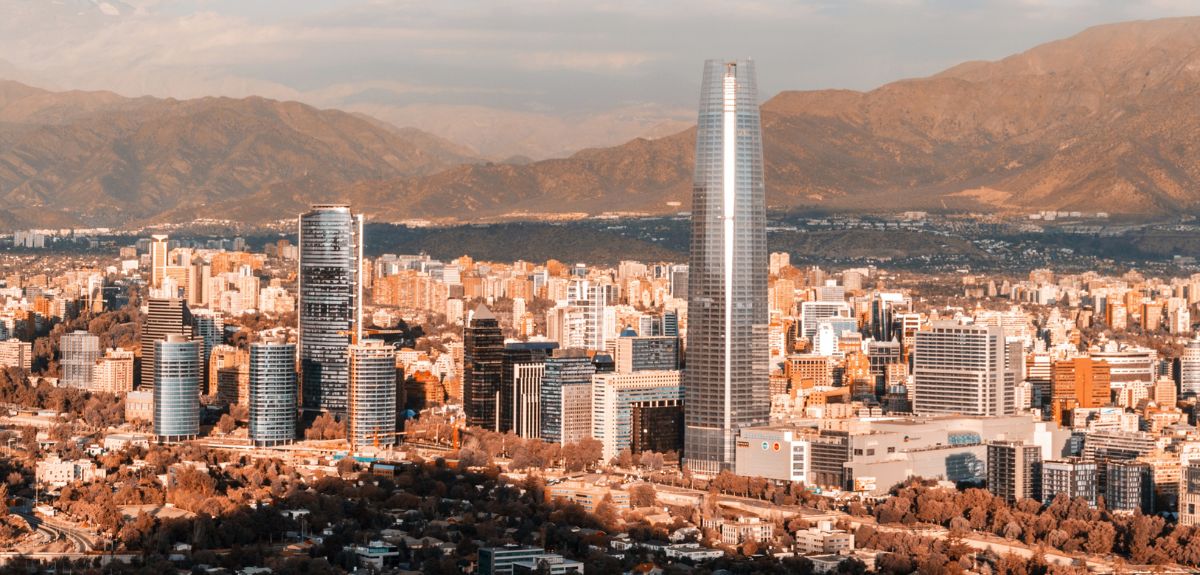
Sweeping against the jagged, snow-dusted spine of the Andes, Santiago is a city where old-world elegance and cutting-edge ambition dance in the golden light of the Chilean sun. It is a place of dramatic contrasts, where glass skyscrapers reflect colonial spires and the air is thick with the scent of blooming jasmine and world-class vintage wines.
Why Visit Santiago?
Santiago beckons travelers with its unique blend of sophisticated urban culture and raw, breathtaking landscapes that serve as a constant, majestic backdrop to everyday life.
- San Cristóbal Hill: Ascend this emerald peak via a vintage funicular to find a sanctuary above the clouds, offering a panoramic view that captures the city’s vast spirit.
- La Moneda Palace: Walk through the grand courtyards of this neoclassical masterpiece, a silent witness to the nation’s turbulent and triumphant history.
- Sky Costanera: Stand atop South America’s tallest building to witness a sunset that sets the Andes ablaze in shades of violet and crimson.
- Plaza de Armas: Immerse yourself in the heartbeat of the capital, where the Metropolitan Cathedral’s gilded interiors provide a serene escape from the lively urban pulse.
- Santa Lucía Hill: Discover a hidden labyrinth of ornate fountains, stone staircases, and secret gardens tucked away in the very center of the city.
Whether you are sipping a bold Carmenere in a candlelit bistro or exploring the treasures of pre-Columbian art, Santiago promises a journey that is as glamorous as it is unforgettable.
SANTIAGO KEY INFO
Everything you need to hit the ground running.
WHEN TO VISIT
September to May for ideal sightseeing and wine festivals; June to August for world-class skiing in the nearby Andes.
HOW TO GET THERE
Fly into Arturo Merino Benitez International Airport (SCL). It’s a rideshare or airport bus to the city center (~25–45 min).
HOW TO GET AROUND
Metro! It is fast, clean, and reaches most major sights efficiently. Grab a bip! card at any station to pay for both the subway and buses.
IDEAL TRIP LENGTH
2-4 days for the city itself, but 5-6 days if you want to include day trips to Valparaiso, Viña del Mar, or the Casablanca Valley.
What is Santiago Mainly Known For?
Santiago is famous for its dramatic Andean backdrop, where snow-capped peaks tower over the urban valley. It’s also known for La Moneda Palace, a neoclassical landmark central to Chile’s political history. Beyond the sights, it’s known as the City of the Island Hills, where a resilient spirit and sophisticated cultural energy define its vibrant, modern pulse.
Is Santiago a Walkable City?
100% yes. Santiago is incredibly walkable, especially in neighborhoods like Providencia and Lastarria. I loved exploring the pedestrian-friendly streets and lush hills like Santa Lucía, where you can soak in the vibrant atmosphere away from traffic noise.
Is it safe to walk in Santiago at night? Generally, yes. While it’s one of South America’s safest capitals, I always feel more at ease using standard traveler’s common sense.
What Is the Best Neighborhood to Walk Around?
Barrio Lastarria is the winner. Tucked between Santa Lucia Hill and the Mapocho River, this historic gem charms with winding cobblestone streets and neoclassical facades draped in European elegance. For something completely different, walk over to Barrio Bellavista, a bohemian district bursting with kaleidoscopic street art, avant-garde galleries, and a rhythmic, creative pulse that defines Santiago’s artistic soul.
What Are the Best Things to Do in Santiago? (For Your First Visit)
I visited Santiago without a strict day-by-day plan. I wanted to take my time, enjoy the city’s blend of colonial grandeur and modern urban pulse, and see where the streets took me. I wrote down a few highlights and hit the ground running. Here are the spots I definitely recommend checking out:
La Moneda Palace
Santiago’s neoclassical soul. This former mint turned presidential palace is a masterclass in history and power. Check the changing of the guard and orange-tree courtyards. Price: Free. Pro tip: Book a guided tour online a week ahead. Check availability and explore popular experiences.

San Cristóbal Hill
Santiago’s green escape offers epic Andes views and a chill hilltop sanctuary. Highlights: the Virgin Mary statue, cable car, and pools. Price: Free (funicular ~$8). Pro tip: Sip a “mote con huesillo” at the summit for ultimate local vibes. Check availability and explore popular experiences.

Credit: Wikimedia Commons
Santa Lucía Hill
A volcanic remnant turned fairytale park. Climb past Neptune Fountain and ornate facades for epic city views. Price: Free. Pro tip: Arrive at noon to hear the historic cannon blast echo across downtown. Check availability and explore popular experiences.

Credit: Wikimedia Commons
Metropolitan Cathedral of Santiago
Neoclassical grandeur meets spiritual calm. Marvel at the gilded columns, lapis lazuli altar, and intricate frescoes. Price: Free. Pro tip: Climb the bell tower for an incredible panoramic view of Plaza de Armas and the historic center. Check availability and explore popular experiences.

Plaza de Armas
Santiago’s symbolic heart is a lively mix of history and street culture. Marvel at the Metropolitan Cathedral and Central Post Office. Price: Free. Pro tip: Visit on weekends for local painters and the best people-watching vibes. Check availability and explore popular experiences.
National Museum of Fine Arts
Latin America’s oldest art museum blends Beaux-Arts glam with a stunning glass dome. Vibe with 5,000+ works, from colonial pieces to Roberto Matta. Price: Free. Pro tip: Visit the connected Museum of Contemporary Art for a double dose of culture. Check availability and explore popular experiences.

Central Market of Santiago
Dive into Santiago’s seafood heart under a 19th-century iron roof. Feast on fresh ceviche or centolla (king crab). Price: Free entry; meals vary. Pro tip: Skip the touristy center; eat at the cheaper, authentic stalls on the outer rim. Check availability and explore popular experiences.

Sky Costanera
Soar 300 meters above Santiago for ultimate Andean views. This glass-walled sanctuary offers 360-degree city magic and epic sunsets. Highlights: Ultra-fast elevators and the open-air deck. Price: ~$25. Pro tip: Visit at sunset for the best photos. Check availability and explore popular experiences.

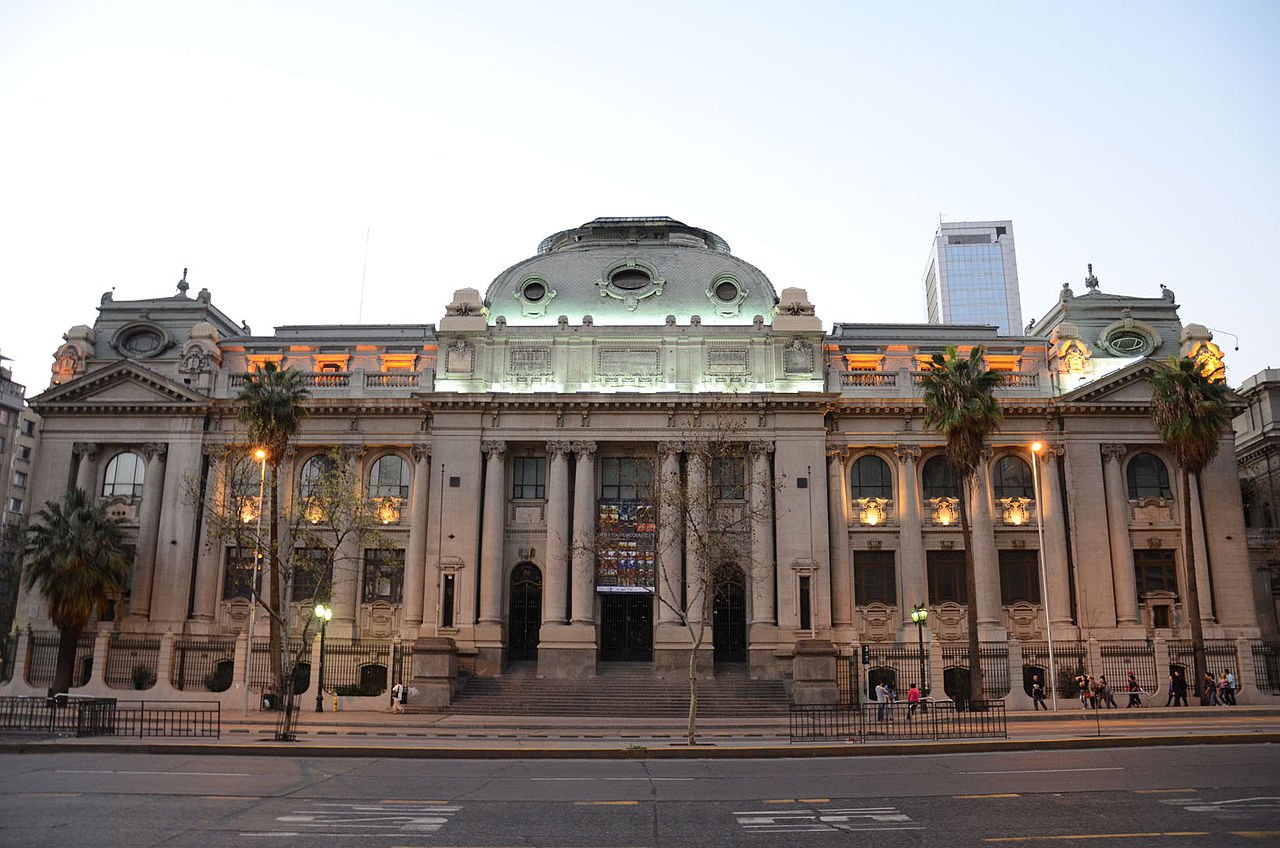
National Library of Chile
Neoclassical grandeur meets a scholarly vibe. Marvel at stained-glass domes and the wood-paneled Medina Room. Price: Free. Pro tip: Visit the second-floor reading room for a quiet escape and stunning views of Santa Lucía Hill. Check availability and explore popular experiences.
Museo Chileno de Arte Precolombino
A treasure trove of ancient spirits in a colonial masterpiece. Marvel at towering Mapuche totems and intricate Andean textiles. Price: ~$12 USD. Pro tip: Visit the “Chile Before Chile” room for a deep dive into local roots. Check availability and explore popular experiences.

Must-Do Activities in Santiago
To really get the most out of your trip, I recommend checking out these experiences:
No products were found!
What Part of Santiago is Best for Tourists?
Stay in the Lastarria neighborhood. Everything will be within a 15-minute walk. If you want something a bit more local but still close, the Barrio Italia is lovely—it features a bohemian vibe with independent design boutiques, charming cafes, and a fantastic dining scene.
What to Know Before Going to Santiago
- The Tap Water is Gold: Tap water is safe to drink, though its high mineral content may affect sensitive stomachs.
- English is Growing: English is common in business and tourism, but proficiency varies; learning basic Spanish phrases is helpful.
- The Santiago Pass: This 3-day pass offers great value, covering major attractions like the cable car and hop-on bus.
- Sundays are for Shopping: Unlike other parts of Chile, Santiago’s major malls and supermarkets remain open on Sundays.
- The 10% Propina: A 10% tip is standard in restaurants and often added automatically; taxi tipping is not expected.
How Many Days Do I Need in Santiago?
3 days is the ideal duration for first-time visitors to balance colonial history, vibrant markets, and breathtaking Andean panoramas.
- Day 1: La Moneda Palace, Plaza de Armas, Metropolitan Cathedral of Santiago, Santa Lucía Hill, National Library of Chile.
- Day 2: San Cristóbal Hill, Central Market of Santiago, National Museum of Fine Arts, Museo Chileno de Arte Precolombino, Sky Costanera.
- Day 3: Take a scenic day trip to the colorful port city of Valparaíso and the nearby beaches of Viña del Mar.
Suggested daily budget – 115-170 EUR / 120-180 USD (Note: This covers mid-range 3-star or boutique hotels, a mix of local and upscale dining, and public transport or occasional taxis. You can go cheaper if you eat “menu del dia” set lunches at local markets and use the efficient Metro system).
MONEY SAVING TIPS
- Master the Menú del Día: Head to the Lastarria or Bellavista neighborhoods during weekday lunch hours to find a “Menú del Día” for around 6,000–9,000 CLP, which typically includes a starter, main course, dessert, and a drink.
- Tip-Based Trekking: Join a “Free Walking Tour” typically meeting daily at Plaza de Armas or near the Museo de Bellas Artes to see the city’s historic highlights for a pay-what-you-wish tip.
- Card Over Coins: Purchase a “Bip! Card” for 1,550 CLP at any Metro station and load it with credit to access the integrated bus and subway system, which allows for free transfers between modes within a 120-minute window.
- Sunset at Parque Forestal: Skip the pricey rooftop bars and grab a local Kunstmann beer or a bottle of wine from a “Lider” supermarket and head to Parque Forestal or the banks of the Mapocho River for a scenic, low-cost sunset picnic.
What’s the Best Month to Visit Santiago?
September and October are the sweet spots for visiting Santiago. These months offer pleasant spring weather and fewer crowds, perfect for enjoying outdoor cafes and lush parks. However, December is a magical alternative, as the city fills with festive energy and long, sunny days ideal for rooftop dining and local celebrations.
How to Get to Santiago
Most international travelers fly into Arturo Merino Benitez International Airport (SCL). It serves as a major hub with direct connections from Miami, Madrid, Paris, and London.
- From the airport: The city center is a 30-45 minute journey. Centropuerto or TurBus shuttles cost approximately $2, while official taxis or private transfers cost between $25 and $40.
- By Train: Estación Central connects Santiago to southern cities like Rancagua, Talca, and Chillán via EFE high-speed and regional services.
How to Get Around Santiago
Stick to the Metro – it is the absolute best and most efficient way to navigate.
- Car Rental: Not recommended for the city due to heavy traffic and limited parking. Use DiscoverCars only if you plan on exploring the Andes or wine valleys.
- Walking: Excellent for the historic center, Lastarria, and Bellavista, which are highly pedestrian-friendly.
- Uber/Bolt: Uber is widely available, reliable, and very popular for point-to-point travel.
- Tours: Great for hassle-free day trips to Valparaíso, Viña del Mar, or local vineyards.
Tips for first-timers: Avoid driving in the city center—Gridlock and scarce, expensive parking make navigating a nightmare. Use the efficient Metro system; it is fast, clean, and connects all major sights effortlessly!
Santiago is the kind of place that lingers in your memory. It is a breathtaking fusion of rugged Andean peaks, neoclassical elegance, and a restless, modern energy that pulses through its sun-drenched plazas. As you depart its vibrant neighborhoods and mist-covered hills, the city leaves you with a renewed sense of wonder.
Note: This article contains affiliate links. If you purchase something I’ve recommended, I’ll earn a small commission at no extra cost to you. I really appreciate your support and I hope this guide helps you ♡