

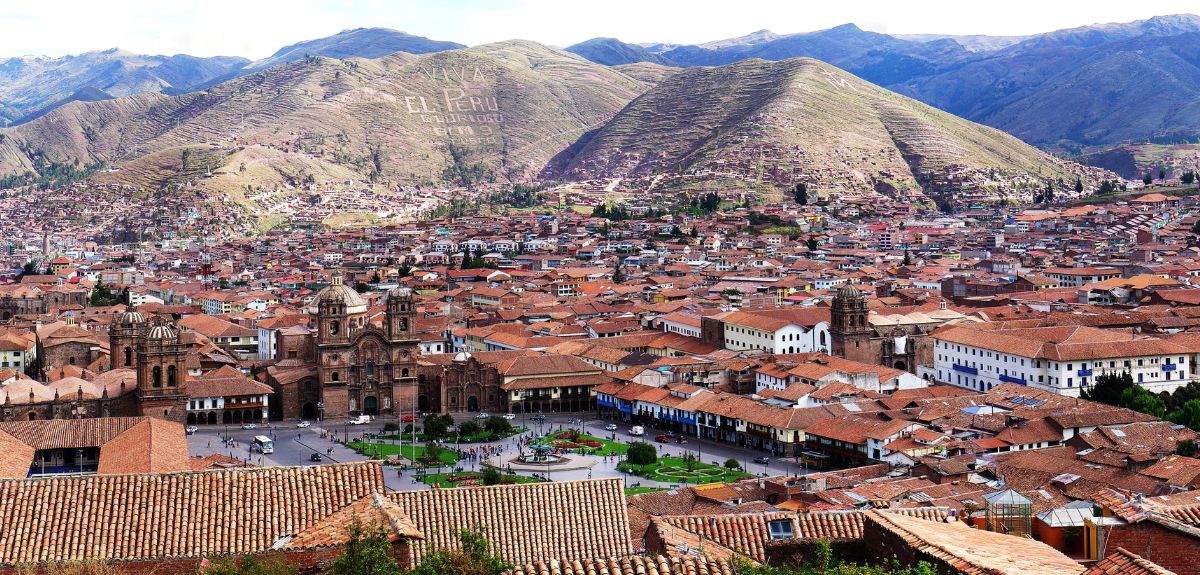
High in the heart of the Peruvian Andes, Cusco unfolds like a gilded tapestry of Incan majesty and Spanish colonial grace. Walking through its narrow, stone-carved alleys feels like an invitation into a forgotten empire, where the air is thin but the spirit of the ancient world is thick with mystery and allure.
Why Visit Cusco?
Cusco is a destination that transcends the ordinary, offering a glamorous blend of archaeological wonders and a vibrant, soulful culture that captivates the modern explorer. Here is why this high-altitude gem is an essential addition to your travel repertoire:
- Plaza de Armas: The city’s grand heart, where ornate cathedrals and colonial arcades frame a bustling square that has witnessed centuries of imperial history.
- Sacsayhuamán: Marvel at the colossal stone masonry of this Incan citadel, a monumental feat of engineering that offers sweeping views of the valley below.
- Qurikancha: Once the richest temple in the Incan Empire, its sun-drenched walls now serve as a stunning foundation for the Santo Domingo Convent, merging two worlds into one.
- San Blas Neighborhood: Lose yourself in the bohemian charm of this artisan district, where blue-shuttered workshops and chic boutiques line the steep, cobblestone climbs.
- San Pedro Market: Engage your senses in a kaleidoscope of colors and scents, from exotic Andean fruits to the intricate textiles that define the region’s artistic soul.
Whether you are tracing the steps of emperors or savoring a sunset over red-tiled roofs, Cusco promises a mystical journey that will stay etched in your soul forever.
CUSCO KEY INFO
Everything you need to hit the ground running.
WHEN TO VISIT
April to October for dry weather and trekking; November to March for lush landscapes and lower prices.
HOW TO GET THERE
Fly into Alejandro Velasco Astete International Airport (CUZ). It’s a taxi to the city center (~20 min).
HOW TO GET AROUND
Walk! Most historic sights are extremely close together in the compact center. For longer trips, use licensed taxis or the Uber app for safe, fixed-price travel.
IDEAL TRIP LENGTH
2-3 days for the city itself, but 5-7 days if you want to include Machu Picchu, the Sacred Valley, or Rainbow Mountain.
What is Cusco Mainly Known For?
Cusco is famous for being the capital of the Inca Empire, once designed in the sacred shape of a puma. It’s also known for the Qurikancha, an ancient Sun Temple upon which a Spanish convent was built. Beyond the sights, it’s known as the Archaeological Capital of the Americas, where vibrant Quechua culture meets a unique backpacker vibe.
Is Cusco a Walkable City?
100% yes. Cusco is incredibly walkable, especially around the historic center. Most major attractions are within a short distance of the Plaza de Armas. I loved wandering the narrow, pedestrian-friendly cobblestone streets and soaking in the ancient atmosphere without any traffic noise.
Is it safe to walk in Cusco at night? Absolutely. In tourist areas, I felt completely at ease wandering late, though it’s always wise to maintain standard common sense.
What Is the Best Neighborhood to Walk Around?
The Historic Center is the winner, a grand heart of the city built over Inca foundations. Its narrow, winding cobblestone streets radiate a mystical energy, lined with white-washed colonial walls and red-tiled roofs near the sacred Plaza de Armas. For something completely different, walk over to San Blas, a bohemian artisan district filled with bright blue doors, creative workshops, and a vibrant, artistic pulse.
What Are the Best Things to Do in Cusco? (For Your First Visit)
I visited Cusco without a strict day-by-day plan. I wanted to take my time, enjoy the ancient Incan spirit and colonial charm, and see where the streets took me. I wrote down a few highlights and hit the ground running. Here are the spots I definitely recommend checking out:
Plaza de Armas
Cusco’s heartbeat. This grand square blends Incan foundations with colonial charm. Marvel at the ornate Cathedral and stone arcades. Price: Free. Pro tip: Visit at night for a magical, golden glow and fewer crowds. Check availability and explore popular experiences.

Cusco Cathedral
Incan foundations meet colonial grandeur at this iconic square-side masterpiece. Don’t miss the silver altar and “Last Supper” painting featuring guinea pig. Price: ~S/40. Pro tip: Visit during morning mass for free entry and a local vibe. Check availability and explore popular experiences.

Qurikancha
Where Incan gold once glowed, a Spanish convent now stands. Marvel at the seamless, mortarless stonework and the Temple of the Sun. Price: ~S/15. Pro tip: Visit at sunset for a golden, mystical atmosphere. Check availability and explore popular experiences.
Sacsayhuamán
Marvel at colossal Incan stonework at this mountaintop fortress. Explore the lightning-shaped walls and massive monoliths. Entry: ~S/70 (partial ticket). Pro tip: Walk up from San Blas for epic city views and to save on taxi fares. Check availability and explore popular experiences.
San Blas Neighborhood
Cusco’s bohemian heart. Wander steep cobblestone alleys filled with artisan workshops and chic cafes. Highlight: San Blas Church’s carved pulpit. Price: Free. Pro tip: Visit at twilight for the best city views and a magical, lit-up atmosphere. Check availability and explore popular experiences.

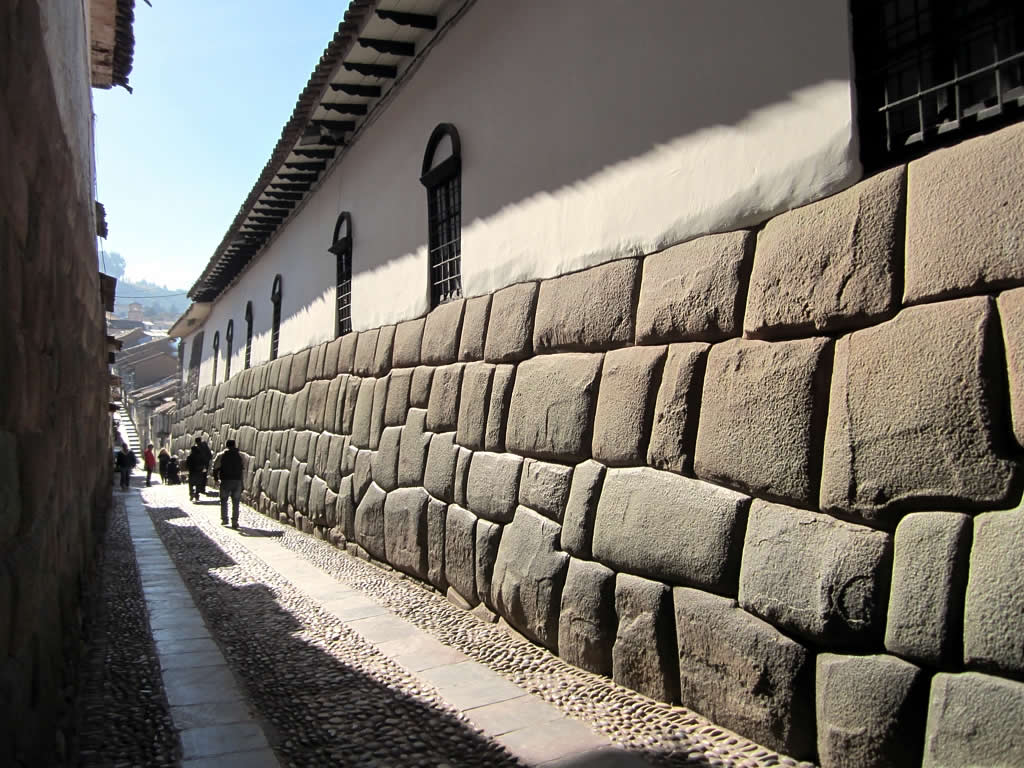
Hatun Rumiyoc Street
Ancient Incan mastery meets narrow, cobblestone charm. Spot the iconic Twelve-Angled Stone and seamless mortarless walls of the Archbishop’s Palace. Price: Free. Pro tip: Visit after 8 PM for a mystical, golden glow and fewer crowds. Check availability and explore popular experiences.
San Pedro Market
Dive into a sensory explosion of Andean life. This bustling hub features vibrant textiles, exotic fruits, and local street food. Price: Free. Pro tip: Head to the back stalls for the freshest, cheapest fruit juices in Cusco. Check availability and explore popular experiences.

Qenqo
Explore this mystical “labyrinth” of carved limestone. Check out the zigzag ceremonial channels and the eerie underground sacrificial altar. Price: ~S/70 (partial ticket). Pro tip: Visit at sunrise for a quiet, spiritual experience before the tour buses arrive. Check availability and explore popular experiences.

Tambomachay
Step into the “Inca Spa,” a serene site of tiered aqueducts and sacred fountains. Highlights: crystal-clear water channels and master stonework. Price: ~S/70 (partial ticket). Pro tip: Visit late afternoon for soft light and a peaceful, tourist-free atmosphere. Check availability and explore popular experiences.
Puca Pucara
An ancient Incan military outpost with a mystical, rosy glow. Explore the zigzagging walls and tiered terraces overlooking the valley. Entry: ~S/70 (partial ticket). Pro tip: Visit at sunset to see the stones turn a deep, fiery red. Check availability and explore popular experiences.

Must-Do Activities in Cusco
To really get the most out of your trip, I recommend checking out these experiences:
What Part of Cusco is Best for Tourists?
Stay in the Historic Center. Everything will be within a 10-minute walk. If you want something a bit more local but still close, the San Blas neighborhood is lovely—it features a bohemian, artistic vibe with narrow cobblestone streets, artisan workshops, and panoramic city views.
What to Know Before Going to Cusco
- Stick to Bottled: Tap water is not potable; only drink bottled, boiled, or filtered water to avoid illness.
- English is Common: Most locals in the tourism and service sectors speak excellent English.
- The Cusco Tourist Ticket: This essential pass provides entry to 16 major archaeological sites and museums; it is very worth it.
- Open for Business: Unlike many cities, most shops, markets, and malls in Cusco remain open on Sundays.
- Tipping is Appreciated: Aim for 10% in tourist restaurants and round up fares for taxis or local eateries.
How Many Days Do I Need in Cusco?
3 days is the ideal duration for first-time visitors to balance ancient Incan history, colonial architecture, and vibrant Andean culture.
- Day 1: Plaza de Armas, Cusco Cathedral, Qurikancha, Sacsayhuamán, Hatun Rumiyoc Street.
- Day 2: San Pedro Market, San Blas Neighborhood, Qenqo, Tambomachay, Puca Pucara.
- Day 3: Take a scenic day trip to the Sacred Valley for archaeological ruins and traditional markets.
Suggested daily budget – 75-140 EUR / 80-150 USD (Note: This covers mid-range 3-star hotels, dining at a mix of local and tourist restaurants, and guided group tours or taxis. You can go cheaper if you eat the Menu del Dia at local markets and stick to walking in the historic center.)
MONEY SAVING TIPS
- Master the Menú del Día: Skip the tourist traps and head to San Pedro or San Blas Market for a Menú del Día, where 5 to 15 soles gets you a hearty three-course meal including soup, a main like Aji de Gallina, and a drink.
- Tip-Based Trekking: Join a Free Walking Tour Cusco meeting daily at the Plaza de Armas in front of the Inca statue at 10:00 am, 12:30 pm, or 3:00 pm to explore the historic center with a local guide for just a voluntary tip.
- Value Your Transit: While there is no bike-share, the Boleto Turístico del Cusco (Cusco Tourist Ticket) is the best value “transport card” for your budget, as the 130 sole pass covers entry to 16 major sites including Sacsayhuamán and the Sacred Valley.
- Sunset at San Cristóbal: Avoid pricey rooftop bars and grab a local Cusqueña beer from a corner tienda to enjoy a sunset picnic at the Mirador de San Cristóbal, which offers the city’s most iconic panoramic view for free.
What’s the Best Month to Visit Cusco?
May and September are the sweet spots for visiting Cusco. During these months, you will enjoy mild temperatures and clear skies perfect for trekking while avoiding the peak tourist crowds of July. However, June is a magical alternative, as the city comes alive with the vibrant Inti Raymi festival and colorful traditional parades.
How to Get to Cusco
Most international travelers fly into Alejandro Velasco Astete International Airport (CUZ). Most flights arrive via Lima, which serves as the primary connection hub for travelers from the US, Europe, and other South American cities.
- From the airport: The city center is a 15–20 minute journey. A taxi typically costs between 15 and 30 PEN.
- By Train: Cusco is connected to Puno and Arequipa via the luxurious Belmond Andean Explorer and to Machu Picchu/Ollantaytambo via PeruRail and Inca Rail services.
How to Get Around Cusco
Stick to walking – it is the absolute best way to navigate.
- Car Rental: Not recommended. Narrow streets and pedestrian zones make driving difficult; use DiscoverCars only if planning regional trips to the Sacred Valley.
- Walking: Perfect and preferred for the compact, historic center and major attractions.
- Uber/Bolt: Uber is available and reliable for safe, fixed-price travel to further neighborhoods.
- Tours: Great for hassle-free visits to outer archaeological sites like Sacsayhuamán or day trips to Machu Picchu.
Tips for first-timers: Avoid overexerting yourself on day one—The high altitude can cause severe sickness if you don’t acclimate. Rest, stay hydrated, and drink coca tea to let your body adjust before exploring the steep streets!
Cusco is the kind of place that lingers in your memory. It is a city where Incan majesty and Spanish colonial grace intertwine, defined by its ancient stone-carved streets, sacred temples, and a soulful, mystical energy. This high-altitude gem invites you to slow down, leaving you with a renewed sense of wonder and a deep connection to the past.
Note: This article contains affiliate links. If you purchase something I’ve recommended, I’ll earn a small commission at no extra cost to you. I really appreciate your support and I hope this guide helps you ♡