

Get Inspired

Itineraries

Travel Guides

About Me

Top
  >  Argentina   >  Best Places to Visit in Ushuaia
best places to visit in ushuaia

Ushuaia is the epitome of dramatic Patagonian wilderness and “End of the World” romance—the southernmost city in the world, where the jagged peaks of the Andes plunge straight into the icy waters of the Beagle Channel. Often called the gateway to Antarctica, this remote yet surprisingly charming town blends raw natural power with a cozy, frontier spirit. You can sail past glaciers and penguin colonies one moment and warm up with hot chocolate in a wooden chalet the next, all while breathing in the crisp, pure air of Tierra del Fuego. It strikes a perfect balance: untamed subantarctic beauty paired with comfortable lodges, fresh seafood, and that exhilarating sense of standing at the very edge of the planet. If you’re looking for a destination that delivers awe-inspiring landscapes, unique wildlife encounters, and a profound sense of adventure, Ushuaia is the ultimate Patagonian escape for you. Keep reading for my top tips on exploring its icy wonders and remote magic.

Why Visit Ushuaia?

Ushuaia, the capital of Tierra del Fuego province, sits dramatically at the southern tip of Argentina and serves as the main gateway to Antarctica and the southern oceans. Surrounded by snow-capped mountains, dense subantarctic forests, and pristine channels, it offers some of the most spectacular and accessible wilderness experiences on Earth. Here’s why you need to put Ushuaia on your list:

  • Tierra del Fuego National Park: Argentina’s southernmost national park, where the Andes meet the sea in a stunning landscape of jagged peaks, turquoise bays, peat bogs, and lush lenga forests—perfect for hiking, scenic train rides, or simply soaking in the dramatic end-of-the-world scenery.
  • Beagle Channel: Sail these historic waters once navigated by Charles Darwin, spotting colonies of sea lions, fur seals, and a rich variety of seabirds against a backdrop of glaciers and mountains—boat tours are the best way to experience the channel’s wild beauty.
  • Martillo Island (Penguin Island): Visit this protected island to walk among thriving colonies of Magellanic and Gentoo penguins in their natural habitat—one of the most enchanting and accessible penguin experiences in Patagonia.
  • Les Eclaireurs Lighthouse: The iconic red-and-white lighthouse standing sentinel in the Beagle Channel is one of Ushuaia’s most photographed landmarks, offering a powerful symbol of isolation and beauty at the edge of the continent.
  • Martial Glacier & Cerro Martial: Take the chairlift or hike up the trails above the city for breathtaking panoramic views over Ushuaia, the Beagle Channel, and the surrounding snow-dusted peaks—especially magical in clear weather or during the long summer days.

From the crisp southern winds and glacier-carved landscapes to the warmth of its wooden cafés and the thrill of being at the literal end of the world, Ushuaia delivers raw natural majesty and unforgettable adventure in a way that’s distinctly, unforgettably Argentine.

USHUAIA KEY INFO

Everything you need to hit the ground running.

WHEN TO VISIT

December to March for hiking and penguin tours; June to September for skiing and snow activities.

HOW TO GET THERE

Fly into Ushuaia International Airport (USH). It’s a taxi or shuttle to the city center (~12-15 min).

HOW TO GET AROUND

Taxi! It is the most reliable way to reach trailheads and the airport. Use the SUBE card for city buses or the Mi Bondi app for live tracking.

IDEAL TRIP LENGTH

3-4 days for the city itself, but 5-6 days if you want to include trekking to Laguna Esmeralda or exploring Lake Fagnano.

What is Ushuaia Mainly Known For?

Ushuaia is famous for its status as the “End of the World,” representing the southernmost city on Earth. It’s also known for the Museo Maritimo y del Presidio de Ushuaia, a haunting former prison built by convicts. Beyond the sights, it’s known as the Gateway to Antarctica, where a rugged, adventurous vibe meets the wild beauty of Patagonia.

Is Ushuaia a Walkable City?

Mostly, but it’s a workout. The city center is compact and walkable, filled with charming shops and a scenic waterfront. However, many roads are incredibly steep, so be prepared for a climb!

Is it safe to walk in Ushuaia at night? Absolutely. It is one of the safest cities in Argentina. I felt completely at ease wandering late, though I always recommend using standard traveler’s common sense.

What Is the Best Neighborhood to Walk Around?

Centro is the winner, a vibrant hub nestled between the Martial Glacier and the Beagle Channel. Its steep, winding streets are lined with colorful houses and historic landmarks that overlook the cold southern waters. For something completely different, walk over to Lower Mission Neighborhood, a charming coastal district featuring vibrant street art and a unique blend of maritime heritage and subantarctic scenery.

What Are the Best Things to Do in Ushuaia? (For Your First Visit)

I visited Ushuaia without a strict day-by-day plan. I wanted to take my time, enjoy the rugged, end-of-the-world charm and alpine scenery, and see where the streets took me. I wrote down a few highlights and hit the ground running. Here are the spots I definitely recommend checking out:

Tierra del Fuego National Park

Where the Andes meet the sea. Explore Lapataia Bay and the End of the World Train. Entry is approximately $30,000 ARS. Pro tip: Hike the Senda Costera for incredible Beagle Channel views and coastal wildlife. Check availability and explore popular experiences.
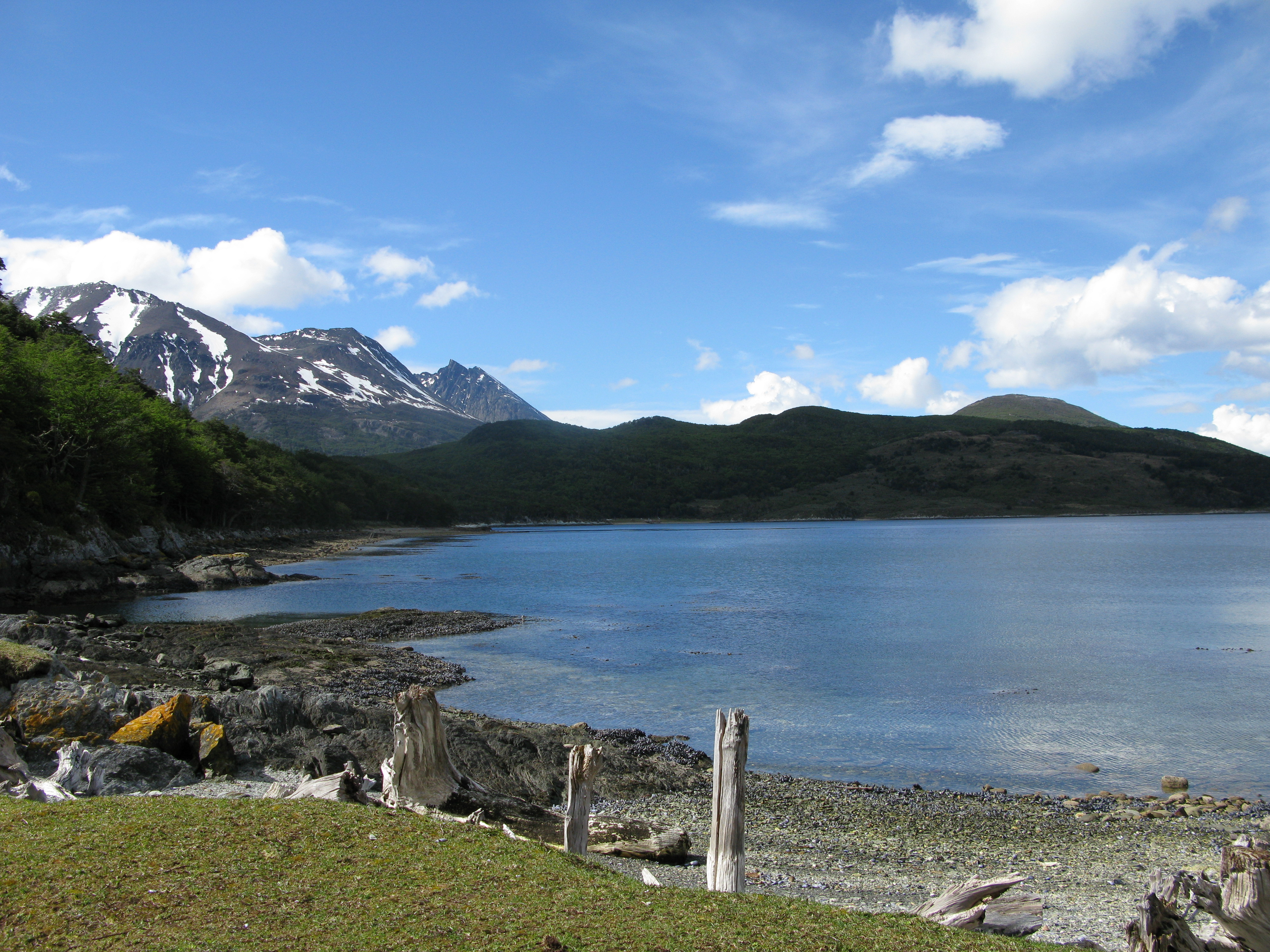
Tierra del Fuego National Park

Credit: Wikimedia Commons

Beagle Channel

Sail the wild edge of the world where the Andes meet the sea. Spot penguins, sea lions, and the iconic Les Eclaireurs Lighthouse. Price: ~$80–$150. Pro tip: Book a small yacht for a more intimate, up-close wildlife experience. Check availability and explore popular experiences.

Beagle Channel
Credit: Wikimedia Commons

Les Eclaireurs Lighthouse

Ushuaia’s iconic red-and-white sentinel offers ultimate end-of-the-world vibes. Spot sea lions and cormorants on rugged islets. Price: ~$100 (boat tour). Pro tip: Grab a seat on the catamaran’s left side for the best approach photos. Check availability and explore popular experiences.

Les Eclaireurs Lighthouse
Credit: Wikimedia Commons

Martillo Island

Walk with penguins at this end-of-the-world sanctuary. Highlights: Magellanic and Gentoo colonies in the Beagle Channel. Price: ~$185–$350. Pro tip: Book the walking tour with PiraTour early; it’s the only way to step foot on the island. Check availability and explore popular experiences.

Martillo Island
Credit: Wikimedia Commons

Southern Fuegian Railway

Ride the historic End of the World Train through stunning subantarctic forests and peat bogs. Highlights: Macarena Waterfall and Cemetery of Trees. Price: ~$40–$60 USD. Pro tip: Sit on the right side for the best valley views. Check availability and explore popular experiences.

Southern Fuegian Railway
Credit: Wikimedia Commons / https://www.flickr.com/people/lrargerich/

Museo Maritimo y del Presidio de Ushuaia

Explore this hauntingly cool former prison. Highlights: the chilling historic wing, Antarctic explorers’ tales, and maritime art. Price: ~$35 USD. Pro tip: Your ticket is valid for two days—use them to soak in the massive, absorbing atmosphere. Check availability and explore popular experiences.

Museo Maritimo y del Presidio de Ushuaia
Credit: Wikimedia Commons

Martial Glacier

Ushuaia’s backyard mountain escape. Hike through forests to reach this icy giant for epic Beagle Channel views. Price: Free (chairlift ~$12). Pro tip: Visit the tea house at the base for post-hike calafate scones and hot cocoa. Check availability and explore popular experiences.

Martial Glacier
Credit: Wikimedia Commons

Laguna Esmeralda

Trek through eerie lenga forests and peat bogs to this glowing turquoise gem. Highlights: beaver dams and the Albino Glacier. Price: Free (shuttle ~$7). Pro tip: Wear waterproof boots; the Patagonian mud is no joke! Check availability and explore popular experiences.

Laguna Esmeralda
Credit: Wikimedia Commons

Lake Fagnano

Experience this massive “sweet sea” where the Andes meet the forest. Highlights: the Magallanes fault line and rustic wooden piers. Price: Free. Pro tip: Visit the Tolhuin side for the best lakeside views and local pastries. Check availability and explore popular experiences.

Lake Fagnano
Credit: Wikimedia Commons / Luis Argerich from Buenos Aires, Argentina

Lake Escondido

Tucked in a deep Andean valley, this hidden glacial gem radiates serene, end-of-the-world vibes. Highlights: Garibaldi Pass views and lakeside kayaking. Price: Free (tours ~$70+). Pro tip: Visit at sunrise for mirror-like reflections and total mountain silence. Check availability and explore popular experiences.
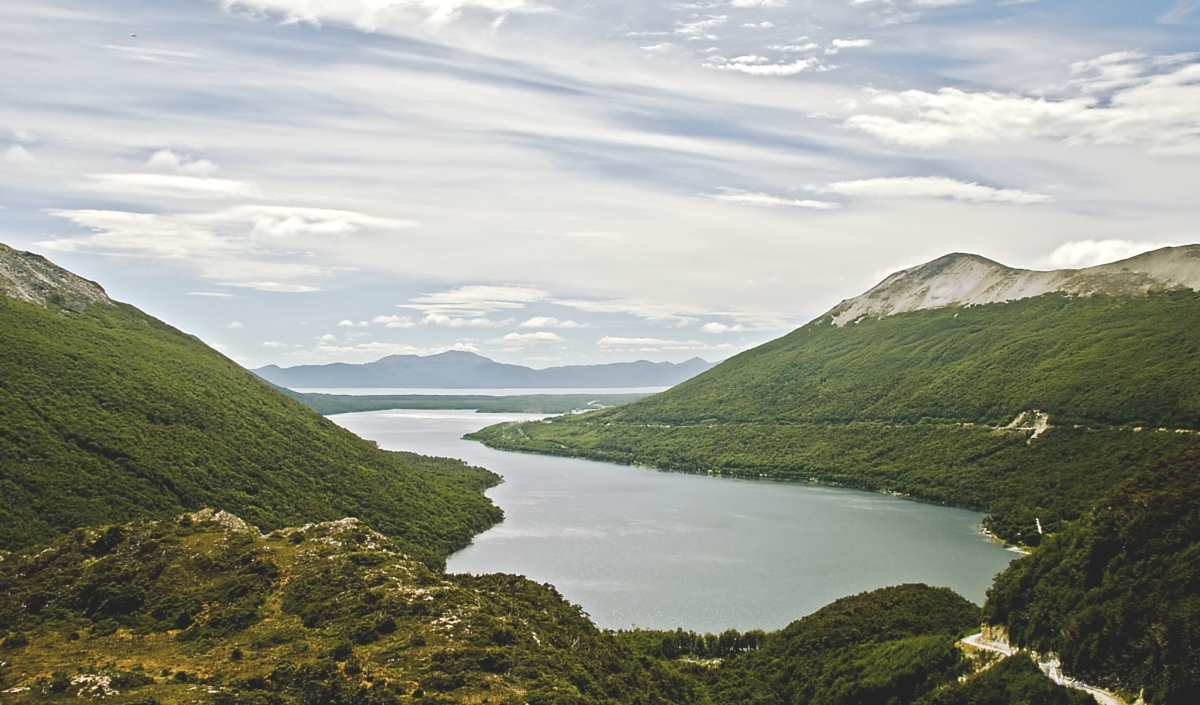
Lake Escondido
Credit: Wikimedia Commons

What Part of Ushuaia is Best for Tourists?

Stay in the Downtown Centro. Everything will be within a 10-minute walk. If you want something a bit more local but still close, the Western Waterfront Parks neighborhood is lovely—it offers a calmer vibe with scenic bay views and relaxing coastal walking paths.

What to Know Before Going to Ushuaia

  • The Tap Water is Gold: Ushuaia’s tap water is generally safe and clean to drink, sourced from mountain glaciers.
  • Functional English: Most tourism staff speak English, but many residents do not; basic Spanish is very helpful.
  • The Ushuaia Pass: This pass bundles major excursions and transfers at a discount, offering good value for short stays.
  • Sundays are Open: Most shops and the shopping mall remain open daily, including Sundays, with extensive operating hours.
  • Tipping Etiquette: Tipping is customary; leave about 10% in cash at restaurants if service was good.

How Many Days Do I Need in Ushuaia?

3 days is the ideal duration for first-time visitors to experience the “End of the World” through iconic maritime navigation, mountain trekking, and historic landmarks.

  • Day 1: Beagle Channel, Les Eclaireurs Lighthouse, Martillo Island, Isla de los Lobos, Ushuaia Waterfront.
  • Day 2: Tierra del Fuego National Park, End of the World Train, Museo Maritimo y del Presidio de Ushuaia, Lapataia Bay.
  • Day 3: A scenic day trip to the turquoise waters of Laguna Esmeralda or the Garibaldi Pass for views of Lake Escondido and Lake Fagnano.

Suggested daily budget – 136-200 EUR / 150-220 USD (Note: This covers private hotel rooms, restaurant dining mixed with some self-catering, and multiple professional tours. You can go cheaper if you cook your own meals and prioritize free hiking trails).

MONEY SAVING TIPS

  1. Eat Like a Local: Skip the pricey king crab and head to Dieguito or Doña Lupita for a hearty “Menú del Día” or grab some affordable empanadas and pizzas to take back to your hostel.
  2. Tip-Based Trekking: Join a Free Walking Tour of Ushuaia to learn about the city’s history and the “Prisoners’ Road”; tours typically meet at Plaza Cívica and operate on a pay-what-you-wish basis.
  3. Card Over Cash: Purchase a SUBE card for approximately $880 ARS at local kiosks to access the most economical way to get around using the city’s bus network.
  4. Sunset at the Bay: Grab a local Cap Horn glacier water beer from a supermarket and head to the “End of the World” sign or the Paseo del Centenario viewpoint for stunning Beagle Channel views without the bar tab.

What’s the Best Month to Visit Ushuaia?

March and October are the sweet spots for visiting Ushuaia. During these shoulder-season months, you’ll enjoy milder weather and fewer crowds while the trails remain accessible for hiking. However, January is a magical alternative, offering the longest daylight hours and peak wildlife activity, including the best opportunities for seeing penguin colonies in the Beagle Channel.

How to Get to Ushuaia

Most international travelers fly into Malvinas Argentinas International Airport (USH). While there are no direct flights from the US or Europe, key connection hubs include Buenos Aires, Córdoba, and seasonal flights from São Paulo.

  • From the airport: The city center is a 10–15 minute drive. Taxis and private transfers are the primary options, costing approximately $5–$15 USD. There is no public bus service.
  • Inter-island/Regional: Ferries across the Beagle Channel connect Ushuaia to Puerto Williams, Chile. Regular buses also run to Punta Arenas and Río Gallegos.

How to Get Around Ushuaia

Use taxis and shuttles – they are the most convenient way to reach major sights.

  • Car Rental: Recommended for maximum flexibility to explore Tierra del Fuego at your own pace; use DiscoverCars to compare local rates.
  • Walking: Excellent for the compact city center and waterfront, but impossible for reaching distant parks or glaciers.
  • Uber/Bolt: Uber is available and regulated, offering a reliable alternative to traditional taxis.
  • Tours: Perfect for non-drivers to access the Beagle Channel, National Park, and remote trailheads effortlessly.

Tips for first-timers: Avoid wearing non-waterproof shoes—The region’s peat bogs and frequent rain will leave your feet soaked and freezing. Use sturdy, 100% waterproof trekking boots to stay dry and comfortable on the unpredictable Patagonian terrain!

Ushuaia is the kind of place that steals your heart. It is a land of raw, untamed beauty where the jagged Andes meet the icy silence of the Beagle Channel. This end-of-the-world sanctuary, defined by its haunting maritime history and subantarctic forests, invites you to find solace in the wild. It leaves you with a renewed sense of wonder.

Note: This article contains affiliate links. If you purchase something I’ve recommended, I’ll earn a small commission at no extra cost to you. I really appreciate your support and I hope this guide helps you ♡

post a comment