

Get Inspired

Itineraries

Travel Guides

About Me

Top
  >  Argentina   >  Best Places to Visit in Buenos Aires
best places to visit in buenos aires

Buenos Aires is the epitome of passionate Latin elegance—a vibrant, soul-stirring capital where European grandeur collides with fiery Argentine spirit in the most intoxicating way. Known as the “Paris of South America,” this city pulses with tango rhythms, world-class steak and Malbec, colorful street art, and an unapologetic love for life that spills onto every sidewalk café and milonga floor. You can wander grand boulevards lined with Belle Époque architecture one moment and watch couples dance tango in a dimly lit plaza the next, all while the scent of fresh empanadas and espresso lingers in the air. It strikes a perfect balance: sophisticated Old World charm wrapped in raw, emotional Latin energy and creative flair. If you’re looking for a destination that awakens all your senses with romance, culture, and unforgettable nights, Buenos Aires is the South American city for you. Keep reading for my top tips on diving into its tango soul and hidden corners.

Why Visit Buenos Aires?

Buenos Aires is Argentina’s cosmopolitan heart, a sprawling yet walkable metropolis that blends architectural beauty, rich history, world-renowned food and wine, and an infectious artistic energy. From its European-inspired neighborhoods to its passionate cultural traditions, it offers a sophisticated, lively experience that feels both timeless and electric. Here’s why you need to put Buenos Aires on your list:

  • Teatro Colón: One of the world’s most spectacular opera houses, this opulent 1908 masterpiece boasts perfect acoustics, gilded interiors, and a stunning dome—take a tour or catch a performance for a truly unforgettable cultural highlight.
  • Recoleta Cemetery: A hauntingly beautiful open-air museum of marble mausoleums and elaborate tombs, where Eva Perón rests among Argentina’s elite—wander its tree-lined paths for a fascinating glimpse into the city’s history and architecture.
  • El Ateneo Grand Splendid: Housed in a breathtaking converted 1919 theater, this is often called the world’s most beautiful bookstore—browse shelves beneath a frescoed ceiling and velvet balconies for a magical literary experience.
  • Casa Rosada & Plaza de Mayo: The iconic pink presidential palace overlooking the historic main square, famous as the balcony where Evita addressed the crowds—symbol of Argentina’s dramatic political past and a must-see for understanding the city’s soul.
  • Caminito in La Boca: A vibrant, colorful pedestrian street lined with brightly painted tin houses, tango performers, and street art that captures the immigrant spirit and working-class roots of Buenos Aires—perfect for photos, live music, and authentic local flavor.

From its passionate tango nights and jacaranda-lined avenues to its world-class steaks, historic plazas, and creative neighborhoods like Palermo and San Telmo, Buenos Aires delivers romance, culture, and raw energy in a way that’s distinctly, unforgettably Argentine.

BUENOS AIRES KEY INFO

Everything you need to hit the ground running.

WHEN TO VISIT

September to November for mild weather and jacaranda blossoms; March to May for golden foliage and fewer crowds.

HOW TO GET THERE

Fly into Ministro Pistarini International Airport (EZE). It’s a private transfer or taxi to the city center (~45-50 min).

HOW TO GET AROUND

Subte! It is the fastest way to dodge city traffic and reach top sights. Use a rechargeable SUBE card or a contactless credit card for easy entry.

IDEAL TRIP LENGTH

3-4 days for the city itself, but 5-6 days if you want to include day trips to Tigre Delta, San Antonio de Areco, or Colonia del Sacramento.

What is Buenos Aires Mainly Known For?

Buenos Aires is famous for being the birthplace of tango, a sensual dance born in its working-class immigrant neighborhoods. It’s also known for the Teatro Colon, a world-class opera house celebrated for its palatial grandeur and perfect acoustics. Beyond the sights, it’s known as the Paris of South America for its elegant European-style architecture and sophisticated cultural vibe.

Is Buenos Aires a Walkable City?

100% yes. Buenos Aires is incredibly flat and filled with wide, tree-lined sidewalks and pedestrian-only zones. I loved wandering through neighborhoods like Palermo and Recoleta, soaking in the European-style architecture without the constant noise of traffic.

Is it safe to walk in Buenos Aires at night?
Generally, yes. Most tourist areas are lively and safe. I’ve always felt at ease, though I recommend using standard traveler’s common sense.

What Is the Best Neighborhood to Walk Around?

San Telmo is the winner. As the city’s oldest district, its narrow cobblestone streets are a nostalgic tapestry of fading colonial elegance and wrought-iron balconies. For something completely different, walk over to Palermo Soho, a trendy, bohemian hub where vibrant street art, independent boutiques, and a modern, creative energy pulse through its leafy, tree-lined avenues.

What Are the Best Things to Do in Buenos Aires? (For Your First Visit)

I visited Buenos Aires without a strict day-by-day plan. I wanted to take my time, enjoy the European-influenced architecture and passionate tango scene, and see where the streets took me. I wrote down a few highlights and hit the ground running. Here are the spots I definitely recommend checking out:

Teatro Colon

World-class acoustics meet palatial grandeur in this iconic opera house. Marvel at the Salón Dorado and the massive chandelier. Tours cost around $30. Pro tip: Check the official website for last-minute performance tickets to experience the legendary sound. Check availability and explore popular experiences.

Teatro Colon
Credit: Wikimedia Commons

Casa Rosada

The heartbeat of Argentine politics, this iconic baby-pink palace oozes history and power. Highlights: Evita’s balcony and the Hall of Busts. Price: Free (tours must be pre-booked). Pro tip: Visit at night when hot pink floodlights make it glow. Check availability and explore popular experiences.

Casa Rosada
Credit: Wikimedia Commons

Metropolitan Cathedral

Argentina’s neoclassical soul. Explore Pope Francis’s former archdiocese and San Martín’s grand mausoleum. Vibe: historic and serene. Price: Free. Pro tip: Look up to see the 3,500-pipe German organ and stunning Venetian floor mosaics. Check availability and explore popular experiences.

Metropolitan Cathedral
Credit: Wikimedia Commons

Caminito

La Boca’s colorful, open-air museum is a tango-fueled dream. Highlights: vibrant painted houses and street dancers. Price: Free. Pro tip: Visit before 4 PM to skip the largest crowds and stay in the main tourist loop for safety. Check availability and explore popular experiences.

Caminito
Credit: Wikimedia Commons / Hernán Piñera

Recoleta Cemetery

Explore this hauntingly beautiful city of the dead. Highlights: Evita Perón’s tomb and stunning Art Deco mausoleums. Price: ~$13 (credit card only). Pro tip: Go early to dodge the tour groups and capture the best light. Check availability and explore popular experiences.

Recoleta Cemetery
Credit: Wikimedia Commons

El Ateneo Grand Splendid

A literal book palace in a 1919 theater. Browse the balconies, admire the frescoed dome, and grab a coffee on the original stage. Price: Free. Pro tip: Snag a theater box for the ultimate private reading nook. Check availability and explore popular experiences.

El Ateneo Grand Splendid
Credit: Wikimedia Commons / Roberto Fiadone

Obelisco

The ultimate BA icon. This soaring monument is the city’s pulse and a soccer celebration hub. Highlights: 360-degree views and 16-lane street vistas. Price: ~$15 for the new elevator. Pro tip: Visit at sunset for a neon-lit glow. Check availability and explore popular experiences.

Obelisco
Credit: Wikimedia Commons

Plaza de Mayo

The heartbeat of Argentine history. Soak in the revolutionary vibe of this iconic square. Highlights: Casa Rosada and the Metropolitan Cathedral. Price: Free. Pro tip: Visit Thursdays at 3:30 PM to witness the moving Mothers of Plaza de Mayo march. Check availability and explore popular experiences.

Plaza de Mayo
Credit: Wikimedia Commons

MALBA

A sleek, light-filled hub for Latin American masterpieces. Highlights: Frida Kahlo’s self-portraits and Tarsila do Amaral’s Abaporu. Price: ~$10 (half-off on Wednesdays). Pro tip: Grab a coffee at the park-view cafe after browsing the avant-garde cinema schedule. Check availability and explore popular experiences.
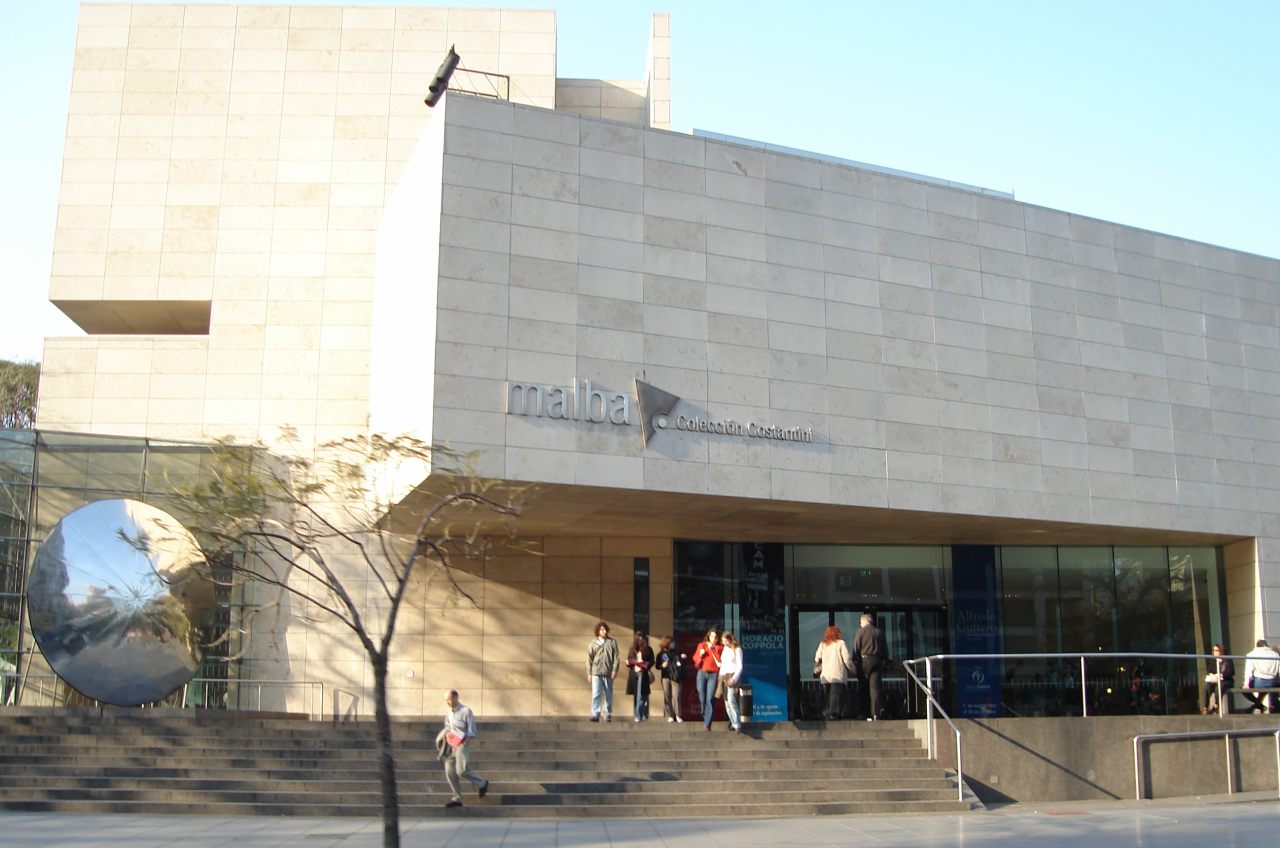
MALBA

Credit: Wikimedia Commons

Puente de la Mujer

Puerto Madero’s sleek, rotating centerpiece mimics a tango couple in motion. Highlights: striking architecture and sunset waterfront views. Price: Free. Pro tip: Visit at night to see it beautifully illuminated and catch the neighborhood’s trendy evening vibe. Check availability and explore popular experiences.

puente de la mujer buenos aires

Credit: Wikimedia Commons

What Part of Buenos Aires is Best for Tourists?

Stay in the Centro. Everything will be within a 15-minute walk. If you want something a bit more local but still close, the Palermo Soho district is lovely—it features a trendy culinary scene, boutique shopping, and leafy, cobblestone streets.

What to Know Before Going to Buenos Aires

  • The Tap Water is Gold: Tap water is safe to drink and high quality throughout most of Buenos Aires.
  • English is Common: Proficiency is high in tourist areas and among younger generations, but some Spanish helps.
  • The SUBE Card: Essential for all public transport; buy it at kiosks and top it up for easy travel.
  • Sunday Market Vibe: Most shops close, but malls stay open and San Telmo’s massive street fair comes alive.
  • Tipping is Customary: Leave 10% in cash at restaurants; credit card receipts do not have a tip line.

How Many Days Do I Need in Buenos Aires?

3 days is the ideal duration for first-time visitors to experience the city’s blend of European elegance, revolutionary history, and vibrant tango culture.

  • Day 1: Plaza de Mayo, Casa Rosada, Metropolitan Cathedral, Teatro Colon, Obelisco.
  • Day 2: Recoleta Cemetery, El Ateneo Grand Splendid, MALBA, Caminito, Puente de la Mujer.
  • Day 3: Take a scenic day trip to the Tigre Delta to explore its unique islands and riverside markets.

Suggested daily budget – 65-115 EUR / 70-120 USD (Note: This covers mid-range 3-star or boutique hotels, dining at local parrillas and cafes, and public transportation or occasional taxis. You can go cheaper if you eat empanadas and choripán from street stalls or visit free cultural centers).

MONEY SAVING TIPS

  1. Master the Menú Ejecutivo: Look for restaurants offering a fixed-price Menú Ejecutivo or Menú del Día during weekday lunches, typically ranging from $8,000 to $20,000 ARS for a main dish, drink, and sometimes dessert or coffee.
  2. Tip-Based Trekking: Join a Free Walking Tour meeting daily at iconic spots like the corner of Libertad and Viamonte (next to Teatro Colón) at 10:30 AM or Congress Square at 3:00 PM to explore the city’s history for just a voluntary tip.
  3. Ride Like a Local: Purchase a SUBE card for approximately $490 ARS at any “kiosko” or subte station to access the cheapest fares on buses (colectivos), the subway (Subte), and trains throughout the city.
  4. Sunset at Puerto Madero: Skip the pricey waterfront bars and grab a store-bought beer or wine to enjoy a picnic at the Reserva Ecológica Costanera Sur or along the docks near the Puente de la Mujer for the best sunset views.

What’s the Best Month to Visit Buenos Aires?

April and October are the sweet spots for visiting Buenos Aires. These months offer mild, pleasant temperatures perfect for exploring outdoor cafes and historic neighborhoods while avoiding the intense summer humidity and peak tourist crowds. However, November is a magical alternative, as the city’s streets transform with the vibrant purple blooms of thousands of jacaranda trees.

How to Get to Buenos Aires

Most international travelers fly into Ministro Pistarini International Airport (EZE). It serves as a major hub with direct connections from Miami, New York, Madrid, Paris, and London.

  • From the airport: A private transfer or taxi to the city center takes 45–60 minutes and costs approximately $25–$40. Public bus line 8 is a budget option, costing under $1, but takes up to 2 hours.
  • By Train: Retiro and Constitución stations connect Buenos Aires to domestic destinations like Mar del Plata, Rosario, and Córdoba.

How to Get Around Buenos Aires

Use the Subte and colectivos – it is the absolute best way to navigate.

  • Car Rental: Not recommended. Traffic is heavy and public transit is extensive; use DiscoverCars only for trips to the pampas or Estancias.
  • Walking: Excellent for exploring central neighborhoods like San Telmo, Recoleta, and Palermo, which are very pedestrian-friendly.
  • Uber/Bolt: Uber, Cabify, and DiDi are all widely available, reliable, and affordable for point-to-point travel.
  • Tours: Great for hassle-free visits to La Boca or day trips to Tigre and the Delta.

Tips for first-timers: Avoid relying on credit cards for everything—Many small shops and markets offer steep discounts for cash, and international fees can add up. Use a SUBE card for public transit and carry some pesos for better deals!

Buenos Aires is the kind of place that steals your heart. It is a passionate symphony of grand European architecture, nostalgic tango rhythms, and a restless, vibrant energy that pulses through every barrio. As you leave its sun-drenched plazas and storied streets, it leaves you with a renewed sense of wonder and a deep connection to its soul.

Note: This article contains affiliate links. If you purchase something I’ve recommended, I’ll earn a small commission at no extra cost to you. I really appreciate your support and I hope this guide helps you ♡

post a comment