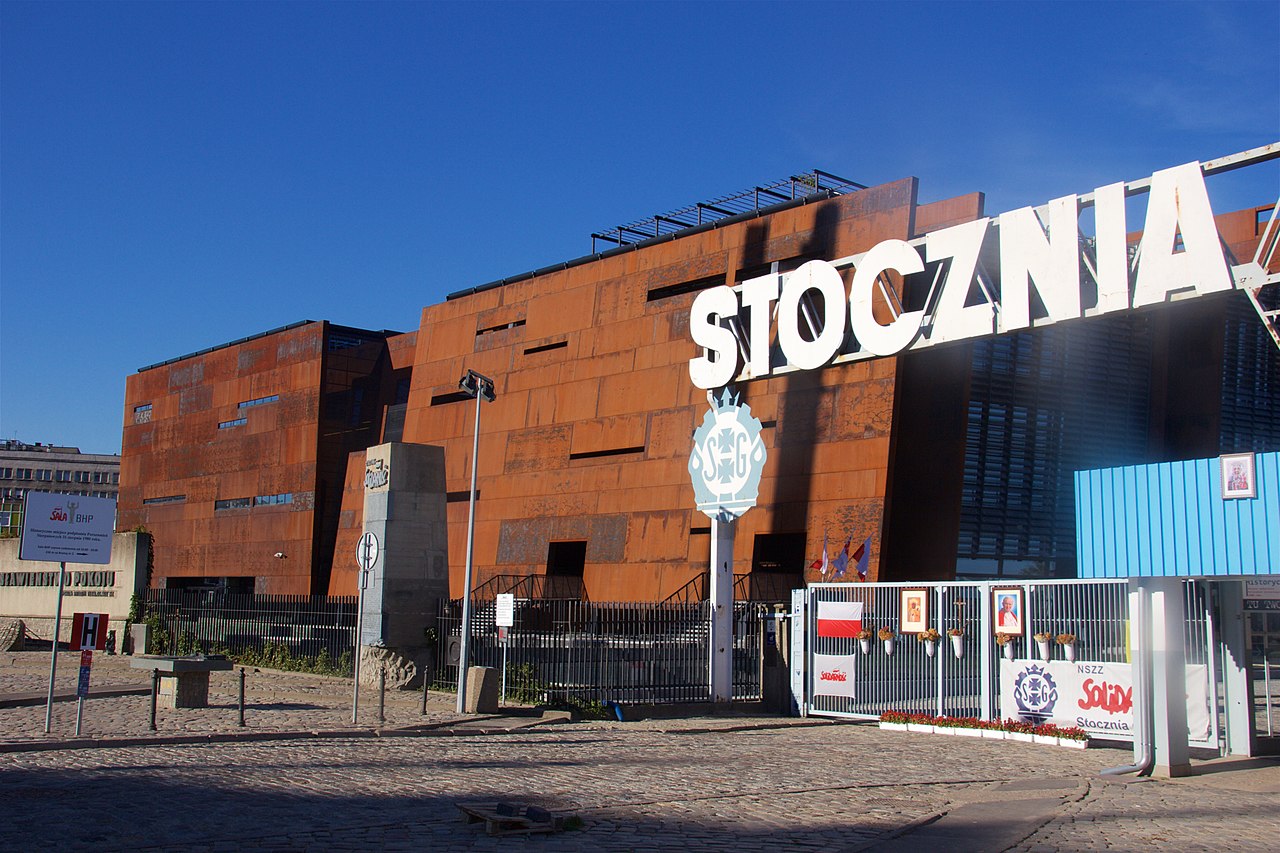






Description
Welcoming over one million visitors in its debut year alone, the Museum of Tomorrow stands as Rio’s most striking neofuturistic landmark. Exploring this Santiago Calatrava-designed masterpiece truly hits different, offering a profound, sensory journey into the planet’s future that makes you feel as though you are stepping into the very soul of tomorrow.
Why is this experience so famous?
The Museum of Tomorrow is consistently ranked as a top experience in Brazil and is an award-winning architectural icon that has redefined Rio’s skyline. People rave about its perfect blend of neofuturistic design and interactive science, with the immersive 360-degree “Cosmos” film and the stunning “Puffed Star II” sculpture serving as major crowd-pleasers. It is a must-do because it is not just a museum visit; it is a profound cultural deep dive that challenges your perception of the planet’s future, making it an essential, high-energy centerpiece of any trip to Rio de Janeiro.
Is it worth visiting?
Absolutely, especially if you are seeking a mind-blowing, cutting-edge experience that blends science, art, and futuristic architecture. You will be completely transported by the immersive 360-degree Cosmos film and the stunning reflects of the Santiago Calatrava-designed building, which features moving solar ‘wings’ that track the sun. The atmosphere is deeply reflective and visionary, offering a unique journey through the challenges of our planet that is considered a true cultural beacon of Rio. This attraction is consistently ranked as a must-visit landmark and has earned prestigious international awards for its innovative, sustainable design. Skip the hassle of waiting in line, book online today to reserve now and pay later, and benefit from free cancellation.
What’s the best time to visit?
For the best experience, visit during the shoulder seasons of March to May or September to October for pleasant weather and manageable crowds. Summer (December-February) brings intense heat and peak-season prices. Insider tip: visit right at opening (10 AM) on weekdays to beat the rush. Avoid Tuesdays if you want to skip the largest crowds, as the museum offers free entry to everyone.
How much time should I allow for this experience?
Allow a total of 2 to 3 hours for a comprehensive visit. A basic walkthrough of the five main exhibition areas—Cosmos, Earth, Anthropocene, Tomorrow, and Us—typically takes about 1.5 to 2 hours. If you plan to engage deeply with the interactive sustainability games, watch the full 8-minute immersive films, and explore temporary galleries, budget for a thorough 3 hours. It is wise to include a 30 to 45 minute buffer for security checks and potential queues at the popular 360-degree video experience, especially on weekends or free Tuesdays. For the best logistics, schedule your visit for the early morning at 10:00 AM to beat the largest crowds, leaving your afternoon free to explore the surrounding Olympic Boulevard and Porto Maravilha district.
Is it better to go in the morning or afternoon?
This is a great question, and the ideal time for your visit depends on whether you value a peaceful atmosphere or a dramatic visual finale.
The Morning Advantage: Arriving right at opening (10:00 AM) is the ultimate move for the savvy traveler. You benefit from the fewest crowds, allowing you to engage with the interactive, science-based exhibits at your own pace. The morning light also perfectly illuminates Santiago Calatrava’s neofuturistic white structure against the blue of Guanabara Bay, making it the best time for crisp, clean architectural photography.
The Afternoon Advantage: A late afternoon visit offers a more relaxed, contemplative vibe. As you emerge from the immersive journey through the “Anthropocene” and “Tomorrow” exhibits, you are greeted by the spectacular Rio sunset. The reflection pools surrounding the museum mirror the changing colors of the sky, transforming the building into a glowing, floating illusion.
My Recommendation: For a world-class science museum of this caliber, my recommendation is the Morning. To truly absorb the profound narrative and engage with the multimedia experiments without the distraction of peak-hour crowds, a fresh start is essential.
Insider Tip: Aim for the 10:00 AM or 11:00 AM entry slot on a Thursday. Avoid Tuesdays at all costs unless you are on a strict budget, as the free admission makes it the most congested day of the week.
Starting your day at the Museum of Tomorrow sets you up perfectly for a sophisticated afternoon. After your visit, you are ideally positioned to enjoy a scenic walk along the Olympic Boulevard to see the Kobra Mural, followed by a late lunch at one of the renovated warehouses in the Porto Maravilha district, seamlessly connecting your morning of science with an afternoon of Rio’s modern culture.
In summary, this is a must-do, visionary architectural experience that offers a profound look into the future through immersive science exhibits. Plan to allow approximately 2 hours for your visit, and the best seasons are Spring or Fall for the most comfortable weather in Rio. Booking online offers great flexibility with reserve now and pay later options and free cancellation benefits. Secure your tickets now.
Copyright & Affiliate Notice: Image Credit: Wikimedia Commons – Image licensed under Creative Commons via Wikimedia Commons. This site contains affiliate links. We may earn a commission if you buy through our links – at no extra cost to you.