




Description
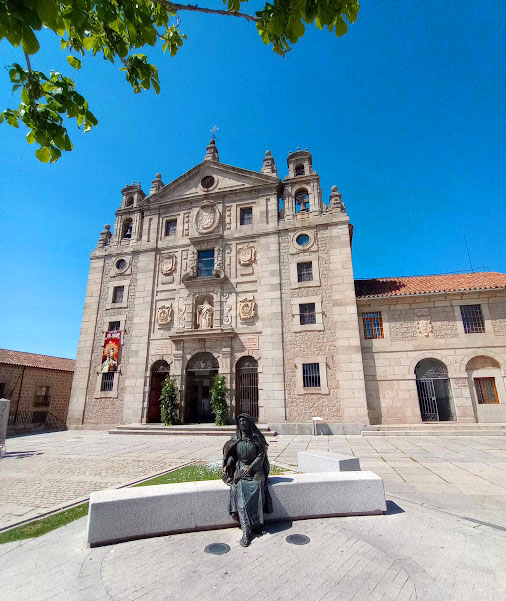
Founded in 1685, the Santa Teresa Convent Museum houses one of the most significant collections of religious art in all of Latin America. Stepping into this preserved 17th-century cloister hits different, as you wander through silent courtyards and Baroque galleries that reveal the profound, hidden soul of Potosí’s colonial history.
Why is this experience so famous?
Santa Teresa Convent Museum is consistently ranked as a premier cultural landmark in Potosi and is celebrated in travel guides as home to one of the most significant collections of religious art in Latin America. People rave about the stunning 17th-century Baroque architecture and the fascinating, sometimes macabre, relics that offer a raw glimpse into the cloistered lives of the Carmelite nuns. It is an absolute must-do because it is not just a tour; it is an intense cultural deep dive into the spiritual heart of the Andes, where you will discover breathtaking altarpieces and historic masterpieces that bring centuries of tradition to life.
Is it worth visiting?
Absolutely, especially if you are a fan of 17th-century history and religious art. You will be captivated by this Baroque masterpiece, where you can explore the birthplace of Saint Teresa of Avila and view her sacred relics alongside a stunning collection of historic art. The atmosphere is deeply spiritual and serene, offering a high-quality cultural experience with knowledgeable guides that provides great value for visitors. This iconic site is a top-rated attraction in Potosi, consistently earning positive reviews for its architectural beauty and heritage. Skip the hassle of waiting and book online today to reserve now and pay later, while benefiting from the flexibility of free cancellation.
What’s the best time to visit?
For the best experience, visit during the dry season from May to October for clear, sunny days, though nights are cold. High season brings larger crowds, so aim for April or September for milder weather and fewer tourists. Insider tip: Visit on a weekday morning right at 9 AM to enjoy the Baroque art and cloisters in a more tranquil, reflective atmosphere.
How much time should I allow for this experience?
Allow a total of 1.75 to 2 hours for a basic guided visit focused on the main cloister highlights and the sacred art collection. If you plan for a more thorough experience, including detailed exploration of the colonial courtyards, the historic gardens, and the various museum exhibits, budget for a complete 3 to 4 hours. Always allow an extra 15 to 20 minutes of buffer time for the entry process and coordinating with a guide, as tours are often required to navigate the convent. This museum is an excellent place to kick off a day of sightseeing and can be easily scheduled for an efficient morning slot before heading to nearby attractions like the National Mint.
Is it better to go in the morning or afternoon?
This is an excellent question, and the ideal time to visit the Santa Teresa Convent Museum depends on whether you prefer a focused start to your day or a more atmospheric, quiet afternoon.
The Morning Advantage: Visiting during the morning session (9:00 AM – 11:00 AM) is perfect for the proactive traveler. You benefit from the crisp Potosí air and the best natural light for viewing the intricate Baroque architecture and sacred relics. Being among the first visitors ensures you beat any midday congestion and can enjoy the spiritual silence of the cloister in its purest form.
The Afternoon Advantage: The afternoon session (2:30 PM – 4:30 PM) offers a more relaxed, contemplative vibe. As the sun begins to dip, the shadows play beautifully across the 17th-century courtyards, highlighting the textures of the stone and colonial art. It is often the quieter choice for those who want to avoid the main morning tour groups.
My Recommendation: For a museum of this historical and spiritual depth, my recommendation is the Morning session. Museums and historical sites are best experienced when your mind is fresh and the environment is at its quietest. Starting here allows you to fully absorb the weight of the history without the fatigue of a full day of sightseeing.
Insider Tip: Plan to arrive exactly at 9:00 AM or 2:30 PM to secure a spot on the first guided tour of the session. These tours are essential for accessing the most hidden corners of the convent and hearing the stories behind the relics, which you might miss if you arrive mid-session.
Visiting in the morning sets you up perfectly for a colonial-style lunch in the historic center. After your two-hour journey through the convent, you’ll be just a short walk from the National Mint of Bolivia, allowing you to seamlessly connect two of Potosí’s most iconic landmarks before the day is through.
In summary, this is a must-do, spiritually enriching experience that offers a profound look into Potosí’s 17th-century colonial and religious heritage. Plan to allow approximately 2 hours for your visit, with the best time to explore being the dry season from May to October. Booking online provides the convenience of reserving now and paying later with free cancellation benefits. Secure your tickets now.
Copyright & Affiliate Notice: Image Credit: Wikimedia Commons – Image licensed under Creative Commons via Wikimedia Commons. This site contains affiliate links. We may earn a commission if you buy through our links – at no extra cost to you.