If you’re dreaming of a trip to Austria, you’re in for a treat. I’ve spent a ton of time wandering this alpine gem—hiking misty mountain trails, diving into rich coffee-house culture, and chasing that perfect Sachertorte after a day of palace-hopping. Austria’s got it all: imperial grandeur in grand cities, fairy-tale villages tucked against crystal lakes, dramatic peaks for adventure, and a laid-back “Gemütlichkeit” vibe that makes you feel instantly at home. Whether you’re a history nerd, classical-music fan, outdoor junkie, or just hunting epic photos, Austria’s spots deliver every time. Let me take you through my top picks for the best cities to visit, complete with practical tips and a sprinkle of my own adventures to help you plan smart and travel better.
Austria is a country that hits all the senses. From the waltz-filled ballrooms and elegant boulevards of Vienna to the soaring Alps framing every view in Innsbruck, every place has its own distinct energy. I’ve narrowed it down to five must-visit spots that’ll give you the full Austrian experience: Vienna, Salzburg, Innsbruck, Hallstatt, and Graz. Each one brings something unique—big-city buzz, baroque charm, mountain thrills, postcard perfection, or that cool university edge—and I’ll link you straight to detailed guides so you can dive deeper. Plus, I’ve packed in real-talk costs, money-saving hacks, and what it actually feels like to roam these streets so you can hit the ground running.
Top Cities to Visit in Austria
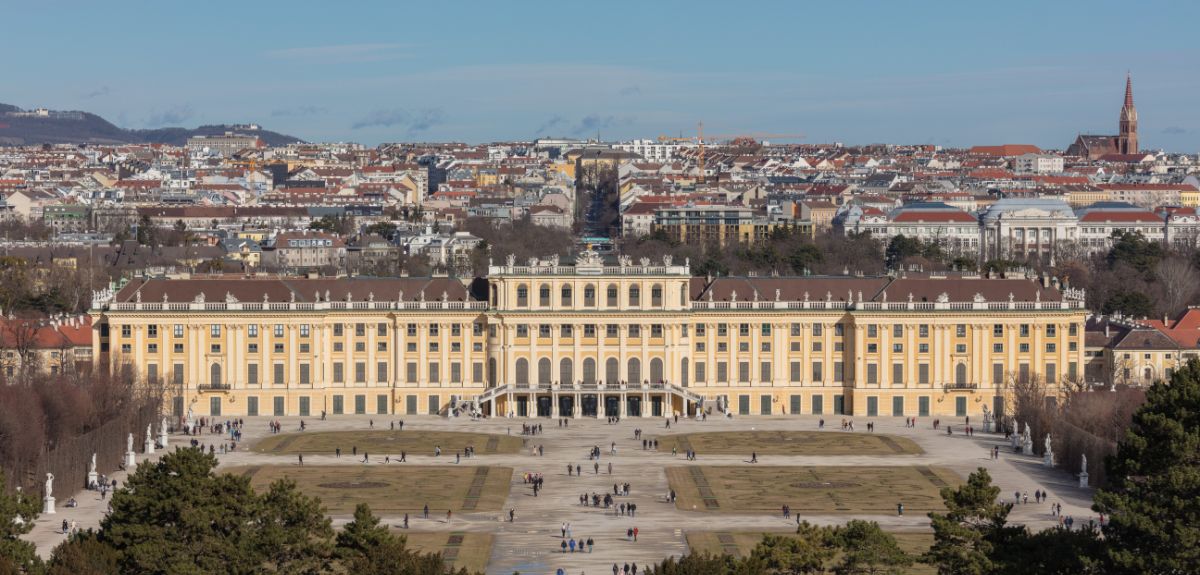
- Vienna: Austria’s elegant capital on the Danube, mixing opulent palaces like Schönbrunn with world-class art museums, legendary coffee houses, and a nightlife that swings from opera to rooftop bars.
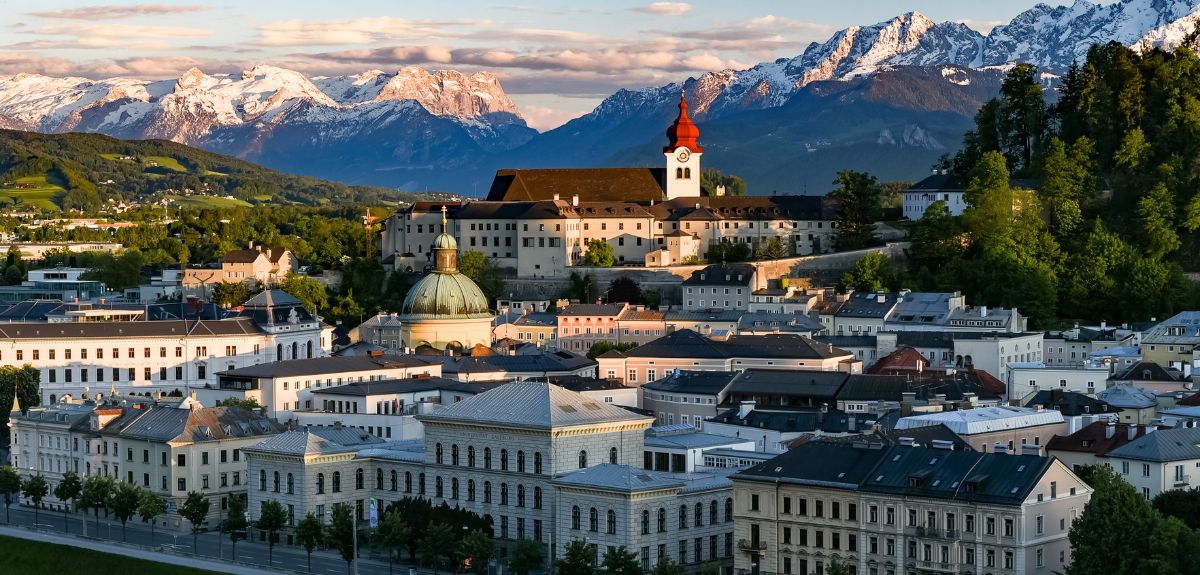
- Salzburg: Mozart’s birthplace and Sound of Music country—a compact baroque beauty with a fortress-topped hill, charming old town alleys, and jaw-dropping Alpine backdrops.
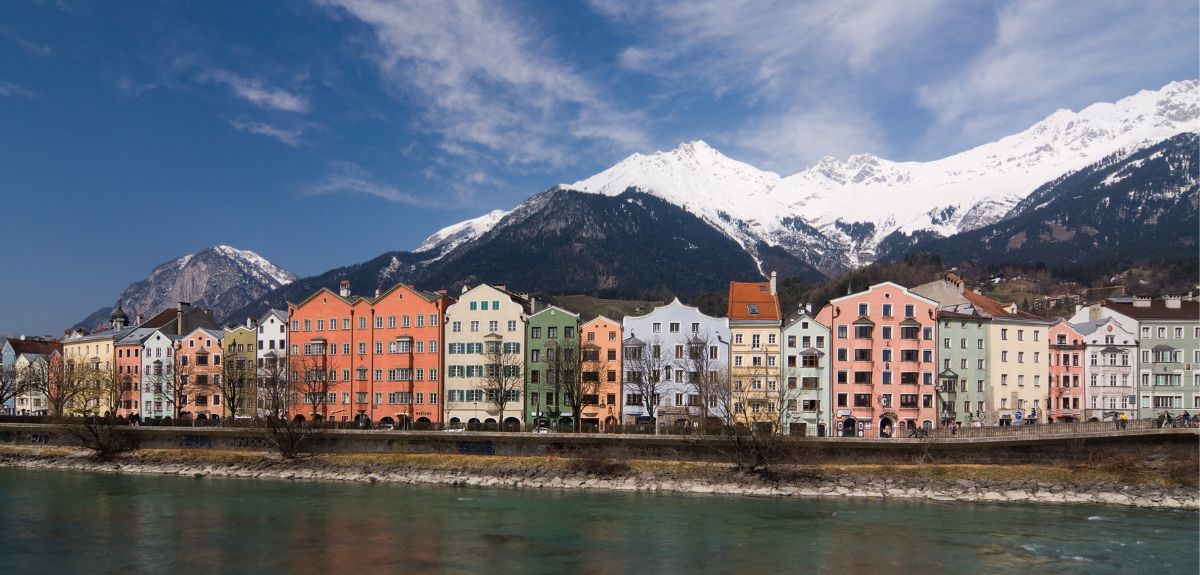
- Innsbruck: The ultimate Tyrolean Alpine city, where a colorful medieval old town meets snow-capped peaks you can reach by cable car in minutes—perfect for city-meets-mountains vibes.
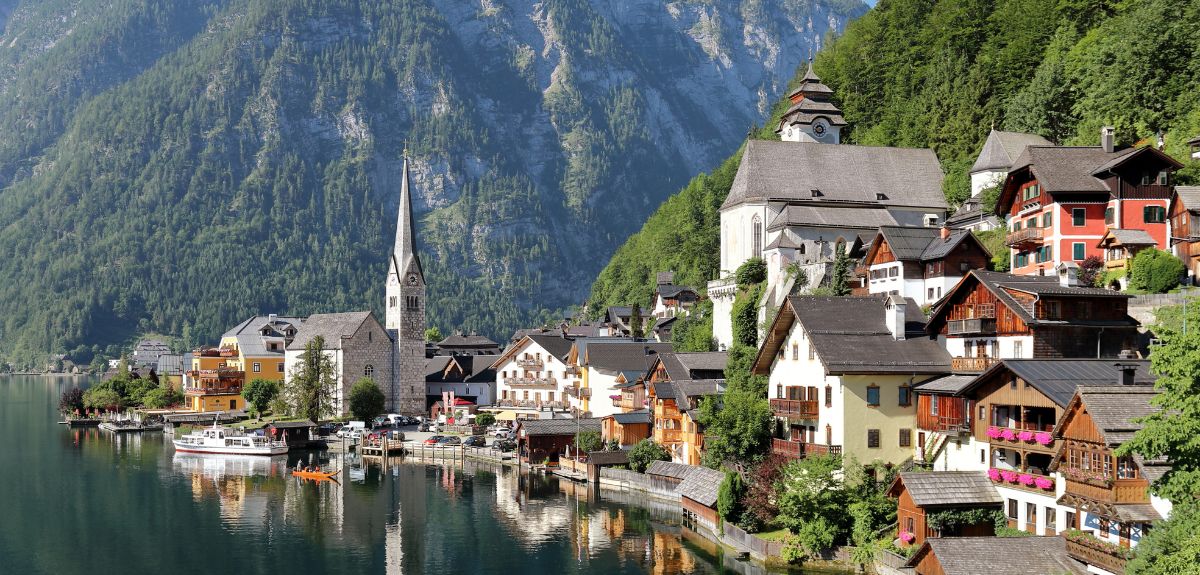
- Hallstatt: This tiny UNESCO-listed lakeside village is pure magic—think colorful houses hugging a glassy lake, salt mines you can tour, and mountains so close they feel like your backyard.
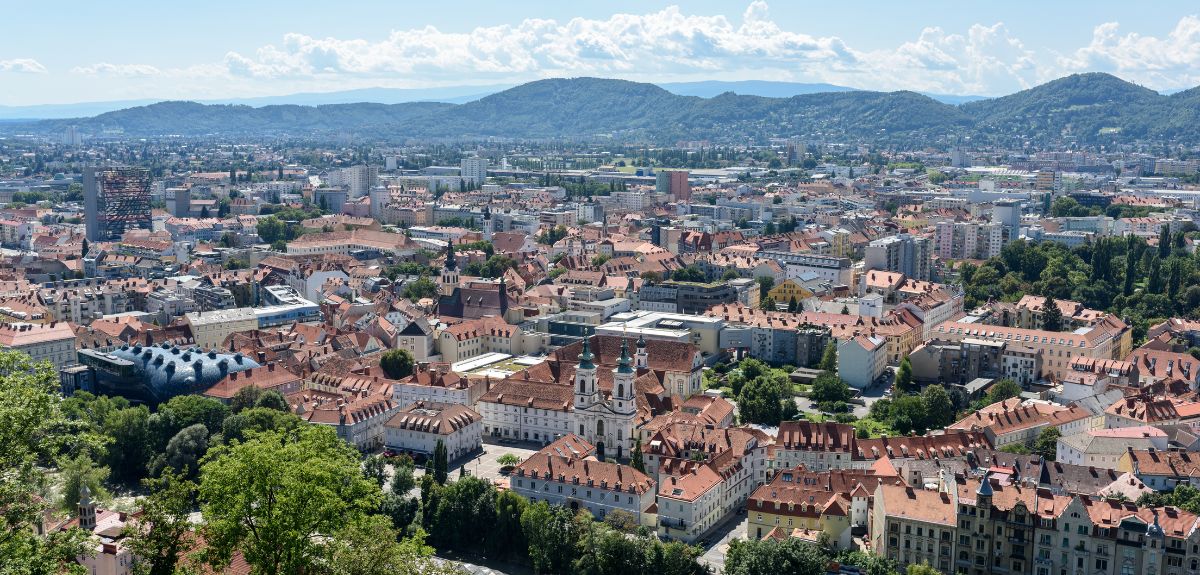
- Graz: Austria’s cool second city with a hilltop clock tower, a futuristic art museum, lively student energy, and a historic center that’s walkable and full of surprises.
Accommodation – Mid-range hotels in places like Vienna or Salzburg (think central location, clean rooms, solid breakfast) run about $100–160 USD per night for a double. Hostels are a steal at $25–50 USD for a dorm bed, while budget Airbnbs or guesthouses start around $70–110 USD. Want luxury? Boutique spots or palace-view hotels can hit $200–350 USD, especially in summer or Christmas markets season (November–December). I always book shoulder months (April–May or September–October) and save big—once scored a killer Vienna room for $95 that felt like $200.
Food – Austrian eats are hearty and surprisingly affordable if you skip the tourist traps. A classic Wiener Schnitzel with sides runs $15–25 USD, and the lunchtime “Mittagsmenü” (two-course daily special) is usually $12–18 USD with a drink. Coffee and apple strudel in a traditional Kaffeehaus? About $7–10 USD. Grab street food like a Käsekrainer sausage for $5–7 USD or picnic from a Billa supermarket for even less. Fine dining in Vienna can climb to $60–120 USD per person, but you honestly don’t need it—my best meals were simple mountain-hut goulash after a hike in Innsbruck.
Transportation – Austria’s trains (ÖBB) are clean, fast, and reliable. Vienna to Salzburg is $25–60 USD one-way if you book ahead; Salzburg to Hallstatt is just $15–20 USD plus a short ferry. In cities, single metro/tram tickets are $2.50–3.50 USD, or grab a 24-hour pass for $8–12 USD. Taxis or Uber for short hops run $10–20 USD. Renting a car for mountain days costs $40–70 USD per day plus gas (around $7/gallon). I once took the train from Vienna to Graz for $18 and it felt like first class—way cheaper than flying.
Activities – Most big sights are $15–30 USD: Schönbrunn Palace combo ticket around $25 USD, Hohensalzburg Fortress $18 USD, Hallstatt salt mine tour $22 USD. Many churches and parks are free, and some museums have free or discounted evenings. Cable cars in Innsbruck? $50–60 USD round-trip but totally worth it for those views.
Austria has this perfect blend of old-world elegance and outdoor adventure that just clicks. It’s where you can spend the morning in a gilded palace listening to Mozart and the afternoon hiking above the clouds. The cities feel grand but never overwhelming—Vienna buzzes like a capital should, Salzburg feels like a movie set, Innsbruck puts mountains right in your face, Hallstatt looks Photoshopped, and Graz has that cool, creative energy without the pretension.
Weather plays a big role. Summers are mild and sunny (70–80°F), perfect for beer gardens and lake swims, but pack layers—mountain evenings cool off fast. Spring and fall are my favorites: fewer people, colorful foliage, and comfortable temps (50–70°F). Winter brings Christmas markets, snow, and ski season, but it can be cold and gray in the cities (30–45°F). Rain happens year-round, especially in the west, so a light waterproof jacket is non-negotiable.
Locals are friendly once you break the ice—efficient, polite, and proud of their country. German is the language, but English is widely spoken in tourist areas (younger folks especially). Learning a few basics like “Grüß Gott” (hello), “Danke” (thanks), and “Ein Schnitzel bitte” goes a long way and always gets a smile. I once butchered an order in a Salzburg café and the waitress ended up chatting with me for ten minutes about the best hidden trails—those little moments stick with you.
Safety-wise, Austria is one of the safest places in Europe. I’ve wandered Vienna’s streets alone at midnight and felt totally fine. Pickpockets exist in busy tourist spots (Stephansplatz, Salzburg old town), so keep valuables zipped and use a cross-body bag. Public transport runs on time like clockwork, roads are excellent, and drivers are courteous. If you’re driving in the mountains, winter tires are mandatory in snow season—check rental policies.
The culture is all about enjoying life properly: long coffee-house sits with newspapers, Sunday hikes, classical concerts in historic halls, and hearty food shared with friends. There’s a real appreciation for quality—whether it’s fresh bread, perfectly roasted coffee, or pristine nature. You’ll feel it in the way people greet you in the mountains or the pride when they talk about their local festival.
So yeah, Austria just works. It’s efficient enough for easy travel, beautiful enough to blow your mind, and welcoming enough that you’ll already be planning your next trip on the flight home. Grab our interactive maps for Vienna, Salzburg, Innsbruck, Hallstatt, and Graz, and start mapping your adventure.