

Imagine a world where the earth and sky merge into a seamless, shimmering mirror, a place where the horizon vanishes and you feel as though you are walking on the very clouds themselves. Salar de Uyuni is not just a destination; it is a surreal masterpiece of nature, a vast expanse of brilliant white salt that looks like a frozen sea of diamonds under the high-altitude sun.
Why Visit Salar de Uyuni?
Bolivia’s Altiplano is a land of ethereal beauty and rugged adventure, offering a travel experience that feels like a journey to another planet. Here is why this otherworldly landscape is a must-see for every luxury seeker and adventurer:
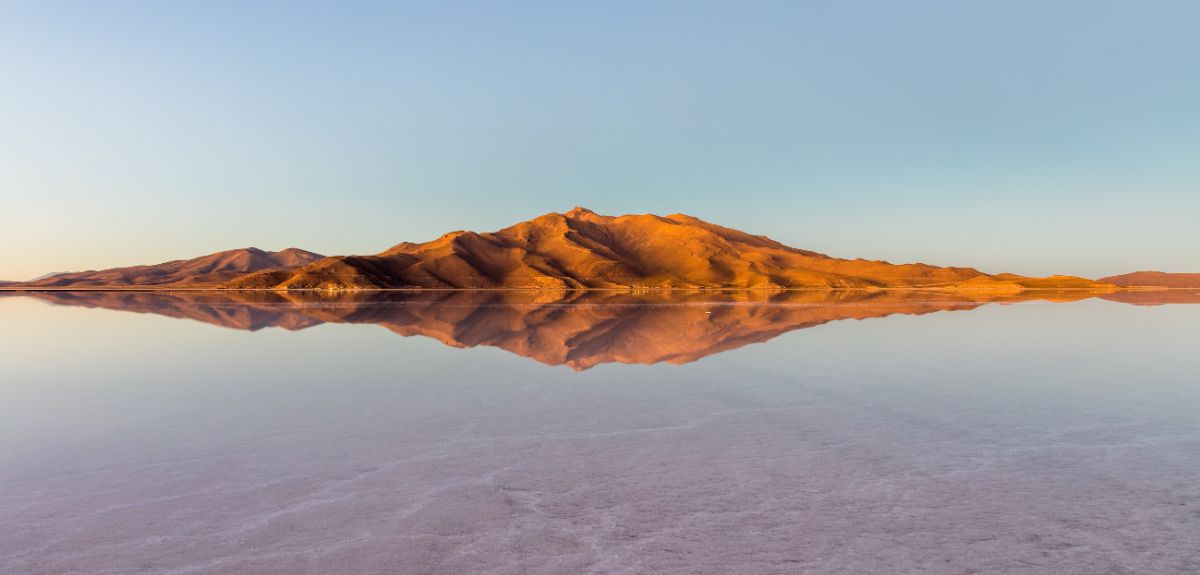
- The Mirror Effect: During the rainy season, the salt flats transform into the world’s largest natural mirror, reflecting the sky with such perfect clarity that every photo becomes a work of art.
- Incahuasi Island: An ancient volcanic oasis rising from the salt, this island is home to giant, thousand-year-old cacti that stand as silent sentinels against the white horizon.
- Laguna Colorada: Witness the breathtaking sight of blood-red waters filled with thousands of pink flamingos, a vibrant contrast against the stark Altiplano backdrop.
- Palacio de Sal: Indulge in a truly unique stay at a hotel crafted entirely from salt blocks, blending rustic charm with modern elegance at the edge of the flats.
- Train Cemetery: Explore the hauntingly beautiful graveyard of rusted 20th-century locomotives, a glamorous yet gritty reminder of the region’s industrial past.
From its starlit nights to its endless white days, Salar de Uyuni promises a soul-stirring escape that will redefine your sense of wonder and leave you with memories that shimmer forever.
SALAR DE UYUNI KEY INFO
Everything you need to hit the ground running.
WHEN TO VISIT
January to March for the famous mirror effect; May to October for clear skies, stargazing, and easy access across the salt crust.
HOW TO GET THERE
Fly into Joya Andina Airport (UYU). It’s a taxi to the city center (~12 min).
HOW TO GET AROUND
4×4! It is the only way to safely navigate the vast, rugged salt flats and reach remote lagoons. Book a guided 4WD tour for the best experience.
IDEAL TRIP LENGTH
1 day for the city itself, but 3-4 days if you want to include the lagoons, volcanoes, and Eduardo Avaroa National Reserve.
What is Salar de Uyuni Mainly Known For?
Salar de Uyuni is famous for its stunning mirror effect, where seasonal rain transforms the salt crust into the world’s largest natural reflector. It’s also known for Palacio de Sal, a unique hotel built entirely from salt blocks. Beyond the sights, it’s known as a prehistoric wonderland containing over half of the planet’s lithium reserves.
Is Salar de Uyuni a Walkable City?
100% yes. The town is very compact and flat, making it incredibly easy to explore on foot. I loved the peaceful vibe without the constant hum of traffic noise.
Is it safe to walk in Salar de Uyuni at night? Generally yes. I felt quite safe and at ease, though I always recommend using standard common sense and staying aware of your surroundings.
What Is the Best Neighborhood to Walk Around?
Avenida Ferroviaria is the winner, a historic transport hub nestled near the city center and the old railway junction. Its dusty streets are a tapestry of modern-day banks and restaurants vying for attention among old trains and monuments. For something completely different, walk over to the Train Cemetery, a haunting industrial district filled with rusted 20th-century locomotives and a gritty, post-apocalyptic edge.
What Are the Best Things to Do in Salar de Uyuni? (For Your First Visit)
I visited Salar de Uyuni without a strict day-by-day plan. I wanted to take my time, enjoy the otherworldly and ethereal Altiplano vibe, and see where the tracks took me. I wrote down a few highlights and hit the ground running. Here are the spots I definitely recommend checking out:
Train Cemetery
Explore a hauntingly cool desert graveyard of rusted 20th-century locomotives. Highlights: climbing skeletal train cars and street art. Price: Free. Pro tip: Arrive at sunrise for surreal, post-apocalyptic photos before the tour crowds swarm the tracks. Check availability and explore popular experiences.

Incahuasi Island
A surreal volcanic oasis in a white salt sea. Hike past thousand-year-old giant cacti for 360-degree views. Entry: ~30 Bs. Pro tip: Arrive at dawn to catch the “floating island” mirror effect during the rainy season. Check availability and explore popular experiences.

Palacio de Sal
Stay in a literal salt palace. This architectural marvel features salt-brick walls, domes, and furniture on the Uyuni edge. Highlights: salt spa and sunset views. Rooms from $200. Pro tip: Don’t lick the walls—the salt is real! Check availability and explore popular experiences.

Isla del Pescado
Explore this rugged, fish-shaped coral island rising from the salt flats. Highlights: 10-meter giant cacti and surreal 360-degree Altiplano views. Price: Free (no infrastructure). Pro tip: Visit during the rainy season to see its reflection “swimming” in the salt. Check availability and explore popular experiences.

Laguna Colorada
Experience this otherworldly, blood-red lagoon teeming with pink flamingos. Highlights: vibrant crimson waters and white borax islands. Price: ~150 Bs (National Reserve fee). Pro tip: Visit at sunset when the red hues turn absolutely electric. Check availability and explore popular experiences.

Tunupa Volcano
Vibe with the colorful, mineral-striped slopes of this legendary volcano. Highlights: ancient Coquesa mummies and epic salt flat views. Price: ~$12 (community fee). Pro tip: Start your hike by 10 AM to beat the steep midday heat. Check availability and explore popular experiences.

Dakar Rally Monument
A chunky salt sculpture celebrating the iconic desert race. Highlights: the massive robed figure and nearby flag field. Price: Free. Pro tip: Visit at sunset for golden-hour vibes and epic, mirror-like photos on the salt. Check availability and explore popular experiences.
Credit: Wikimedia Commons
Ojos del Salar
Deep turquoise pools bubbling through a stark white crust. Experience the Salar’s “eyes,” where subterranean rivers meet the surface. Highlights: Surreal reflections and mineral-rich bubbles. Price: Free. Pro tip: Visit during the dry season for the clearest, deepest colors. Check availability and explore popular experiences.
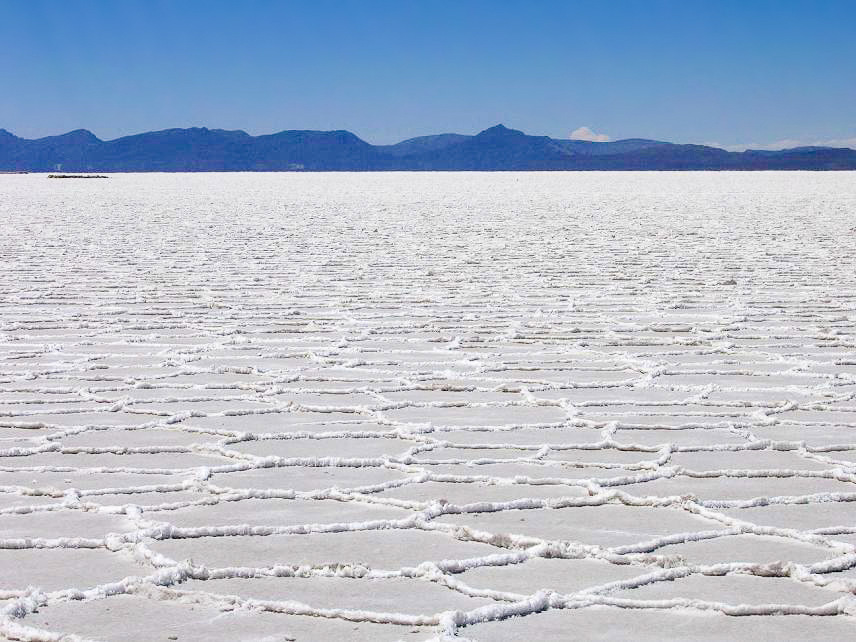
Colchani
The gateway to the salt flats where everything is made of salt. Highlights: artisanal salt factories and unique salt-brick souvenirs. Price: Free. Pro tip: Bring small change for a donation at the traditional salt-processing demonstrations. Check availability and explore popular experiences.

Sol de Mañana Geysers
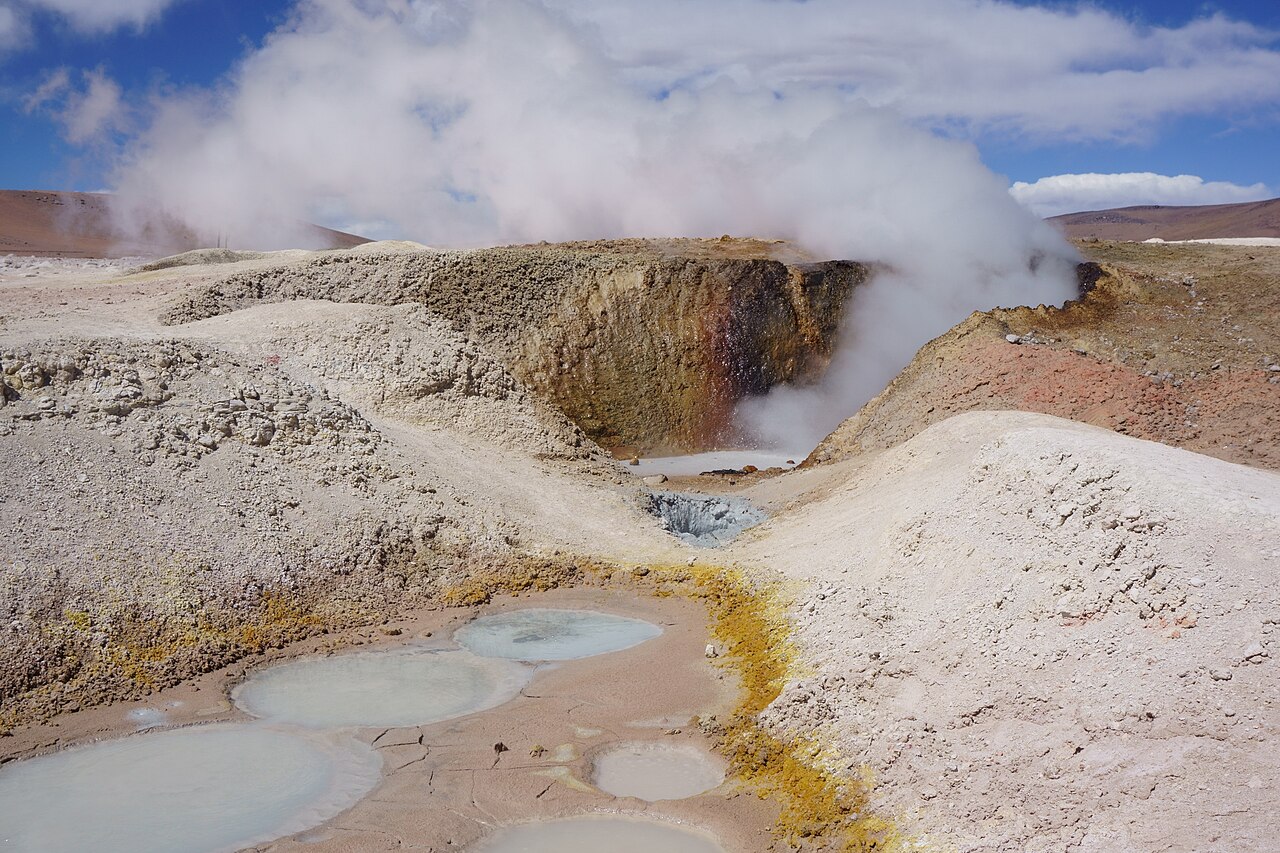
Vibe with this high-altitude, prehistoric landscape of hissing steam and bubbling mud. Highlights: 50-meter geyser blasts and colorful sulfur craters. Price: ~150 Bs (National Reserve fee). Pro tip: Arrive at dawn for the most intense, cinematic steam clouds. Check availability and explore popular experiences.
Must-Do Activities in Salar de Uyuni
To really get the most out of your trip, I recommend checking out these experiences:
What Part of Salar de Uyuni is Best for Tourists?
Stay in the Uyuni City Center. Everything will be within a 10-minute walk. If you want something a bit more local but still close, the Colchani village is lovely—it offers an authentic vibe with salt-block hotels and direct access to the salt flats for sunrise.
What to Know Before Going to Salar de Uyuni
- Stick to Bottled: Tap water is unsafe; stick to bottled, boiled, or filtered water even for brushing teeth in rural areas.
- English is Limited: English is not widely spoken; most tour drivers speak only Spanish, so hiring a bilingual guide is recommended.
- The National Reserve Fee: No city card exists; instead, pay a mandatory ~150 Bs cash fee for the Eduardo Avaroa National Reserve.
- Sunday Closures: Many local shops and markets in Uyuni close or have reduced hours on Sundays; plan your supplies accordingly.
- Tipping Etiquette: Tipping is voluntary but appreciated; 10% in restaurants and $5-10 per person daily for guides is customary.
How Many Days Do I Need in Salar de Uyuni?
3 days is the ideal duration for first-time visitors to experience the vast salt flats, colorful Andean lagoons, and unique volcanic landscapes.
- Day 1: Train Cemetery, Colchani Salt Village, Dakar Rally Monument, Incahuasi Island, Salar de Uyuni Sunset.
- Day 2: Altiplanic Lagoons, Siloli Desert, Arbol de Piedra, Laguna Colorada, Eduardo Avaroa National Reserve.
- Day 3: Sol de Mañana Geysers, Polques Hot Springs, Dali Desert, Laguna Verde, Licancabur Volcano.
Suggested daily budget – 45-75 EUR / 50-80 USD (Note: This covers mid-range hotels in Uyuni town, dining at tourist-friendly local restaurants, and standard shared multi-day salt flat tours. You can go cheaper if you eat at the municipal market and book basic shared tours in person).
MONEY SAVING TIPS
- Master the Salteña Morning: Skip the hotel breakfast and head to the street corners or the Mercado Central for a “Salteña,” a juicy Bolivian baked empanada that usually costs between 5 and 10 BOB ($0.70–$1.50).
- Square Up for Savings: Instead of booking online, head to Uyuni’s “Plaza Principal” or the main square upon arrival where you can compare local operators and often negotiate a 3-day tour for as low as 700–850 BOB ($100–$120).
- Budget Bus over Flying: Save over $100 by taking an overnight “Cama” or “Semi-Cama” sleeper bus from La Paz for roughly 130–150 BOB ($19–$22) with companies like Todo Turismo or Trans Omar instead of booking a flight.
- Sunset at the Square: Grab a cold Paceña beer from a local “tienda” for about 15 BOB and head to the “Plaza Arce” near the clock tower to watch the town come alive at dusk without paying high tourist bar prices.
What’s the Best Month to Visit Salar de Uyuni?
May and September are the sweet spots for visiting Salar de Uyuni. These months provide clear skies and easy access to all landmarks while avoiding peak crowds and the harshest winter temperatures. However, February is a magical alternative, as the rainy season transforms the flats into a breathtaking, sky-reflecting mirror.
How to Get to Salar de Uyuni
Most international travelers fly into El Alto International Airport (LPB) in La Paz, which connects to major hubs like Miami, Madrid, and Bogota.
- From the airport: The journey to La Paz city center takes about 30–45 minutes by taxi, costing approximately 60–80 BOB.
- Regional: From La Paz, take a 45-minute flight to Uyuni Airport (UYU) with Boliviana de Aviacion, or catch a 9-hour overnight bus to the town of Uyuni, the gateway to the salt flats.
How to Get Around Salar de Uyuni
Book a guided 4×4 tour – it is the only safe and practical way to navigate the salt flats.
- Car Rental: Not recommended. Driving the trackless, high-altitude terrain is dangerous and requires expert navigation; use DiscoverCars only if you are an experienced off-road driver.
- Walking: Impossible for the region, though the small town of Uyuni is walkable.
- Uber/Bolt: Not available in this remote area.
- Tours: Non-negotiable for most. 3-day 4×4 tours are the standard for reaching lagoons, geysers, and the flats safely.
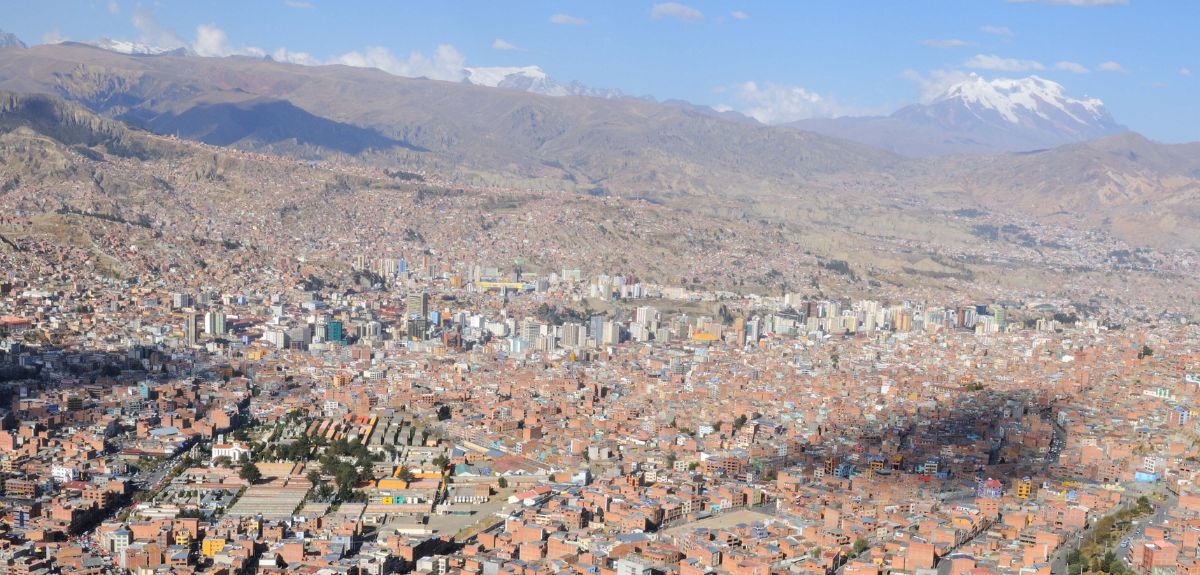
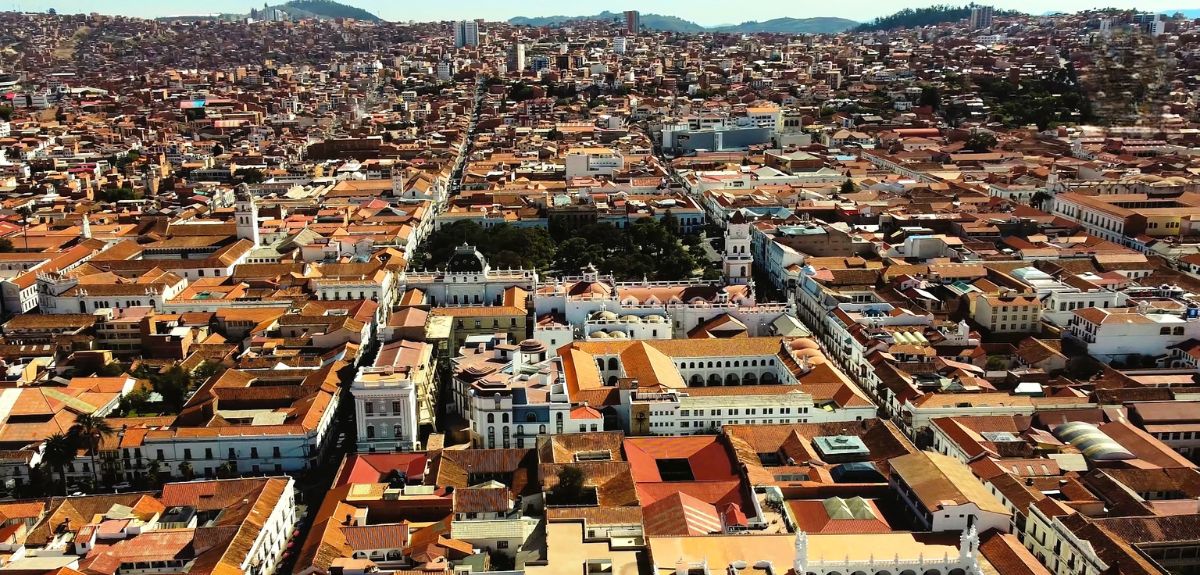
Tips for first-timers: Avoid rushing your arrival—The extreme 3,600m altitude can cause severe nausea and headaches. Spend a few days acclimating in La Paz or Sucre first to ensure you can actually enjoy the salt flats!
Salar de Uyuni is the kind of place that steals your heart. It is a surreal expanse of infinite white, where the raw, mirror-like horizon and vibrant, high-altitude lagoons create a dreamscape beyond imagination. As you depart from its haunting landscapes and crystalline crust, it leaves you with a renewed sense of wonder and a deep connection to the Earth’s untamed beauty.
Note: This article contains affiliate links. If you purchase something I’ve recommended, I’ll earn a small commission at no extra cost to you. I really appreciate your support and I hope this guide helps you ♡