

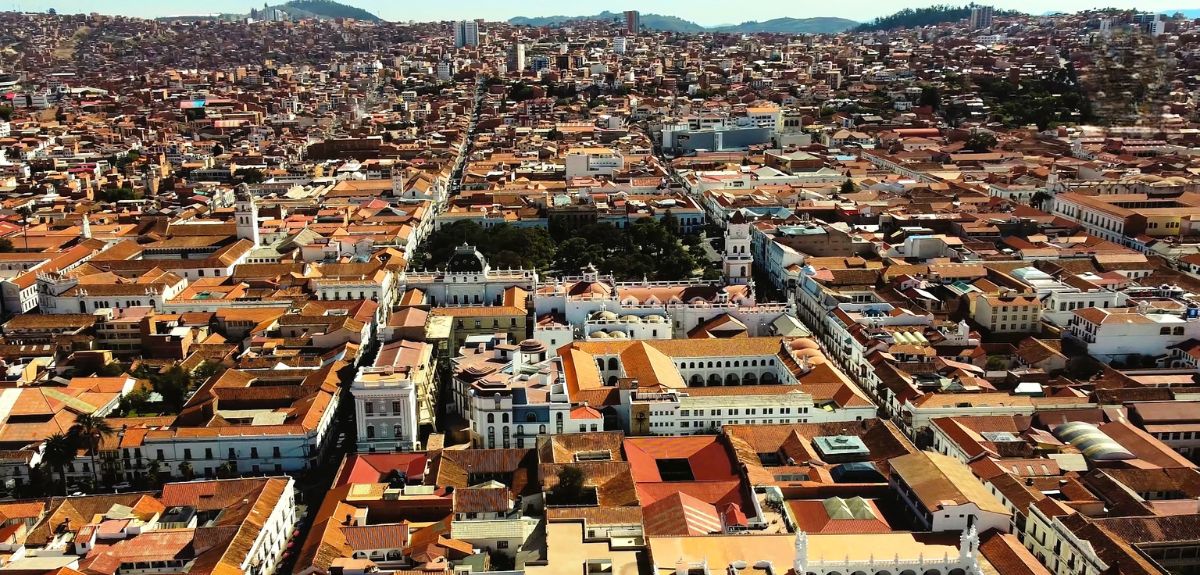
Gleaming under the high Andean sun, Sucre is a luminous masterpiece of whitewashed walls and terracotta roofs that feels more like a living dream than a mere destination. Known affectionately as the “White City,” this colonial jewel invites you to wander through a landscape where storied history is etched into every elegant archway and blooming courtyard, radiating a timeless grace that is rare to find.
Why Visit Sucre?
Bolivia’s constitutional capital is a sensory delight where the mountain air is crisp, the local chocolate is legendary, and the spirit of independence remains beautifully preserved within its UNESCO-listed streets.
- House of Freedom: Step into the very room where Bolivia’s independence was signed and feel the pulse of a nation’s birth within this meticulously preserved colonial gem.
- Convento de San Felipe de Neri: Climb to the tiled rooftop of this neoclassical convent at sunset for a glamorous, panoramic view of the city’s sea of white buildings against the purple Andean peaks.
- Metropolitan Cathedral: Admire the intricate stonework and golden altars of this architectural stunner, which stands as a silent witness to centuries of religious and cultural evolution.
- Plaza 25 de Mayo: Relax in the leafy, social heart of Sucre, where grand palm trees and neoclassical facades create the perfect backdrop for people-watching with a fresh salteña in hand.
- General Cemetery: Wander through this surprisingly elegant, park-like oasis filled with grand mausoleums and manicured gardens that tell the stories of Bolivia’s elite in stone.
Whether you are chasing the golden hour on a rooftop cloister or exploring the depths of revolutionary history, Sucre is a captivating escape that promises to linger in your heart long after you leave its pearlescent streets.
SUCRE KEY INFO
Everything you need to hit the ground running.
WHEN TO VISIT
April to October for dry, sunny weather and hiking; November to March for lush green landscapes and vibrant Carnival festivities.
HOW TO GET THERE
Fly into Alcantari International Airport (SRE). It’s a taxi or bus to the city center (~40-50 min).
HOW TO GET AROUND
Walk! Sucre’s historic center is incredibly compact and best explored on foot. For longer trips, use the Moovit app to navigate the extensive network of local micros.
IDEAL TRIP LENGTH
2-3 days for the city itself, but 4-5 days if you want to include day trips to the Maragua Crater, dinosaur footprints, or local Jalq’a communities.
What is Sucre Mainly Known For?
Sucre is famous for the Casa de la Libertad, where Bolivia’s independence was signed in 1825. It’s also known for the Metropolitan Cathedral, a colonial masterpiece featuring a 200-year-old clock tower. Beyond the sights, it’s known as the White City, where pristine architecture and a relaxed university atmosphere define its historic charm.
Is Sucre a Walkable City?
100% yes. Sucre is incredibly compact and walkable, especially the historic center. I loved the colonial vibe and quiet streets without constant traffic noise.
Is it safe to walk in Sucre at night? Absolutely. It’s generally one of Bolivia’s safest cities. I felt completely at ease wandering after dark, though I always recommend using standard traveler’s common sense.
What Is the Best Neighborhood to Walk Around?
The Historic Center is the winner, a UNESCO-listed gem nestled at the base of the Sica Sica and Churuquella hills. Its grid-patterned streets are a sea of whitewashed colonial facades, red-tiled roofs, and elegant stone walkways. For something completely different, walk over to La Recoleta, a bohemian district on the hilltop featuring artisan workshops, stunning panoramic vistas, and a tranquil, spiritual atmosphere.
What Are the Best Things to Do in Sucre? (For Your First Visit)
I visited Sucre without a strict day-by-day plan. I wanted to take my time, enjoy the relaxed colonial charm and whitewashed beauty, and see where the streets took me. I wrote down a few highlights and hit the ground running. Here are the spots I definitely recommend checking out:
House of Freedom
Step into Bolivia’s historic soul at this colonial gem. Highlights: the Independence Hall and Bolívar’s portrait. Price: Free (donations welcome). Pro tip: Join a guided tour to uncover the best secret stories of the revolution. Check availability and explore popular experiences.

Metropolitan Cathedral
Sucre’s white-washed soul. This colonial stunner features a 200-year-old clock tower and golden altars. Price: Free (museum extra). Pro tip: Visit at sunset when the bell tower glows against the mountains for the ultimate city view. Check availability and explore popular experiences.

Supreme Court of Justice
A neoclassical stunner with serious legal history. Admire the grand facade and lush gardens of the nearby Bolivar Park. Price: Free to view. Pro tip: Visit at sunset when the white stone glows against the Andean sky. Check availability and explore popular experiences.
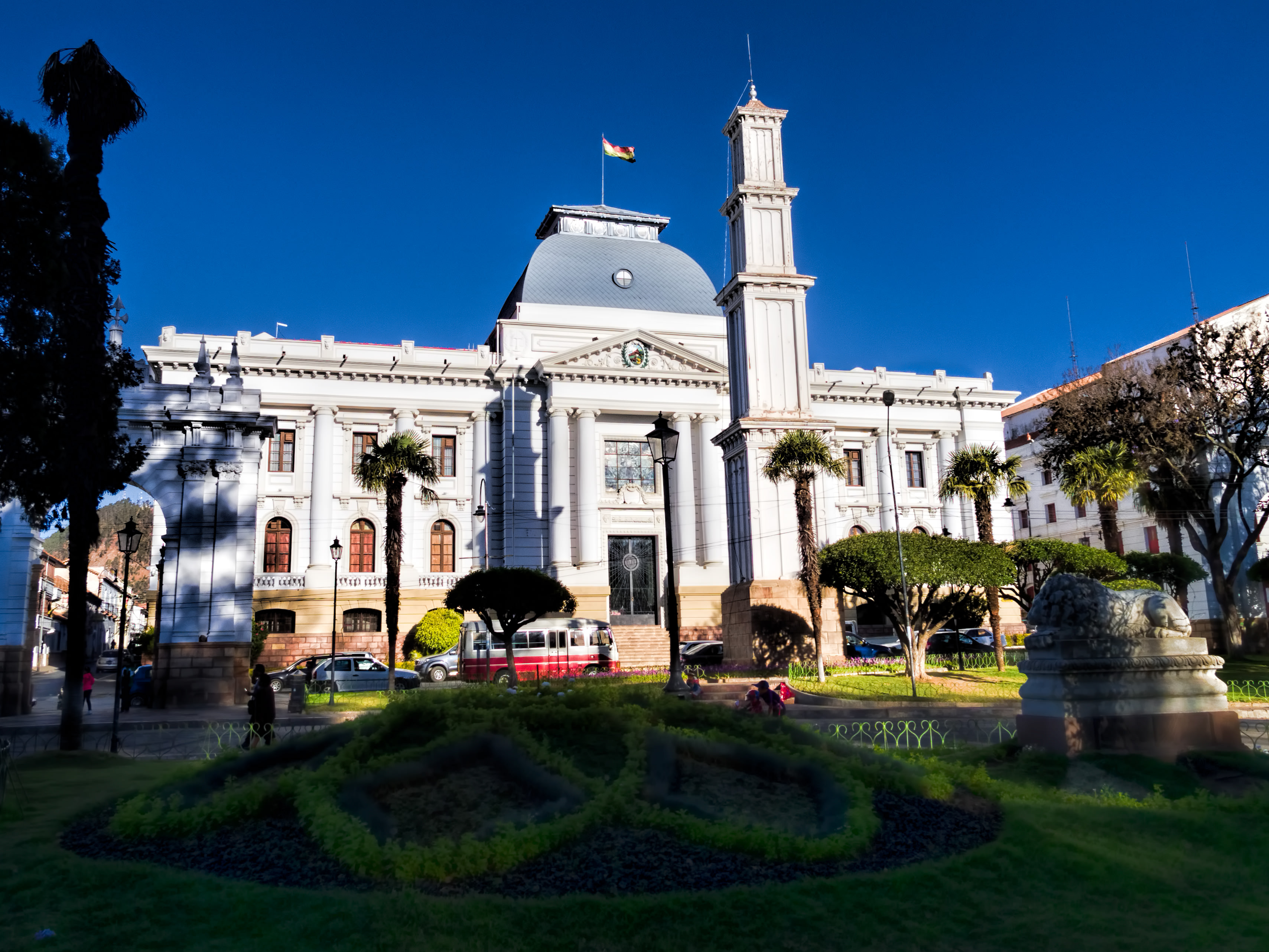
Convento de San Felipe de Neri
Sucre’s ultimate sunset spot. This neoclassical convent features white-washed cloisters and a stunning tiled rooftop. Price: ~15-20 BOB. Pro tip: Head to the roof at golden hour for the best panoramic views of the White City. Check availability and explore popular experiences.

Plaza 25 de Mayo
Sucre’s leafy, colonial heart. Soak in the White City vibe among palms and the Mariscal Sucre statue. Price: Free. Pro tip: Grab a fresh salteña nearby and snag a bench for prime people-watching. Check availability and explore popular experiences.

Church of San Francisco
Sucre’s colonial heartbeat. This 16th-century gem features stunning Mudejar ceilings and the historic Liberty Bell. Price: Free (donations welcome). Pro tip: Climb the bell tower for a birds-eye view of the White City’s terracotta rooftops. Check availability and explore popular experiences.

Archbishop’s Palace
Sucre’s religious heart features a grand 17th-century facade and four peaceful courtyards. Highlights: Doric columns and viceregal art. Price: Free to view. Pro tip: Peek through the main gate on Bolivar Street for a glimpse of the colonial arcade. Check availability and explore popular experiences.

National Library
Step into a fairytale for history buffs. This stunning colonial gem houses Bolivia’s national soul, from ancient manuscripts to 19th-century treasures. Price: Free. Pro tip: Visit on weekday mornings for a quiet, atmospheric dive into the archives. Check availability and explore popular experiences.

General Cemetery
A peaceful, park-like oasis filled with grand mausoleums and unique “apartment-style” graves. Highlights: Neoclassical architecture and lush, tree-lined walkways. Price: Free. Pro tip: Visit the children’s section for touching memorials filled with toys and colorful offerings. Check availability and explore popular experiences.

Gran Mariscal Sucre Theater
Sucre’s grand architectural gem. This historic theater features an Art Nouveau facade and hidden catacombs. Highlights: The Museum of Communication and live opera. Price: Free (tours/events vary). Pro tip: Book the secret catacombs tour in advance for a spooky thrill. Check availability and explore popular experiences.

Must-Do Activities in Sucre
To really get the most out of your trip, I recommend checking out these experiences:
What Part of Sucre is Best for Tourists?
Stay in the Historic Center. Everything will be within a 15-minute walk. If you want something a bit more local but still close, the La Recoleta neighborhood is lovely—it offers a relaxed vibe, colonial history, and stunning panoramic views of the White City from its hilltop terrace.
What to Know Before Going to Sucre
- Stick to Bottled: Tap water is unsafe; stick to bottled, boiled, or filtered water to avoid parasites and heavy metals.
- Limited English: Spanish is the primary language; English is only common in central tourist hotels and some restaurants.
- The Sucre City Tour: While no single official city card exists, guided walking tours are the best way to see highlights.
- Sunday Market Day: Many city shops close Sundays, but it is the best day to visit the nearby Tarabuco market.
- Tipping Etiquette: Tipping 10% is customary in restaurants; rounding up taxi fares or giving small amounts to porters is appreciated.
How Many Days Do I Need in Sucre?
3 days is the ideal duration for first-time visitors to acclimatize to the altitude while exploring Bolivia’s historic “White City” and its surrounding natural wonders.
- Day 1: House of Freedom, Metropolitan Cathedral, Plaza 25 de Mayo, Church of San Francisco, Convento de San Felipe de Neri.
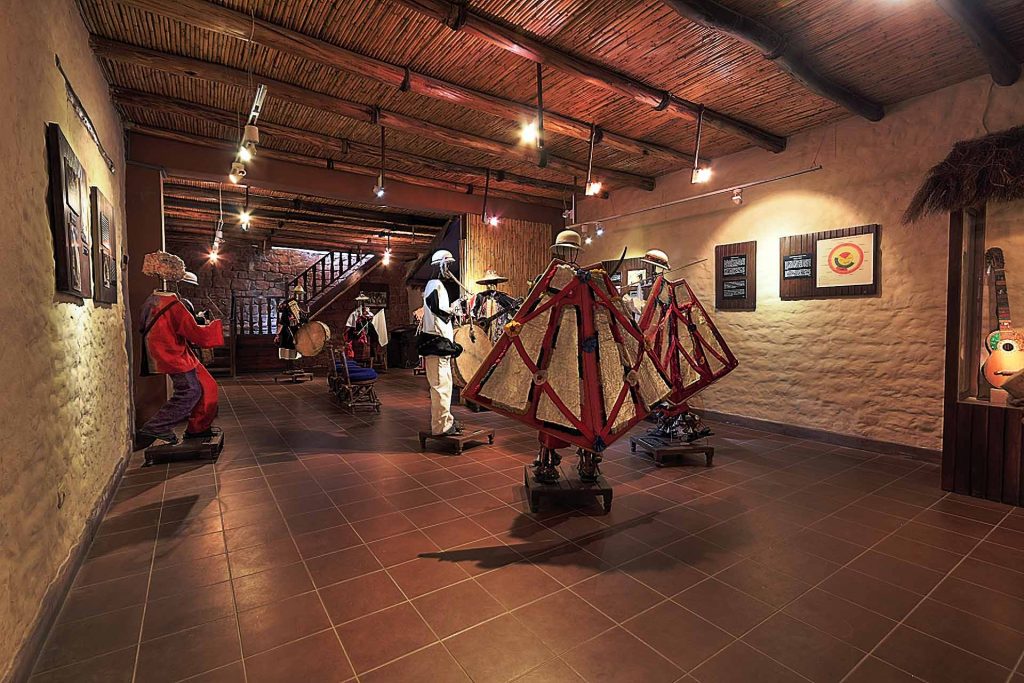
- Day 2: Central Market, General Cemetery, Bolivar Park, Museum of Indigenous Art ASUR, La Recoleta.
- Day 3: Take a scenic day trip to the Cal Orck’o dinosaur footprints or the traditional Tarabuco Sunday Market.
Suggested daily budget – 45-75 EUR / 50-80 USD (Note: This covers mid-range hotels, dining at local and international restaurants, and organized city tours. You can go cheaper if you eat at the Mercado Central or visit free colonial landmarks).
MONEY SAVING TIPS
- Eat Like a Local: Head to the Mercado Central or neighborhood spots for a Menu del Día, a multi-course lunch usually priced between 15 and 25 BOB, or grab a fresh salteña for about 7-10 BOB.
- Tip-Based Trekking: Join a Free Walking Tour Sucre to see the major sights; tours typically meet daily at 10:00 am or 3:00 pm at Plaza Cochabamba, in front of the San Felipe de Neri church, and operate on a pay-what-you-wish basis.
- Master the Micros: Skip the taxis and use the city’s extensive network of micros (mini-buses) for a flat fare of 3 BOB to reach any part of the city or even nearby attractions like the dinosaur footprints.
- Sunset at the Mirador: Skip the pricey bars and grab a cold beverage from a local shop to enjoy at the Mirador de la Recoleta, where you can soak in the best panoramic views of the White City’s terracotta rooftops for free.
What’s the Best Month to Visit Sucre?
April and May are the sweet spots for visiting Sucre. During these months, you will enjoy mild, dry weather and clear Andean skies, perfect for exploring white-washed colonial streets without the peak winter chill or summer rains. However, September is a magical alternative, as the city comes alive with vibrant processions and music for the Virgen de Guadalupe festival.
How to Get to Sucre
Most international travelers fly into Alcantari International Airport (SRE). It primarily serves domestic connections from La Paz, Santa Cruz, and Cochabamba, which act as the main hubs for international arrivals from Miami or Madrid.
- From the airport: The journey to the city center takes approximately 45–60 minutes. A shared taxi (collectivo) costs about 10 BOB per person, while a private taxi costs around 50–60 BOB.
- By Train: Sucre has no active intercity passenger rail service; most travelers arrive by bus from Potosi or Uyuni.
How to Get Around Sucre
Stick to walking – it is the absolute best way to experience Sucre’s compact, colonial charm.
- Car Rental: Not recommended. Narrow streets and limited parking make driving difficult; use DiscoverCars only if planning excursions to the surrounding countryside or Tarabuco.
- Walking: Excellent and highly preferred; most major attractions and the historic center are easily accessible on foot.
- Uber/Bolt: Not available; use regulated radio taxis for longer distances or steep hills.
- Tours: Great for hassle-free visits to outlying sites like Cal Orck’o or the Cretaceous Park.
Tips for first-timers: Avoid rushing your arrival—Ascending too quickly to Bolivia’s high altitudes can cause severe sickness. Spend your first few days in Sucre to acclimatize naturally before heading to higher destinations like La Paz or Uyuni!
Sucre is the kind of place that steals your heart. It is a luminous tapestry of white-washed colonial charm, where storied history and neoclassical grace meet under the vast Andean sky. As you wander through its peaceful cloisters and sun-drenched plazas, it leaves you with a renewed sense of wonder.
Note: This article contains affiliate links. If you purchase something I’ve recommended, I’ll earn a small commission at no extra cost to you. I really appreciate your support and I hope this guide helps you ♡