

Get Inspired

Itineraries

Travel Guides

About Me

Top
  >  Bolivia   >  Best Places to Visit in Potosí
best places to visit in potosí

Perched at a breathtaking altitude where the air is thin and the history is dense, Potosí stands as a shimmering testament to an imperial era that once defined the world’s wealth. Walking through its winding, cobblestone streets is like leafing through the gilded pages of a colonial epic, where every ornate balcony and crimson-hued facade whispers tales of silver, sacrifice, and unimaginable splendor.

Why Visit Potosí?

Beyond its rugged mountain peaks and high-altitude grit, Potosí offers a rare glimpse into a past that bankrolled empires, wrapped in a mantle of stunning Baroque-Mestizo architecture and vibrant Andean spirit. Here is why this legendary city belongs on your travel itinerary:

  • Cerro Rico: Embark on a journey to the iconic “Rich Mountain,” a towering landmark that once held the world’s largest silver deposit and remains the city’s beating, gritty heart.
  • National Mint of Bolivia: Step inside this massive, fortress-like treasury to witness the ancient machinery that coined the silver that fueled the global economy for centuries.
  • Potosí Cathedral: Admire the neoclassical elegance of this architectural masterpiece, whose bells echo across the Altiplano from the historic center of the city.
  • San Francisco Church and Convent: Explore the oldest monastery in Bolivia, where you can climb to the roof for a panoramic view of the red-tiled skyline and the mountain that towers above.
  • Church of San Lorenzo de Carangas: Marvel at one of the finest examples of Mestizo Baroque art, featuring an intricately carved stone portal that blends Spanish faith with indigenous soul.

Whether you are captivated by the haunting echoes of the silver mines or the golden glow of its colonial cathedrals, Potosí promises a travel experience that is as profound as it is unforgettable.

POTOSÍ KEY INFO

Everything you need to hit the ground running.

WHEN TO VISIT

May to October for dry, sunny weather and trekking; February to March for the festive Carnival Minero.

HOW TO GET THERE

Fly into Capitán Nicolás Rojas Airport (POI). It’s a taxi to the city center (~15-20 min).

HOW TO GET AROUND

Walk! Potosí’s historic center is compact and best explored on foot to navigate its steep, narrow colonial streets. For longer trips, hail a Radio Taxi for safety.

IDEAL TRIP LENGTH

2-3 days for the city itself, but 4-5 days if you want to include day trips to the Uyuni Salt Flats or Tarapaya hot springs.

What is Potosí Mainly Known For?

Potosí is famous for Cerro Rico, the legendary “Rich Mountain” that bankrolled the Spanish Empire with its vast silver wealth. It’s also known for the National Mint of Bolivia, a massive colonial treasury turned museum. Beyond the sights, it’s known as one of the world’s highest cities, where a gritty mining heritage meets stunning Baroque-Mestizo architecture.

Is Potosí a Walkable City?

Mostly, but be prepared for a workout. Potosí’s historic center is compact and walkable, filled with stunning colonial architecture and narrow streets that are best explored on foot. I loved soaking in the atmosphere without the constant drone of traffic, though the steep hills and thin mountain air definitely made me catch my breath.

Is it safe to walk in Potosí at night? Generally, yes. I felt at ease in the central areas, though it’s always wise to use standard traveler’s common sense and stay in well-lit parts of the city.

What Is the Best Neighborhood to Walk Around?

The Historic Center is the winner. Nestled at the foot of the iconic Cerro Rico, this UNESCO-listed heart features winding cobblestone streets and vibrant colonial architecture reflecting its silver-rich past. For something completely different, walk over to Boulevard 6 de Agosto, a lively pedestrian promenade where colonial mansions meet a bustling modern vibe, perfect for soaking in the city’s contemporary pulse.

What Are the Best Things to Do in Potosí? (For Your First Visit)

I visited Potosí without a strict day-by-day plan. I wanted to take my time, enjoy the city’s raw colonial history and high-altitude grit, and see where the streets took me. I wrote down a few highlights and hit the ground running. Here are the spots I definitely recommend checking out:

Cerro Rico

Dive into Potosi’s gritty heart at the mountain that changed history. Explore active tunnels, meet local miners, and see El Tio statues. Price: ~$15. Pro tip: Buy coca leaves and dynamite at the miners’ market as gifts. Check availability and explore popular experiences.

Cerro Rico
Credit: Wikimedia Commons / Mhwater at Dutch Wikipedia

National Mint of Bolivia

Step into Bolivia’s colonial heart at this massive mint turned museum. Explore ancient coin-stamping machinery and silver artifacts. Price: ~40 BOB. Pro tip: Arrive early to snag an English tour and beat the crowds. Check availability and explore popular experiences.
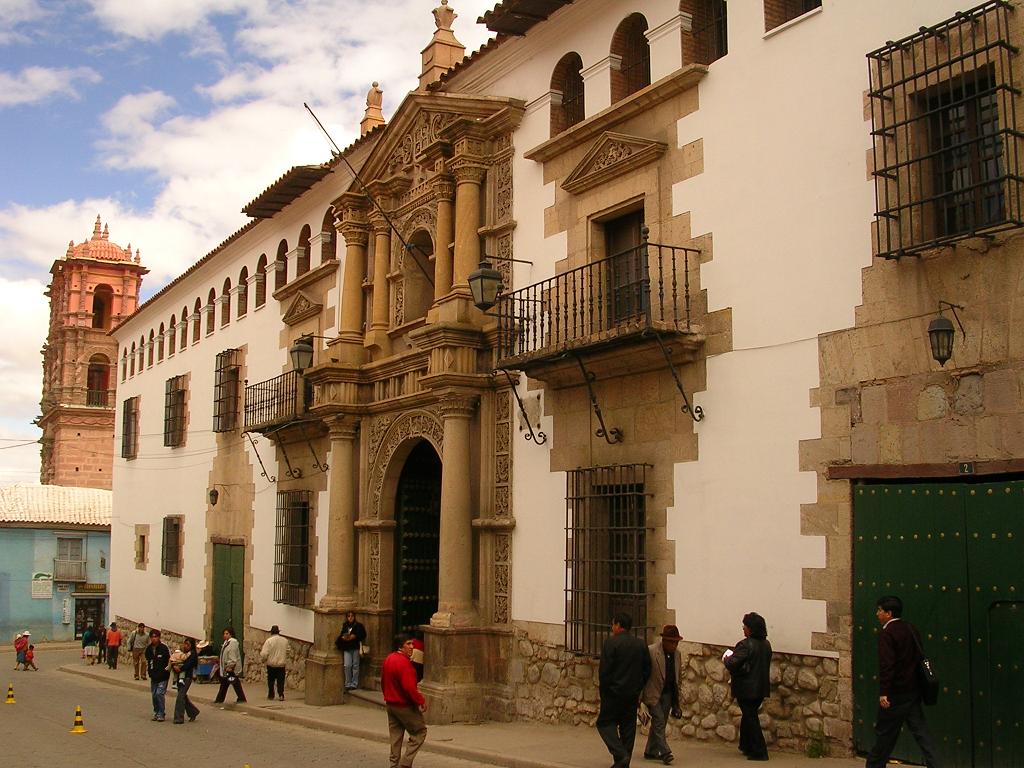
National Mint of Bolivia
Credit: Wikimedia Commons

Potosi Cathedral

A neoclassical marvel with a lavish Baroque-Mestizo heart. Marvel at gold-leaf altars and religious relics in this 19th-century beauty. Price: ~20 Bs. Pro tip: Climb the bell tower for the city’s best panoramic views of Cerro Rico. Check availability and explore popular experiences.

Potosi Cathedral
Credit: Wikimedia Commons

San Francisco Church and Convent

Explore Bolivia’s oldest monastery, a Baroque-Mestizo gem filled with religious art and eerie catacombs. Don’t miss the stunning gold-covered altar. Price: ~$3. Pro tip: Climb the bell tower for the city’s most epic rooftop views. Check availability and explore popular experiences.

San Francisco Church and Convent
Credit: Wikimedia Commons

Church of San Lorenzo de Carangas

A colonial masterpiece where Spanish Baroque meets indigenous soul. Marvel at the world-famous carved stone portal featuring guitar-playing mermaids and celestial symbols. Price: Free. Pro tip: Visit in the late afternoon for the best light on the facade. Check availability and explore popular experiences.

Church of San Lorenzo de Carangas
Credit: Wikimedia Commons

Plaza 10 de Noviembre

Potosi’s vibrant heart is a colonial dream. Admire the cathedral and a quirky French Statue of Liberty while soaking in the local buzz. Price: Free. Pro tip: Grab a fresh orange juice and people-watch at sunset for the best vibes. Check availability and explore popular experiences.

Plaza 10 de Noviembre
Credit: Wikimedia Commons

Santa Teresa Convent Museum

Step into a world of silent devotion at this 17th-century cloister. Discover stunning Baroque art, serene courtyards, and eerie self-flagellation tools. Price: ~15 Bs. Pro tip: Take the guided tour to unlock the convent’s best-kept colonial secrets. Check availability and explore popular experiences.

Santa Teresa Convent Museum
Credit: Wikimedia Commons

Tower of the Society of Jesus

Climb this 18th-century stone beauty for a high-altitude vibe. Highlights: intricate Mestizo carvings and panoramic Altiplano views. Price: Small fee. Pro tip: Visit at sunset when the pink stone glows against the Andean sky. Check availability and explore popular experiences.

Tower of the Society of Jesus
Credit: Wikimedia Commons

Arco de Cobija

Step back in time at this 18th-century stone gateway, once the colonial exit for silver heading to the Pacific. Highlights: historic masonry and Cerro Rico views. Price: Free. Pro tip: Visit at sunset for the best photos. Check availability and explore popular experiences.

Arco de Cobija
Credit: Wikimedia Commons

Calle Quijarro

Wander through Potosí’s most atmospheric street, where colonial balconies overhang winding stone paths. Highlights: the “Four Doorways” and traditional hat shops. Price: Free. Pro tip: Visit on a weekday morning for the most authentic local buzz. Check availability and explore popular experiences.

Calle Quijarro
Credit: Wikimedia Commons

What Part of Potosí is Best for Tourists?

Stay in the Historic Center. Everything will be within a 15-minute walk. If you want something a bit more local but still close, the Villa Imperial neighborhood is lovely—it offers a quieter atmosphere with traditional markets and local eateries.

What to Know Before Going to Potosí

  • Stick to Bottled: Tap water is not safe due to heavy metal contamination from mining; always use bottled or treated water.
  • Limited English: Spanish is the primary language; English is rarely spoken outside of major tour agencies and high-end hotels.
  • The Tourist ID: There is no specific Potosi city card, but the Tourist ID offers minor discounts for some regional services.
  • Sunday Closures: Most shops, museums, and restaurants are closed on Sundays and Mondays; the city becomes very quiet.
  • Tipping Etiquette: Tipping 10% in restaurants is customary; for taxis, rounding up the fare is sufficient and appreciated.

How Many Days Do I Need in Potosí?

3 days is the ideal duration for first-time visitors to acclimatize to the high altitude while exploring the city’s rich colonial history and silver mining heritage.

  • Day 1: Cerro Rico, National Mint of Bolivia, Potosi Cathedral, Plaza 10 de Noviembre, San Francisco Church and Convent.
  • Day 2: Santa Teresa Convent Museum, Tower of the Society of Jesus, Mercado Central de Potosí, Calle Quijarro, Arco de Cobija.
  • Day 3: Take a relaxing day trip to the Ojo del Inca hot springs or explore the nearby Kari Kari Lagoons.

Suggested daily budget – 47-76 EUR / 50-80 USD (Note: This covers mid-range hotels, dining at a mix of local and tourist restaurants, and guided tours like the Cerro Rico mines. You can go cheaper if you eat at the Mercado Central or visit free colonial landmarks on foot).

MONEY SAVING TIPS

  1. Market Meal Magic: Head to Mercado Central for a hearty 4-course lunch menu (almuerzo) for around 40 BOB, or grab street food like salteñas for just $2 to $4.
  2. Tip-Based Trekking: Join a Free Walking Tour of Potosí starting in front of the Casa de la Moneda at 9am or 2pm to see the colonial sights for a pay-what-you-wish tip (usually 35-100 BOB).
  3. Master the Minibuses: Skip taxis and hop on a local “Colectivo” (minibus) for just a few bolivianos to navigate the city’s steep streets like a local.
  4. Sunset at the Viewpoint: Grab a local beer from a shop and head to the San Marcos viewpoint or the hotel viewpoint on La Paz Street for epic, free panoramic views of the city and Cerro Rico.

What’s the Best Month to Visit Potosí?

May and September are the sweet spots for visiting Potosí. These shoulder-season months offer dry, clear skies and manageable temperatures, allowing you to explore the colonial streets without the peak winter crowds. However, February is a vibrant alternative, as the city comes alive with the unique Carnival Minero and traditional festivities.

How to Get to Potosí

Most international travelers fly into El Alto International Airport (LPB) in La Paz or Viru Viru International Airport (VVI) in Santa Cruz. These hubs offer connections from Miami, Madrid, and major South American cities.

  • From the airport: Domestic flights or buses are required to reach Potosí. From the Sucre airport, a shared taxi to Potosí takes about 2.5 hours and costs approximately 50 BOB per person.
  • By Train: While a bus-train formerly connected Sucre and Potosí, service is currently suspended due to track damage.

How to Get Around Potosí

Walk and use local minibuses—it is the best way to experience this high-altitude city.

  • Car Rental: Not recommended. Steep, narrow colonial streets and thin air make driving difficult; use DiscoverCars only for regional Altiplano travel.
  • Walking: Excellent for the compact historic center, though the extreme altitude makes even small inclines challenging.
  • Uber/Bolt: Not available; rely on plentiful and inexpensive local taxis or collective trufis instead.
  • Tours: Essential and highly recommended for safely visiting the Cerro Rico mines.

Tips for first-timers: Avoid ascending too quickly—At 4,090 meters, Potosí’s extreme altitude causes severe shortness of breath and sickness. Spend a few days acclimating in lower cities like Sucre before arriving to ensure you can actually enjoy the sights!

Potosí is the kind of place that lingers in your memory. It is a city where haunting colonial history and high-altitude grit intertwine, defined by its storied mines, Baroque-Mestizo soul, and a resilient, timeless spirit. This Andean treasure invites you to look deeper, leaving you with a renewed sense of connection to the past.

Note: This article contains affiliate links. If you purchase something I’ve recommended, I’ll earn a small commission at no extra cost to you. I really appreciate your support and I hope this guide helps you ♡

post a comment