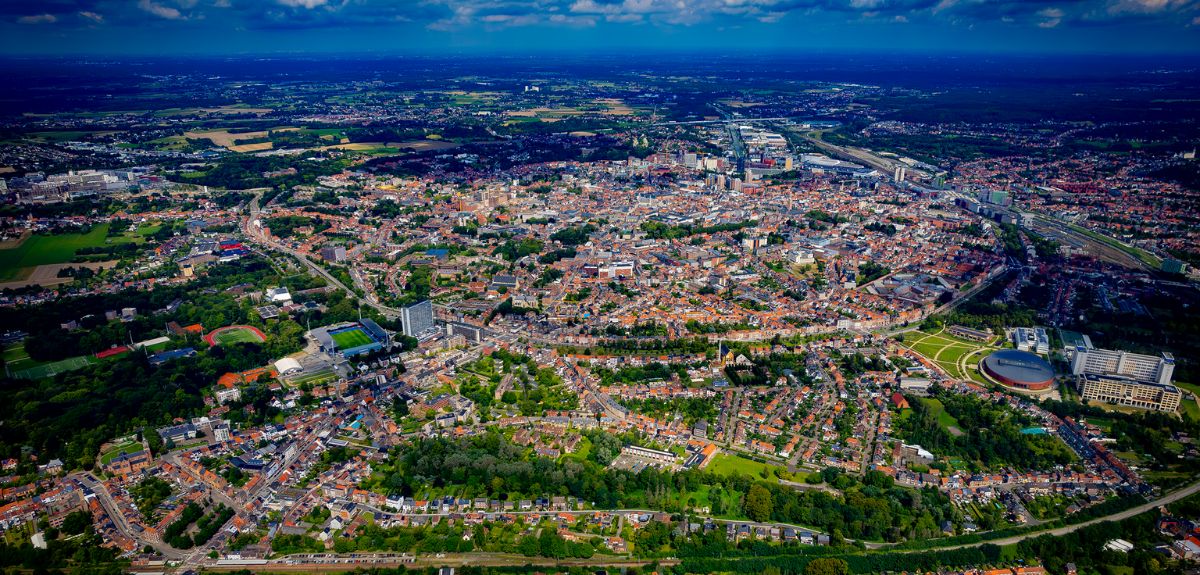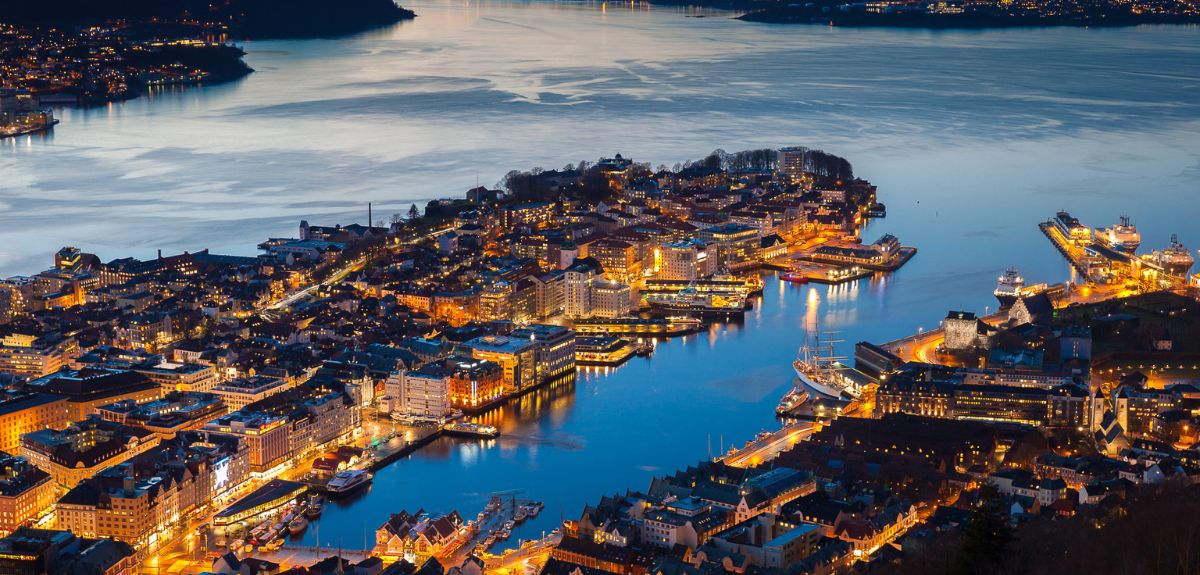


Perched at the edge of a shimmering fjord, Oslo is a city where avant-garde architecture meets the soul-stirring whispers of Viking history. It is a place of quiet luxury and bold innovation, where the crisp Nordic air carries the scent of pine and the promise of a sophisticated urban adventure unlike any other.
Why Visit Oslo?
Oslo is a luminous capital that balances its rugged natural beauty with a world-class cultural scene, offering travelers a rare glimpse into a future that honors its deep, seafaring past.
- Vigeland Park stands as a surreal open-air masterpiece, where over two hundred human sculptures tell a timeless story of life and emotion amidst lush, manicured greenery.
- Oslo Opera House rises from the harbor like a majestic marble iceberg, inviting you to walk upon its sloping roof for breathtaking panoramas of the sparkling city skyline.
- Munch Museum offers a profound journey into the heart of expressionism, housing the haunting beauty of “The Scream” within a sleek, vertical architectural marvel.
- Akershus Fortress provides a glimpse into the medieval soul of the city, where ancient ramparts and royal mausoleums guard the entrance to the historic harbor.
- Holmenkollen Ski Jump defines the Oslo horizon, offering a gravity-defying spire that promises unmatched fjord views and a tribute to Norway’s legendary skiing heritage.
From its sun-drenched waterfront to its snow-capped peaks, Oslo is a masterpiece of modern living that beckons you to discover the ethereal magic of the North.
OSLO KEY INFO
Everything you need to hit the ground running.
WHEN TO VISIT
May to August for warm weather and outdoor festivals; September to October for golden foliage and fewer crowds.
HOW TO GET THERE
Fly into Oslo Airport (OSL). It’s a train to the city center (~20 min).
HOW TO GET AROUND
Transit! Oslo’s world-class system is efficient and reaches every major sight. Use the Ruter app to easily buy tickets for the bus, tram, metro, and even ferries.
IDEAL TRIP LENGTH
2-3 days for the city itself, but 4-5 days if you want to include day trips to Drøbak or the Oslofjord islands.
What is Oslo Mainly Known For?
Oslo is famous for Vigeland Park, the world’s largest sculpture park by a single artist, depicting the human life cycle through 212 expressive works. It’s also known for the Oslo Opera House, a marble-clad architectural gem designed to look like a rising glacier. Beyond the sights, it’s known as a green maritime hub where urban culture meets stunning fjord nature.
Is Oslo a Walkable City?
100% yes. Oslo is remarkably compact and built for exploration on foot. I loved wandering through its extensive pedestrian zones and along the waterfront, enjoying the vibrant urban vibe without the constant hum of traffic.
Is it safe to walk in Oslo at night? Absolutely. Oslo is one of the world’s safest capitals. I felt completely at ease walking alone after dark, though standard common sense remains wise.
What Is the Best Neighborhood to Walk Around?
The historic center around Karl Johans gate is the winner. Situated between the sparkling fjord and the green palace hills, it offers a grand vibe of neoclassical facades, bustling plazas, and elegant 19th-century architecture. For something completely different, walk over to Grünerløkka, a former industrial hub famous for its colorful street art, vintage boutiques, and vibrant, bohemian energy.
What Are the Best Things to Do in Oslo? (For Your First Visit)
I visited Oslo without a strict day-by-day plan. I wanted to take my time, enjoy the city’s blend of maritime charm and bold contemporary energy, and see where the streets took me. I wrote down a few highlights and hit the ground running. Here are the spots I definitely recommend checking out:
Vigeland Park
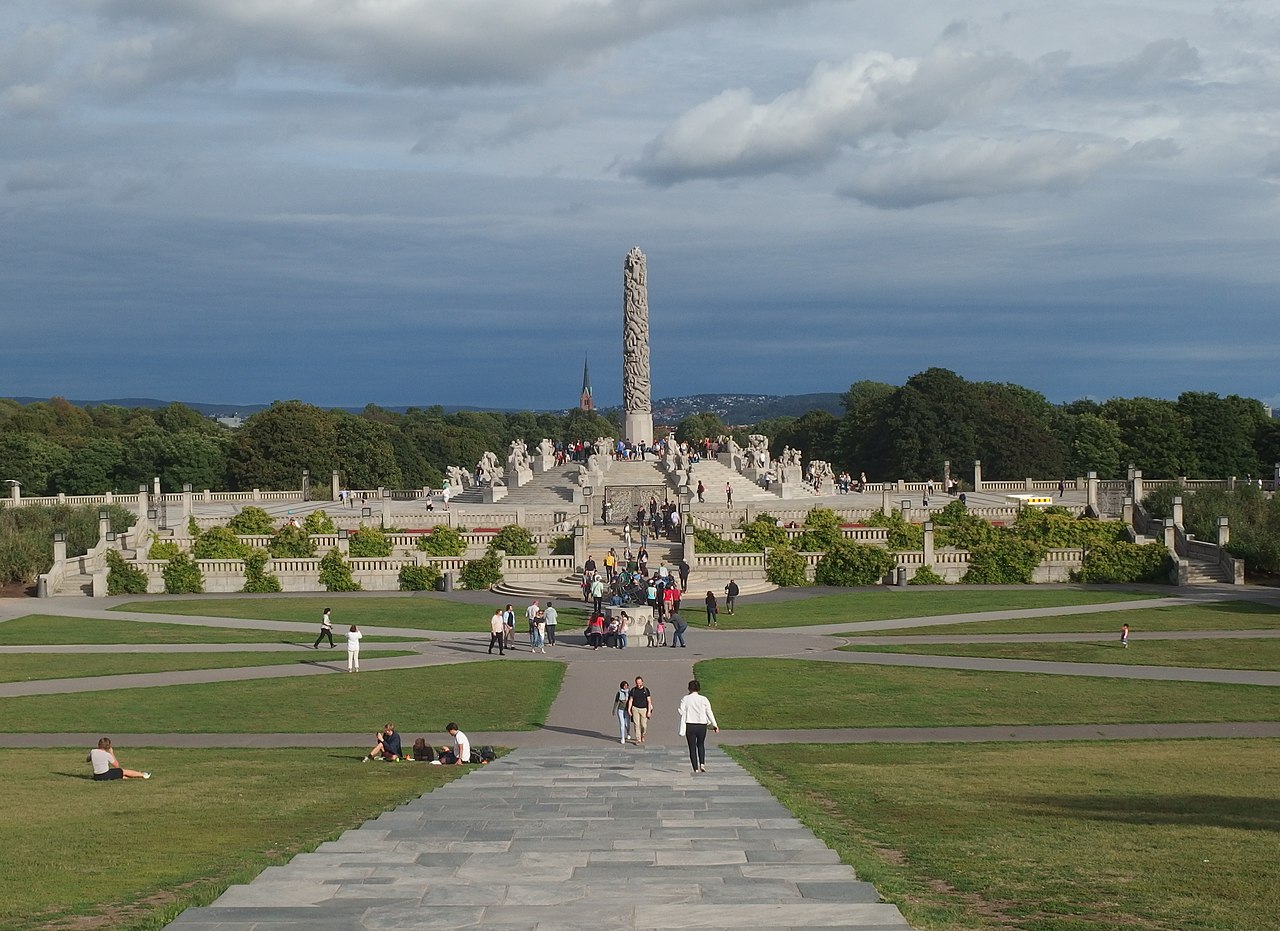
Vigeland Park is a surreal, open-air masterpiece of 212 human sculptures. Highlights: the iconic Angry Boy and the towering Monolith. Price: Free. Pro tip: Visit at sunrise for a misty, atmospheric experience and zero crowds. Check availability and explore popular experiences.
Oslo Opera House
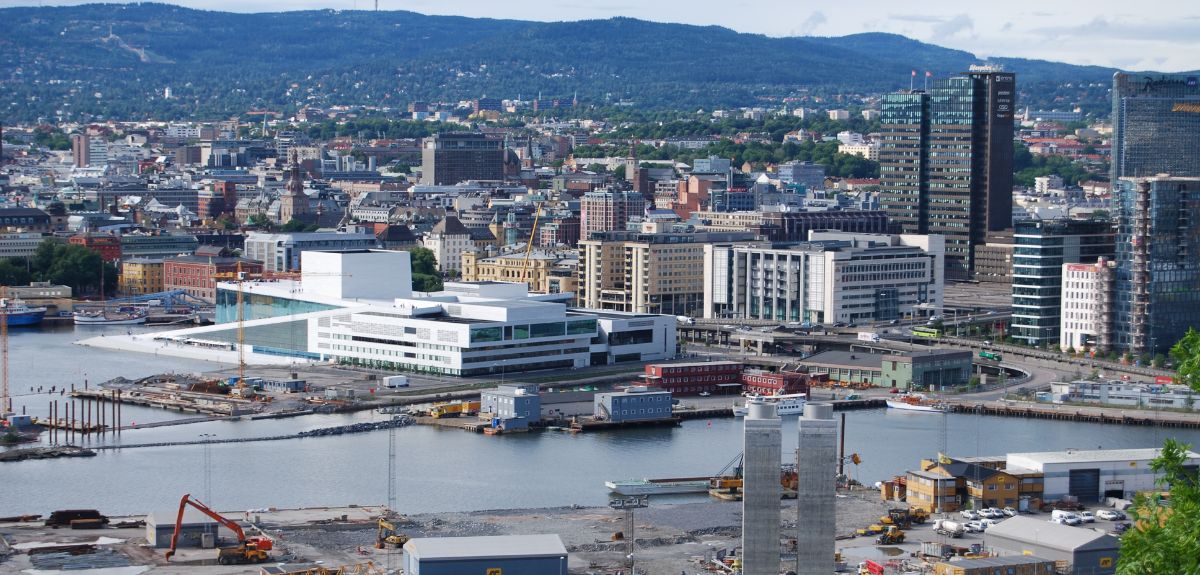
Rising from the fjord like a marble iceberg, this architectural gem invites you to scale its sloping roof for epic harbor views. Highlights: the oak wave interior and walkable plaza. Price: Free. Pro tip: Visit at sunset for golden-hour magic. Check availability and explore popular experiences.

Munch Museum
Dive into Edvard Munch’s world in this sleek, vertical museum. Highlights: “The Scream” and panoramic harbor views. Price: ~220 NOK. Pro tip: Check the top-floor sky bar for sunset drinks with a view. Check availability and explore popular experiences.

Akershus Fortress
A medieval stronghold standing guard over the harbor. Highlights: royal mausoleum, ancient dungeons, and rampart views. Price: Free (grounds) / ~100 NOK (castle). Pro tip: Visit at sunset for a picnic on the grass with epic fjord views. Check availability and explore popular experiences.

Fram Museum
Dive into Norway’s polar soul. Explore the legendary Fram, the world’s strongest wooden ship, and experience an immersive 270-degree storm. Price: ~180 NOK. Pro tip: Don’t miss the Gjøa building via the secret underground tunnel. Check availability and explore popular experiences.

Royal Palace
Experience royal grandeur at this neoclassical gem. Highlights: the Bird Room, Mirror Hall, and the daily Changing of the Guard. Price: Free (grounds) / ~175 NOK (tours). Pro tip: Catch the guard ceremony daily at 1:30 PM. Check availability and explore popular experiences.

Holmenkollen Ski Jump
This iconic steel spire offers a gravity-defying vibe and unmatched fjord panoramas. Highlights: the world’s oldest ski museum and the 60-meter jump tower. Price: ~190 NOK. Pro tip: Take the zipline down for an adrenaline-fueled exit. Check availability and explore popular experiences.

Bygdøy Peninsula
Oslo’s museum-filled oasis blends coastal charm with history. Highlights: the Folk Museum and Huk beach. Price: Free (peninsula) / ~180 NOK (museums). Pro tip: Catch the public ferry from Rådhusbrygge for a scenic, breeze-filled arrival. Check availability and explore popular experiences.
Aker Brygge
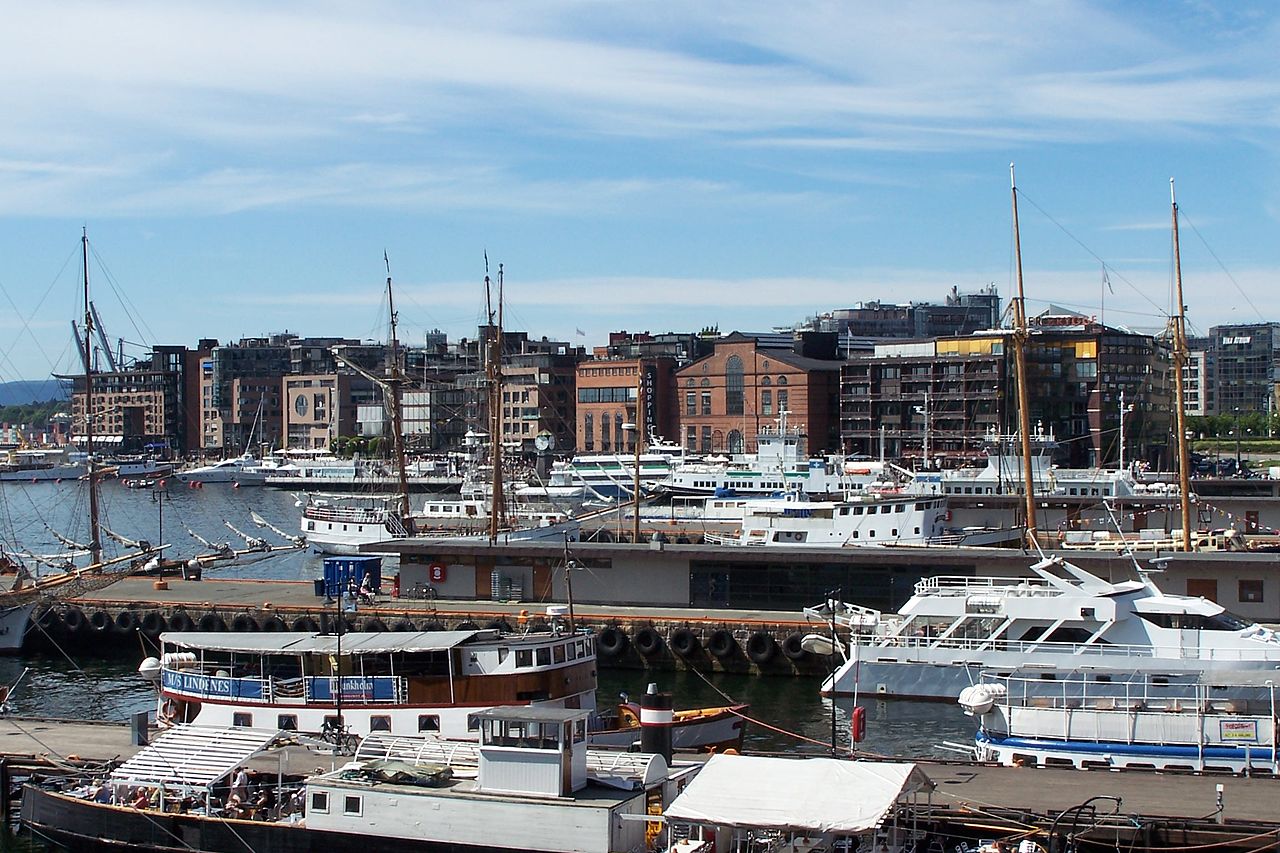
Oslo’s bustling waterfront blends industrial-chic vibes with seaside dining. Highlights: scenic boardwalk and Tjuvholmen art district. Price: Free. Pro tip: Grab a seafood snack from the docked boats for an authentic, affordable local experience. Check availability and explore popular experiences.
Oslo City Hall
This brick-clad icon houses the Nobel Peace Prize ceremony and massive, colorful murals. Vibe: monumental and artistic. Highlights: the Great Hall and the carillon. Price: Free. Pro tip: Visit the courtyard to see the intricate wooden Swan relief. Check availability and explore popular experiences.

Must-Do Activities in Oslo
To really get the most out of your trip, I recommend checking out these experiences:
No products were found!
What Part of Oslo is Best for Tourists?
Stay in the City Center. Everything will be within a 15-minute walk. If you want something a bit more local but still close, the Grünerløkka neighborhood is lovely—it features a hip, countercultural vibe with vintage shops, cozy cafés, and vibrant nightlife.
What to Know Before Going to Oslo
- The Tap Water is Gold: Oslo’s tap water is clean, safe, and of excellent quality; there is no need to buy bottled water.
- English is Universal: Almost all locals speak excellent English, making it very easy for international travelers to communicate and navigate.
- The Oslo Pass: This essential pass offers great value with free entry to 30+ museums and unlimited public transport.
- Sunday Closures: Most shops and supermarkets are closed on Sundays; only small “Brustadbu” convenience stores remain open.
- Tipping is Optional: Tipping is not expected as workers earn living wages; rounding up the bill is common for good service.
How Many Days Do I Need in Oslo?
3 days is perfect for first-timers to experience Oslo’s blend of cutting-edge architecture and maritime history.
- Day 1: Royal Palace, Oslo City Hall, Akershus Fortress, Oslo Opera House, Aker Brygge.
- Day 2: Munch Museum, Vigeland Park, Fram Museum, Bygdøy Peninsula.
- Day 3: Take a scenic trip to the Holmenkollen Ski Jump for panoramic fjord views.
Suggested daily budget – 170-230 EUR / 185-250 USD (Note: This covers 3-star hotels, mid-range restaurant meals, and a mix of public transport and paid museum entries. You can go cheaper if you buy groceries at Rema 1000 and explore the city’s many free parks and viewpoints on foot.)
MONEY SAVING TIPS
- Eat Your Main Meal at Lunch: Save money by choosing the Dagens Husmann (dish of the day) or visit Krishna Cuisine for a bargain lunch menu with free refills for about 155 NOK. For quick street food, grab a traditional hot dog with lompe at Syverkiosken.
- Join a Free Walking Tour: Meet at the Tiger statue in front of Oslo Central Station for a Free City Tour to see landmarks like the Opera House and Akershus Fortress for just the cost of a tip. Alternatively, visit the National Museum – Architecture on Thursdays when entry is free.
- Master the City Bike: Use the Oslo Bysykkel (Oslo City Bike) system to zip between attractions for a fraction of the cost of taxis. For public transport, the Oslo Pass is the best value, offering unlimited travel on all Ruter buses, trams, and ferries, plus free entry to 30+ museums.
- Sunset Picnic at the Opera: Avoid the 100 NOK beer prices at bars by grabbing local brews from a grocery store and heading to the walkable roof of the Oslo Opera House or the lawns of Sofienbergparken for a sunset drink with a world-class view.
What’s the Best Month to Visit Oslo?
May and September are the sweet spots for visiting Oslo. These months offer pleasant temperatures and beautiful seasonal colors while avoiding the peak summer crowds. However, December is a magical alternative, offering a festive atmosphere with charming Christmas markets, lights, and a cozy winter vibe throughout the city.
How to Get to Oslo
Most international travelers fly into Oslo Airport (OSL). Key direct connection hubs include London, Amsterdam, Paris, and New York (EWR/JFK).
- From the airport: The Flytoget express train reaches the city center in 20 minutes (approx. 230 NOK), while Vy regional trains take 25 minutes (approx. 120 NOK). Taxis take 40-50 minutes and cost 800-1,000 NOK.
- By Train: Oslo Central Station (Oslo S) provides direct rail connections to Bergen, Trondheim, Stavanger, and international service to Stockholm and Gothenburg.
How to Get Around Oslo
Stick to the world-class public transport—it’s the most efficient way to see Oslo.
- Car Rental: Not recommended for city exploration due to high tolls and limited parking, but use DiscoverCars for exploring the fjords.
- Walking: Ideal. The city center and waterfront are compact and pedestrian-friendly.
- Uber/Bolt: Both are widely available and reliable for quick trips.
- Tours: Excellent for non-drivers; guided boat tours and walking tours efficiently cover major highlights like the Opera House and museums.
Tips for first-timers: Avoid driving in the city center—High congestion, complex one-way systems, and expensive parking make it a logistical nightmare. Use the efficient tram and metro network or walk to explore the compact, pedestrian-friendly neighborhoods instead!
Oslo is the kind of place that lingers in your memory. Its essence lies in the seamless harmony between cutting-edge urban design and the raw, untamed beauty of the surrounding fjords and forests. This vibrant capital, steeped in maritime history and artistic soul, pulses with a quiet yet profound energy. Ultimately, Oslo leaves you with a renewed sense of wonder.
Note: This article contains affiliate links. If you purchase something I’ve recommended, I’ll earn a small commission at no extra cost to you. I really appreciate your support and I hope this guide helps you ♡