

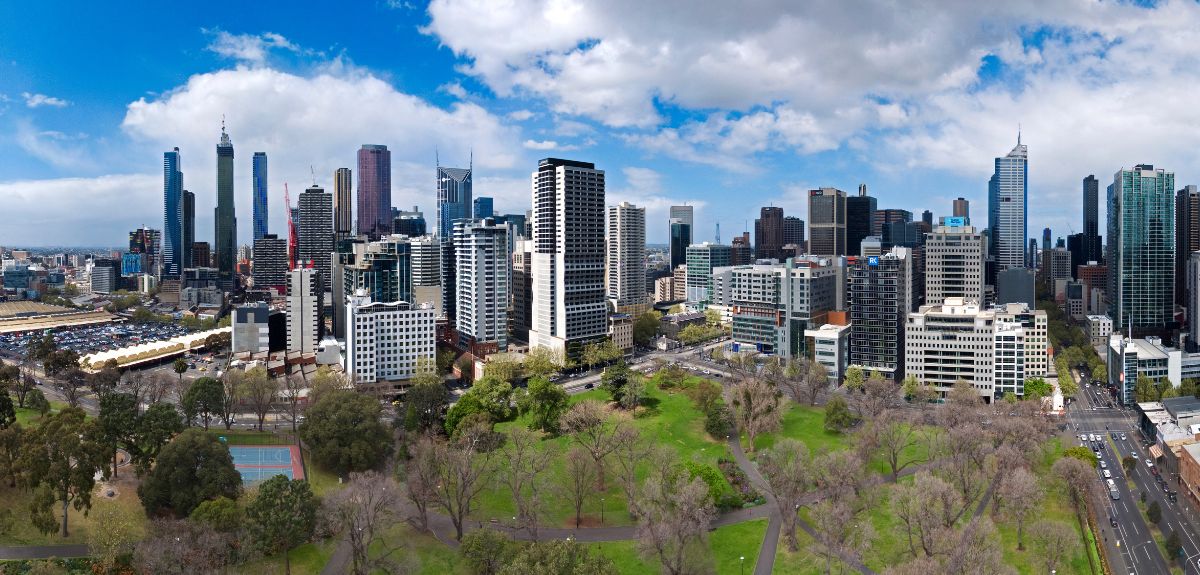
Melbourne is a city that dances to its own sophisticated rhythm, a vibrant tapestry of secret laneways, world-class art, and a coffee culture that is practically a religion. From the historic trams rattling past Victorian facades to the sleek skyscrapers reflecting the Yarra River, this Australian gem blends old-world elegance with a daring, modern edge that invites every traveler to lose themselves in its charm.
Why Visit Melbourne?
Whether you are a foodie seeking the ultimate brunch or a culture vulture hunting for hidden galleries, Melbourne offers an intoxicating mix of experiences that capture the soul of Australia’s cultural capital:
- Federation Square: Immerse yourself in the city’s edgy heart, where striking architecture meets a bustling hub of galleries, museums, and open-air performances.
- Royal Botanic Gardens: Wander through this emerald sanctuary of exotic flora and tranquil lakes, offering a serene escape just steps from the urban buzz.
- Queen Victoria Market: Dive into the sensory delight of this historic open-air market, where artisanal treasures and legendary street food create a vibrant local atmosphere.
- Flinders Street Station: Marvel at the golden sandstone and iconic copper dome of this heritage landmark, the timeless pulse of Melbourne’s bustling city center.
- St Kilda Pier: Take a sunset stroll along the historic boardwalk to catch breathtaking skyline views and a glimpse of the famous colony of little penguins.
Melbourne is more than just a destination; it is a feeling of creative energy and effortless style that promises an unforgettable escape for the spirited traveler.
MELBOURNE KEY INFO
Everything you need to hit the ground running.
WHEN TO VISIT
December to February for warm beach weather and outdoor festivals; March to May for mild temperatures and vibrant autumn foliage.
HOW TO GET THERE
Fly into Melbourne Airport (MEL). It’s the SkyBus express service to the city center (~30-45 min).
HOW TO GET AROUND
Tram! It’s the world’s largest network and free within the CBD. Use a myki card or the PTV app to explore further suburbs efficiently.
IDEAL TRIP LENGTH
3-5 days for the city itself, but 7 days if you want to include day trips to the Great Ocean Road, Phillip Island, or Yarra Valley.
What is Melbourne Mainly Known For?
Melbourne is famous for its vibrant laneways, a hidden labyrinth of world-class street art and secret bars. It’s also known for Flinders Street Station, an iconic gold-hued heritage hub and the city’s pulse. Beyond the sights, it’s known as the cultural and coffee capital of Australia, where a sophisticated, creative soul thrives in every corner.
Is Melbourne a Walkable City?
100% yes. Melbourne’s CBD and inner suburbs are incredibly walkable and flat, filled with iconic laneways and car-free zones. I love soaking in the vibrant street art and cafe culture without the constant drone of traffic.
Is it safe to walk in Melbourne at night? Absolutely. It is consistently ranked among the world’s safest cities. I always feel at ease, though I recommend using standard traveler’s common sense.
What Is the Best Neighborhood to Walk Around?
The CBD is the winner, a vibrant historic grid nestled along the Yarra River. Its famous bluestone laneways are a tapestry of colorful street art, hidden bars, and ornate Victorian arcades like the Royal Arcade. For something completely different, walk over to Fitzroy, a bohemian district filled with eclectic indie galleries, vintage boutiques, and a gritty, creative pulse that defines Melbourne’s alternative scene.
What Are the Best Things to Do in Melbourne? (For Your First Visit)
I visited Melbourne without a strict day-by-day plan. I wanted to take my time, enjoy the edgy cultural heart and indie vibes, and see where the streets took me. I wrote down a few highlights and hit the ground running. Here are the spots I definitely recommend checking out:
Federation Square
Melbourne’s edgy cultural heart. This angular masterpiece hums with indie vibes, world-class galleries like ACMI, and big-screen buzz. Cost: Free. Pro tip: Grab a rooftop cocktail at Transit for killer Yarra River views as the city lights up. Check availability and explore popular experiences.

Royal Botanic Gardens
Melbourne’s lush green heart. Wander through Fern Gully and the Arid Garden for major botanical vibes. Price: Free. Pro tip: Jog “The Tan” at sunset for the ultimate local experience and killer skyline views. Check availability and explore popular experiences.

Credit: Wikimedia Commons
Queen Victoria Market
Melbourne’s historic heart and soul. Dive into 600+ stalls featuring artisanal goods, fresh produce, and legendary hot jam doughnuts. Price: Free entry. Pro tip: Visit the Wednesday Night Market for street food, live music, and vibrant summer vibes. Check availability and explore popular experiences.

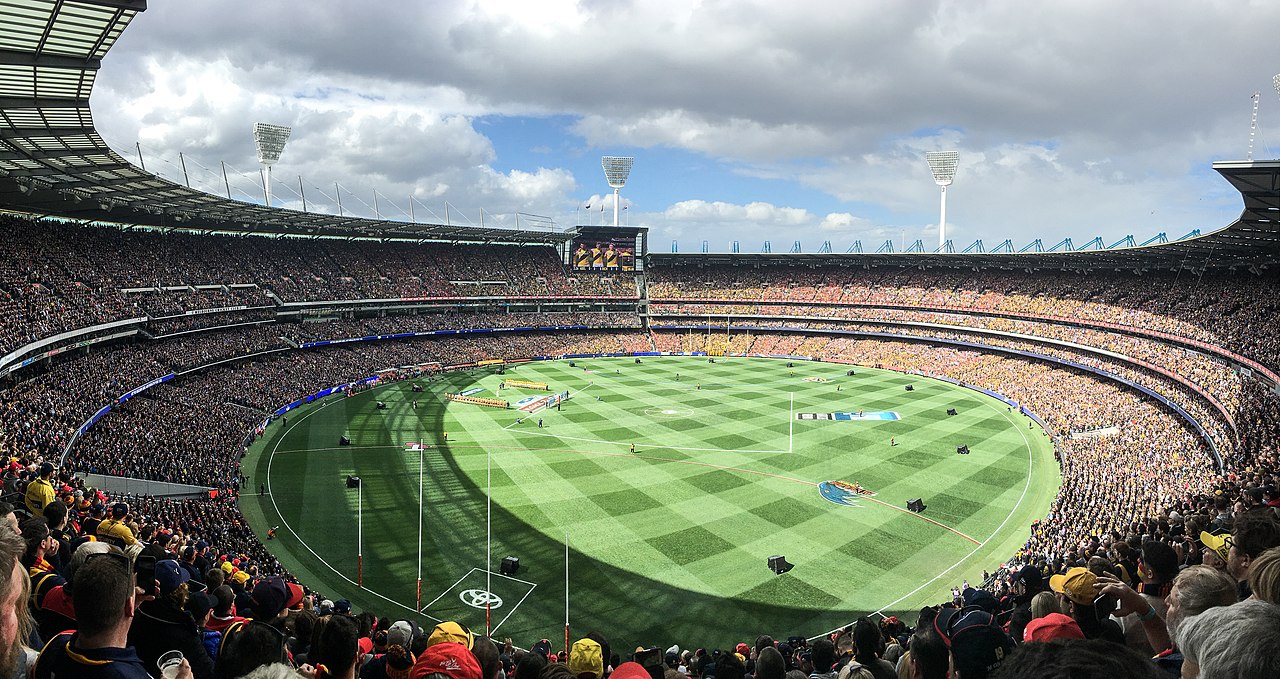
Melbourne Cricket Ground
Melbourne’s hallowed sporting coliseum. Feel the electric history while exploring the MCC Long Room and player changerooms. Price: ~A$35 for tours. Pro tip: Visit on non-match days for full behind-the-scenes access to the turf. Check availability and explore popular experiences.
Flinders Street Station
Melbourne’s golden icon. This bustling heritage hub is the city’s pulse. Highlights: the famous entry clocks and grand copper dome. Price: Free. Pro tip: Meet “under the clocks” at sunset for the ultimate local vibe. Check availability and explore popular experiences.

Shrine of Remembrance
Melbourne’s solemn, Greco-Roman masterpiece. Explore moving galleries and the sacred Sanctuary. Price: Free. Pro tip: Head to the balcony for epic, Insta-worthy views of the city skyline and lush gardens. Check availability and explore popular experiences.

State Library of Victoria
Step into Edwardian splendor at Australia’s oldest library. Marvel at the soaring La Trobe Reading Room dome and Ned Kelly’s armor. Price: Free. Pro tip: Head to the 6th-floor balcony for the ultimate “Dome selfie” without the crowds. Check availability and explore popular experiences.

St Kilda Pier
Melbourne’s coastal chill spot. Walk the historic pier for epic skyline views and catch the local little penguins waddling home at the breakwater. Cost: Free. Pro tip: Book your free viewing ticket online early to secure a sunset spot. Check availability and explore popular experiences.

Eureka Skydeck
Soar above the city at this high-altitude hangout. Catch 360-degree views and brave The Edge, a suspended glass cube. Price: ~A$33. Pro tip: Arrive at sunset to watch the skyline transition from golden hour to sparkling city lights. Check availability and explore popular experiences.

Credit: Wikimedia Commons
Luna Park
Step through Mr. Moon’s mouth for vintage seaside thrills. Brave the historic Scenic Railway for epic bay views. Cost: ~A$15–60. Pro tip: Visit at sunset when 6,000 lights transform the park into a glowing carnival wonderland. Check availability and explore popular experiences.

Must-Do Activities in Melbourne
To really get the most out of your trip, I recommend checking out these experiences:
No products were found!
What Part of Melbourne is Best for Tourists?
Stay in the CBD. Everything will be within a 20-minute walk. If you want something a bit more local but still close, the Fitzroy district is lovely—it features a bohemian vibe, world-class coffee culture, and vibrant street art galleries.
What to Know Before Going to Melbourne
- The Tap Water is Gold: Melbourne has some of the world’s best drinking water; it is safe and delicious to drink from the tap.
- English is the Standard: English is the primary language, and you will have no trouble communicating with locals or service staff.
- The Melbourne City Card: This pass offers free entry to top attractions and is worth it if you plan to visit multiple sites.
- Open on Sundays: Unlike many European cities, major shops and supermarkets in Melbourne remain open on Sundays for your convenience.
- Tipping is Optional: Tipping is not expected in Australia, but 10% for exceptional restaurant service is a nice gesture.
How Many Days Do I Need in Melbourne?
3 days is the ideal duration for first-time visitors to balance iconic city culture, world-class sporting history, and vibrant coastal neighborhoods.
- Day 1: Federation Square, Flinders Street Station, St Paul’s Cathedral, Eureka Skydeck, Melbourne Laneways.
- Day 2: Queen Victoria Market, Melbourne Cricket Ground, Royal Botanic Gardens, Shrine of Remembrance, National Gallery of Victoria.
- Day 3: Take a scenic day trip along the Great Ocean Road or visit the penguins at Phillip Island.
Suggested daily budget – 180-260 EUR / 200-290 USD (Note: This covers mid-range 4-star hotels, dining at trendy cafes and restaurants, and Myki cards for trams and trains. You can go cheaper if you stick to the Free Tram Zone in the CBD or eat at Queen Victoria Market food stalls).
MONEY SAVING TIPS
- Savvy Street Eats: Skip pricey sit-down meals and head to Queen Victoria Market for a legendary hot jam doughnut or grab a budget-friendly borek for under $10.
- Tip-Based Trekking: Join a Melbourne Free Walking Tour to see the CBD’s highlights; look for the guide with the orange umbrella meeting daily at the steps of Federation Square.
- Master the Myki: Take advantage of the completely Free Tram Zone within the city center, or purchase a Myki Explorer pack for $16 which includes $10 of credit and local attraction discounts.
- Sunset at the Botanic Gardens: Avoid expensive rooftop bar tabs by grabbing a local brew from a bottle shop and heading to the lakeside lawns of the Royal Botanic Gardens for a scenic sunset picnic.
What’s the Best Month to Visit Melbourne?
March and October are the sweet spots for visiting Melbourne. These months offer mild, pleasant weather and fewer crowds, perfect for exploring the city’s famous cafes and gardens. However, January is a fantastic alternative for its high-energy atmosphere, world-class sporting events like the Australian Open, and vibrant summer festivals.
How to Get to Melbourne
Most international travelers fly into Melbourne Airport (MEL). It serves as a major hub with direct connections from Los Angeles, San Francisco, London, Singapore, and Hong Kong.
- From the airport: The SkyBus Express reaches the city center in about 22–35 minutes for approximately AUD 22. Taxis and rideshares cost between AUD 45 and AUD 75.
- By Train: Southern Cross Station connects Melbourne to interstate cities like Sydney and Adelaide, as well as regional Victorian hubs like Geelong and Bendigo via V/Line.
/tp_widget]
How to Get Around Melbourne
Use the free city trams and extensive train network—it is the best way to navigate.
- Car Rental: Not recommended for the city due to expensive parking and complex “hook turns.” Use DiscoverCars only for regional trips like the Great Ocean Road.
- Walking: Perfect for the CBD, laneways, and Southbank, which are highly compact and pedestrian-friendly.
- Uber/Bolt: Both are widely available and reliable for late-night trips or point-to-point travel.
- Tours: Excellent for reaching Phillip Island or the Yarra Valley without a car.
Tips for first-timers: Avoid driving in the CBD—Congestion and complex hook turns make it a stressful nightmare. Take advantage of the Free Tram Zone to explore the city center effortlessly and without a myki card!
Melbourne is the kind of place that steals your heart. It is a vibrant tapestry of hidden laneways, world-class coffee culture, and an electric creative energy that pulses through every historic landmark and lush garden. As the city’s golden sunset fades over the Yarra, it leaves you with a renewed sense of wonder.
Note: This article contains affiliate links. If you purchase something I’ve recommended, I’ll earn a small commission at no extra cost to you. I really appreciate your support and I hope this guide helps you ♡