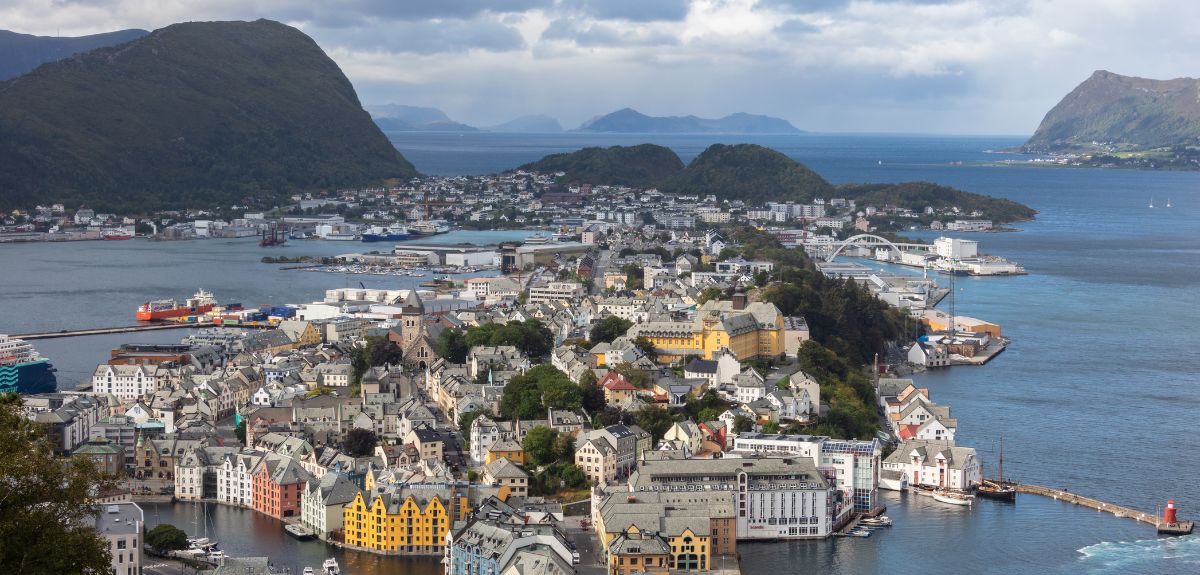


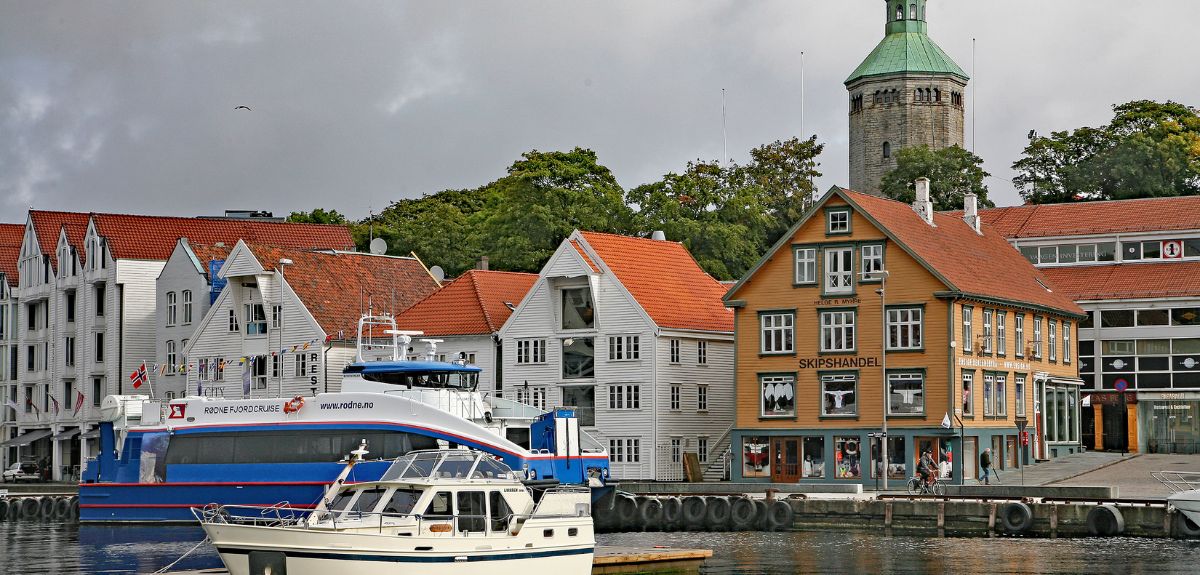
Perched on the edge of the dramatic North Sea, Stavanger emerges as a shimmering mosaic of pristine white timber, neon-hued lanes, and the raw, untamed power of the fjords. To wander through this coastal gem is to dance between the whispers of Viking history and a sophisticated, high-tech future, all while the salty Atlantic breeze tells tales of maritime glory and mountain summits that touch the sky.
Why Visit Stavanger?
Stavanger is the captivating gateway to Norway’s wild heart, where cosmopolitan elegance meets the breathtaking grandeur of the natural world.
- Old Stavanger invites you to lose yourself in a fairytale of 170 pristine white cottages, where blooming gardens and cobblestone paths glow with timeless charm.
- Pulpit Rock offers a pulse-pounding pilgrimage to a granite plateau 604 meters above the Lysefjord, revealing views that feel like the very edge of the world.
- Øvre Holmegate, known as the Colour Street, sparkles with a bohemian energy, its candy-hued facades housing the city’s most chic cafes and hidden boutiques.
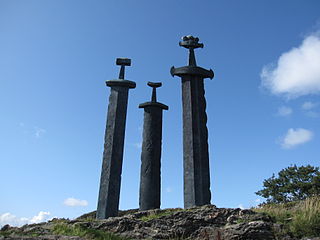
- Swords in Rock stands as a legendary tribute to a unified Norway, where three massive bronze blades pierce the shoreline under the moody glow of a Viking sunset.
- The Lysefjord serves as a majestic glacial theatre, where emerald waters reflect cascading waterfalls and the sheer, towering cliffs of the Norwegian wilderness.
From its Michelin-starred flavors to the silent majesty of its peaks, Stavanger is a destination that doesn’t just invite exploration—it leaves an indelible mark on your soul.
STAVANGER KEY INFO
Everything you need to hit the ground running.
WHEN TO VISIT
June to August for long days and peak hiking; May or September for fewer crowds and mild weather.
HOW TO GET THERE
Fly into Stavanger International Airport (SVG). It’s an airport express bus or taxi to the city center (~20-30 min).
HOW TO GET AROUND
Walk! Stavanger’s historic core is incredibly compact and best explored on foot. For longer trips, use the Kolumbus Sanntid app to navigate the efficient local bus and ferry network.
IDEAL TRIP LENGTH
1-2 days for the city itself, but 4-5 days if you want to include iconic hikes like Pulpit Rock and Kjeragbolten.
What is Stavanger Mainly Known For?
Stavanger is famous for Pulpit Rock, a dramatic cliff that legend says will fall only when seven brothers marry seven sisters. It’s also known for Old Stavanger, a charming district featuring over 170 historic white wooden cottages. Beyond the sights, it’s known as the Oil Capital of Norway, offering a high-tech yet cozy coastal vibe.
Is Stavanger a Walkable City?
100% yes. Stavanger is incredibly compact and pedestrian-friendly, with many attractions clustered together. I loved wandering through the quiet, white-painted wooden houses of Old Stavanger and the vibrant Fargegaten without any traffic noise.
Is it safe to walk in Stavanger at night? Absolutely. It is one of the world’s safest cities. I felt completely at ease exploring after dark, though standard common sense remains wise.
What Is the Best Neighborhood to Walk Around?
Old Stavanger (Gamle Stavanger) is the winner. Perched on the hillside overlooking Vågen Harbour, it offers a timeless vibe of 170+ pristine white wooden cottages and winding cobblestone streets. For something completely different, walk over to Øvre Holmegate, a neon-hued dream known as The Colour Street, famous for its vibrant houses, quirky boutiques, and artistic, bohemian energy.
What Are the Best Things to Do in Stavanger? (For Your First Visit)
I visited Stavanger without a strict day-by-day plan. I wanted to take my time, enjoy the cozy maritime vibe and colorful streets, and see where the path took me. I wrote down a few highlights and hit the ground running. Here are the spots I definitely recommend checking out:
Old Stavanger (Gamle Stavanger)
Step back in time among 170+ pristine white wooden cottages and blooming gardens. Wander the charming cobblestone streets of Northern Europe’s best-preserved old town. Price: Free. Pro tip: Visit at twilight for the most magical, glowy photo ops. Check availability and explore popular experiences.

Pulpit Rock (Preikestolen)
Stand on the edge of the world at this 604-meter cliff. Experience gut-wrenching views of Lysefjord and epic granite landscapes. Price: Free (parking fee applies). Pro tip: Hike for sunrise to beat crowds and catch golden hour. Check availability and explore popular experiences.

Lysefjord
Experience Norway’s raw power in this 42km glacial masterpiece. Marvel at cascading waterfalls and the gravity-defying Preikestolen from the water. Price: Free (cruises ~$60-90). Pro tip: Take a RIB boat for a high-speed, misty thrill. Check availability and explore popular experiences.

Norwegian Petroleum Museum
Discover Norway’s industrial heart in this architectural landmark. Explore massive offshore models, interactive oil rig life, and climate exhibits. Vibe: High-tech meets maritime grit. Price: ~150 NOK. Pro tip: Don’t miss the Geopark’s industrial playground right outside! Check availability and explore popular experiences.
Øvre Holmegate (The Colour Street)
Stavanger’s most vibrant street is a neon-hued dream. Wander past candy-colored houses packed with quirky cafes and boutiques. Vibe: Cool and artistic. Price: Free. Pro tip: Grab a coffee at Bøker og Børst for the ultimate local scene. Check availability and explore popular experiences.

Stavanger Cathedral
Step into Norway’s oldest cathedral for serious medieval vibes. Marvel at the intricate 17th-century pulpit and stunning stained glass. Vibe: Ancient, peaceful, and historic. Price: ~75 NOK. Pro tip: Catch the organ recital on Thursdays at 11:15 AM. Check availability and explore popular experiences.

Swords in Rock (Sverd i Fjell)
Feel the Viking spirit at this epic monument where three massive bronze swords tower over the fjord. It’s atmospheric, historic, and totally legendary. Price: Free. Pro tip: Visit at sunset for a stunning, moody silhouette. Check availability and explore popular experiences.
Norwegian Canning Museum
Step into a vintage cannery for a nostalgic, industrial vibe. Explore 30,000+ quirky labels and interactive sardine-packing machines. Price: ~150 NOK. Pro tip: Visit on the first Sunday of the month for freshly smoked sardines. Check availability and explore popular experiences.

Vågen Harbour
Stavanger’s heart pulses at this historic waterfront. Watch majestic tall ships and yachts while enjoying the bustling seaside energy. Price: Free. Pro tip: Grab local seafood and snag a bench for the best people-watching in the city. Check availability and explore popular experiences.

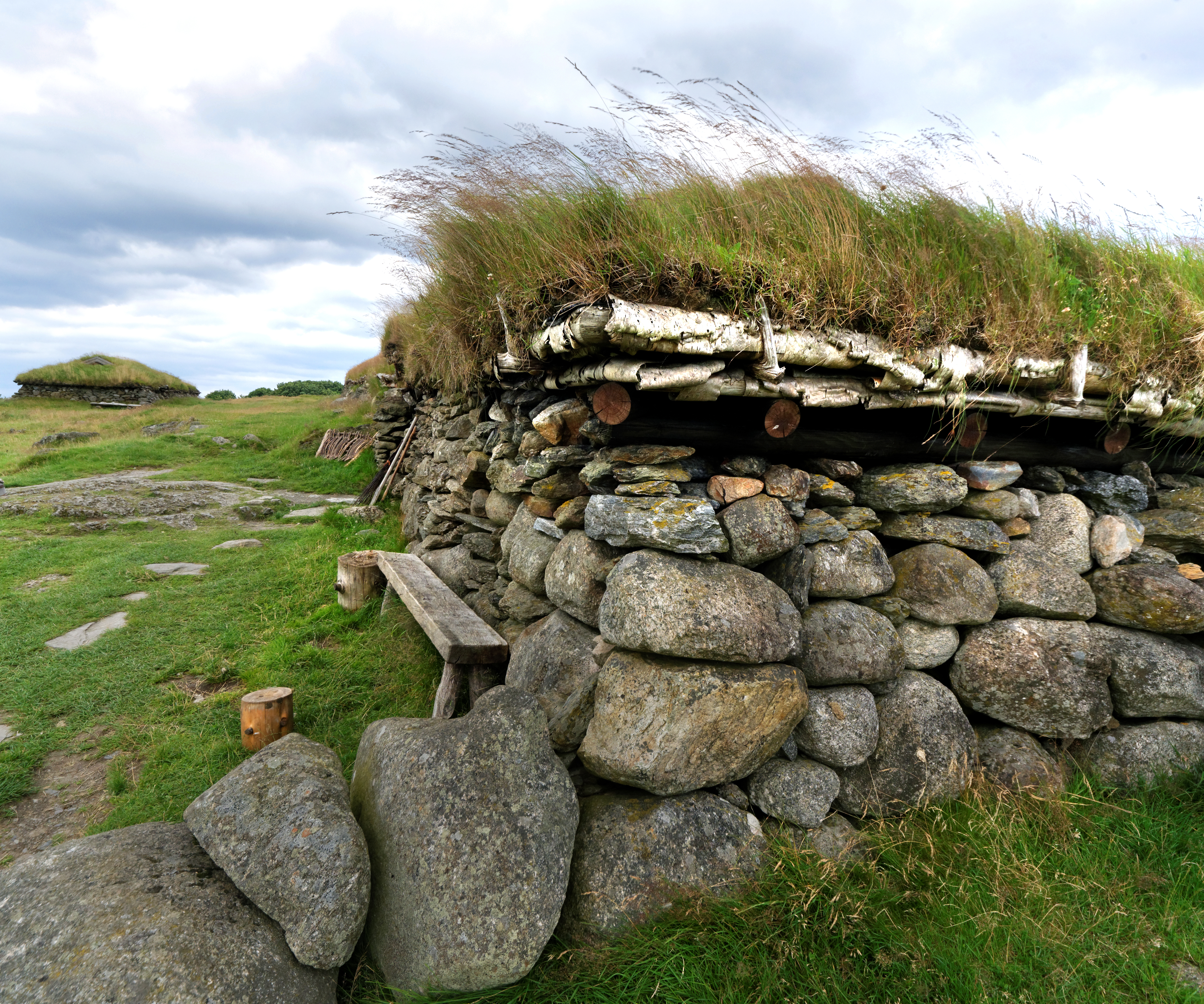
Iron Age Farm
Step back 1,500 years at this reconstructed farmstead. Roam longhouses and sit by crackling fires for a mystical, ancient vibe. Price: ~100 NOK. Pro tip: Visit in summer to meet costumed storytellers and taste traditional Iron Age food. Check availability and explore popular experiences.
Must-Do Activities in Stavanger
To really get the most out of your trip, I recommend checking out these experiences:
No products were found!
What Part of Stavanger is Best for Tourists?
Stay in the City Center. Everything will be within a 15-minute walk. If you want something a bit more local but still close, the Storhaug neighborhood is lovely—it features the vibrant Øvre Holmegate with its candy-colored houses and trendy independent cafes.
What to Know Before Going to Stavanger
- The Tap Water is Gold: Norway’s tap water is among the cleanest in the world; skip the plastic and drink for free.
- English is Universal: Locals speak nearly flawless English, making it incredibly easy to navigate and communicate throughout the city.
- The Stavanger Card: This pass offers free museum entry and bus travel; it’s a smart investment for busy explorers.
- Sundays are Quiet: Most supermarkets and retail shops close on Sundays, so plan your shopping and errands accordingly.
- Tipping is Optional: Service is already included in the bill, but rounding up or adding 10% is common for great service.
How Many Days Do I Need in Stavanger?
3 days is perfect for first-timers to experience Stavanger’s historic charm and dramatic fjord landscapes.
- Day 1: Old Stavanger (Gamle Stavanger), Stavanger Cathedral, Vågen Harbour, Swords in Rock (Sverd i Fjell).
- Day 2: Øvre Holmegate (The Colour Street), Norwegian Petroleum Museum, Norwegian Canning Museum, Iron Age Farm.
- Day 3: Take a scenic day trip to Pulpit Rock (Preikestolen) and Lysefjord.
Suggested daily budget – 180-240 EUR / 190-255 USD (Note: This covers a mid-range hotel, a mix of grocery meals and budget restaurants, and public transport or standard museum entries. You can go cheaper if you utilize self-catering facilities and stick to free activities like hiking to Pulpit Rock.)
MONEY SAVING TIPS
- Score a ‘Dagens’ Deal: Skip the expensive dinner menus and look for the ‘Dagens Rett’ (Dish of the Day) at local spots like Lervig Local or Fish & Cow for a high-quality lunch at a fraction of the evening price.
- Join the Free Walk: Meet at the Domkirke (Stavanger Cathedral) in the city center for a Free Walking Tour to see the white wooden houses of Gamle Stavanger and the harbor for just the cost of a tip.
- Grab a Bysykkel: Use the city’s Kolumbus Bysykkel bike-share system for short trips around the center; it’s much cheaper than taxis and often included for free if you have a 24-hour or 7-day Kolumbus bus pass.
- Sunset at Vågen: Buy a local Lervig craft beer from a REMA 1000 or KiWi grocery store and head to the harbor steps at Vågen or the Geopark for a scenic sunset drink without the staggering bar prices.
What’s the Best Month to Visit Stavanger?
May and June are the sweet spots for visiting Stavanger. These months offer pleasant weather and lower rainfall, perfect for exploring the white wooden houses of Gamle Stavanger and hiking Pulpit Rock without peak summer crowds. However, December is a wonderful alternative, offering a festive atmosphere with beautiful Christmas markets and a cozy winter vibe throughout the city.
How to Get to Stavanger
Most international travelers fly into Stavanger Airport (SVG). Key direct connection hubs include London, Amsterdam, Copenhagen, and Frankfurt; travelers from the US typically connect through these European cities or Oslo.
- From the airport: A taxi to the city center takes about 15 minutes and costs approximately 45 EUR (500 NOK). The FB Airport Express bus takes 30 minutes and costs about 14 EUR (158 NOK).
- By Train: Stavanger is the terminus of the Sørlandet Line, offering frequent rail connections to Kristiansand and Oslo.
How to Get Around Stavanger
Explore the city center on foot and use boats for the fjords.
- Car Rental: Highly recommended for reaching hiking trailheads like Preikestolen independently; use DiscoverCars to compare prices.
- Walking: Ideal for the compact historic center, colorful streets, and harbor.
- Uber/Bolt: Available but limited; the Kolumbus bus network is a better value.
- Tours: Excellent for non-drivers, especially for Lysefjord cruises and guided hikes to Pulpit Rock.
Tips for first-timers: Avoid driving in the city center—Narrow cobblestone streets and limited, expensive parking make navigation a stressful nightmare. Walk to explore the compact, historic wharf or use the efficient local bus system instead!
Stavanger is the kind of place that steals your heart. It is a coastal masterpiece where raw, majestic fjords meet the quiet charm of cobblestone lanes and ancient timbered history. Between neon artistic streets and the salt-kissed air, the city pulses with a resilient, welcoming energy. Ultimately, it leaves you with a renewed sense of wonder.
Note: This article contains affiliate links. If you purchase something I’ve recommended, I’ll earn a small commission at no extra cost to you. I really appreciate your support and I hope this guide helps you ♡