If you’re dreaming of a trip to Saudi Arabia, you’re in for something special. I’ve spent real time exploring this vast, rapidly opening country—wandering Riyadh’s mix of mud-brick history and glass towers, breathing in the Red Sea air in Jeddah, standing under the stars in Al-Ula’s desert, and feeling the deep pull of Medina and Mecca. Saudi Arabia hits differently. It’s not just another Gulf stop. You’re looking at ancient Nabataean tombs that rival Petra, UNESCO old towns built from coral stone, the birthplace of the modern Saudi state, and cities that are rewriting their story in real time under Vision 2030. Whether you’re after desert silence, coastal energy, spiritual weight, or big-city buzz, these places deliver. Let me walk you through my top picks, with practical notes and a few of my own moments so you can plan smart and travel better.
Saudi Arabia is huge—roughly the size of Western Europe—and every region has its own rhythm. I’ve narrowed it to five must-visit cities that give you the full range: Riyadh, Jeddah, Mecca, Medina, and Al-Ula. Each one feels distinct, and I’ll point you toward deeper city guides so you can dig in further. You’ll also get the real talk on costs, money-saving moves, and what daily life actually feels like on the ground.
Top Cities to Visit in Saudi Arabia
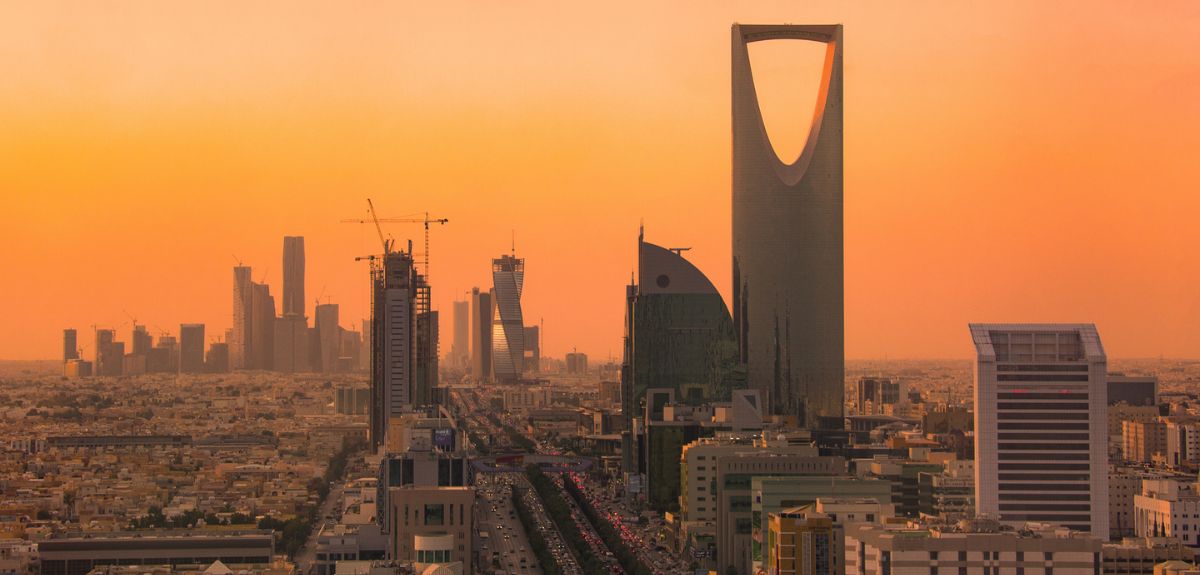
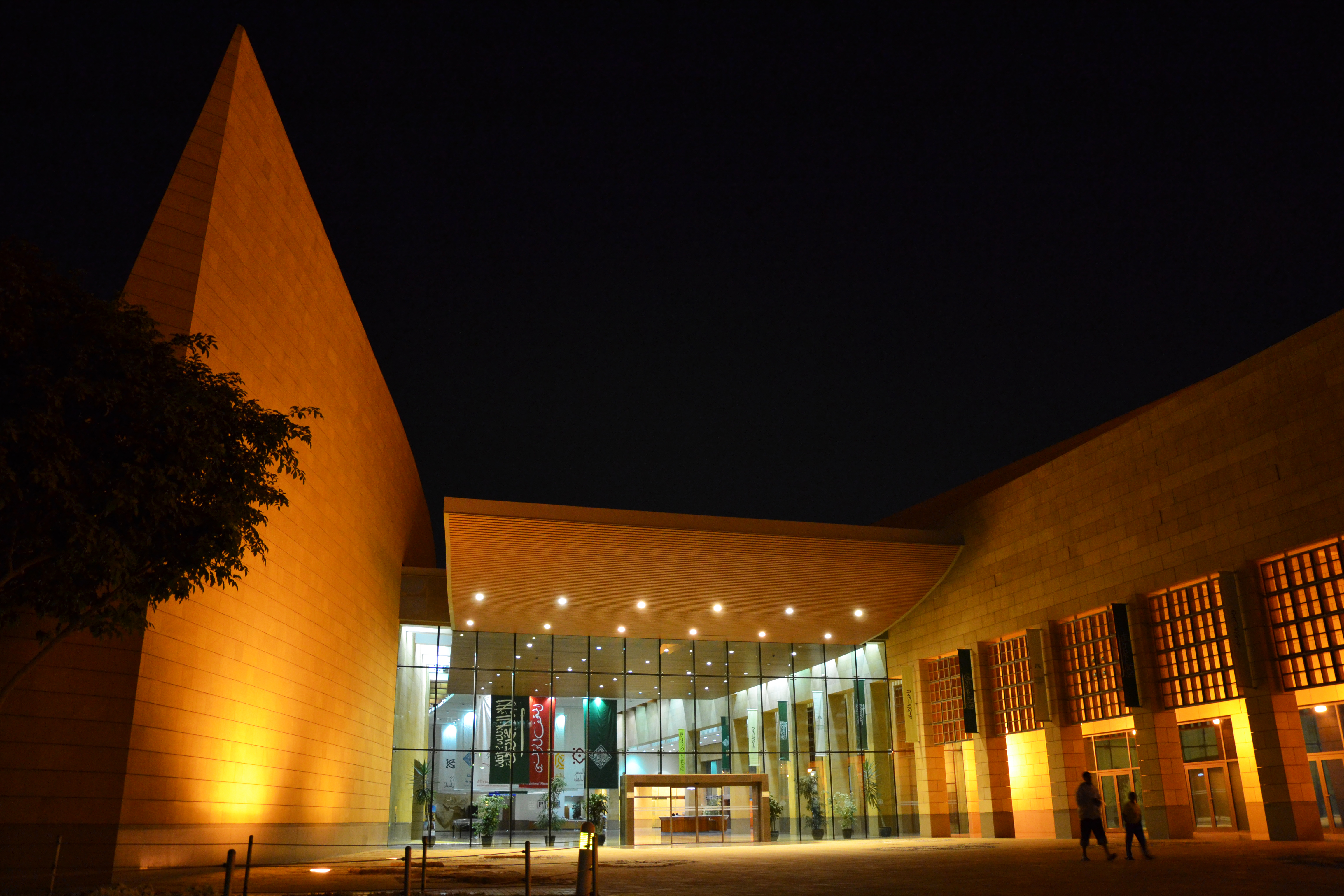
- Riyadh: The dynamic capital where mud-brick Diriyah meets gleaming skyscrapers, world-class museums, and desert edges that feel like the end of the world.
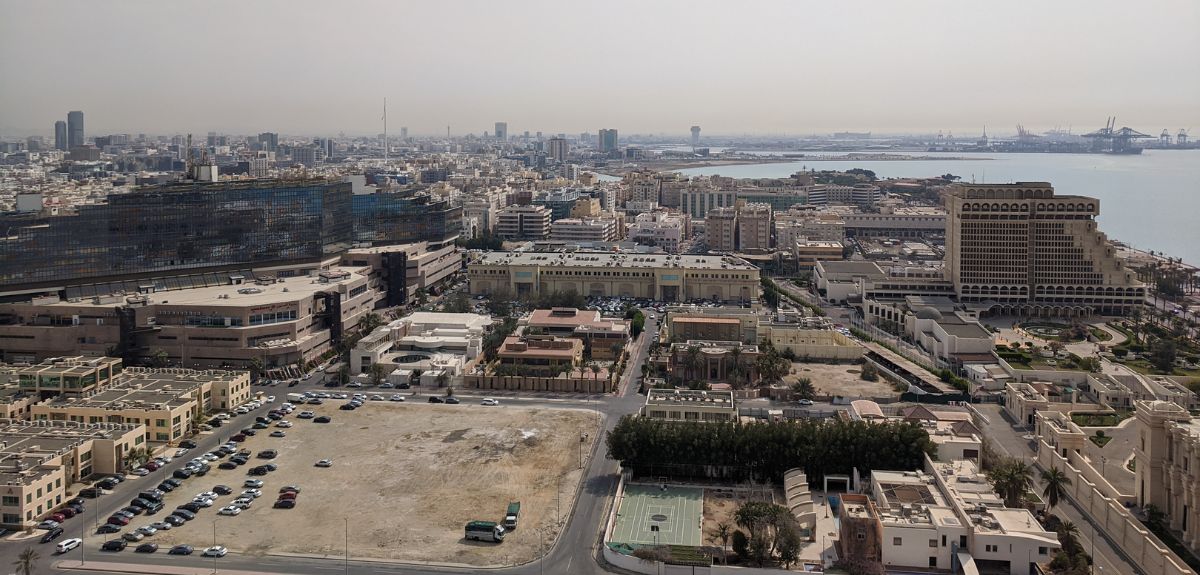
- Jeddah: The Red Sea gateway with a UNESCO-listed old town of coral-stone houses, lively souqs, and a cosmopolitan waterfront vibe.
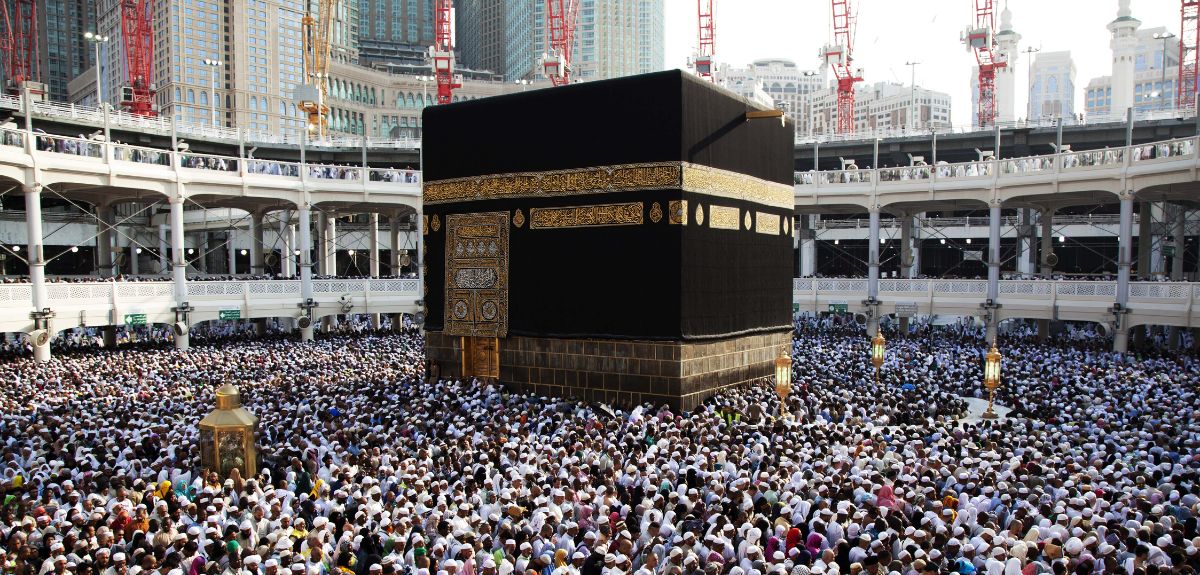
- Mecca: The spiritual heart of Islam and home to the Grand Mosque—an experience that draws millions of Muslim travelers every year.
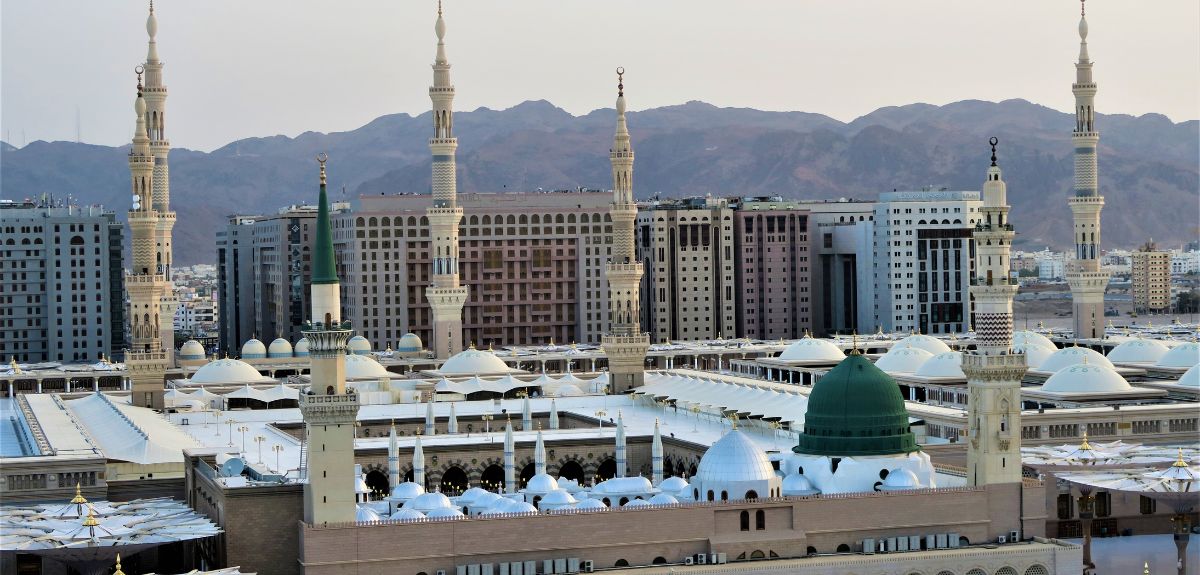
- Medina: The City of the Prophet, calmer and deeply meaningful, centered on the Prophet’s Mosque and surrounding historic sites.
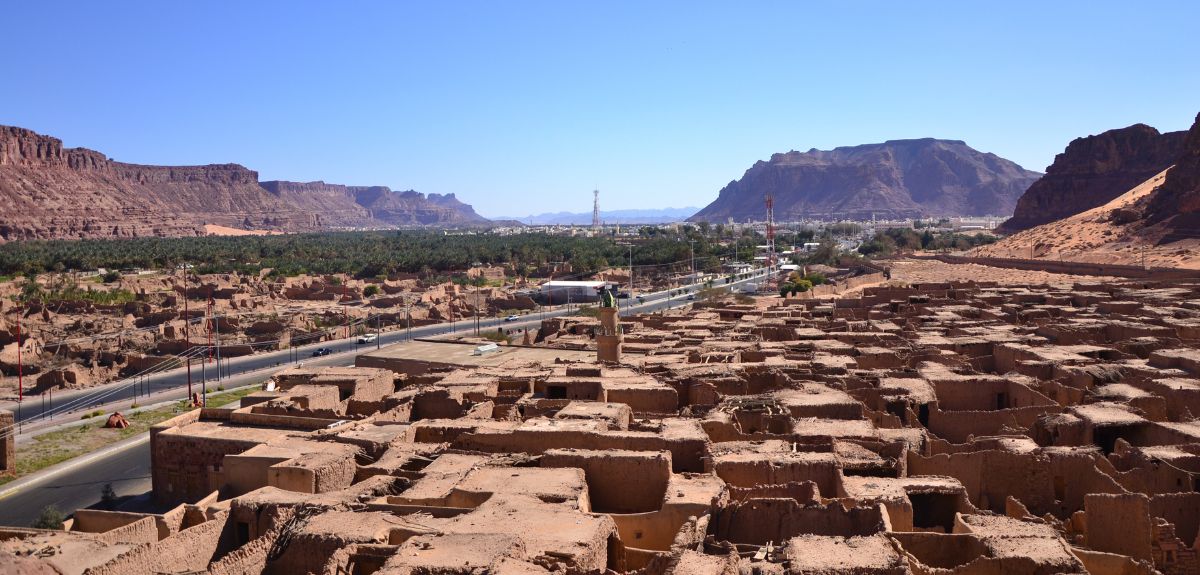
- Al-Ula: Saudi Arabia’s showstopper—ancient Nabataean tombs at Hegra, dramatic sandstone landscapes, and some of the best night skies you’ll ever see.
Accommodation – Mid-range hotels in Riyadh or Jeddah usually run $60–150 USD per night for a solid double with private bathroom and good location. Budget options and hostels (more common now in the bigger cities) start around $20–50 USD. Al-Ula is pricier because of limited inventory—expect mid-range from $120–250+ and luxury desert camps or resorts easily $300–600+. Peak season (October–March) pushes prices up; summer heat brings better deals if you can handle the temperatures. Book early for Al-Ula.
Food – Eating well is easy and often cheap. A filling local meal—kabsa, mandi, shawarma, or mutabbaq—costs $4–10 USD. Street food and cafeteria plates keep you under $5–8. Specialty coffee runs $4–7. Sit-down restaurants in Riyadh or Jeddah are $15–40 per person for a solid meal. Fine dining exists and can climb to $50–100+, but you don’t need it. Alcohol is not available anywhere, so that line item disappears from the budget.
Transportation – Domestic flights are the practical way to move between cities. Riyadh–Jeddah or Riyadh–Al-Ula one-way often lands $50–150 USD if you book ahead (Saudia and flynas are the main players). The Haramain high-speed train links Jeddah, Mecca, and Medina efficiently. Inside cities, Uber and Careem are reliable and reasonable ($5–20 for most city trips). Riyadh’s metro is cheap and useful (a couple of dollars for a pass). Car rentals run $30–60 per day plus cheap fuel, but parking and driving style take some getting used to.
Activities – Many highlights are free or low-cost: Elephant Rock, the Jeddah Corniche, Al-Masmak Fortress, and walking Al-Balad. Hegra guided tours start around $25 USD. Diriyah access is often free or low-cost (sometimes redeemable against food). National Museum is inexpensive. Desert experiences, Edge of the World trips, or hot-air balloons in Al-Ula push higher—$50–250+ depending on the setup. Book Hegra and popular Al-Ula experiences in advance.
Saudi Arabia has this quiet intensity mixed with rapid change. One minute you’re standing in a 2,000-year-old Nabataean tomb carved into sandstone; the next you’re looking at a skyline that barely existed a generation ago. The people are hospitable in a genuine, understated way. Hospitality here often means coffee, dates, and conversation. English is widely spoken in tourist areas and bigger cities, though a few Arabic phrases (“shukran,” “marhaba,” “kam?”) open doors and smiles.
Expect strong contrasts. Riyadh feels big, modern, and purposeful. Jeddah is more relaxed and coastal, with a lived-in historic core. Al-Ula is pure drama—red rock, silence, and stars. Mecca and Medina carry a spiritual weight that is hard to put into words; they are profoundly meaningful for Muslim visitors and operate under clear rules (Mecca is open only to Muslims). Daily life still follows Islamic rhythms—prayer times matter, Friday is the main weekend day in many places, and modest dress is the norm. Women are no longer required to wear an abaya, but covering shoulders and knees is expected and simply respectful. Men should keep knees covered too in most settings.
Weather is a major factor. October to March is the sweet spot—comfortable days, cool nights, perfect for desert and outdoor time. Summers are extremely hot (often 45°C / 113°F+ in the interior), so if you come then you’ll spend more time indoors or in the mountains. Humidity is higher along the Red Sea coast.
Safety is generally excellent for tourists. Violent crime is rare. The bigger practical concerns are heat, traffic, and respecting local rules (no alcohol, modest behavior in public, careful photography of people). Solo travelers, including women, report feeling safe when they follow the cultural cues. Roads are good, but driving can be assertive—many visitors prefer ride-hailing inside cities.
The culture rewards curiosity and respect. You’ll notice late dinners, strong coffee traditions, and a real pride in heritage mixed with ambition for the future. Festivals and seasons (Riyadh Season, Al-Ula’s winter events) add energy if your timing lines up. Public spaces feel orderly. You’ll see families out, people in traditional dress next to modern fashion, and a society that’s opening up while keeping its core identity.
Saudi Arabia is still a relatively new tourism destination, which means fewer crowds than classic European or Southeast Asian routes and a sense that you’re catching it at an interesting moment. Grab the interactive maps and detailed city guides for Riyadh, Jeddah, Mecca, Medina, and Al-Ula, and start mapping your route. Explore cities, plan smart, travel better.