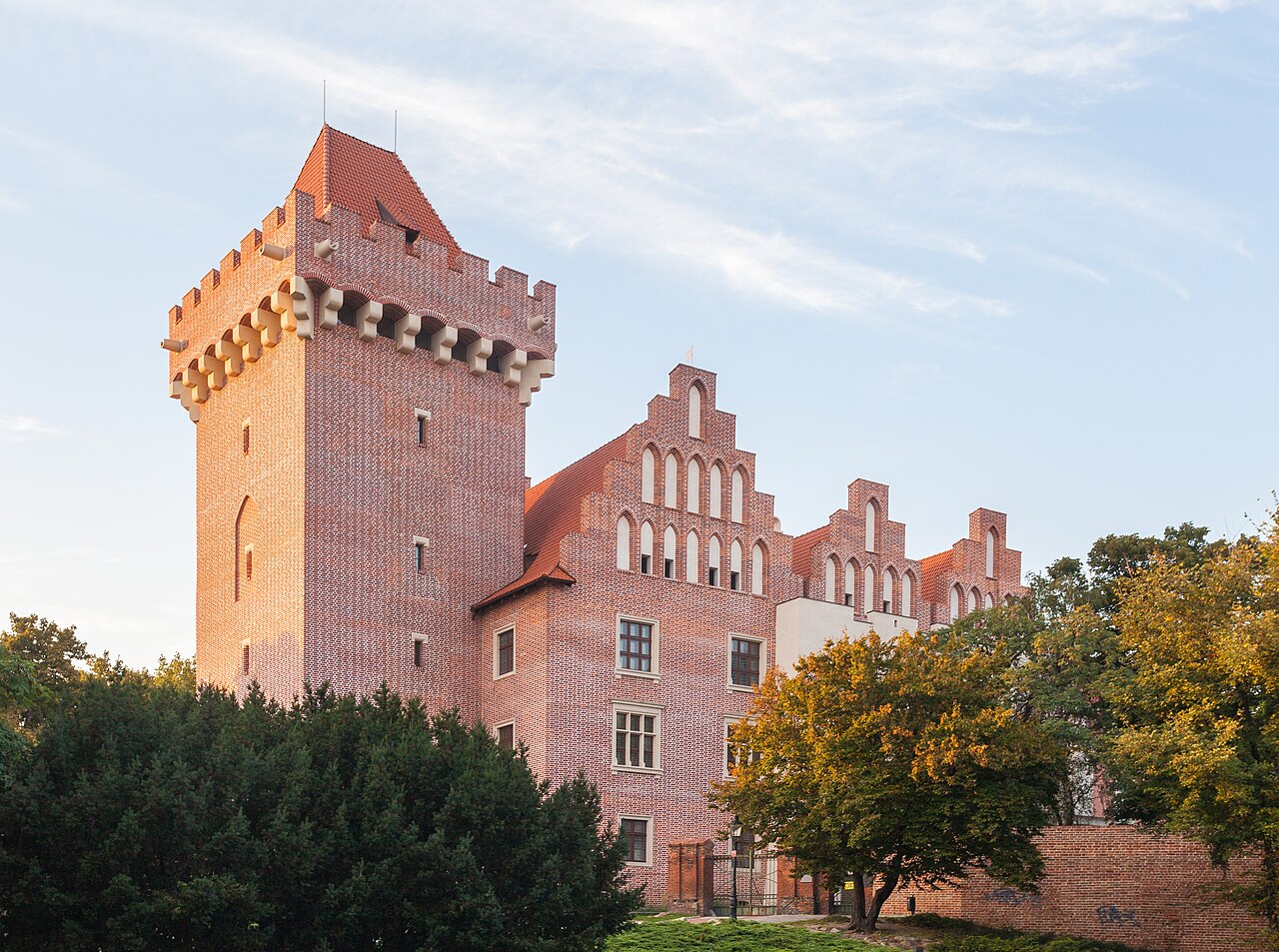






Description
Serving as the heart of government for over 400 years, the Rector’s Palace is Dubrovnik’s ultimate Gothic-Renaissance power center and a UNESCO World Heritage site. Stepping through its historic arched portico into the grand interior atrium, the centuries of Ragusan political intrigue and sheer architectural majesty truly hit different.
Why is this experience so famous?
The Rector’s Palace is consistently featured in major travel guides as an essential, top-ranked historical landmark in Dubrovnik. People rave about its stunning blend of Gothic, Renaissance, and Baroque architecture, as well as its captivating courtyard and historic museum displays that showcase the opulent heritage of the former Republic of Ragusa. It is a must-visit because it offers far more than just a peek at ancient stone walls; it’s an immersive cultural deep dive into the very seat of power that shaped the Adriatic’s fascinating history.
Is it worth visiting?
Definitely, especially if you love history, architectural design, and immersing yourself in Dubrovnik’s rich past. You will be captivated by the stunning Gothic-Renaissance courtyard, the grand ceremonial staircase, and the fascinating museum displays detailing the era of the Republic of Ragusa. The atmosphere is historic yet accessible, offering great value and enriched options via knowledgeable guides or combo tours. This iconic seat of power is a must-see landmark backed by glowing positive reviews. Skip the hassle of waiting in line, book online today to reserve now & pay later, and benefit from free cancellation.
What’s the best time to visit?
Aim for Spring (May to June) or Autumn (September to October) for pleasant sightseeing weather. Summer brings intense heat and heavy cruise ship crowds, while winter offers a quiet atmosphere at lower prices. For an insider tip, visit right at opening (9 AM) or late afternoon (after 4 PM) on weekdays to avoid peak day-trippers. Avoid mid-day hours during peak summer.
How much time should I allow for this experience?
Allow 45 minutes to 1 hour for a basic visit focused on the main atrium, courtyard, and key museum displays. If you plan for a more thorough experience, including reading all the historical panels, exploring the upper-floor state rooms, and viewing the armor and coin exhibits in detail, budget for a complete 1.5 to 2 hours. Always allow an extra 15 to 30 minutes of buffer time for ticket checks and navigating entry crowds, especially during peak afternoon hours. This experience fits easily into a morning Old Town walking itinerary or as an unhurried early afternoon cultural stop before heading to the city walls.
Is it better to go in the morning or afternoon?
Choosing the right time to visit the Rector’s Palace can significantly impact your experience.
The Morning Advantage: Arriving right when doors open at 9:00 AM allows you to experience the palace in peaceful tranquility. You’ll beat the influx of large cruise ship tour groups, enjoy cooler morning temperatures, and have the grand atrium and historic rooms almost entirely to yourself for pristine, uncrowded photos.
The Afternoon Advantage: A late afternoon visit offers a fantastic, cool escape from the peak heat of the day thanks to the palace’s thick stone walls. Additionally, the late afternoon sun (around 4:00 PM to 6:00 PM) hits the exterior loggia columns at a stunning angle, making the detailed Gothic-Renaissance stone carvings far more vibrant and three-dimensional for exterior photography.
My Recommendation: Morning. As a historical museum, the Rector’s Palace is best enjoyed when you have the space and mental freshness to absorb its rich Ragusan history without navigating past dense tour groups.
Insider Tip: Plan your visit for exactly 9:00 AM right at opening, or aim for late afternoon after 4:30 PM when the daytime crowds begin to clear out.
How It Fits Into Your Day: A morning tour of the Rector’s Palace places you right in the heart of Luža Square, perfectly positioning you to explore the adjacent Dubrovnik Cathedral and Sponza Palace before sitting down for a relaxed Dalmatian lunch along the Stradun.
In summary, this is a must-do, historic cultural experience that allows you to explore a Gothic-Renaissance masterpiece in Dubrovnik. Plan to allow 1 to 2 hours for your visit, with Spring or Autumn being the best seasons to avoid heavy crowds. Booking online offers ultimate flexibility with reserve now and pay later options as well as free cancellation benefits. Secure your tickets now.
Copyright & Affiliate Notice: Image Credit: Wikimedia Commons – Image licensed under Creative Commons via Wikimedia Commons. This site contains affiliate links. We may earn a commission if you buy through our links – at no extra cost to you.