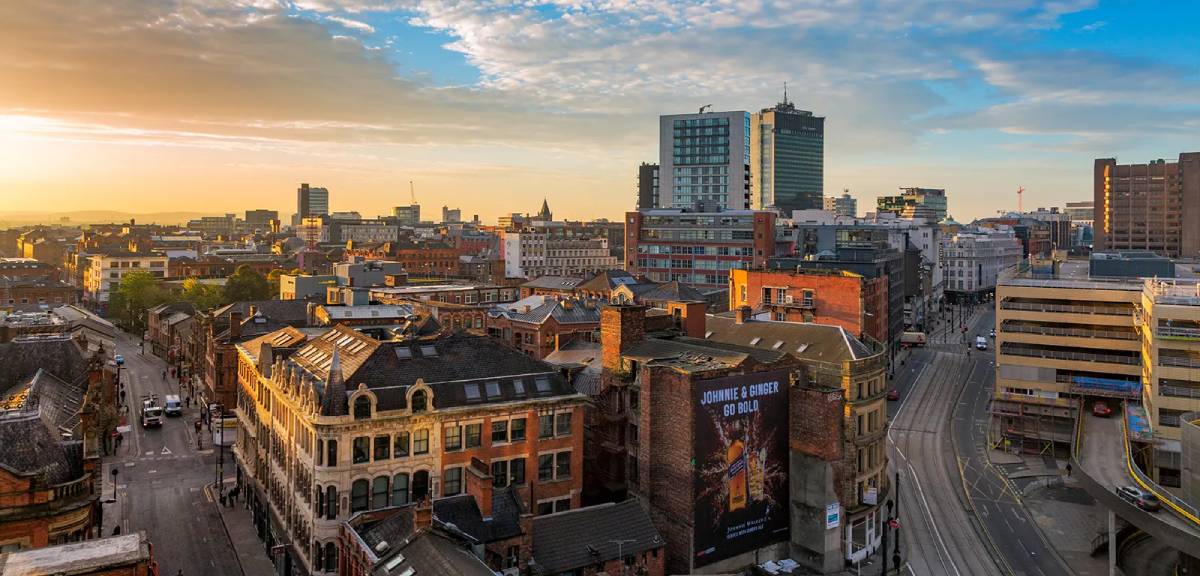





Glasgow is the soulful, unfiltered big brother of Scotland—a city where Victorian grandeur meets cutting-edge street art, and where the people are famously the friendliest you’ll ever meet. While Edinburgh is the “pretty” sibling with the castle, Glasgow is the one you actually want to go for a pint with. I remember the first time I stepped out of Central Station; the energy was infectious. It’s a place that traded its heavy industrial past for a world-class music scene, incredible free museums, and a “gallus” (bold/cheeky) attitude that you won’t find anywhere else.
Whether you’re here to trace the footsteps of architect Charles Rennie Mackintosh, dive into the West End’s vintage shops, or see why it’s a UNESCO City of Music, Glasgow hits different. Keep reading for my local-style guide to the city that truly knows how to live.
Why Visit Glasgow?
Glasgow punches way above its weight. Here’s why I always tell travelers to put it on their Scottish itinerary:
- World-Class Museums for Free: Almost all the major galleries and museums are free. You can see a Salvador Dalí and a Spitfire in the same building without spending a penny.
- The Music Scene: From legendary venues like King Tut’s Wah Wah Hut to the iconic Barrowland Ballroom, there is a gig happening every single night.
- “Dear Green Place”: Glasgow literally means “Dear Green Place” in Gaelic. It has over 90 parks and gardens—perfect for catching your breath between city sights.
- The Food & Drink: Forget the “deep-fried Mars bar” clichés. Glasgow has some of the best vegan food in the UK, incredible Indian cuisine, and a craft beer scene that rivals any major European hub.
- The People: The local catchphrase is “People Make Glasgow,” and it’s 100% true. Ask for directions, and you’ll likely get a life story and a pub recommendation to go with it.
What is Glasgow Mainly Known For?
Historically, Glasgow was the “Second City of the Empire,” known for its massive shipbuilding industry on the River Clyde. Today, it’s known for its stunning Victorian and Art Nouveau architecture, its legendary football rivalry (Celtic vs. Rangers), and its status as a cultural powerhouse. It’s also the gateway to the Highlands—meaning you have rugged nature just 30 minutes away.
Is Glasgow a Walkable City?
For the most part, yes! The city center is laid out in a grid system (unlike most UK cities), making it very easy to navigate. You can walk from the City Chambers to the West End in about 40 minutes, though most people hop on the “Clockwork Orange” (the subway) to save their legs.
Is it safe to walk in Glasgow at night? Generally, yes. The city center, the West End, and Merchant City are lively and well-lit. Like any major city, stick to the main streets and be aware of your surroundings. Avoid walking through large, unlit parks alone late at night, but overall, Glasgow is a safe and welcoming place for tourists.
What is the Best Neighborhood to Walk Around?
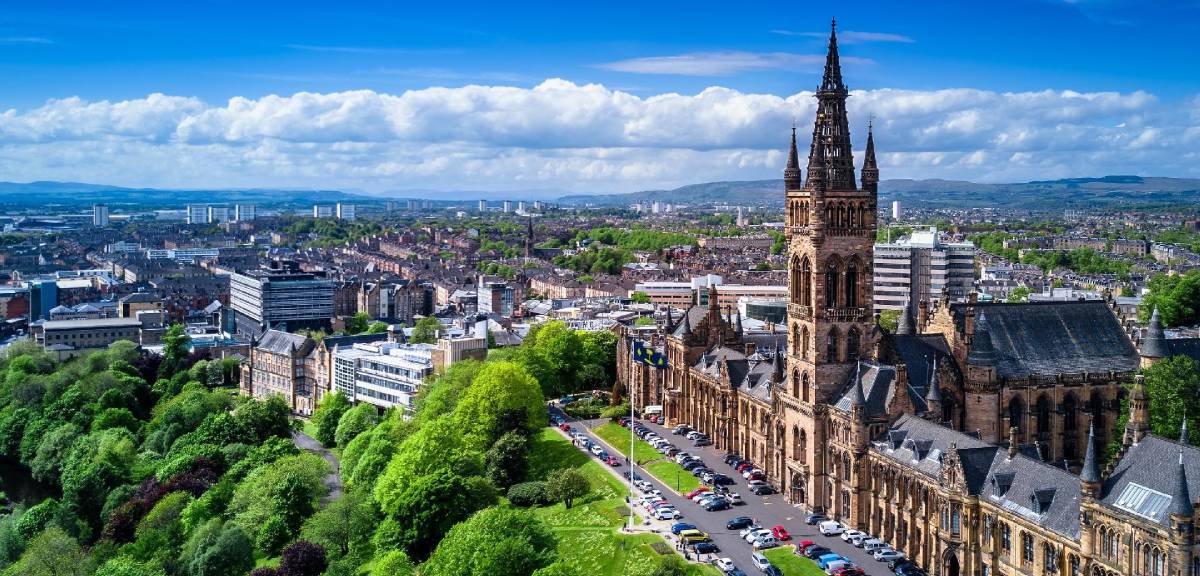
The West End (Byres Road & Ashton Lane). It’s the ultimate “vibey” neighborhood. You’ve got the stunning University of Glasgow (which looks exactly like Hogwarts), cobblestone lanes filled with fairy lights, and the Botanic Gardens. It’s photogenic, filled with independent bookstores, and has that perfect “academic-meets-cool” atmosphere.
What Are the Best Things to Do in Glasgow? (For Your First Visit)
When I first explored Glasgow, I didn’t want a rigid schedule. I wanted to see where the sandstone streets took me. I wrote down a few “musts” and then just let the city happen. There are things I definitely recommend you check out:
Kelvingrove Art Gallery and Museum

This place is a masterpiece inside and out. It’s a massive red sandstone building that houses everything from fine art to natural history. The hanging heads installation is a personal favorite, and don’t miss the daily organ recital at 1 PM—it makes the whole place feel like a movie set. Entry is free! Check out more reviews on TripAdvisor.
Glasgow Necropolis

It might sound weird to visit a cemetery, but the Necropolis is a Victorian “City of the Dead” on a hill overlooking the city. The views of the Glasgow Cathedral and the city skyline at sunset are unmatched. It’s moody, atmospheric, and full of incredible history.
The Riverside Museum

Designed by the late Zaha Hadid, this building is a futuristic shard on the banks of the Clyde. Inside, it’s a tribute to Glasgow’s transport history. You can walk through a recreated 1900s street, complete with shops and a pub. Plus, there’s a tall ship docked right outside!
Glasgow Botanic Gardens
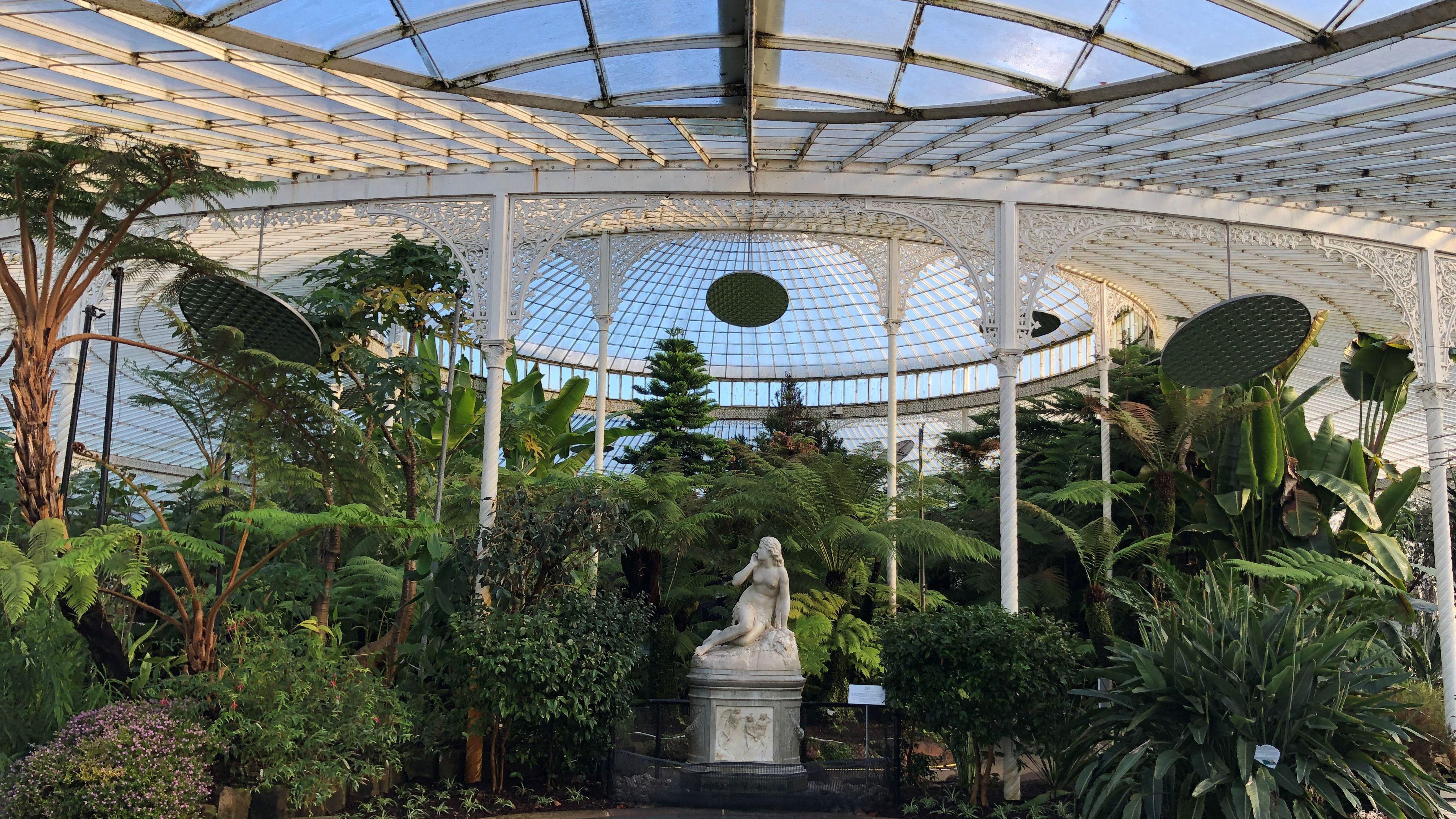
Escape to the Kibble Palace greenhouse—it’s a gorgeous Victorian glasshouse filled with exotic plants. The gardens are lovely for a stroll, and it’s free.
Pollok Country Park & The Burrell Collection

If you want to see the famous Highland Cows without driving to the north of Scotland, this is your spot. The park is huge, and the Burrell Collection—a world-class art museum nestled in the woods—was recently renovated and is absolutely stunning.
The Barras Market
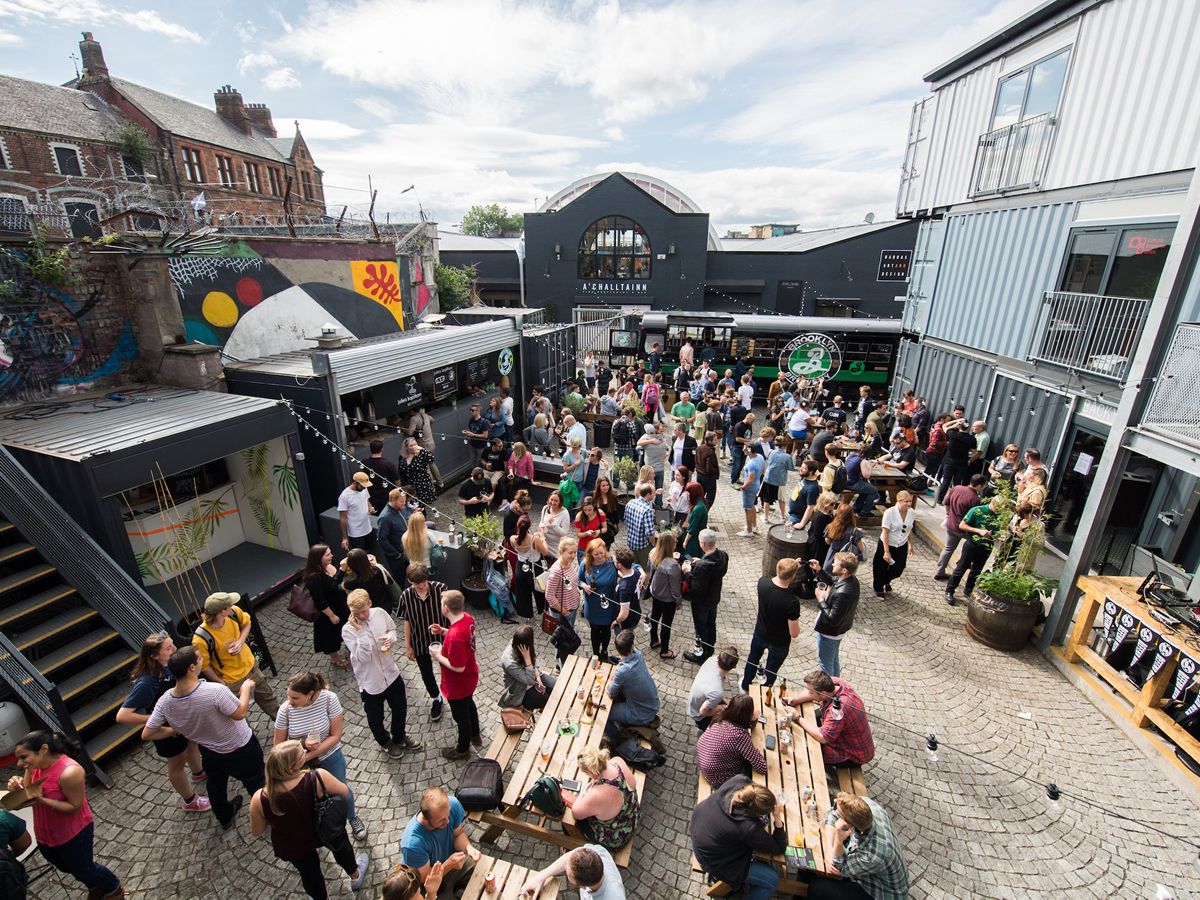
For a taste of “real” Glasgow, head to the East End on a weekend. The Barras is a legendary street market. It’s gritty, loud, and full of character. Grab a “roll and square sausage” and browse for vintage treasures. Book a local culture tour on GetYourGuide.
City Centre Mural Trail

Glasgow’s street art scene is world-class. Grab a map (or app) and hunt down murals by artists like Smug—it’s fun, free, and turns a simple walk into an adventure.
Glasgow Cathedral
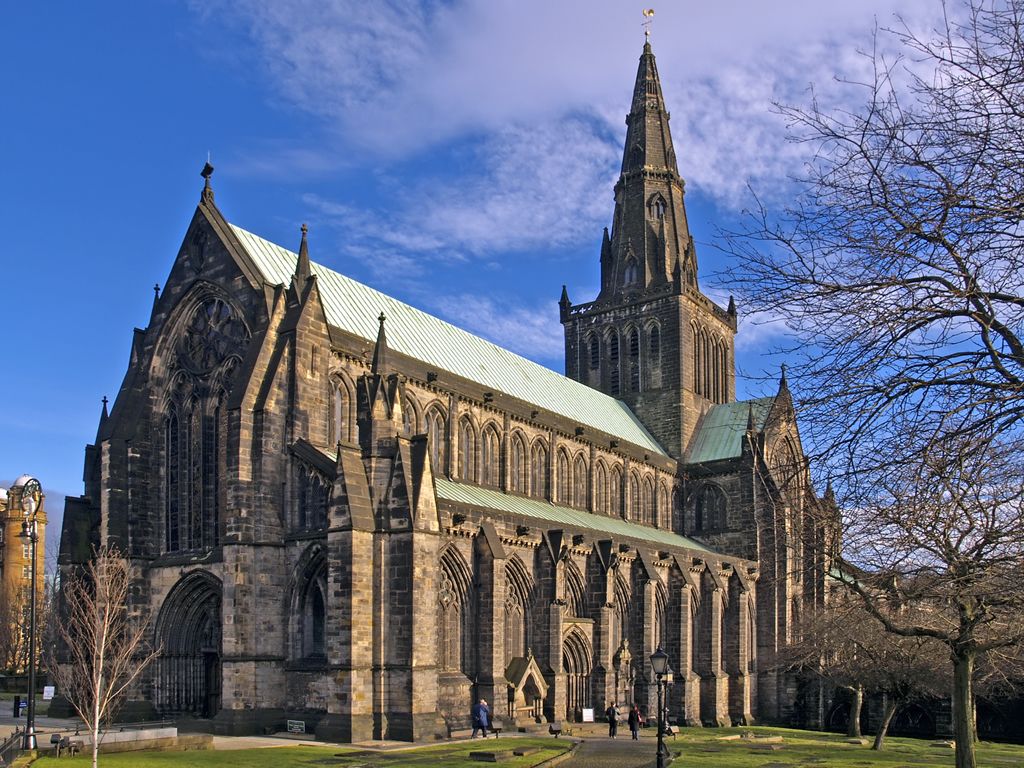
One of the few medieval churches to survive the Reformation intact. Stunning stained glass and a peaceful vibe right in the city.
University of Glasgow
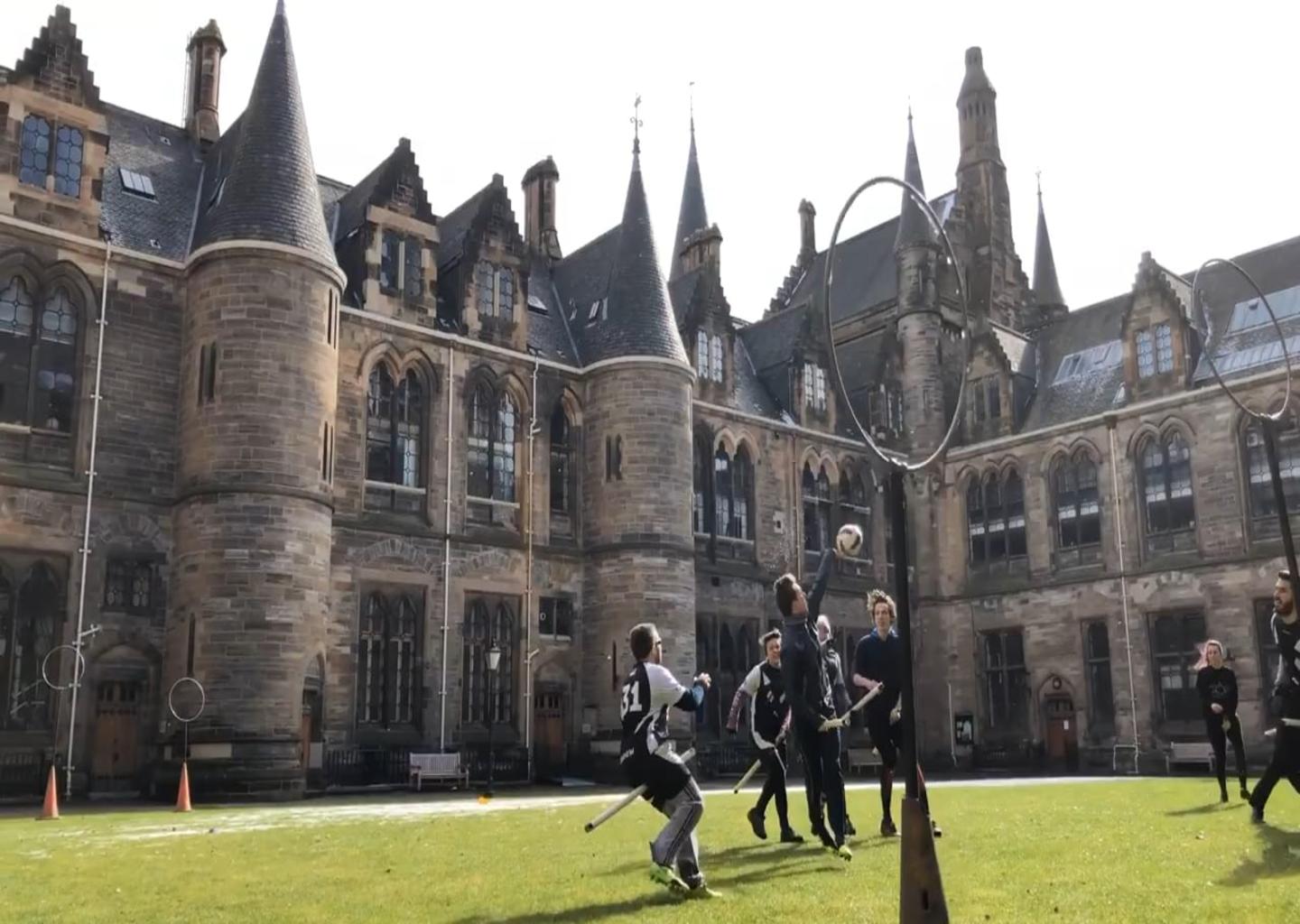
Harry Potter-esque cloisters and Gothic towers. Wander the grounds—it’s beautiful and free.
More Popular Tours in Glasgow
Must-Do Activities in Glasgow
If you’re looking for the quintessential experience, here are four activities I highly recommend:
- A Play, a Pie and a Pint at Oran Mor: Located in a converted church in the West End, this is a local institution. You get exactly what it says: a short play, a Scotch pie, and a drink. It’s brilliant.
- Street Art Mural Trail: Glasgow’s walls are covered in massive, hyper-realistic murals. You can download a map and do a self-guided walking tour to see “The Ghost of Christmas Past” or the “Honey, I Shrunk the Kids” portraits. Book a mural walking tour via Viator.
- The Tenement House: A tiny “time-capsule” apartment that shows how a Glasgow lady lived in the early 1900s. It still has the original gas lights and coal fire.
- Day Trip to Loch Lomond: Just 35-40 minutes by train or car, and you’re at the “Bonnie Banks.” It’s the fastest way to see the epic Scottish scenery.
What part of Glasgow is best for tourists?
- City Center / Merchant City: Best for first-timers who want to be near the main shops, the train stations, and the “Style Mile.”
- The West End (Finnieston/Hillhead): Best for foodies and those who want a cooler, more relaxed vibe near the museums. Finnieston was recently named one of the “coolest neighborhoods in the UK.”
- The East End (Dennistoun): Best for budget travelers and those who want to see the “up-and-coming” side of the city with great local cafes.
What to know before going to Glasgow
- The Weather: It will rain. Even if the sun is out, bring a “waterproof” (rain jacket). Don’t bother with umbrellas; the Glasgow wind will turn them inside out in seconds.
- Tipping: 10% is standard in restaurants. In pubs, you usually don’t tip for a round of drinks at the bar, but leaving some small change is always appreciated.
- The Accent: “The Patter” can be thick. If someone says “How-no?” they mean “Why not?”. Don’t be afraid to ask people to repeat themselves—they’re used to it!
- Opening Hours: Most shops close around 6 PM, though supermarkets and malls stay open later. Pubs usually go until midnight or 1 AM.
How many days do I need in Glasgow?
I’d say 3 days is the sweet spot to see the city, but 4 days lets you add a trip to the Highlands.
- Day 1: Explore the City Center, the Mural Trail, and the Glasgow Cathedral/Necropolis.
- Day 2: Head to the West End. Visit Kelvingrove Museum, the University, and grab dinner in Finnieston.
- Day 3: Visit the Riverside Museum or head south to Pollok Park to see the Highland Cows. Finish with a gig at a local venue.
Suggested Daily Budget: $70–$95 USD (£55–£75) (Note: This is a suggested budget assuming you’re staying in a hotel, eating out a little, and using the subway. You can lower this by hitting the free museums and using supermarkets for lunch!)
4 Money Saving Tips:
- Free Museums: Take advantage! You could spend three days just doing free galleries.
- The Subway “Inner/Outer Circle”: Buy a day-tripper ticket for the subway if you’re moving between the center and the West End. It’s much cheaper than Ubers.
- Lunch Specials: Look for “Pre-theatre” menus in restaurants (even if you aren’t going to a show). You can get 2-3 courses for a fraction of the dinner price.
- Use WayAway: For the best rates on getting here, use WayAway for flights to Glasgow Airport (GLA).
Best time to visit Glasgow?
May to September is your best bet for decent weather and long daylight hours (it stays light until 10 PM in June!). However, August is peak season because of the Edinburgh Fringe Festival nearby. If you like festive vibes, December is great for the Christmas markets and the “panto” (pantomime) season, but it will be cold and dark by 4 PM!
How to get to Glasgow
Glasgow is very well-connected to the rest of the world.
- By Air: Glasgow International Airport (GLA) handles most long-haul and European flights.
- Getting to the Center: The Glasgow Airport Express (Bus 500) is the easiest way. It takes about 15-20 minutes, has USB chargers, and drops you right at Buchanan Street or Central Station. It costs about £10 for a single.
- Taxis/Uber: An Uber from the airport to the city center usually costs between £25–£35.
- By Train: If you’re coming from London, the train takes about 4.5 hours and arrives at the stunning Glasgow Central Station.
How to Get Around Glasgow
- Walking: The city center is a grid—easy and flat.
- The Subway: Known as the “Clockwork Orange” because of its bright orange trains. It’s just one big circle, so you literally cannot get lost. A single ticket is about £1.75.
- Uber/Bolt: Both are widely available and safe to use.
- First Bus: The bus network is extensive but can be a bit confusing for first-timers. Use Google Maps or the First Bus app to track your route.
Tips for tourists using transport for the first time: In Glasgow, most buses are “exact change” or “tap-on-tap-off” with a contactless card. If you’re using the subway, just buy a “Smartcard” or a paper ticket at the machines. And remember—there is no subway service on Sunday evenings after 6 PM (a classic Glasgow quirk!).
Conclusion
Glasgow isn’t a city that puts on a show for tourists; it’s a city that invites you to join in. It’s loud, it’s proud, and it’s incredibly creative. Whether you’re standing in the shadow of a Victorian monument or dancing in a sweaty basement club, Glasgow will get under your skin in the best way possible.
Note: This article contains affiliate links. If you purchase something I’ve recommended, I’ll earn a small commission at no extra cost to you. I really appreciate your support and I hope this guide helps you ♡