

Get Inspired

Itineraries

Travel Guides

About Me

Top
  >  United Kingdom   >  Best Places to Visit in Bath
best places to visit in bath

Bath is a city that feels like a shimmering Regency dream, where honey-hued limestone facades glow under the soft English sun and every cobblestone alleyway whispers secrets of a grand, aristocratic past. Stepping into this UNESCO World Heritage site is like walking onto a cinematic set, where the elegance of the 18th century meets a soulful, modern indulgence that invites you to slow down and savor the beauty.

Why Visit Bath?

Beyond the bustling streets of London, the United Kingdom offers treasures of unparalleled historical depth and architectural grace. Bath stands as the jewel in its crown, offering a unique blend of ancient history and sophisticated relaxation that is simply irresistible for any traveler. Here is why this golden city belongs at the very top of your travel itinerary:

  • The Roman Baths: Experience the atmospheric ruins of one of the greatest religious spas of the ancient world, where steam still rises from the sacred springs just as it did two millennia ago.
  • Royal Crescent: Stand in awe before this sweeping masterpiece of Georgian architecture, an iconic curve of grand townhouses that perfectly captures the city’s imperial spirit and golden glow.
  • Thermae Bath Spa: Soak in Britain’s only natural thermal waters at this chic day spa, featuring a stunning rooftop pool that offers panoramic views of the historic skyline.
  • Jane Austen Centre: Step into the world of England’s most beloved novelist and discover how the social high-society of Regency Bath inspired her timeless literary masterpieces.
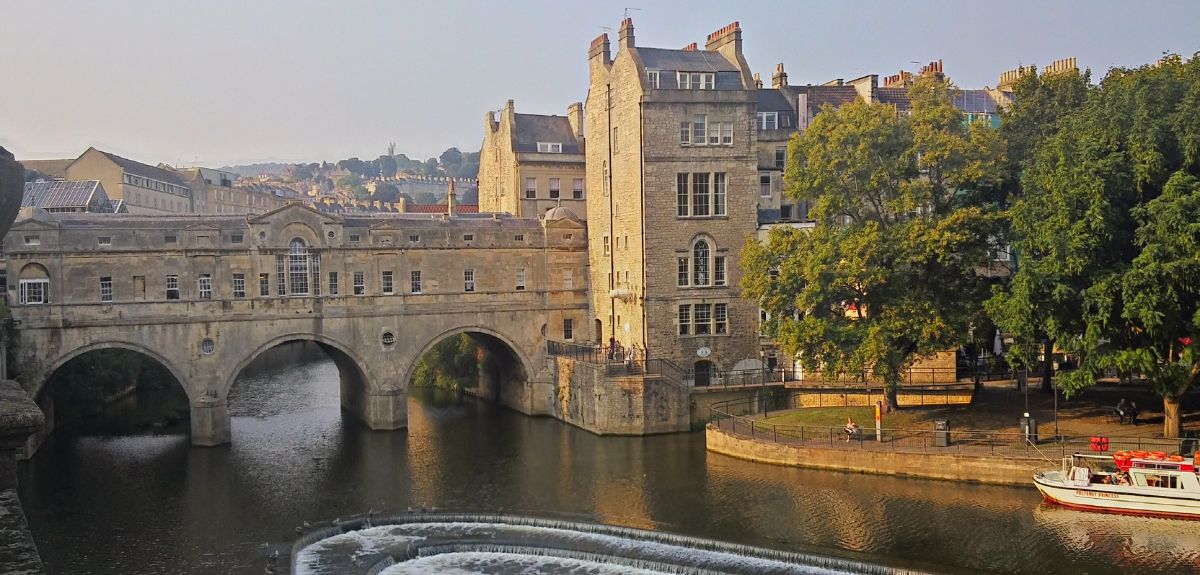
  • Pulteney Bridge: Wander across one of the world’s most romantic bridges, uniquely lined with boutiques and overlooking the dramatic, cascading weir of the River Avon.

Whether you are soaking in mineral-rich waters or strolling past majestic stone arches, Bath promises a glamorous journey through time that will leave you absolutely enchanted by its timeless English charm.

BATH KEY INFO

Everything you need to hit the ground running.

WHEN TO VISIT

May to June for mild weather and blooming gardens; November to December for festive Christmas markets and cozy atmosphere.

HOW TO GET THERE

Fly into Bristol Airport (BRS). It’s the Air Decker bus to the city center (~1 hour).

HOW TO GET AROUND

Walk! Bath’s historic center is compact and best explored on foot to admire the Georgian architecture. Use the First Bus app for trips further afield.

IDEAL TRIP LENGTH

1-2 days for the city itself, but 3 days if you want to explore Stonehenge or the Cotswolds.

What is Bath Mainly Known For?

Bath is famous for its ancient Roman Baths, built around Britain’s only natural thermal springs. It’s also known for the Royal Crescent, a sweeping masterpiece of honey-colored Georgian architecture. Beyond the sights, it’s known as a double UNESCO World Heritage site, where elegant Regency history and wellness culture define its sophisticated vibe.

Is Bath a Walkable City?

100% yes. Bath is incredibly compact and designed for strolling. Its pedestrianized heart lets you enjoy the stunning Georgian architecture and honey-colored stone without traffic noise.

Is it safe to walk in Bath at night? Absolutely. It is one of the UK’s safest cities. I always feel at ease wandering the well-lit center, though I’d recommend staying away from the unlit river paths and using standard traveler’s common sense.

What Is the Best Neighborhood to Walk Around?

The City Centre is the winner, a honey-hued Georgian masterpiece nestled along the River Avon beneath rolling hills. Its winding cobblestone streets feature iconic limestone architecture and grand historic spires. For something completely different, walk over to Larkhall, a vibrant village-style district with an independent, bohemian pulse and quirky local shops.

What Are the Best Things to Do in Bath? (For Your First Visit)

I visited Bath without a strict day-by-day plan. I just wanted to take my time, enjoy the Regency elegance and Roman history, and see where the streets took me. I wrote down a few highlights and hit the ground running. Here are the spots I definitely recommend checking out:

The Roman Baths

Step into 2,000 years of history at this atmospheric Roman spa. Explore the Great Bath, Temple, and Sacred Spring. Tickets from £25.50. Pro tip: Book online to save and drink the mineral-rich water at the end! Check availability and explore popular experiences.

The Roman Baths
Credit: Wikimedia Commons

Jane Austen Centre

Step into a Regency dream at this immersive Georgian townhouse. Meet costumed guides, see the lifelike waxwork, and try on period gowns. Entry is around £17. Pro tip: Don’t miss afternoon tea at the award-winning Regency Tea Room. Check availability and explore popular experiences.
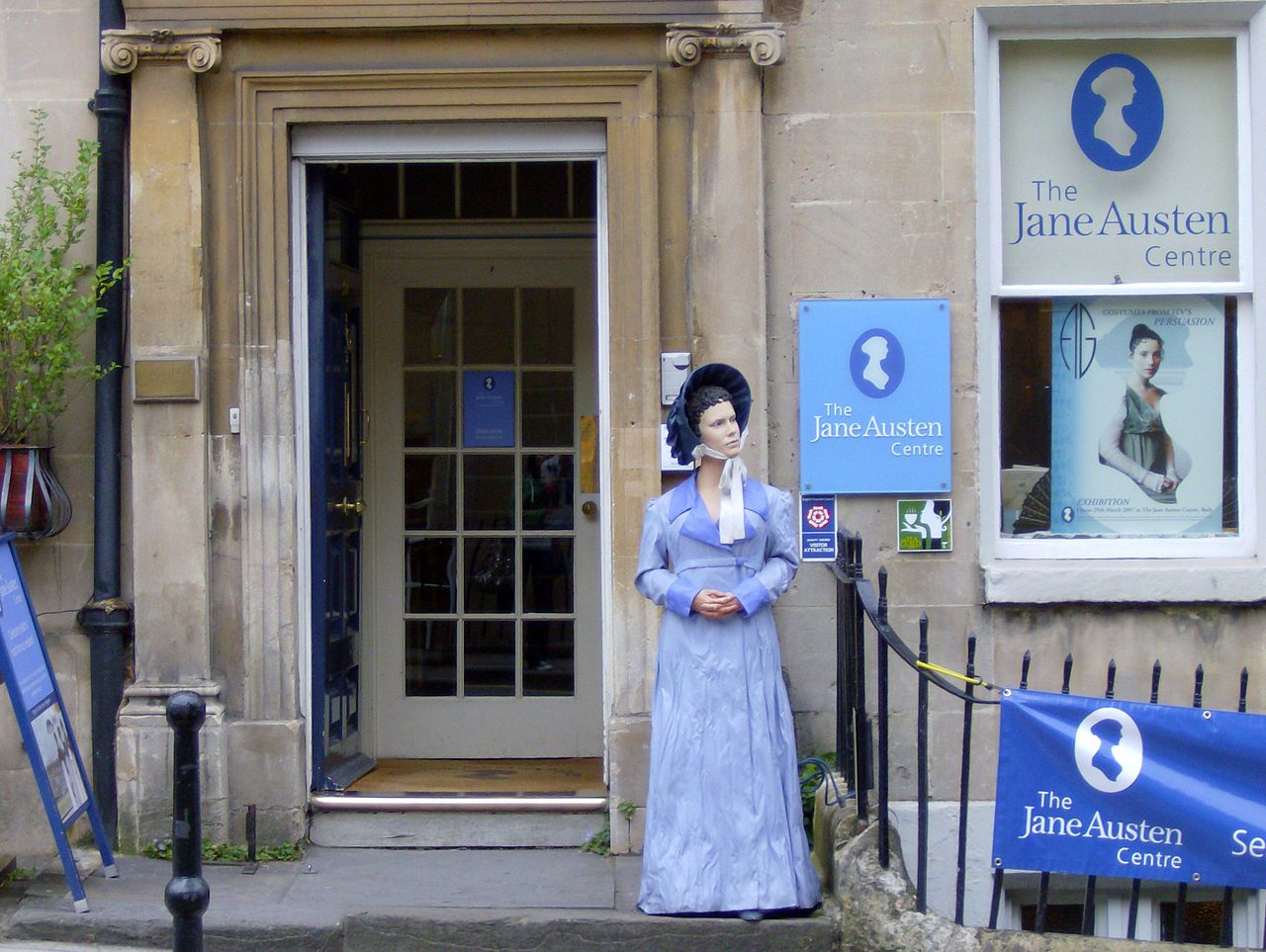
Jane Austen Centre
Credit: Wikimedia Commons / Fahdshariff at English Wikipedia

Royal Crescent

Experience Georgian elegance at this iconic, sweeping masterpiece. Marvel at 114 Ionic columns and the hidden ha-ha. Price: Free (Museum: £16). Pro tip: Visit at sunset when the golden Bath stone glows against the lush park. Check availability and explore popular experiences.

Royal Crescent
Credit: Wikimedia Commons / Sem autor

Thermae Bath Spa

Soak in Britain’s only natural thermal springs. This chic day spa features a stunning rooftop pool and the tropical Minerva Bath. Entry starts around £42.50. Pro tip: Book the Twilight Package to watch the sunset over Bath’s skyline. Check availability and explore popular experiences.

Thermae Bath Spa
Credit: Wikimedia Commons / MichaelMaggs

Pulteney Bridge

One of only four bridges worldwide lined with shops, this Palladian masterpiece feels like a historic arcade over the Avon. Highlights: quirky boutiques and the iconic crescent weir. Price: Free. Pro tip: Best viewed from Parade Gardens at sunset. Check availability and explore popular experiences.

Pulteney Bridge
Credit: Wikimedia Commons

Bath Abbey

Gothic grandeur meets spiritual chill. Admire the “Ladder of Angels” stone carvings and stunning fan-vaulted ceilings. Entry: £6.50 donation. Pro tip: Take the Tower Tour for 212 steps to the best city views. Check availability and explore popular experiences.

Bath Abbey
Credit: Wikimedia Commons / GarfieldJAustin

The Circus

A masterclass in Georgian geometry. This architectural ring features three tiers of classical columns and 500+ stone carvings. Price: Free. Pro tip: Look for the hidden acorns on the parapets, a nod to Bath’s ancient druidic legends. Check availability and explore popular experiences.

The Circus
Credit: Wikimedia Commons / Anthony Parkes

Holburne Museum

A serene sanctuary of Georgian elegance meets modern design. Marvel at Renaissance treasures and Gainsborough masterpieces. Price: £12.50 (permanent collection is free). Pro tip: Relax at the Garden Café for stunning views of Sydney Gardens. Check availability and explore popular experiences.

Holburne Museum
Credit: Wikimedia Commons

No. 1 Royal Crescent

Step into a Regency dream at this restored Georgian townhouse. Explore the immersive Sisi-style drama and authentic “above and below stairs” life. Entry is £16. Pro tip: Visit at sunset for the perfect golden hour Bridgerton glow. Check availability and explore popular experiences.

No. 1 Royal Crescent
Credit: Wikimedia Commons

Mary Shelley’s House of Frankenstein

Dive into Gothic horror at this multi-sensory museum. Face a terrifying 8ft animatronic creature and explore dark, atmospheric floors. Price: from £12.50. Pro tip: Brave the basement for a chilling, scream-worthy scare experience if you’re feeling bold! Check availability and explore popular experiences.

Mary Shelley
Credit: Wikimedia Commons

What Part of Bath is Best for Tourists?

Stay in the City Centre. Everything will be within a 15-minute walk. If you want something a bit more local but still close, the Walcot Street area is lovely—it features artisan boutiques, independent galleries, and a bohemian, creative vibe.

What to Know Before Going to Bath

  • The Tap Water is Gold: Tap water is safe and high-quality; avoid bathroom taps in older buildings to ensure the best taste.
  • English is the Standard: As a major UK city, English is the primary language and spoken fluently by all locals and staff.
  • The Discovery Card: Residents get free entry via the Discovery Card; tourists should compare individual tickets as no specific “Bath Pass” exists.
  • Sunday Trading Hours: Large shops open for limited hours (typically 10am-4pm or 11am-5pm), while smaller convenience stores remain open longer.
  • Tipping Etiquette: A 10-15% tip is customary in restaurants; check your bill first as a service charge is often included.

How Many Days Do I Need in Bath?

3 days is the ideal duration for first-time visitors to balance Roman history, Georgian architecture, and a relaxing soak in the thermal springs.

  • Day 1: The Roman Baths, Bath Abbey, Pulteney Bridge, The Circus, Royal Crescent.
  • Day 2: Jane Austen Centre, No. 1 Royal Crescent, Holburne Museum, Mary Shelley’s House of Frankenstein, Walcot Street.
  • Day 3: A scenic day trip to the ancient wonders of Stonehenge or the picturesque villages of the Cotswolds.

Suggested daily budget – 185-250 EUR / 200-275 USD (Note: This covers mid-range boutique hotels, dining at local gastropubs or historic tea rooms, and a mix of paid attractions like the Roman Baths and public transport. You can go cheaper if you stick to free architectural sites like the Royal Crescent and explore the compact center on foot).

MONEY SAVING TIPS

  1. Grab a Chai Walla Wrap: Skip the formal sit-down meals and head to Chai Walla on Monmouth Street for an authentic Indian street food wrap or onion bhajis for around £6 to £8.
  2. Join the Mayor’s Guides: Meet outside the Pump Room in Abbey Churchyard at 10:30am or 2:00pm for a free walking tour with the Mayor of Bath’s Honorary Guides, who offer expert history without the ticket price.
  3. Pedal with Tier: Download the Tier app to use the city’s bike-share system for short bursts, or get a First Bus Bath Day Ticket for approximately £6.00 for unlimited travel across the city’s hills.
  4. Sunset at Royal Victoria Park: Buy a few local West Country ciders from a shop and head to the lush lawn of Royal Victoria Park to enjoy the best view of the Royal Crescent for free.

What’s the Best Month to Visit Bath?

May, June, and September are the sweet spots for visiting Bath. These months offer pleasant temperatures and blooming gardens while avoiding the peak summer crowds and high hotel prices. However, December is a magical alternative, as the city glows with festive Christmas markets and twinkling lights, perfect for a cozy winter retreat.

How to Get to Bath

Most international travelers fly into Bristol Airport (BRS). It serves as a major regional hub with direct connections from cities like Dublin, Amsterdam, Paris, and Edinburgh.

  • From the airport: The Air Decker bus service reaches Bath city center in approximately 60 minutes for about £15. Alternatively, a taxi or rideshare takes around 35 minutes and costs £50–£65.
  • By Train: Bath Spa station offers frequent, direct high-speed services from London Paddington (80 minutes), Bristol Temple Meads (15 minutes), and Cardiff Central.

How to Get Around Bath

Walk – it is the absolute best way to experience Bath.

  • Car Rental: Not recommended for the city center due to narrow streets and limited parking; use DiscoverCars only if planning day trips to the nearby Cotswolds.
  • Walking: Excellent and highly recommended; the historic center is compact and largely pedestrianized.
  • Uber/Bolt: Uber is available and reliable for point-to-point travel within the city.
  • Tours: Use the Hop-on Hop-off bus or guided walking tours for effortless sightseeing and reaching outer landmarks like the Holburne Museum.

Tips for first-timers: Avoid driving in the city center—Narrow one-way streets and expensive, scarce parking make a car a major liability. Use the excellent Park & Ride services or explore the compact, UNESCO-listed center entirely on foot!

Bath is the kind of place that steals your heart. It is a city where golden Georgian architecture and ancient Roman soul intertwine, defined by its steaming thermal springs, literary echoes, and a timeless, honey-hued grace. This sanctuary of elegance invites you to slow down, leaving you with a renewed sense of wonder and connection.

Note: This article contains affiliate links. If you purchase something I’ve recommended, I’ll earn a small commission at no extra cost to you. I really appreciate your support and I hope this guide helps you ♡

post a comment