

Get Inspired

Itineraries

Travel Guides

About Me

Top
  >  Ireland   >  Best Places to Visit in Dublin
best places to visit in dublin

Steeping in a legacy of literary giants and velvet-smooth stouts, Dublin is a city that wears its history like a bespoke tweed coat. From the melodic buskers echoing through Grafton Street to the quiet majesty of its Georgian squares, this Irish capital is a masterclass in charm, offering a soulful journey where every cobblestone has a story to tell and every pint is poured with poetic precision.

Why Visit Dublin?

Dublin serves as the spirited heart of the Emerald Isle, a city that manages to feel like a cozy neighborhood while pulsing with the sophisticated energy of a modern European capital.

  • The Guinness Storehouse offers a multi-sensory pilgrimage into the art of the perfect pour, culminating in 360-degree city views from the stunning Gravity Bar.
  • Trinity College and the Book of Kells invite you to step into a scholarly dream, where the scent of ancient oak fills the breathtaking Long Room library.
  • Temple Bar District is the city’s glittering social stage, where neon lights and traditional fiddle music create an infectious rhythm that carries through the night.
  • Phoenix Park provides a regal escape into one of Europe’s largest urban oases, where wild deer roam freely across lush, emerald-green landscapes.
  • Dublin Castle stands as a testament to the city’s resilience, showcasing a magnificent blend of Viking foundations and opulent Georgian state apartments.

Whether you are tracing the footsteps of legendary writers or finding your own rhythm in a candlelit snug, Dublin offers a magnetic warmth that captures your heart and never truly lets go.

DUBLIN KEY INFO

Everything you need to hit the ground running.

WHEN TO VISIT

May to June for mild weather and long days; September to October for fewer crowds and pleasant temperatures.

HOW TO GET THERE

Fly into Dublin Airport (DUB). It’s taxi or express bus to the city center (~20-30 min).

HOW TO GET AROUND

Walk! Dublin’s compact center is incredibly pedestrian-friendly, with most top sights just minutes apart. Use a Leap Visitor Card for easy access to the Luas trams and buses.

IDEAL TRIP LENGTH

2-3 days for the city itself, but 5 days if you want to include day trips to Glendalough, Kilkenny, or the Cliffs of Moher.

What is Dublin Mainly Known For?

Dublin is famous for the Guinness Storehouse, the historic heart of Ireland’s iconic stout production since 1759. It’s also known for Trinity College, housing the breathtaking 9th-century Book of Kells. Beyond the sights, it’s known as a UNESCO City of Literature, celebrated for its legendary pub culture and rich literary heritage that spans centuries.

Is Dublin a Walkable City?

100% yes. Dublin is incredibly compact and flat, making it a dream to explore on foot. Most major attractions are within a 20-minute walk, and I loved soaking in the lively atmosphere of pedestrianized spots like Grafton Street without the hum of traffic.

Is it safe to walk in Dublin at night? Absolutely. Dublin is statistically one of Europe’s safer capitals. I felt completely at ease, though standard common sense remains wise.

What Is the Best Neighborhood to Walk Around?

The Temple Bar District is the winner. Situated along the southern banks of the River Liffey, it offers a vibrant vibe of narrow, medieval cobblestone streets and iconic colorful storefronts. For something completely different, walk over to Smithfield, an industrial-cool neighborhood where Victorian terraces meet sleek high-rises, famous for its gritty street art murals and authentic traditional music sessions.

What Are the Best Things to Do in Dublin? (For Your First Visit)

I visited Dublin without a strict day-by-day plan. I wanted to take my time, enjoy the city’s infectious energy and layers of stories, and see where the streets took me. I wrote down a few highlights and hit the ground running. Here are the spots I definitely recommend checking out:

Guinness Storehouse

Step into the heart of Irish brewing across seven immersive floors. Highlights: the Gravity Bar’s 360° views and brewing history. Price: From €22. Pro tip: Book online in advance to skip the massive queues and secure your timeslot. Check availability and explore popular experiences.

Guinness Storehouse

Credit: Wikimedia Commons

Trinity College and the Book of Kells

Dive into a scholarly dream at Ireland’s oldest university. Marvel at the 9th-century Book of Kells and the breathtaking, oak-lined Long Room. Price: ~€21.50. Pro tip: Book online in advance to skip the massive queues and secure your timeslot. Check availability and explore popular experiences.

Trinity College and the Book of Kells Dublin

Credit: Wikimedia Commons

Temple Bar District

Get lost in the soul of Dublin among neon lights and narrow cobblestones. Highlights: live trad music, vintage shops, and street art. Price: Free to wander. Pro tip: Visit Tuesday afternoon to score a table without the crowds. Check availability and explore popular experiences.

Temple Bar District Dublin

Credit: Wikimedia Commons

Dublin Castle

Step into the heart of historic Dublin where Viking roots meet Georgian opulence. Explore the lavish State Apartments and hidden medieval ruins. Price: €8–€12. Pro tip: Take the guided tour to access the secret underground Viking excavations. Check availability and explore popular experiences.

Dublin Castle

Credit: Wikimedia Commons

Kilmainham Gaol

Step into Ireland’s haunting past at this storied prison. Explore the chilling Victorian East Wing and the somber Stonebreakers’ Yard. Price: ~€8. Pro tip: Book online weeks in advance; tickets sell out fast! Check availability and explore popular experiences.

Kilmainham Gaol

Credit: Wikimedia Commons


St. Patrick’s Cathedral

Dive into 800 years of history at Ireland’s national cathedral. This Gothic masterpiece features stunning stained glass and Jonathan Swift’s tomb. Price: ~€11.50. Pro tip: Visit for Choral Evensong to hear one of the world’s oldest choirs perform. Check availability and explore popular experiences.

St. Patrick's Cathedral

Credit: Wikimedia Commons

Christ Church Cathedral

Step into a 1,000-year-old Viking legacy. This Gothic gem oozes medieval mystery with its sprawling crypt and stunning tiles. Highlights: mummified cat and rat, and the Magna Carta. Price: ~€11.50. Pro tip: Visit for Choral Evensong for pure magic. Check availability and explore popular experiences.

Christ Church Cathedral

Credit: Wikimedia Commons

Phoenix Park

Escape to this massive, leafy urban oasis where wild deer roam free. Highlights: the towering Wellington Monument, Dublin Zoo, and the President’s house. Price: Free. Pro tip: Rent a bike at the main gate to explore it all. Check availability and explore popular experiences.

Phoenix Park Dublin

Credit: Wikimedia Commons

St. Stephen’s Green

Unwind in Dublin’s soulful Victorian escape. Stroll past ornamental lakes, vibrant flowerbeds, and the Fusiliers’ Arch. Price: Free. Pro tip: Grab a coffee and people-watch near the central fountain for the ultimate chill city vibe. Check availability and explore popular experiences.

St. Stephen's Green

Credit: Wikimedia Commons

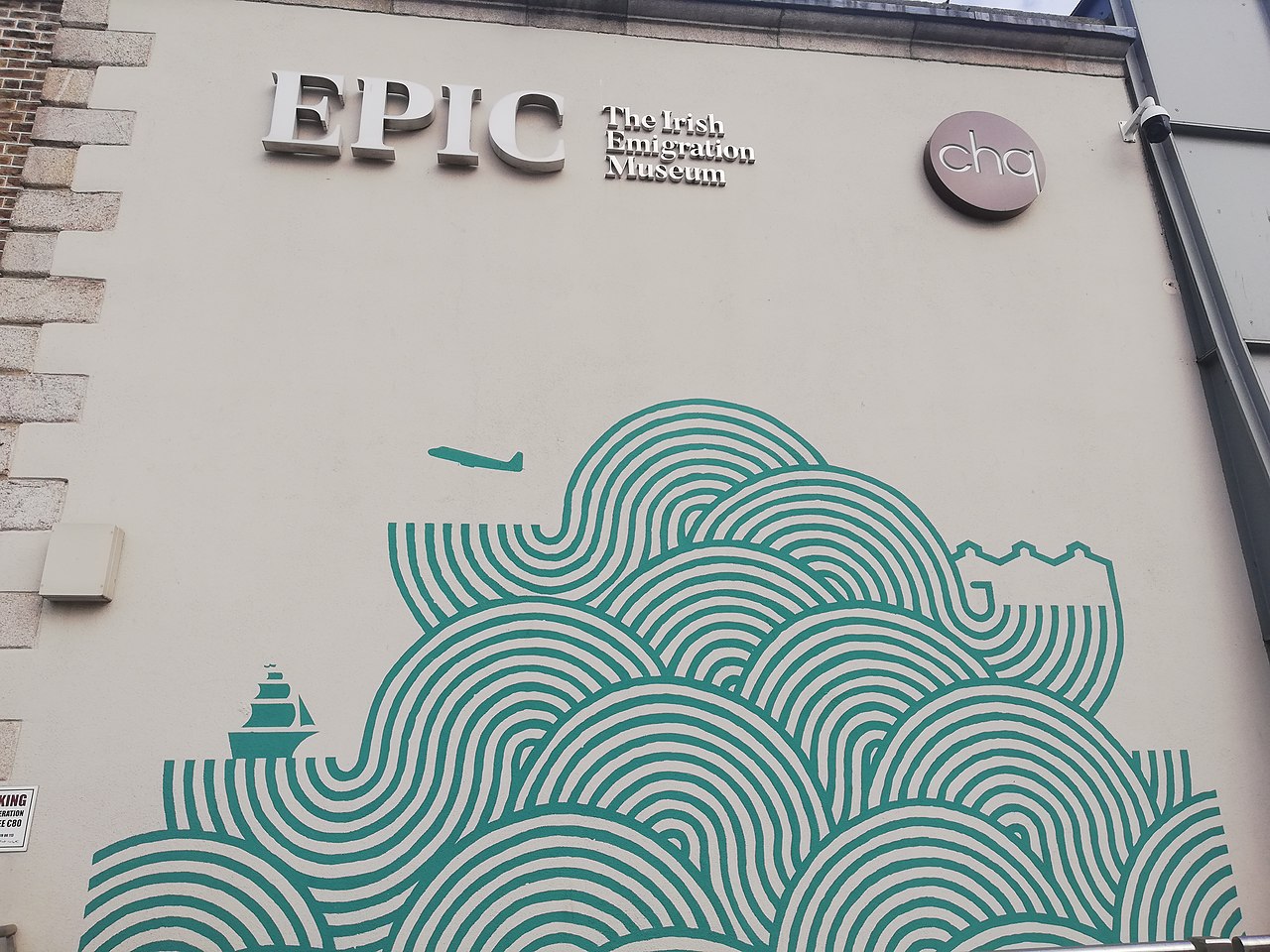
EPIC The Irish Emigration Museum

Dive into the soul of Ireland at this high-tech, immersive museum. Highlights: interactive galleries and tracing your ancestry. Price: ~€21. Pro tip: Check out the Jeanie Johnston famine ship docked nearby for a deeper historical dive. Check availability and explore popular experiences.

EPIC The Irish Emigration Museum Dublin

Credit: Wikimedia Commons

What Part of Dublin is Best for Tourists?

Stay in the City Centre. Everything will be within a 15-minute walk. If you want something a bit more local but still close, the Portobello neighborhood is lovely—it features a relaxed canal-side vibe with trendy brunch spots and Victorian streets.

What to Know Before Going to Dublin

  • The Tap Water is Gold: Dublin’s tap water is safe to drink and meets high EU standards, saving you money on bottled water.
  • English is Everywhere: English is the primary language spoken by everyone, making navigation and communication effortless for international travelers.
  • The Dublin Pass: This pass offers significant savings if you plan to visit multiple top-tier attractions like the Guinness Storehouse.
  • Sunday Openings: Most shops and supermarkets open around noon and close earlier on Sundays, while major centers remain accessible.
  • Tipping is Appreciated: Tipping 10-15% is standard for good restaurant service; rounding up is common for pubs and taxis.

How Many Days Do I Need in Dublin?

3 days is perfect for first-timers to experience Dublin’s rich literary history, vibrant pub culture, and historic landmarks.

  • Day 1: Trinity College and the Book of Kells, Dublin Castle, St. Patrick’s Cathedral, Christ Church Cathedral, Temple Bar District.
  • Day 2: Guinness Storehouse, Kilmainham Gaol, Phoenix Park, St. Stephen’s Green, EPIC The Irish Emigration Museum.
  • Day 3: Take a scenic day trip to the coastal village of Howth or the ancient monastic site of Glendalough.

Suggested daily budget – 180-280 EUR / 195-305 USD (Note: This covers a mid-range hotel or guesthouse, restaurant dining, and a mix of guided tours and paid attractions. You can go cheaper if you visit free museums and use a Leap Card for public transport.)

MONEY SAVING TIPS

  1. Score a Bento Deal: Skip the expensive sit-down dinners and grab an affordable Japanese bento box or ramen bowl from Eatokyo, or head to Sano Pizza in Temple Bar for authentic Neapolitan-style pizzas for under €13.
  2. Join the Free Walk: Meet at the Spire on O’Connell Street for a Free Walking Tour with operators like Yellow Umbrella or Sandeman’s to see the main sights for just the cost of a tip.
  3. Leap for Savings: Grab a Leap Visitor Card at the airport or city convenience stores for unlimited travel starting at €8 per day, or use a standard TFI Leap Card to cap your fares at a flat €2 for any 90-minute journey.
  4. Picnic in the Green: Buy a local craft beer from a grocery store and head to the sunny lawns of St. Stephen’s Green or the massive Phoenix Park to enjoy a sunset drink with a view for a fraction of pub prices.

What’s the Best Month to Visit Dublin?

May, June, and September are the sweet spots for visiting Dublin. These months offer pleasant weather and longer daylight hours for exploring parks and coastal walks while avoiding peak summer crowds. However, December is a wonderful alternative, offering a festive atmosphere with dazzling Christmas lights, holiday markets, and cozy pub vibes throughout the city.

How to Get to Dublin

Most international travelers fly into Dublin Airport (DUB). Key direct hubs include London, Paris, New York, Boston, and Chicago.

  • From the airport: Express buses like Aircoach take 30 minutes to the city center and cost about €8. A taxi takes 20–45 minutes and costs approximately €25–€35.
  • Inter-island/Regional: Dublin Port offers frequent ferries to Holyhead (Wales), taking roughly 2–3 hours. Regional rail connects the city to Belfast, Cork, and Galway via Connolly and Heuston stations.

How to Get Around Dublin

Explore on foot—Dublin’s compact city center is built for walking.

  • Car Rental: Not recommended for the city due to congestion and expensive parking, but use DiscoverCars if planning trips to the Irish countryside.
  • Walking: Ideal. Most major attractions are within a 20-minute walk of each other.
  • Uber/Bolt: Available, but they primarily hail licensed taxis. Use the Free Now app for the most reliable service.
  • Tours: Excellent for non-drivers; many hop-on-hop-off buses and guided day tours reach coastal villages and historic sites.

Tips for first-timers: Avoid driving in the city center—Traffic is heavy and parking is notoriously expensive and scarce. Use the efficient Luas tram, public buses, or explore the compact, walkable neighborhoods on foot instead!

Dublin is the kind of place that steals your heart. Its essence lies in a rhythmic blend of storied history and a spirited, modern pulse that echoes through every cobblestone lane. Between the soulful melodies of its pubs and the quiet dignity of its ancient libraries, the city pulses with warmth. Ultimately, Dublin leaves you with a renewed sense of connection.

Note: This article contains affiliate links. If you purchase something I’ve recommended, I’ll earn a small commission at no extra cost to you. I really appreciate your support and I hope this guide helps you ♡

post a comment