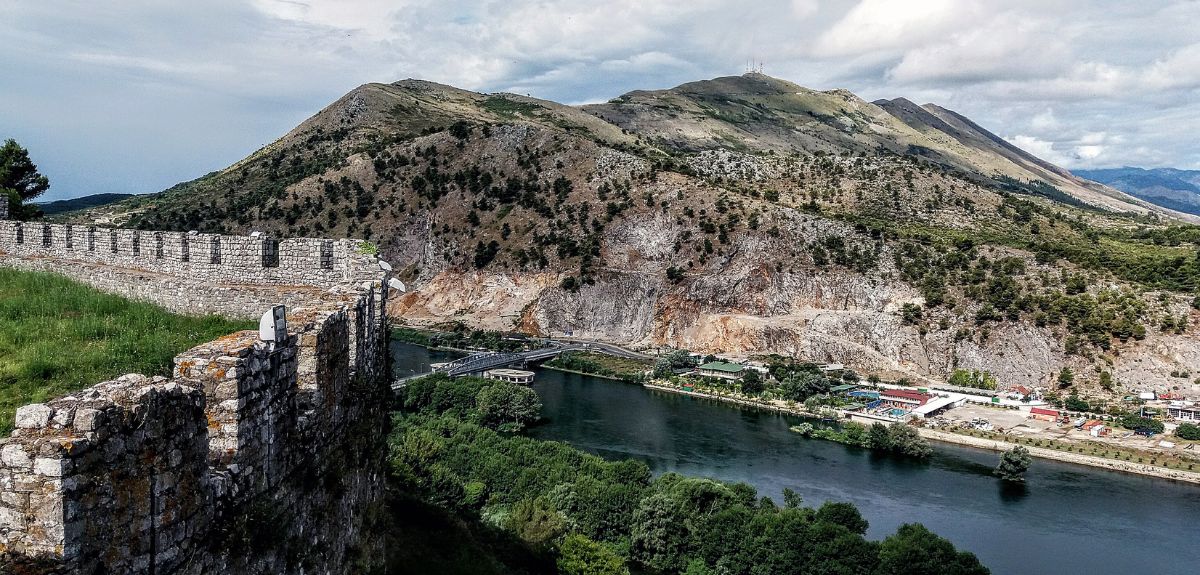


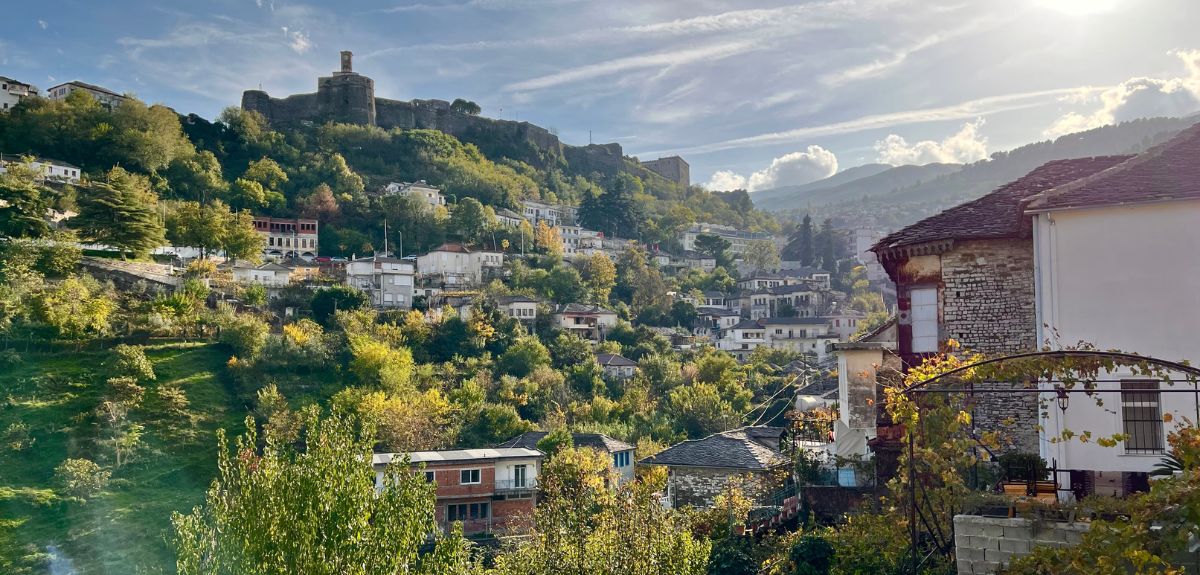
Carved into the rugged slopes of the Mali i Gjerë mountains, Gjirokastër—the “Stone City”—is a mesmerizing labyrinth of silver-grey limestone and Ottoman elegance. To wander its steep, sun-drenched cobblestones is to step into a living museum where ancient fortified houses whisper stories of feudal lords and a skyline of slate roofs glitters like a dragon’s scales under the Mediterranean sun.
Why Visit Gjirokastër?
This UNESCO World Heritage gem is a breathtaking testament to Balkan resilience and artistry, offering a travel experience that feels both deeply historic and enchantingly ethereal.
- Gjirokastër Castle looms over the valley as a moody, medieval masterpiece, housing a clock tower and a captured US spy plane within its formidable walls.
- The Old Bazaar serves as the city’s vibrant heart, where the scent of traditional coffee mingles with the sight of handmade rugs and shimmering silver filigree.
- Zekate House offers a glimpse into 19th-century opulence, standing as the grandest Ottoman tower-house with its ornate fireplaces and panoramic balconies.
- The Cold War Tunnel provides a hauntingly cool descent into history, revealing a massive subterranean bunker system hidden directly beneath the city’s ancient fortress.
- Ali Pasha Bridge is a dramatic, off-the-beaten-path architectural marvel that arches gracefully across a mountain ravine, perfect for capturing the golden hour glow.
Gjirokastër isn’t just a destination; it’s a timeless journey that captures the soul with its rugged charm and hauntingly beautiful history.
Gjirokastër KEY INFO
Everything you need to hit the ground running.
WHEN TO VISIT
May to June for mild weather and hiking; September to October for pleasant temperatures and fewer crowds.
HOW TO GET THERE
Fly into Tirana International Airport (TIA). It’s a bus or taxi to the city center (~3-4 hours).
HOW TO GET AROUND
Walk! The UNESCO old town is incredibly steep and compact, making it perfect for exploring on foot. Use the Speed Taxi app for reliable rides to the lower bus terminal.
IDEAL TRIP LENGTH
1-2 days for the city itself, but 3 days if you want to explore the Blue Eye or nearby Labovë e Kryqit.
What is Gjirokastër Mainly Known For?
Gjirokastër is famous for the legend of Princess Argjiro, who leaped from the castle walls to escape Ottoman capture. It’s also known for Gjirokastër Castle, a massive hilltop fortress housing a captured US spy plane. Beyond the myths, it’s known as the “Stone City” for its unique Ottoman-era houses with distinctive slate roofs and narrow cobblestone streets.
Is Gjirokastër a Walkable City?
Mostly, but be prepared for a workout. The historic center is wonderfully compact and pedestrian-friendly, letting you soak in the “Stone City” vibe without traffic noise. However, the steep, slippery limestone cobblestones require sturdy shoes and effort.
Is it safe to walk in Gjirokastër at night? Absolutely. It’s one of Albania’s safest cities. I felt completely at ease wandering the atmospheric streets, though standard common sense remains wise.
What Is the Best Neighborhood to Walk Around?
The Old Town and Qafa e Pazarit are the winner. Perched on a steep hillside above the Drinos Valley, this historic core features a maze of limestone-paved streets, grey-stone roofs, and grand Ottoman tower-houses. For something completely different, walk over to the Dunavat District, a rugged, traditional neighborhood higher up the mountain known for its steep, narrow alleys and authentic, bohemian mountain vibe.
What Are the Best Things to Do in Gjirokastër? (For Your First Visit)
The best things to do in Gjirokastër focus on exploring its UNESCO-listed Ottoman architecture, striking mountain views, and unique communist history. Known as the “Stone City,” this historical Albanian destination is best experienced through its preserved hillside fortresses, traditional homes, and vibrant markets.
Gjirokastër Castle
Looming over the “Stone City,” this fortress is a moody, medieval masterpiece with epic valley views. Explore the clock tower and a captured US spy plane. Price: ~400 LEK. Pro tip: Visit at sunset for a golden glow. Check availability and explore popular experiences.

Gjirokastër Bazaar
Wander through the heart of the “Stone City” where Ottoman vibes meet mountain cool. Shop handmade rugs and silver, then grab a coffee. Price: Free. Pro tip: Visit after sunset when the cobblestones glow and the restaurants come alive. Check availability and explore popular experiences.

Zekate House
Gjirokastër’s grandest Ottoman tower-house oozes 19th-century wealth and power. Highlights: Twin towers, ornate fireplaces, and hand-painted frescoes. Price: ~300 LEK. Pro tip: Head to the top floor balcony for the absolute best panoramic views of the “Stone City.” Check availability and explore popular experiences.

Skenduli House
Step into Ottoman opulence at Gjirokastër’s most authentic tower-house. Highlights: 64 windows, ornate ceilings, and original hammams. Price: ~300 LEK. Pro tip: Ask the owner, a 10th-generation descendant, for a personal tour to hear the family’s epic stories. Check availability and explore popular experiences.

Credit: Wikimedia Commons
Cold War Tunnel
Descend into an eerie, subterranean time capsule beneath Gjirokastër’s fortress. Explore 80 rooms including declassified bunkers and command centers. Price: ~200 LEK. Pro tip: Bring a jacket; it’s hauntingly chilly even in the height of summer. Check availability and explore popular experiences.

Ethnographic Museum
Step into Enver Hoxha’s childhood home for a glimpse of Ottoman-era luxury. Highlights: intricate wood carvings and traditional folk costumes. Price: ~500 LEK. Pro tip: Check out the unique guest room for peak 19th-century vibes. Check availability and explore popular experiences.

Gjirokastër Obelisk
Perched on the city’s highest peak, this stone monument celebrates the Albanian language. Highlights: stunning Drinos Valley panoramas and “Motherland ABC” carvings. Price: Free. Pro tip: Find the steep hidden stairs by the Irish Pub for the ultimate shortcut. Check availability and explore popular experiences.

Credit: Wikimedia Commons
Ismail Kadare House
Explore the childhood home of Albania’s literary legend. This restored Ottoman house offers a moody, intellectual vibe with its stone architecture and hidden corners. Price: ~200 LEK. Pro tip: Read “Chronicle in Stone” before visiting for total immersion. Check availability and explore popular experiences.
Ali Pasha Bridge
This Ottoman-era stone aqueduct is a moody, off-the-beaten-path gem. Highlights: dramatic mountain arches and wandering local goats. Price: Free. Pro tip: Visit at sunset for golden hour shots and to see sheep crossing the ancient structure. Check availability and explore popular experiences.

Bazaar Mosque
This 18th-century gem is the “Stone City’s” spiritual heart. Marvel at the elegant dome and unique octagonal minaret. Price: Free. Pro tip: Visit during the call to prayer for a deeply atmospheric, hauntingly beautiful experience. Check availability and explore popular experiences.

Must-Do Activities in Gjirokastër
To really get the most out of your trip, I recommend checking out these experiences:
What Part of Gjirokastër is Best for Tourists?
Stay in the Old Bazaar. Everything will be within a 10-minute walk. If you want something a bit more local but still close, the Palorto neighborhood is lovely—it features traditional stone architecture and a peaceful, authentic atmosphere away from the crowds.
What to Know Before Going to Gjirokastër
- Stick to Bottled: Tap water is generally unsafe due to old pipes; use bottled water for drinking and brushing teeth.
- English is Common: Younger locals and those in tourism usually speak English well, so communication is generally easy.
- No Tourist Pass: Gjirokastër currently lacks an official city pass; plan to pay entry fees individually at each historic site.
- Open on Sundays: Most museums and shops in the Bazaar remain open on Sundays to accommodate visitors and tourists.
- Tipping Etiquette: Tipping 10% in cash is standard for good restaurant service; rounding up is common in cafes.
How Many Days Do I Need in Gjirokastër?
2 days is perfect for first-timers to immerse themselves in the Stone City’s unique Ottoman architecture and UNESCO heritage.
- Day 1: Gjirokastër Castle, Gjirokastër Bazaar, Bazaar Mosque, Gjirokastër Obelisk, Cold War Tunnel.
- Day 2: Zekate House, Skenduli House, Ethnographic Museum, Ismail Kadare House.
- Day 3: Take a scenic hike to the Ali Pasha Bridge or a day trip to the Blue Eye spring.
Suggested daily budget – 45-75 EUR / 48-80 USD (Note: This covers a mid-range guesthouse, traditional restaurant meals, and castle or museum entrance fees. You can go cheaper if you eat street food like byrek and explore the historic center on foot.)
MONEY SAVING TIPS
- Master the Qifqi: Skip the pricey sit-down dinners and grab a few qifqi (traditional fried rice balls) from small vendors in the Bazaar for about 50–100 LEK per piece.
- Join the Free Walk: Meet at the Cerciz Topulli Square at 10:00 AM for the Gjirokastër Free Walking Tour to explore the UNESCO streets with a local guide for just the price of a tip.
- Use the Local Furgon: Skip the taxis and use the local furgon (minibus) network for about 50 LEK per ride to travel between the lower town and the historic upper city.
- Sunset at the Obelisk: Buy a local Elbar or Korça beer from a neighborhood grocery store and head up to the Gjirokastër Obelisk for a budget-friendly sunset view over the Drinos Valley.
What’s the Best Month to Visit Gjirokastër?
May, June, and September are the sweet spots for visiting Gjirokastër. These months offer pleasant temperatures perfect for wandering the steep cobblestone streets while avoiding the intense summer heat and peak tourist crowds. However, December is a wonderful alternative, offering a festive atmosphere with beautiful Christmas lights and a cozy winter market in the reconstructed city square.
How to Get to Gjirokastër
Most international travelers fly into Tirana International Airport (TIA). Key direct connection hubs include London, Rome, Istanbul, Frankfurt, and Vienna.
- From the airport: A bus or minibus to the city center takes approximately 3.5 to 4 hours and costs about 12 EUR. Private transfers and car rentals are also available for a faster journey.
- By Train: There are currently no passenger rail connections to Gjirokaster; the city is best reached by road via frequent bus services or taxis from Tirana and Saranda.
How to Get Around Gjirokastër
Explore on foot—Gjirokastër’s historic center is built for walking.
- Car Rental: Not recommended for exploring the old town due to steep, narrow cobblestones, but use DiscoverCars if planning day trips through the region.
- Walking: Ideal. The UNESCO bazaar and major sights are compact, though very steep and require sturdy shoes.
- Uber/Bolt: Not available. Use local taxis found near the bus station or bazaar.
- Tours: Excellent for non-drivers to explore the castle and nearby archaeological sites like Antigonea.
Tips for first-timers: Avoid wearing flimsy shoes—The steep, centuries-old limestone cobblestones are incredibly slick and punishing on your feet. Wear sturdy sneakers or hiking shoes with excellent grip to navigate the “Stone City” safely and comfortably!
Gjirokastër is the kind of place that steals your heart. Its essence lies in the stoic stone architecture and the weight of centuries-old history that permeates every narrow alleyway and fortress wall. This rugged, slate-roofed masterpiece hums with a quiet, ancient resilience. Ultimately, wandering through the “Stone City” leaves you with a renewed sense of wonder.
Note: This article contains affiliate links. If you purchase something I’ve recommended, I’ll earn a small commission at no extra cost to you. I really appreciate your support and I hope this guide helps you ♡