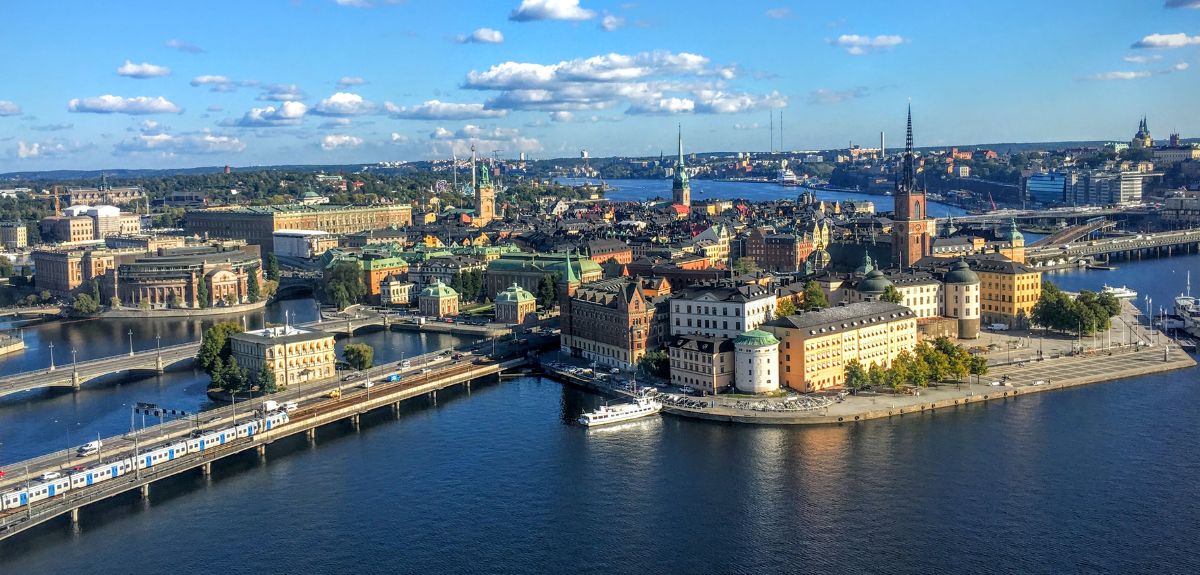


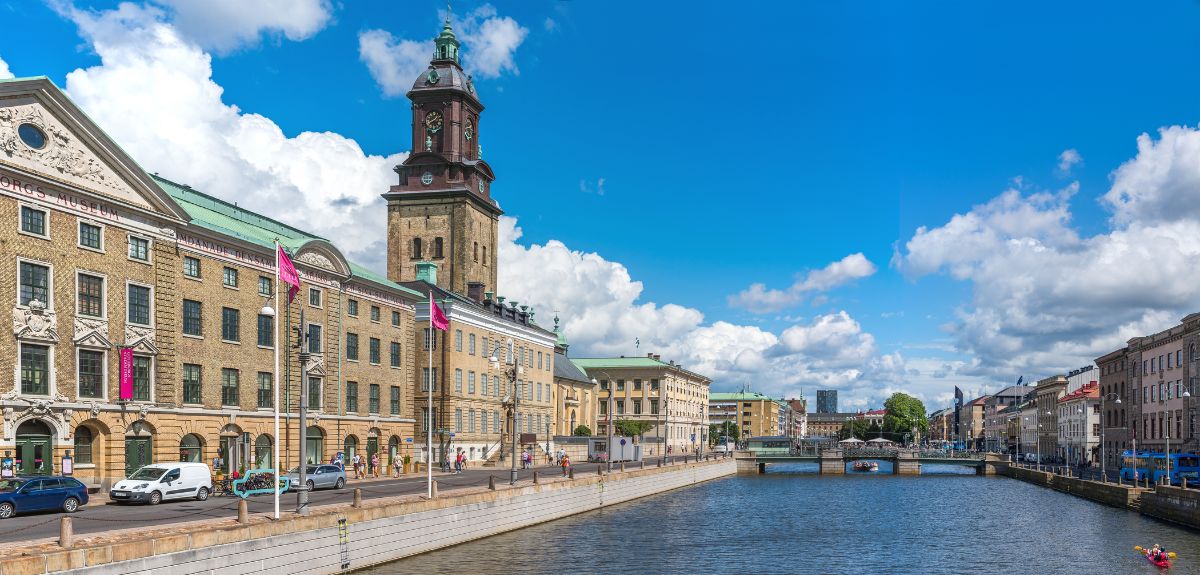
Gothenburg is a maritime treasure where the salty breeze of the North Sea meets a sophisticated urban landscape. This Swedish gem invites you to wander through its charming canals, indulge in world-class seafood, and discover a lifestyle defined by “fika” and coastal elegance.
Why Visit Gothenburg?
Beyond the capital’s shadow, Gothenburg shines with its own unique radiance, offering a blend of historic charm and modern innovation that captivates every traveler. Here is why this city belongs on your itinerary:
- Liseberg: Feel the thrill of Scandinavia’s largest amusement park, where vintage carousels and adrenaline-pumping coasters light up the city skyline.
- Haga District: Step back in time in this historic neighborhood, where cobblestone streets are lined with 19th-century wooden houses and the aroma of oversized cinnamon buns fills the air.
- Southern Archipelago: Embark on a nautical adventure to car-free islands, where granite cliffs and quaint fishing villages offer a serene escape from the city pulse.
- Gothenburg Botanical Garden: Lose yourself in one of Europe’s largest and most beautiful gardens, featuring rare orchids and a tranquil Japanese glade.
- Feskekörka: Delight your palate at the iconic “Fish Church,” a neo-Gothic seafood market where the freshest catches of the day are served with gourmet flair.
Whether you’re chasing sunsets on the archipelago or enjoying a cozy fika in a hidden courtyard, Gothenburg promises a Scandinavian escape that is both chic and soulful.
GOTHENBURG KEY INFO
Everything you need to hit the ground running.
WHEN TO VISIT
May to September for mild weather and outdoor festivals; November to December for festive Christmas markets and cozy atmosphere.
HOW TO GET THERE
Fly into Gothenburg Landvetter Airport (GOT). It’s the Flygbussarna airport coach to the city center (~20-30 min).
HOW TO GET AROUND
Trams! They are the city’s iconic pulse, offering scenic routes to every major landmark. Use the Västtrafik To Go app for easy tickets and real-time schedules.
IDEAL TRIP LENGTH
2-3 days for the city itself, but 4-5 days if you want to include day trips to the Southern Archipelago or Marstrand.
What is Gothenburg Mainly Known For?
Gothenburg is famous for its maritime heritage and as the birthplace of Volvo, where Swedish engineering meets coastal grit. It’s also known for Liseberg, Scandinavia’s largest and most iconic amusement park. Beyond the sights, it’s known as the Beer Capital of Sweden, where a laid-back, friendly vibe and world-class seafood define its sustainable, west-coast soul.
Is Gothenburg a Walkable City?
100% yes. Gothenburg is incredibly compact and pedestrian-friendly, especially around the historic Haga district. I loved soaking in the relaxed maritime vibe and wandering the car-free cobblestone streets without any traffic noise.
Is it safe to walk in Gothenburg at night? Absolutely. It is one of Europe’s safest cities. I’ve always felt completely at ease, though it is always wise to maintain standard traveler’s common sense.
What Is the Best Neighborhood to Walk Around?
Haga District is the winner, a fabled historic area nestled beneath the Skansen Kronan hill. Its cobblestone lanes are a tapestry of unique wooden houses and cozy cafes with a timeless, storybook charm. For something completely different, walk over to Magasinsgatan, a trendy district filled with stylish boutiques, hidden courtyards, and a creative, urban pulse that defines Gothenburg’s modern bohemian edge.
What Are the Best Things to Do in Gothenburg? (For Your First Visit)
I visited Gothenburg without a strict day-by-day plan. I just wanted to take my time and enjoy the creative, laid-back Scandi-cool vibe and see where the streets took me. I wrote down a few highlights and hit the ground running. Here are the spots I definitely recommend checking out:
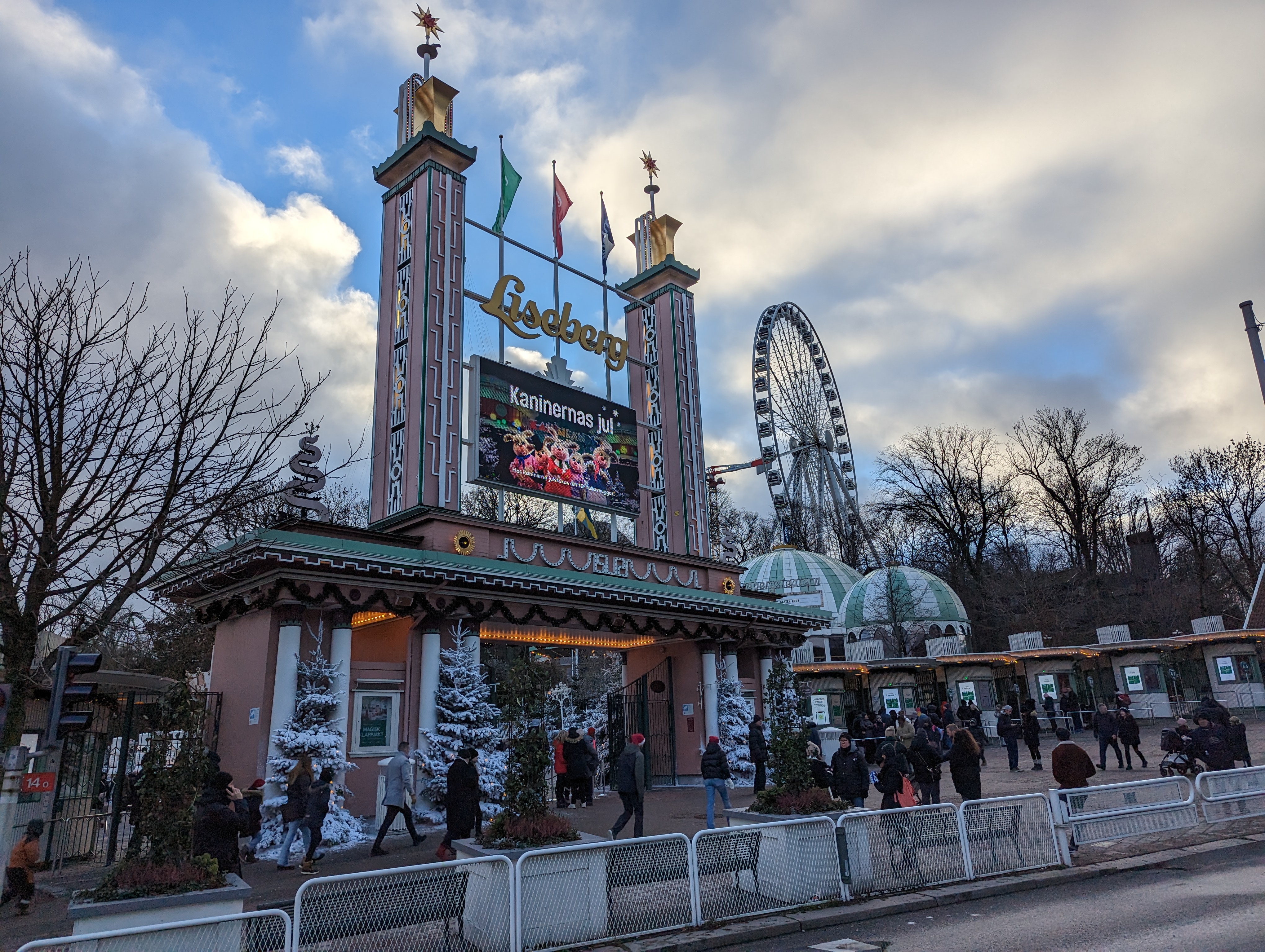
Liseberg
Scandinavia’s ultimate playground blends vintage charm with high-octane thrills. Conquer the Valkyria coaster or enjoy the magical Christmas market. Entry from 125 SEK. Pro tip: Visit on a weekday to dodge the longest queues for the big rides. Check availability and explore popular experiences.
Credit: Wikimedia Commons
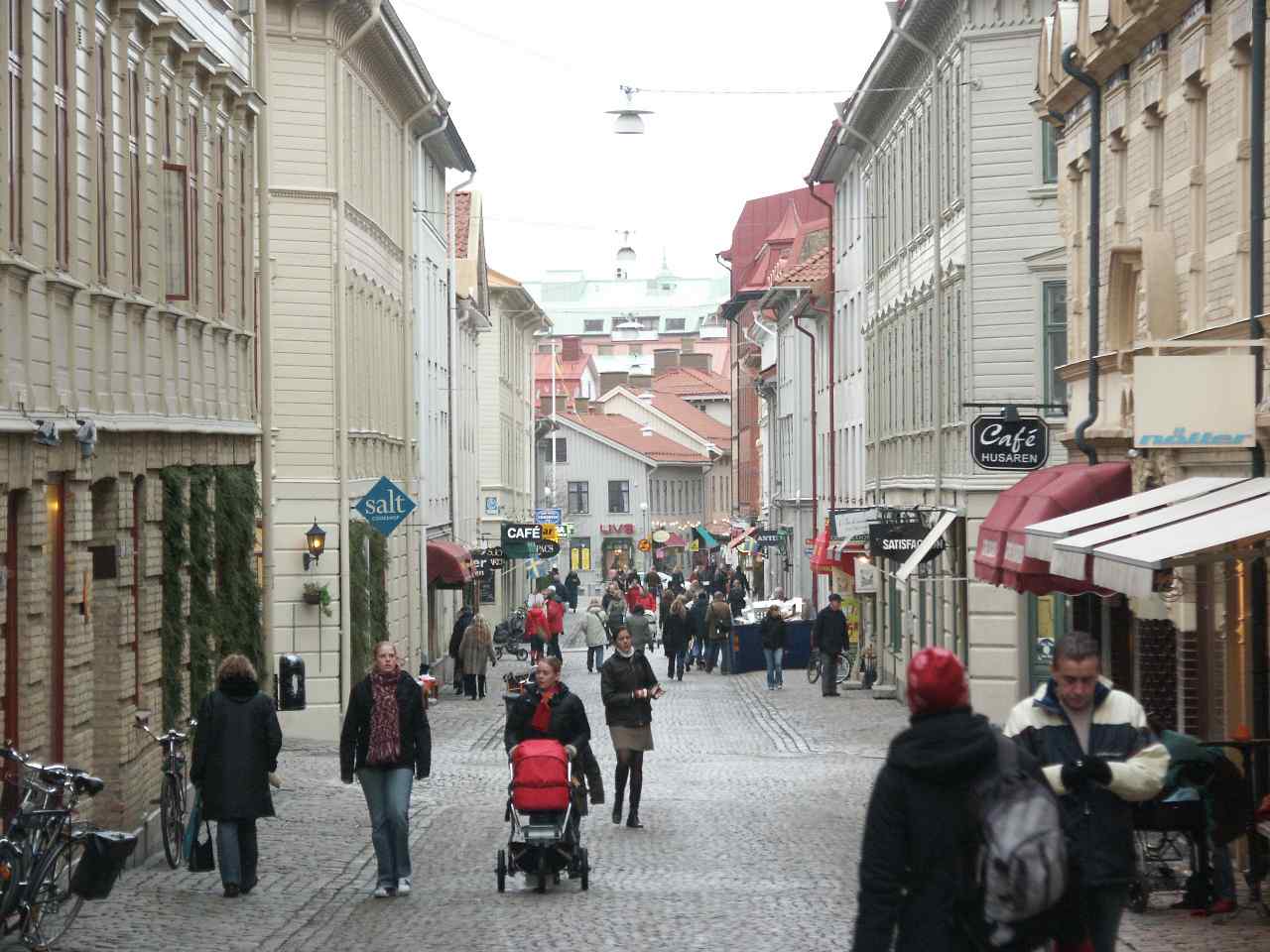
Haga District
Step into a storybook with cobblestone lanes and vintage wooden houses. Grab a plate-sized Hagabullen at Café Husaren and browse quirky boutiques. Price: Free entry. Pro tip: Visit for the magical Christmas market or a sunset fika. Check availability and explore popular experiences.
Slottsskogen
Gothenburg’s green soul offers a chill mix of forest trails and open lawns. Highlights include a free zoo with moose and penguins. Price: Free. Pro tip: Visit the Plikta playground for a family-friendly vibe or a sunset picnic. Check availability and explore popular experiences.

Gothenburg Botanical Garden
A lush, floral escape where rock gardens meet rare orchids. Wander through peaceful greenhouses and wild arboretums. Entry is roughly 30 SEK (voluntary in gardens). Pro tip: Visit the Japanese Glade for ultimate zen and perfect silence. Check availability and explore popular experiences.

Universeum
Go from jungle canopies to deep space in one building. Explore the steamy rainforest, massive shark tanks, and high-tech labs. Entry around 285 SEK. Pro tip: Ditch the jacket before the rainforest; it’s tropical heat in there. Check availability and explore popular experiences.
Skansen Kronan
Perched above the city, this 17th-century fortress oozes historic cool. Catch epic 360-degree skyline views and admire the massive crown-topped tower. Price: Free. Pro tip: Hike up for a sunset picnic to see Gothenburg glow. Check availability and explore popular experiences.

Trädgårdsföreningen
A 19th-century green oasis in the city heart. Explore the glittering Palm House and thousands of fragrant roses. Price: Free. Pro tip: Grab a fika at Rosenkaféet and soak in the golden age of horticulture. Check availability and explore popular experiences.

Gothenburg Museum of Art
A cultural powerhouse blending Nordic soul with global legends. Vibe with Picasso, Monet, and the stunning Fürstenberg Gallery. Entry is roughly 75 SEK; free for under 20s. Pro tip: Visit the sculpture hall for epic, moody lighting. Check availability and explore popular experiences.

Credit: Wikimedia Commons
Southern Archipelago
Escape the city for car-free bliss. Hike granite trails on Vrångö or fika in Brännö’s seaside villages. Price: Included in public transport ticket (approx. 35 SEK). Pro tip: Grab the Västtrafik app for effortless ferry hopping. Check availability and explore popular experiences.

Credit: Wikimedia Commons
Feskekörka
Gothenburg’s “Fish Church” is a neo-Gothic seafood mecca by the canal. Dive into fresh oysters, smoked salmon, and vibrant bars. Price: Free entry; dishes from 150 SEK. Pro tip: Grab a takeaway box for a scenic waterside picnic. Check availability and explore popular experiences.

Must-Do Activities in Gothenburg
To really get the most out of your trip, I recommend checking out these experiences:
No products were found!
What Part of Gothenburg is Best for Tourists?
Stay in the Inom Vallgraven. Everything will be within a 15-minute walk. If you want something a bit more local but still close, the Haga district is lovely—it features charming cobblestone streets, vintage wooden houses, and a world-famous fika culture.
What to Know Before Going to Gothenburg
- The Tap Water is Gold: Drink directly from the tap; it is high-quality, safe, and tastes better than bottled water.
- English is Widespread: Most locals speak excellent English, making it very easy for tourists to communicate and navigate.
- The Go City Pass: This all-inclusive pass offers great value if you plan to visit multiple top attractions and tours.
- Sundays are for Rest: Many smaller shops close on Sundays, though large malls and supermarkets usually remain open with shorter hours.
- Round Up the Bill: Tipping is not expected, but rounding up the bill is a common way to show appreciation.
How Many Days Do I Need in Gothenburg?
3 days is the ideal duration for first-time visitors to balance coastal charm, world-class museums, and thrilling attractions.
- Day 1: Liseberg, Skansen Kronan, Haga District, Gothenburg Cathedral, Feskekörka.
- Day 2: Slottsskogen, Gothenburg Museum of Art, Universeum, Gothenburg Botanical Garden, Trädgårdsföreningen.
- Day 3: Take a scenic boat trip to explore the car-free islands of the Southern Archipelago.
Suggested daily budget – 130-185 EUR / 140-200 USD (Note: This covers mid-range 3 or 4-star hotels, dining at local restaurants, and public transport or city cards. You can go cheaper if you eat “Dagens lunch” specials or explore the compact city center on foot).
MONEY SAVING TIPS
- Master the Dagens Lunch: Look for the Dagens lunch (daily lunch) menu at local spots like Kåges Hörna in Stora Saluhallen for classic Swedish dishes around 100-130 SEK, often including salad, bread, and coffee.
- Join a Free Walking Tour: Meet at Gustav Adolfs Torg for a tip-based walking tour with Gothenburg Walking Tours to explore the city center and the historic Haga district with a local guide.
- Use the Styr & Ställ Bikes: Rent a bike through the Styr & Ställ bike-share system for just 20 SEK per 30 minutes, or get a monthly pass for 90 SEK which includes the first 60 minutes of every ride for free.
- Sunset at Skansen Kronan: Skip the expensive bars and grab a 3.5% beer from a grocery store to enjoy a sunset picnic at the Skansen Kronan fortress, which offers spectacular 360-degree views of the city skyline for free.
What’s the Best Month to Visit Gothenburg?
May, June, and September are the sweet spots for visiting Gothenburg. These months offer pleasant weather and long daylight hours perfect for exploring the archipelago and outdoor cafes while avoiding peak summer crowds. However, December is a magical alternative when the city transforms into a cozy “Christmas City” filled with millions of twinkling lights and festive markets.
How to Get to Gothenburg
Most international travelers fly into Gothenburg Landvetter Airport (GOT). It serves as a major hub with direct connections from London, Frankfurt, Amsterdam, and Munich.
- From the airport: The Vy flygbussarna shuttle reaches the city center in about 30 minutes for approximately 129 SEK. Taxis take 25 minutes and cost roughly 500-700 SEK.
- By Train: Gothenburg Central Station connects directly to major Scandinavian capitals like Stockholm, Oslo, and Copenhagen via SJ, Vy, and Öresundståg high-speed and regional services.
How to Get Around Gothenburg
Stick to the trams and boats – it is the best way to navigate.
- Car Rental: Not recommended for the city; parking is difficult and expensive. Use DiscoverCars only for West Coast road trips.
- Walking: Excellent for the compact city center and the historic Haga district.
- Uber/Bolt: Both are available and reliable for quick point-to-point travel.
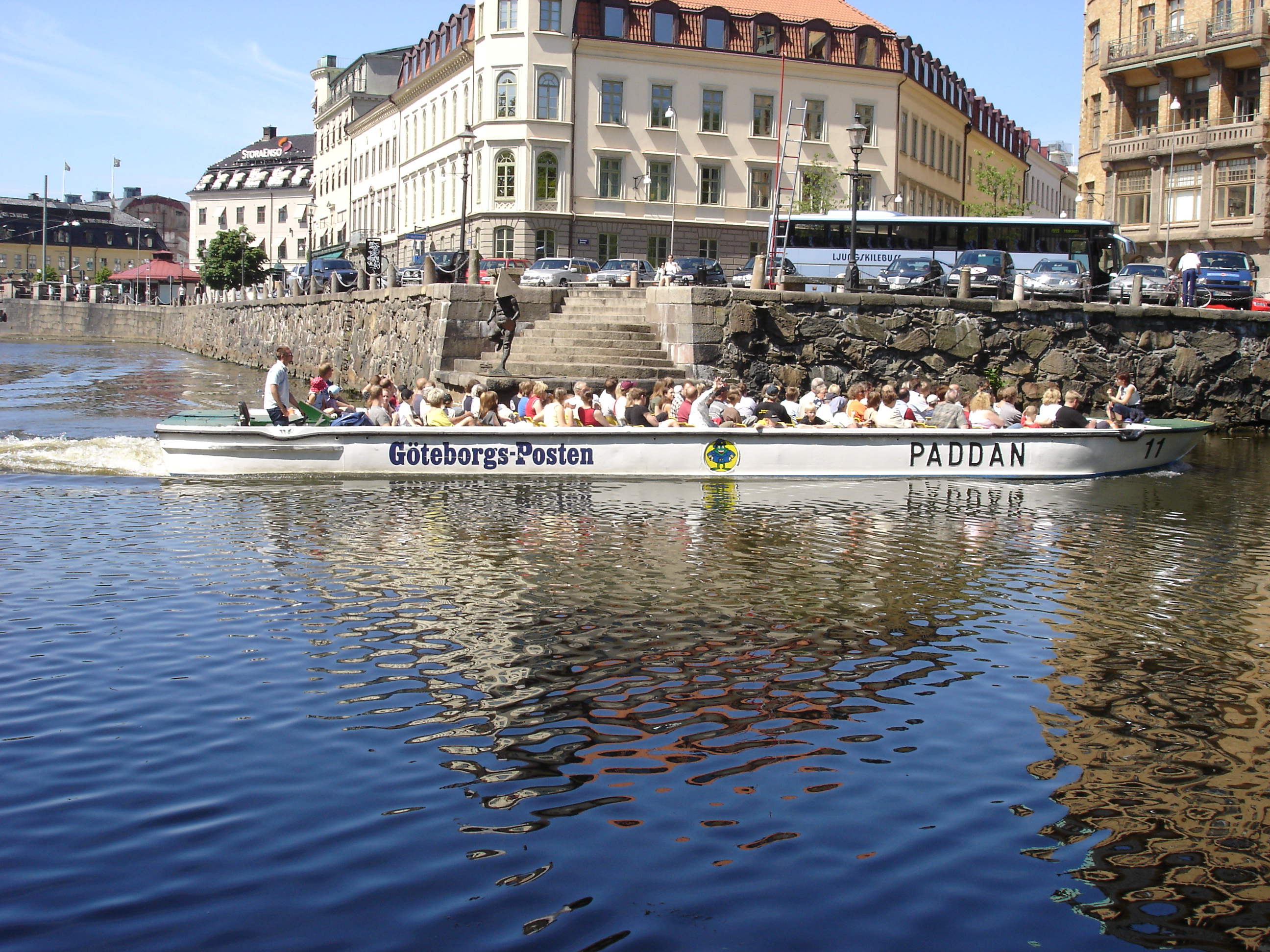
- Tours: Great for exploring the Southern Archipelago by ferry or taking guided boat tours through the city’s historic canals.
Tips for first-timers: Avoid driving in the city center—Narrow streets and expensive parking make a car a total hassle. Use Gothenburg’s iconic blue trams and efficient ferries for a stress-free experience!
Gothenburg is the kind of place that steals your heart. It is a coastal sanctuary where maritime heritage meets a vibrant, creative pulse, defined by its salty archipelago air, cozy cobblestone corners, and a warm, welcoming spirit. This city of canals invites you to embrace the moment, leaving you with a renewed sense of wonder.
Note: This article contains affiliate links. If you purchase something I’ve recommended, I’ll earn a small commission at no extra cost to you. I really appreciate your support and I hope this guide helps you ♡