


Get Inspired

Itineraries

Travel Guides

About Me

Top
  >  Portugal   >  Best Places to Visit in Madeira
best places to visit in madeira

Madeira is Portugal’s mist-shrouded emerald isle, a volcanic vision where laurel forests cloak jagged peaks and levadas snake through terraced vineyards like veins of liquid silver. From Funchal’s fiesta of flowers and fortified wines to Câmara de Lobos’ cliffside crags where Churchill chased canvases, it’s a realm of relentless reinvention—Monte’s wicker toboggans careening down cobbled chutes, Pico do Arieiro’s dawn-piercing panoramas, and Porto Moniz’s lava-lapped pools cradling Atlantic chill. I hiked the 25 Fontes trail as waterfalls wept from mossy mantles, then sipped Malmsey amid Blandy’s barrel vaults as rainbows arched overhead. It’s primal poetry—untamed, unapologetic, and utterly addictive. If you’re spellbound by subtropical secrets, sunrise summits, and the siren call of the Selvagens, Madeira murmurs. Keep reading for my guide to levada-lacing hikes and harbor-hugging toasts.

Why Visit Madeira?

Madeira is Portugal’s subtropical outlier, a UNESCO laurel haven fusing volcanic vigor with colonial charm across Funchal’s fervor and Machico’s mellow. Here’s why you need to levitate to Madeira:

  • Levada Legends: Ancient irrigation trails like 25 Fontes weave through cloud forests—hike to cascading cascades and laurel labyrinths.
  • Funchal Frenzy: Mercado dos Lavradores overflows with exotic eats, while Sé’s spires and Monte’s cable cars soar over bay bliss.
  • Peak Pursuits: Pico do Arieiro’s lunar rims and Curral das Freiras’ chestnut chasms crown the island in craggy majesty.
  • Coastal Charms: Câmara de Lobos’ craggy coves and Porto Moniz’s natural baths blend bliss with basalt drama.
  • Wine & Wilds: Madeira’s fortified nectar flows from lodges, paired with Rabaçal’s rills and Machico’s maritime hush.

Madeira is a mist-veiled marvel of mounts—a laurel-laced legacy where Atlantic anthems echo eternally.

MADEIRA KEY INFO

Everything you need to hit the ground running.

WHEN TO VISIT

Madeira enjoys a mild subtropical climate year-round, so it’s great anytime, but spring (March-May) and autumn (September-November) are ideal for pleasant weather (20-24°C/68-75°F), blooming flowers or lush landscapes, perfect hiking conditions, and fewer crowds.

HOW TO GET THERE

Fly into Cristiano Ronaldo International Airport (FNC) near Funchal – direct flights from many European cities (and seasonal from places like New York). From the airport to central Funchal (about 20-30 minutes): Aerobus shuttle ~€5-7, taxi/Uber ~€25-35, or private transfers available.

HOW TO GET AROUND

Rent a car for the best flexibility to explore the island’s mountains, levadas, and remote spots (essential for most hikes and viewpoints; roads are winding and steep).

IDEAL TRIP LENGTH

5-7 days minimum to cover Funchal, key hikes, and highlights; 10+ days is better for deeper exploration, including Porto Santo island, more levadas, or relaxed beach time.

What is Madeira Mainly Known For?

Madeira, Portugal’s subtropical island paradise (often called “Europe’s Hawaii”), is famous for its dramatic volcanic landscapes, lush laurel forests (UNESCO-listed Laurisilva), endless hiking trails along levadas (ancient irrigation channels), stunning viewpoints like Pico do Arieiro, and natural lava pools for swimming. It’s a top spot for whale/dolphin watching year-round, Madeira wine tasting, poncha cocktails, fresh seafood, and the capital Funchal’s historic charm with markets, cable cars to Monte, and botanical gardens. Add epic sunsets, black-sand beaches, and adventure activities like canyoning – it’s a perfect blend of nature, outdoor thrills, and relaxed island vibes.

Is Madeira a Walkable Island?

Funchal, the main hub, is quite walkable in the historic center and waterfront areas – flat-ish zones around the old town, markets, and promenade make strolling easy for shops, cafes, and sights. However, the island overall isn’t very walkable due to its steep, mountainous terrain and spread-out attractions. Most visitors rely on cars to reach trails, villages, or viewpoints. Levada walks and short hikes are incredibly scenic and “walkable” in nature, but prepare for elevation changes and bring good shoes.

Is it safe to walk in Madeira at night? Yes, Madeira is generally very safe, including at night in tourist areas like central Funchal, the Zona Velha (old town), or the Lido promenade – well-lit, populated spots with low crime rates. Petty theft (pickpocketing) is the main concern in busier tourist zones, so stay aware, use common sense, and avoid isolated dark areas. Violent crime is rare, and many people feel comfortable wandering alone after dark in lively neighborhoods.

What is the Best Neighborhood to Walk Around?

Funchal’s Zona Velha (Old Town) is the top pick for wandering – narrow cobbled streets bursting with colorful buildings, street art, lively restaurants, bars, and the famous Mercado dos Lavradores (farmers’ market) for fresh produce and flowers. It’s atmospheric, historic, and full of energy with easy access to the waterfront promenade for scenic strolls. For a more upscale vibe, nearby areas like São Pedro or Santa Luzia offer elegant architecture and cafes.

The Lido area is great for a relaxed seaside walk with pools and ocean views, while the Monte area (reachable by cable car) provides gardens and panoramic paths. Outside Funchal, spots like Câmara de Lobos offer charming harbor walks, but the island’s real “walking” magic is in its nature trails rather than urban neighborhoods.

What Are the Best Things to Do in Madeira? (For Your First Visit)

When I show friends around Madeira, I’m all about taking it easy at first, soaking in the island’s wild beauty, and letting those dramatic landscapes pull us in. I don’t do rigid itineraries – just a list of must-dos and a readiness to chase viewpoints, trails, or a good poncha when the mood strikes. Here are the top things I recommend checking out:

Mercado dos Lavradores

Bustling 1940s market bursting with exotic fruits, fresh seafood, and flower stalls—haggle for passionfruit and Atlantic swordfish amid Funchal’s vibrant energy. Check availability and explore popular experiences.

Mercado dos Lavradores Madeira

Credit: Wikimedia Commons

Sé Cathedral

16th-century Gothic-Renaissance gem with intricate azulejo tiles and wooden ceiling—explore the treasury and organ for Madeira’s ecclesiastical history. Check availability and explore popular experiences.

Sé Cathedral Madeira

Credit: Wikimedia Commons

Cable Car to Monte

Aerial ride soaring over Funchal’s red roofs to Monte Palace—descend by wicker toboggan for thrills amid subtropical gardens and exotic peacocks. Check availability and explore popular experiences.

Cable Car to Monte Madeira

Credit: Wikimedia Commons

Pico do Arieiro

Cloud-kissed summit at 1,818m with lunar landscapes and sunrise hikes—gaze at Madeira’s jagged peaks piercing the Atlantic dawn. Check availability and explore popular experiences.

Pico do Arieiro Madeira

Credit: Wikimedia Commons

Levada das 25 Fontes

Enchanted levada trail cascading through laurel forests to 25 springs—hike misty paths amid Madeira’s UNESCO laurel jungle for waterfall magic. Check availability and explore popular experiences.

Levada das 25 Fontes Madeira

Credit: Wikimedia Commons

Câmara de Lobos

Colorful fishing village with banana plantations and harbor views—inspire like Churchill amid sea breezes and fresh grilled limpets. Check availability and explore popular experiences.
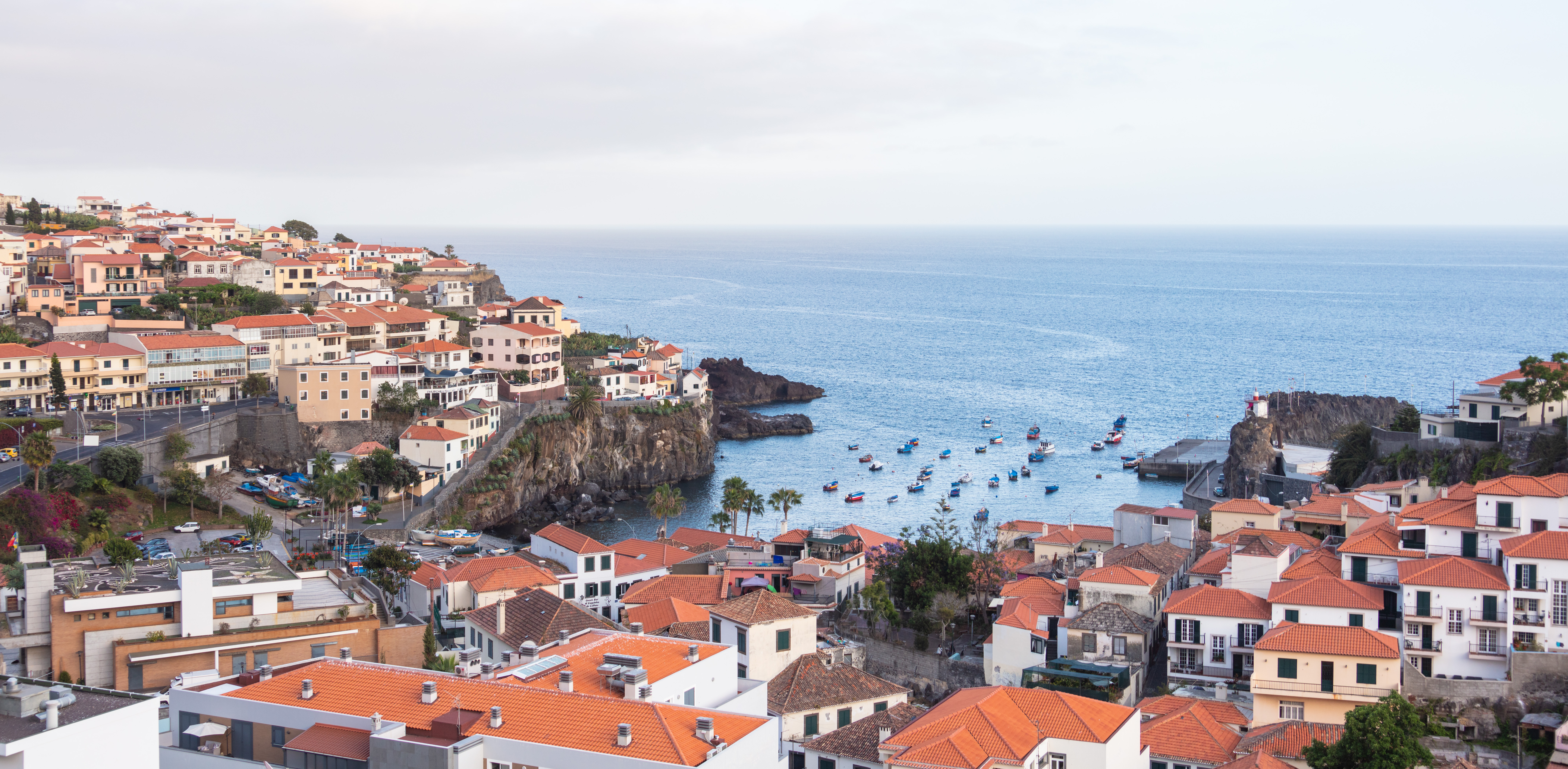
Câmara de Lobos Madeira

Credit: Wikimedia Commons

Madeira Botanical Gardens

Subtropical paradise cascading down cliffs with orchids, cacti, and aviaries—stroll terraced paths for panoramic Funchal bay vistas. Check availability and explore popular experiences.
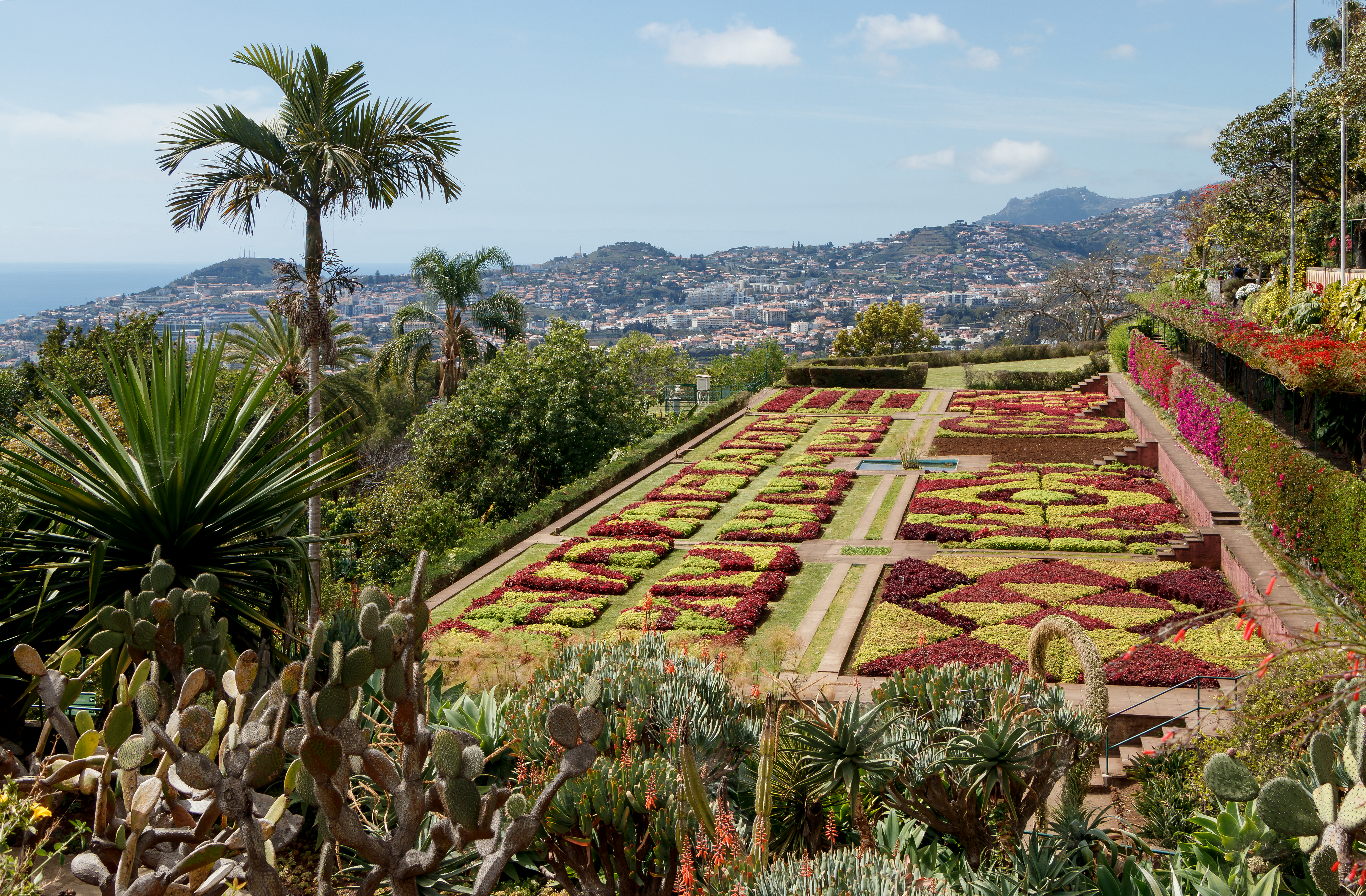
Madeira Botanical Gardens Madeira

Credit: Wikimedia Commons

Porto Moniz Natural Pools

Volcanic rock pools lapped by Atlantic waves—swim in crystal lagoons amid lush northwest laurel forests for a refreshing island plunge. Check availability and explore popular experiences.
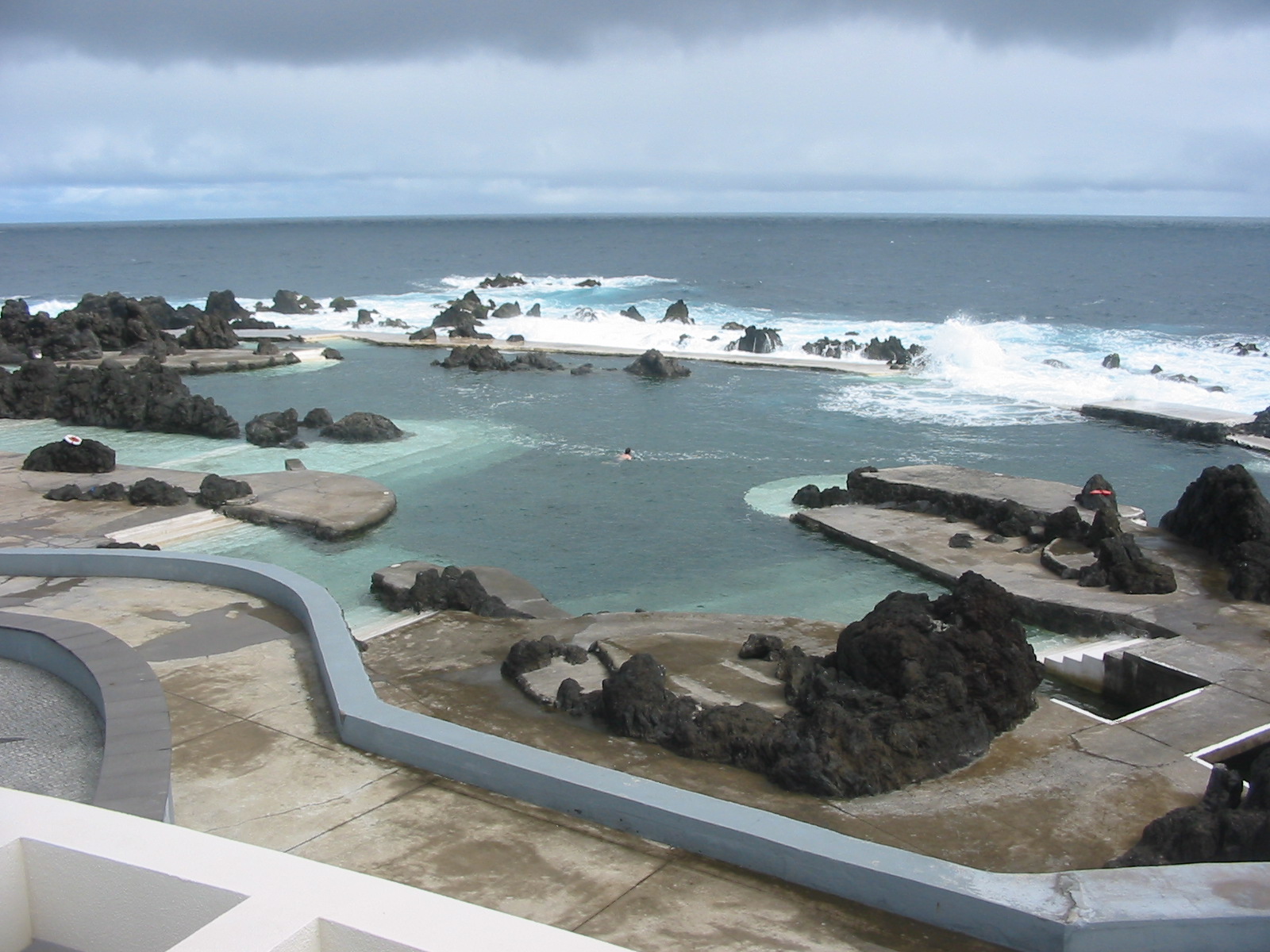
Porto Moniz Natural Pools Madeira

Credit: Wikimedia Commons

Madeira Wine Lodges

Historic cellars aging fortified wines since 1820—sample Malmsey and Sercial amid barrel vaults in Funchal’s Madeira heritage heart. Check availability and explore popular experiences.

Madeira Wine Lodges Madeira

Credit: Wikimedia Commons

Curral das Freiras

Dramatic mountain valley of chestnut orchards and terraced vines—hike to nun’s refuge views and savor roasted chestnuts in this secluded gem. Check availability and explore popular experiences.
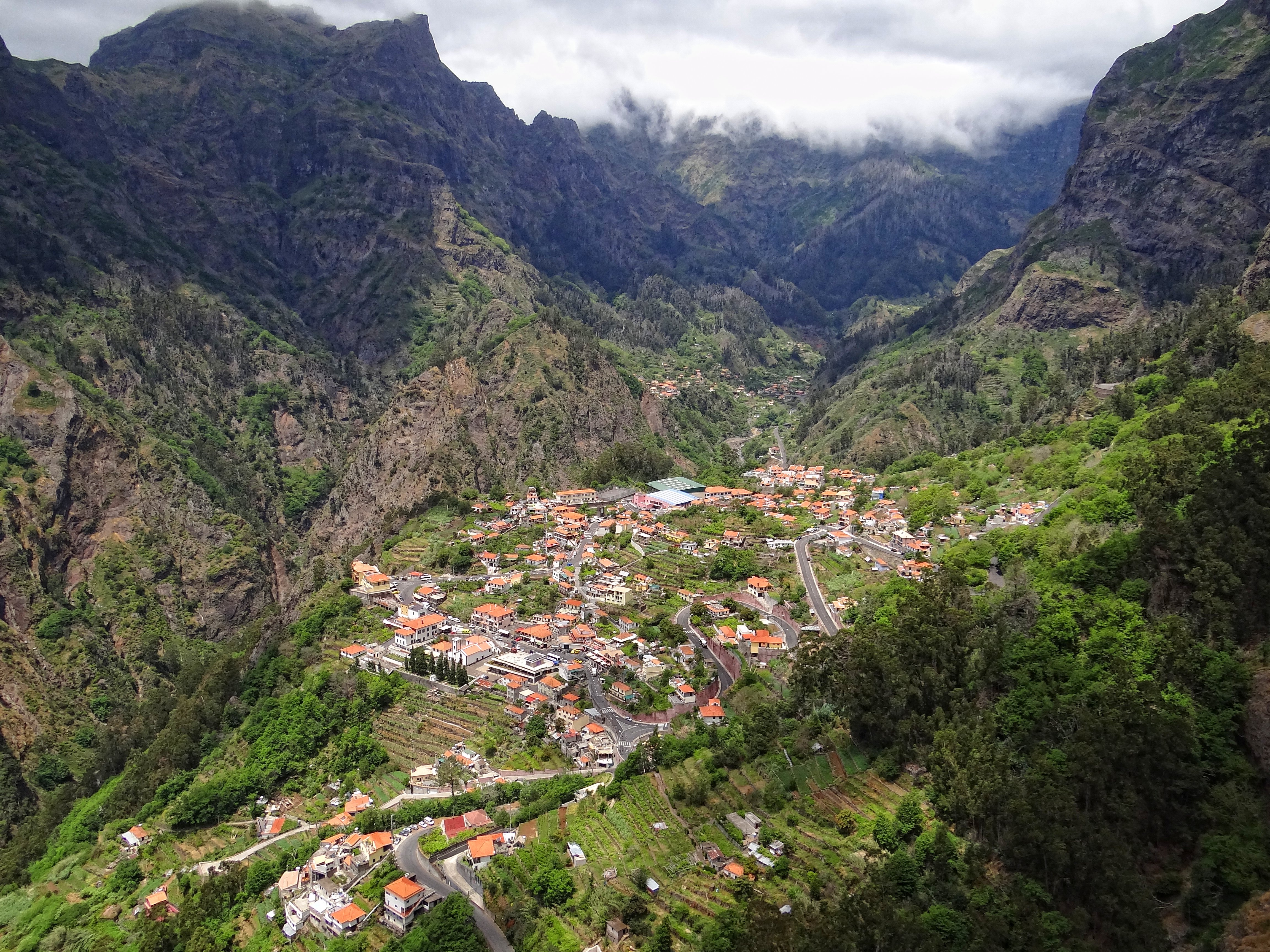
Curral das Freiras Madeira

Credit: Wikimedia Commons

What Part of Madeira Is Best for Tourists?

Funchal and Câmara de Lobos are ideal for first-timers, blending market mayhem and cable car thrills with easy levada links. Machico offers quieter beach vibes near Pico do Arieiro trails, while Porto Moniz suits pool plungers with northwest wilds.

What to Know Before Going to Madeira

  • Levada Lore: Trails like 25 Fontes tangle—wear grippy shoes and go guided for safety in slippery laurels.
  • Peak Prep: Pico do Arieiro chills at dawn; layers layer up for fog-shrouded summits.
  • Toboggan Thrills: Monte’s wicker sleds seat two—book ahead for the downhill dash.
  • Wine Wisdom: Malmsey tastings run €10–€20—pair with bolo do caco for fortified feasts.

Suggested Daily Budget for Madeira (Mid-Range)

A comfortable mid-range budget is approximately €80–€160 per person per day.

  • Accommodation: A mid-range hotel in Funchal or Câmara de Lobos ranges from €90–€140 per night.
  • Food & Drink: A market lunch or wine lodge dinner costs €15–€30 per person, with poncha at €4–€6.
  • Transport: A single bus ticket is €2–€5.

What’s the Best Month to Visit Madeira?

The best time to visit Madeira for wildflower walks and whale watches is during the shoulder seasons: April to June and September to October.

Spring (April–June) unfurls with highs up to 72°F and blooming hydrangeas, prime for levada laps and Pico sunrises. Early fall (September–October) mirrors summer mildness (around 75°F) with sparser crowds, perfect for Monte toboggans and wine lodge lounges. Summer (July–August) hums at 77°F with festival fervor, though mists mount. Winter (November–March) is lush and mild (59–68°F), best for rain-fed laurels and off-peak pool plunges.

How to Get to Madeira

Madeira is served by Cristiano Ronaldo International Airport (FNC), about 12 miles east of Funchal. It’s a volcanic runway thrill—check WayAway for flights. From the airport:

  • Bus (Line 1/113): Direct to Funchal center (€5, 30–45 min).
  • Taxi: To hotels or Monte (€25–€35, 20–30 min).
  • Shuttle/Private Transfer: Pre-booked vans (€20+, 25 min).

Flights from Lisbon (€50–€100, 1.5 hrs) or Porto (€70–€120, 2 hrs) land frequently; ferries from mainland are rare.

How to Get Around Madeira

Madeira’s serpentine roads demand daring drivers, but buses blanket the island reliably. Levadas lure on foot, cable cars lift effortlessly.

  • Buses (Rodoeste/SAM): Link Funchal to Câmara de Lobos/Porto Moniz; fare €5–€10.
  • Car Rental: Essential for Pico peaks (€30–€50/day); stick to left lanes on switchbacks.
  • Taxis/Uber: Handy for airport or Monte (€10–€20).
  • Hiking & Cable Cars: Free trails; €16 round-trip to Monte.

Tips for Tourists Using Transport:

  • Bus app for schedules—summer swells mean standing starts.
  • Rent 4x4s for Curral curves; park paid in peak Funchal.
  • Toboggan teams take two—solo riders pair up politely.

Conclusion: Madeira is an island where laurel legends linger in the mist. Bus to Botanic blooms and beyond, then trek trails for timeless tranquility. You’ll ascend from Arieiro’s auroras to Moniz’s marine murmurs with misty magnificence. Discover the depth and dazzle of Portugal’s pearl with our detailed Madeira guide!

Note: This article contains affiliate links. If you purchase something I’ve recommended, I’ll earn a small commission at no extra cost to you. I really appreciate your support and I hope this guide helps you ♡

post a comment