

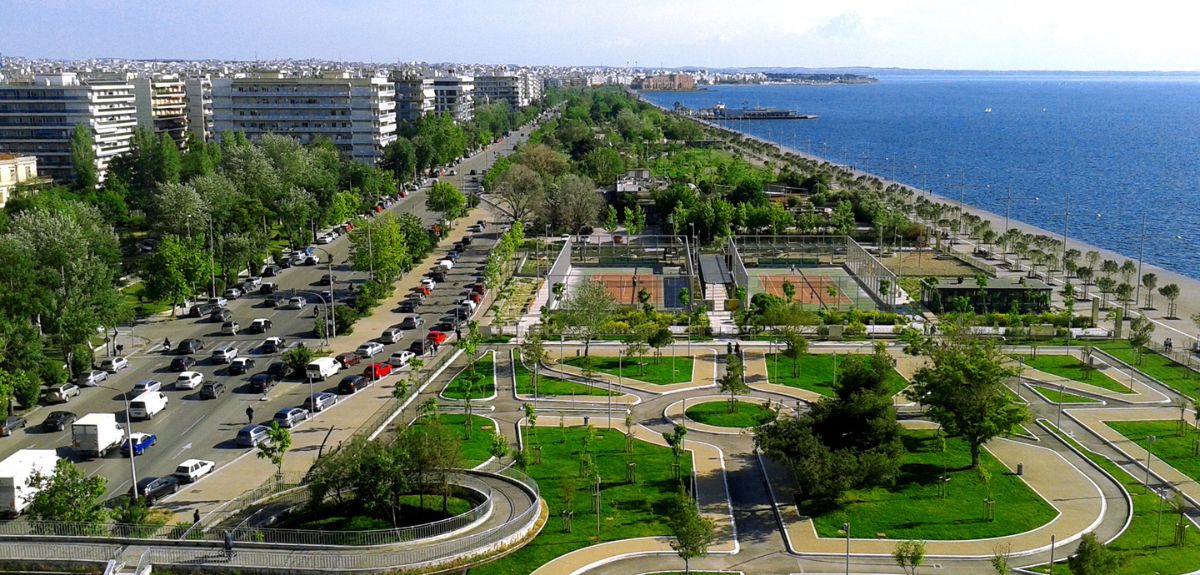
Thessaloniki is Greece’s fiercely proud northern capital and a hidden gem—a vibrant, cultural, and historic port city with a truly youthful energy thanks to its massive student population. It’s not about ancient ruins towering over you; it’s about layer upon layer of Roman, Byzantine, and Ottoman history woven into a modern urban fabric. I loved strolling the waterfront promenade, watching the sunset from the White Tower, and diving into the city’s legendary food scene. Thessaloniki is a true foodie paradise, especially famous for its desserts and street food. If you’re looking for a Greek city break that offers Byzantine wonders, a thriving arts scene, and incredible gastronomy without the overwhelming crowds of Athens, this is it. Keep reading for my essential guide to “Greece’s Co-Capital.”
Why Visit Thessaloniki?
Thessaloniki is Greece’s second-largest city and its cultural capital, renowned for its food scene, historical layers, and youthful energy. Here’s why you need to put Thessaloniki on your list:
- Byzantine & Roman History: Explore the UNESCO-listed early Christian and Byzantine churches, the Rotunda, the Arch of Galerius, and the remnants of the Roman Forum.
- The White Tower: The city’s most recognizable landmark, this iconic tower on the waterfront offers panoramic city views and a look into the city’s complex history.
- Gastronomic Hub: The city has a celebrated and diverse food culture influenced by Balkan, Ottoman, and Jewish traditions—it’s a paradise for foodies, especially for desserts.
- The Waterfront Promenade: Enjoy a long, beautiful walk or bike ride along the sea, featuring modern art installations like the famous Umbrellas.
- Ano Poli (Upper Town): Wander the charming, traditional old town, which offers stunning views and preserves the authentic feel of historic Thessaloniki.
Thessaloniki is a sophisticated and delicious city that offers a unique, cosmopolitan blend of history and contemporary Greek life.
THESSALONIKI KEY INFO
Everything you need to hit the ground running.
WHEN TO VISIT
April to June for mild weather and blooms; September to October for pleasant temperatures and vibrant festivals.
HOW TO GET THERE
Fly into Thessaloniki International Airport (SKG). It’s taxi or express bus to the city center (~20-40 min).
HOW TO GET AROUND
Walk! The city center is compact and best explored on foot. For longer trips, use the new driverless Metro or the OASTH app for bus routes.
IDEAL TRIP LENGTH
2-3 days for the city itself, but 5 days if you want to visit Meteora, Mount Olympus, or Halkidiki.
What is Thessaloniki Mainly Known For?
Thessaloniki is famous for the White Tower, a waterfront sentinel with a dark past as an Ottoman prison. It’s also known for the Rotunda, a massive Roman mausoleum turned church and mosque. Beyond the sights, it’s known as the Nymph of the Thermaic Gulf, a vibrant co-capital defined by its ancient soul and spirited modern energy.
Is Thessaloniki a Walkable City?
100% yes. Thessaloniki’s historic center is incredibly compact and pedestrian-friendly, making it a dream to explore on foot. I loved wandering the seaside promenade and vibrant squares, soaking in the Mediterranean energy without the constant hum of traffic.
Is it safe to walk in Thessaloniki at night? Absolutely. It is generally very safe with a low crime rate. I felt completely at ease, though standard common sense remains wise.
What Is the Best Neighborhood to Walk Around?
Ano Poli is the winner. Perched above the city along the ancient Byzantine walls, this historic labyrinth dazzles with stone-paved alleys, ochre-painted Ottoman houses, and panoramic views of the Thermaic Gulf. For something completely different, walk over to Ladadika, a former oil-merchant district now buzzing with neon-lit alleys, vibrant street art, and bohemian tavernas set in colorful industrial warehouses.
What Are the Best Things to Do in Thessaloniki? (For Your First Visit)
I visited Thessaloniki without a strict day-by-day plan. I wanted to take my time, enjoy the city’s laid-back seaside charm and historic grit, and see where the streets took me. I wrote down a few highlights and hit the ground running. Here are the spots I definitely recommend checking out:
White Tower
Thessaloniki’s iconic waterfront sentinel oozes history and grit. Explore its multi-level museum and catch 360-degree Aegean views from the ramparts. Price: ~€3-6. Pro tip: Visit at sunset for a golden glow over the Thermaic Gulf. Check availability and explore popular experiences.
Credit: Wikimedia Commons
Aristotelous Square
Thessaloniki’s grand waterfront living room is pure cinematic energy. Marvel at the neo-Byzantine curves and buzzing cafes. Price: Free. Pro tip: Grab a freddo espresso and people-watch as the sun dips below the horizon. Check availability and explore popular experiences.

Credit: Wikimedia Commons
Rotunda
Step into this 4th-century Roman giant turned church. Its massive dome and gold mosaics ooze ancient mystery and raw power. Highlights: glittering martyr mosaics and the surviving minaret. Price: ~€6. Pro tip: Visit for the epic acoustics. Check availability and explore popular experiences.

Credit: Wikimedia Commons
Arch of Galerius
Thessaloniki’s favorite meeting spot is a Roman masterpiece oozing ancient power and urban grit. Admire the intricate marble reliefs of epic Persian battles. Price: Free. Pro tip: Use “Kamara” as your meeting point to feel like a local. Check availability and explore popular experiences.

Credit: Wikimedia Commons
Church of Agios Dimitrios
Step into this massive 7th-century basilica where golden mosaics meet ancient mystery. Explore the spooky underground crypt and rare Byzantine art. Price: Free. Pro tip: Visit the crypt museum to see the original Roman baths. Check availability and explore popular experiences.
Credit: Wikimedia Commons
Ano Poli
Get lost in Ano Poli’s soulful maze of Ottoman houses and cobblestones. Highlights: Byzantine walls and Vlatadon Monastery. Price: Free. Pro tip: Hike up for sunset to see the city glow and Mount Olympus on the horizon. Check availability and explore popular experiences.

Credit: Wikimedia Commons
Heptapyrgion
Perched above the city, this fortress-turned-prison oozes dark, cinematic history and raw power. Explore the eerie isolation cells and ancient Byzantine walls. Price: ~€3-6. Pro tip: Take the bus up and walk down through Ano Poli’s winding alleys. Check availability and explore popular experiences.

Credit: Wikimedia Commons
Ladadika District
Thessaloniki’s historic soul turned nightlife hub. Wander colorful, oil-merchant warehouses now buzzing with trendy tavernas and bars. Highlights: Katouni Square and neon-lit alleys. Price: Free to explore. Pro tip: Skip the tourist traps; look for the hidden meze spots. Check availability and explore popular experiences.
Credit: Wikimedia Commons
Archaeological Museum of Thessaloniki
Dive into Macedonia’s ancient soul in this sleek, modernist gem. Highlights: the intricate Derveni Krater and dazzling Gold of Macedon. Price: ~€8. Pro tip: Visit the garden cafe for a chilled coffee among Roman marble ruins. Check availability and explore popular experiences.

Credit: Wikimedia Commons
Museum of Byzantine Culture
Dive into 11 galleries of ancient soul in this award-winning modernist gem. Highlights include rare golden mosaics and the stunning “Derveni Krater.” Price: ~€8. Pro tip: Hit the garden cafe for a chilled coffee among Roman marble ruins. Check availability and explore popular experiences.

Credit: Wikimedia Commons
Must-Do Activities in Thessaloniki
To really get the most out of your trip, I recommend checking out these experiences:
What Part of Thessaloniki is Best for Tourists?
Stay in the City Center near Aristotelous Square. Everything will be within a 15-minute walk. If you want something a bit more local but still close, the Ladadika District is lovely—it features historic oil-merchant warehouses turned into a buzzing hub of trendy tavernas and nightlife.
What to Know Before Going to Thessaloniki
- The Tap Water is Gold: Tap water is high-quality and safe to drink thanks to modern purification and regular testing.
- English is Common: Younger locals and those in tourist areas typically speak good English, making communication relatively easy.
- The Thessaloniki Tourism Card: This digital app offers discounts on attractions and mobility services, making it worthwhile for active sightseers.
- Sunday Closures: Most shops and supermarkets are closed on Sundays, except during specific holiday periods or in tourist areas.
- Tipping is Appreciated: Tipping 5-10% in cash is standard for good service, though rounding up is common in casual settings.
How Many Days Do I Need in Thessaloniki?
3 days is perfect for first-timers to experience this coastal city’s mix of Roman history and vibrant waterfront energy.
- Day 1: White Tower, Aristotelous Square, Rotunda, Arch of Galerius, Church of Agios Dimitrios.
- Day 2: Ano Poli, Heptapyrgion, Ladadika District, Archaeological Museum of Thessaloniki, Museum of Byzantine Culture.
- Day 3: Take a scenic day trip to the beaches of Halkidiki or the royal tombs of Vergina.
Suggested daily budget – 85-150 EUR / 90-160 USD (Note: This covers 3-star hotels or boutique stays, sit-down restaurant meals, and local bus transport or museum entries. You can go cheaper if you eat street food like gyros or bougatsa and explore the city center on foot.)
MONEY SAVING TIPS
- Snack on Koulouri: Grab a fresh koulouri (sesame-crusted bread ring) or a slice of savory bougatsa from local bakeries like Bougatsa Bantis or Anoteron for just €1–€2 to stay full on the go.
- Join the Free Walk: Meet at the Alexander the Great Statue or the White Tower for a “Free Walking Tour” to explore the city’s Roman and Byzantine history for just the cost of a tip.
- Grab a Daily Pass: Skip individual tickets and buy a Daily Ticket for €2.50 at OASTH kiosks for unlimited 24-hour travel on all city buses and the new metro line.
- Sunset at the Castles: Buy a local beer from a grocery store and head up to the Byzantine Walls (Kastra) in Ano Poli to enjoy a panoramic sunset view without the pricey bar tab.
What’s the Best Month to Visit Thessaloniki?
May, June, and September are the sweet spots for visiting Thessaloniki. These months offer pleasant temperatures perfect for exploring waterfront cafes and historic sites while avoiding the intense summer heat and peak tourist crowds. However, December is a wonderful alternative, offering a festive atmosphere with magical Christmas markets, twinkling lights, and a cozy winter vibe throughout the city.
How to Get to Thessaloniki
Most international travelers fly into Thessaloniki Airport Makedonia (SKG). Key direct connection hubs include London, Munich, Frankfurt, Istanbul, and Athens; travelers from the US typically connect through these European cities.
- From the airport: A taxi to the city center takes approximately 30 minutes and costs €25–€30. The X1 express bus offers an affordable alternative for around €2.
- By Train: Thessaloniki is a major rail hub with frequent daily services to Athens and regional connections across Northern Greece via Hellenic Train.
How to Get Around Thessaloniki
Explore on foot—Thessaloniki’s vibrant waterfront and historic center are made for walking.
- Car Rental: Not recommended for city exploration due to heavy traffic and scarce parking; use DiscoverCars for day trips to Halkidiki.
- Walking: Highly recommended for the compact center and the scenic five-mile promenade.
- Uber/Bolt: Uber is available and calls licensed taxis. Bolt is not active.
- Tours: Great for exploring northern Greece’s historic sites and wineries without the stress of navigating Greek traffic.
Tips for first-timers: Avoid driving in the city center—Traffic is heavy and parking is a major struggle. Use the efficient bus system or explore the compact, historic center and waterfront on foot instead!
Thessaloniki is the kind of place that steals your heart. Its sun-drenched waterfront and layered history, where ancient Roman whispers meet a spirited, modern energy, create a landscape of raw beauty and soulful grit. Wandering through its historic streets, flavored by the Aegean breeze, leaves you with a renewed sense of wonder and connection to the past.
Note: This article contains affiliate links. If you purchase something I’ve recommended, I’ll earn a small commission at no extra cost to you. I really appreciate your support and I hope this guide helps you ♡