

The Azores are the kind of place that make you question if you’re still on Earth or if you’ve accidentally stepped into a high-definition nature documentary. Imagine nine emerald-green islands scattered in the middle of the Atlantic, where volcanic craters have turned into neon-blue lakes, and steam literally rises from the ground while you’re walking to lunch.
When I first landed in Ponta Delgada, I expected it to be “Hawaii meets Portugal,” but it’s so much more authentic than that. It’s rugged, it’s lush, and it’s got this slow-living vibe that instantly lowers your heart rate. Whether you’re soaking in an iron-rich thermal pool in Furnas, wandering the UNESCO streets of Angra do Heroísmo, or grabbing a gin at the world-famous Peter’s Café Sport in Horta, the Azores hit different. It’s not just a destination; it’s a full-on sensory reset.
Why Visit Azores?
The Azores nail that rare combo of wild adventure and total serenity. Here’s why I’m constantly telling my friends they need to book a flight:
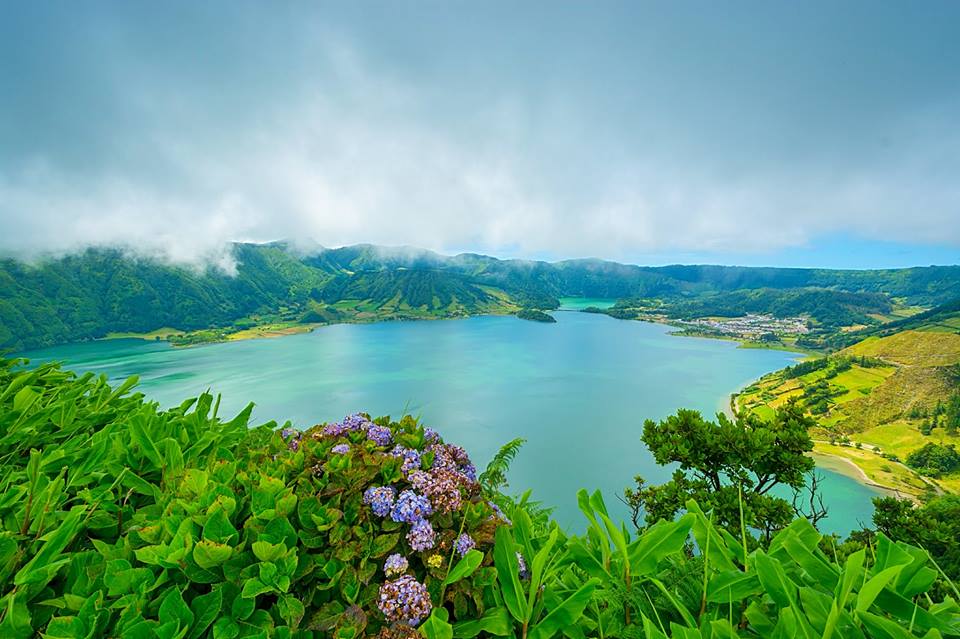
- The “Jurassic Park” Landscapes: Seriously, the greenery here is intense. From the twin lakes of Sete Cidades to the dramatic cliffs of São Jorge, every corner is a screensaver.
- Thermal Everything: Where else can you swim in an ocean-fed hot spring (Ferraria) or soak in a botanical garden pool (Terra Nostra) heated by a volcano?
- Whales & Dolphins: This is one of the world’s best spots for whale watching. Seeing a sperm whale breach against the backdrop of Pico Mountain is a core memory unlocked.
- Pure Authenticity: You won’t find massive resorts or tacky tourist traps. It’s about local cheese, family-run vineyards, and cobblestone towns that haven’t changed in centuries.
It’s the kind of place where you can hike a crater in the morning, soak in thermal pools by afternoon, and eat fresh fish at night. Perfect for nature lovers who want practicality without the chaos.
AZORES KEY INFO
Everything you need to know to make the most of Azores.
WHEN TO VISIT
June to September for warm weather, whale watching, and open trails. April-May or September-October for fewer crowds, blooming hydrangeas, and lower prices.
HOW TO GET THERE
Fly into Ponta Delgada (PDL) on São Miguel – direct flights from the US (Boston, New York) and Europe are increasing. For island-hopping, use SATA Azores Airlines for quick flights or Atlanticoline ferries (seasonal, cheaper but weather-dependent).
HOW TO GET AROUND
Rent a car on each island – roads are good but winding, and public buses are limited. Uber exists in bigger towns but isn’t reliable everywhere.
IDEAL TRIP LENGTH
10-14 days to hit 3-4 islands without rushing. First-timers: Start with São Miguel (5-7 days), add Terceira and Faial/Pico.
What is Azores Mainly Known For?
The Azores are famous for being the “Green Islands” of Portugal. They are best known for their volcanic calderas (collapsed volcanoes turned into lakes), the towering Mount Pico (Portugal’s highest peak), and their incredible marine life. Culturally, they are known for their unique vineyards growing out of black lava rock on Pico and the historic maritime hub of Horta, where sailors from all over the world leave paintings on the marina walls.
Is it walkable?
This is a “yes and no” situation. Within the main hubs like Ponta Delgada, Angra do Heroísmo, and Horta, walking is the absolute best way to see the sights. These city centers are compact, full of beautiful black-and-white “calçada” pavement, and very safe.
Is it safe to walk at night? Absolutely. The Azores have incredibly low crime rates. I’ve walked through Ponta Delgada late at night after a long dinner and felt completely at ease. Just watch your step on the cobblestones if it’s been raining—they get slippery!
What Is the Best Neighborhood to Walk Around?
In Ponta Delgada, the area around the Portas da Cidade (City Gates) and the harbor is iconic. But for a real “local” vibe, head to the Old Town of Angra do Heroísmo on Terceira. It’s a UNESCO World Heritage site for a reason—the colorful buildings and narrow alleys leading down to the bay are incredibly photogenic. In Ponta Delgada, don’t miss the Jardim Botânico António Borges; it’s a botanical dreamscape right in the city where you can get lost in giant banyan tree roots.
What Are the Best Things to Do in Azores? (For Your First Visit)
When I first visited, I didn’t want a minute-by-minute itinerary. I wanted to see where the winding, hydrangea-lined roads took me. I wrote down a few “non-negotiables” and let the islands do the rest. Here are the spots I recommend for your first trip:
Sete Cidades (São Miguel)
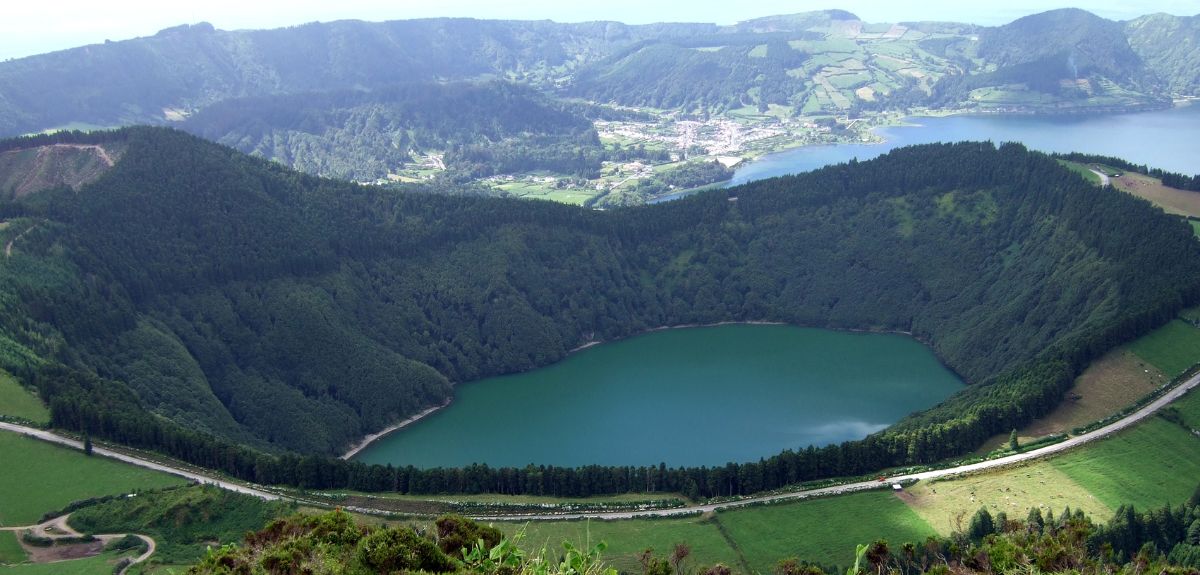
This is the “big one.” It’s a massive volcanic crater with two lakes—one blue, one green. I highly recommend the walk from the top of the crater down to the bottom. For the ultimate view, find the Miradouro da Boca do Inferno. It’s a bit of a hike, but it’ll leave you speechless. Book this activity here.
Furnas Valley (São Miguel)
This place is wild. You can see steam vents (caldeiras) hiss out of the ground. Parque Terra Nostra is a must—it’s a giant thermal pool surrounded by a botanical garden. Pro tip: Wear an old swimsuit! The iron in the water will turn it orange forever. Also, try the Cozido, a stew cooked underground by volcanic heat.
Angra do Heroísmo (Terceira)
This city is like a living museum. The architecture is stunning, and the vibe is super laid-back. Check out the Algar do Carvão, where you can actually walk down into an empty volcanic chimney. It’s one of the only places on Earth where you can do this.
Mount Pico (Pico Island)
If you’re into hiking, climbing Portugal’s highest peak is a rite of passage. If you’re not into hiking, just drink the wine! The Criação Velha vineyards are protected by UNESCO and grow directly out of the black basalt rock. You can book this activity here.
Capelinhos Volcano (Faial)
This looks like you’ve landed on the Moon. It’s the site of the last major eruption in the late 50s, and the landscape is still stark, grey, and hauntingly beautiful compared to the rest of the green islands.
Gorreana Tea Plantation
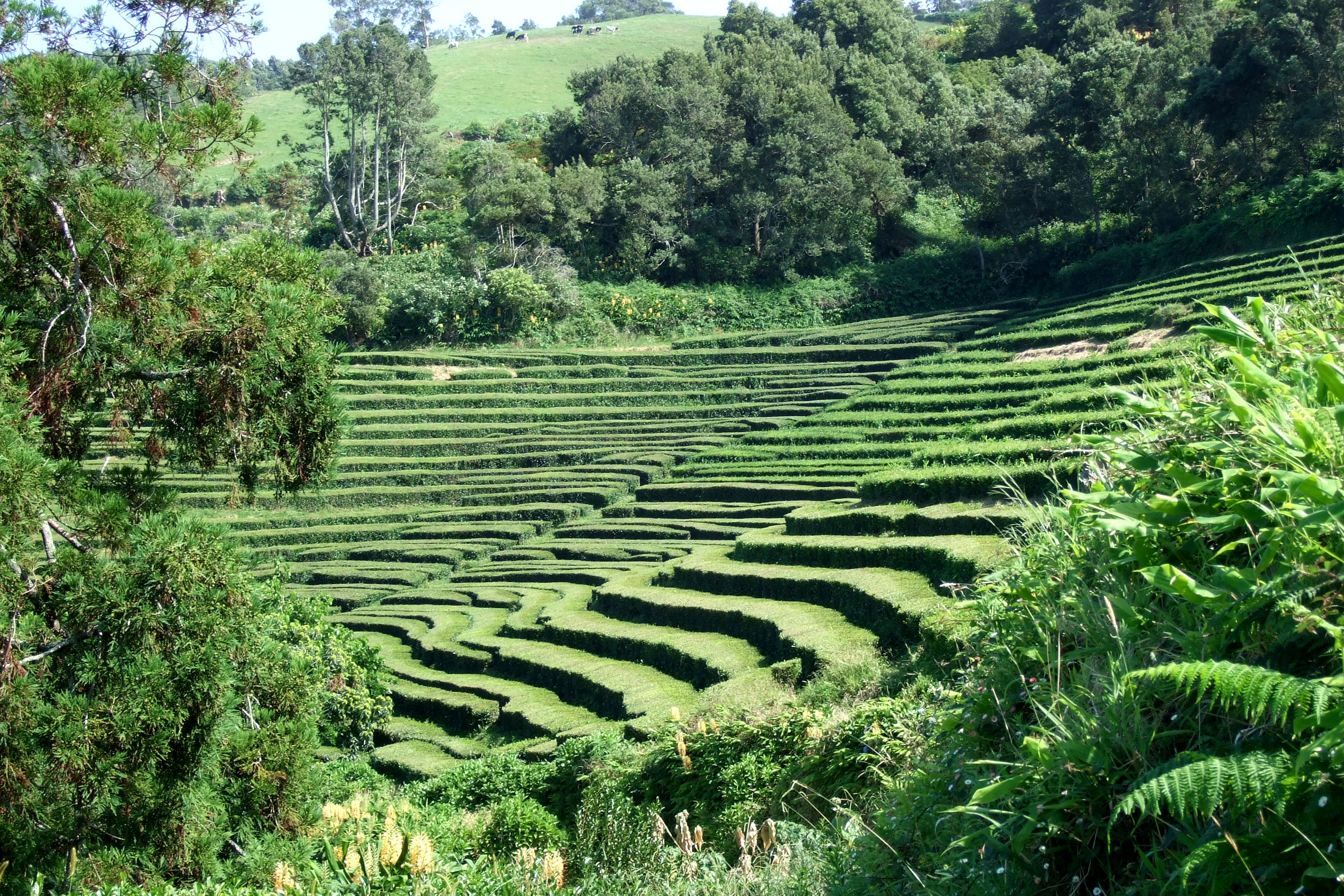
Europe’s only tea fields – free tours, tastings, and ocean views. Grab some to take home.
Lagoa do Fogo
If Sete Cidades is the “famous” lake, Lagoa do Fogo is its wilder, more mysterious cousin. It’s sitting right in the center of São Miguel, way up in the mountains, and let me tell you—it’s moody. Because it’s so high up, it’s often shrouded in mist. I always tell people: if you see a clear sky over the mountains, drop everything and go immediately, because the weather changes in seconds.
Algar do Carvão
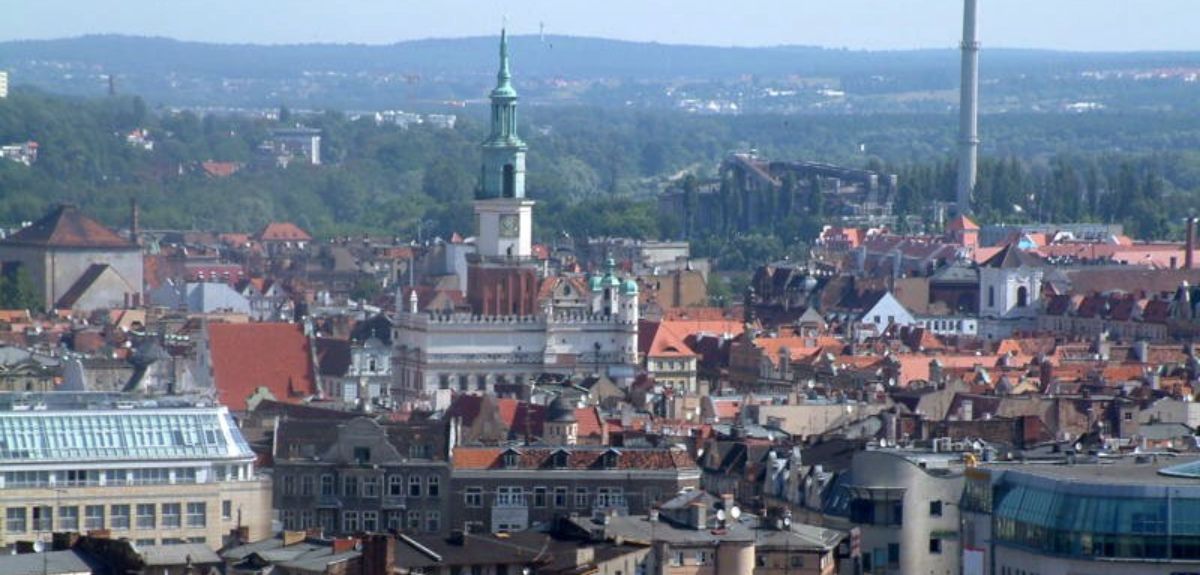
Want the best view of the city for free? Walk the old city walls. There are nine towers, and you can climb several of them (like the Zyt Tower, which holds the city’s oldest clock). It’s a bit of a steep walk up, but the panoramic views of the lake and the rooftops are worth every step.
Must-Do Activities in Azores
If you want to make sure you get the best experience, I definitely recommend booking these, especially in the summer:
No products were found!
What Part of Azores is Best for Tourists?
For your first visit, São Miguel (specifically Ponta Delgada) is the best base. It has the most flights, the best infrastructure, and a huge variety of things to do. If you want culture and history, Terceira is your best bet. If you want “sea vibes” and island hopping, stay in the central group (Faial, Pico, and São Jorge) as they are connected by easy ferry rides.
What to Know Before Going to Azores
- The Weather is Bi-Polar: Locals say you can experience four seasons in one hour. Pack a raincoat even if it looks sunny!
- Rent a Car Early: Public transport isn’t great for reaching the best viewpoints. Manual cars are the norm, so book an automatic way in advance if you need one.
- Tipping: Not mandatory, but rounding up the bill at a restaurant is appreciated.
- The Water: It’s perfectly safe to drink the tap water here—in fact, it’s delicious mountain water.
How Many Days Do I Need in Azores?
I’d say 6 to 7 days is the sweet spot for São Miguel alone. If you want to see multiple islands, give yourself at least 10-12 days.
- Day 1: Explore Ponta Delgada & Jardim Botânico.
- Day 2: Sete Cidades & Ferraria (ocean hot springs).
- Day 3: Furnas (Terra Nostra & Cozido lunch).
- Day 4: Lagoa do Fogo hike & Caldeira Velha.
- Day 5: North coast waterfalls & Gorreana Tea Factory.
- Day 6: Whale watching & Vila Franca do Campo islet.
Suggested daily budget – $70–$95 USD / 65–85 EUR (Note: This assumes you’re staying in a decent guesthouse, eating out at local “tascas,” and have a rental car split between two people. If you’re doing high-end whale tours every day, budget more!)
MONEY SAVING TIPS
What’s the Best Month to Visit Azores?
The best months are June to September. The weather is stable, the hydrangeas are in full bloom (they are everywhere!), and the whale watching is peak. If you want to avoid crowds, May and October are lovely, though a bit rainier.
How to Get to Azores
Most international travelers fly into João Paulo II Airport (PDL) in Ponta Delgada. There are direct flights from Boston, New York, and major European hubs like Lisbon and London.
- From the airport: It’s a quick 10-minute taxi ride to the city center (~€10-€15).
- Inter-island: SATA (Azores Airlines) connects all nine islands. For the central group (Pico, Faial, São Jorge), the Atlanticoline ferry is a fun and cheaper way to travel.
How to Get Around Azores
Rent a car – it’s the best way (book ahead in summer). Roads are scenic but narrow. Uber/Bolt in Ponta Delgada/Angra, but not everywhere. Walking in towns is great; public transport limited.
- Car Rental: This is non-negotiable if you want to see the lakes and hidden trails. Use DiscoverCars to compare prices.
- Walking: Great for the towns, impossible for the islands as a whole.
- Uber/Bolt: They exist in Ponta Delgada, but they are scarce on the smaller islands.
- Tours: If you don’t drive, booking day tours is your best bet to see the main sights.
Tips for first-timers:
Avoid driving in the very center of Angra or Ponta Delgada—the streets are narrow and parking is a nightmare. Park on the outskirts and walk in!
The Azores are the kind of place that stays with you long after you leave. It’s raw, it’s beautiful, and it reminds you how powerful nature really is. Explore the cities, plan smart, and travel better!
Note: This article contains affiliate links. If you purchase something I’ve recommended, I’ll earn a small commission at no extra cost to you. I really appreciate your support and I hope this guide helps you ♡